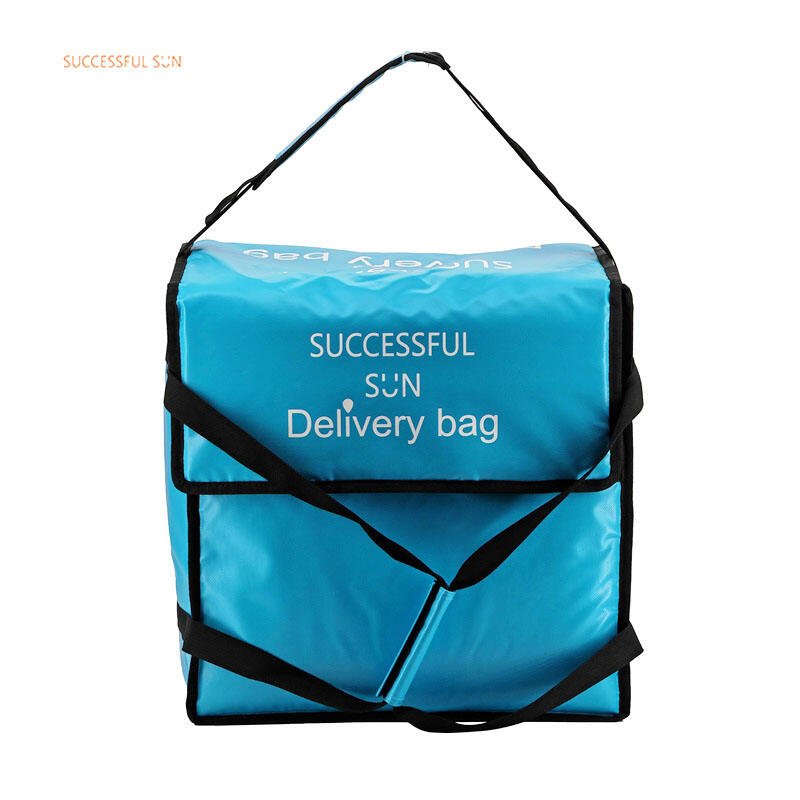
custom pizza delivery bags
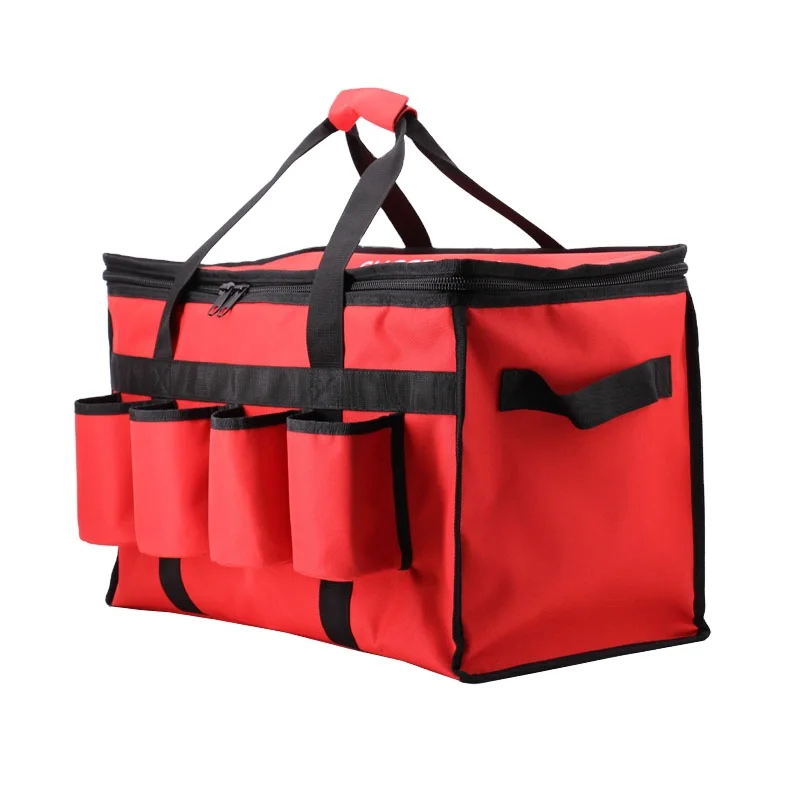
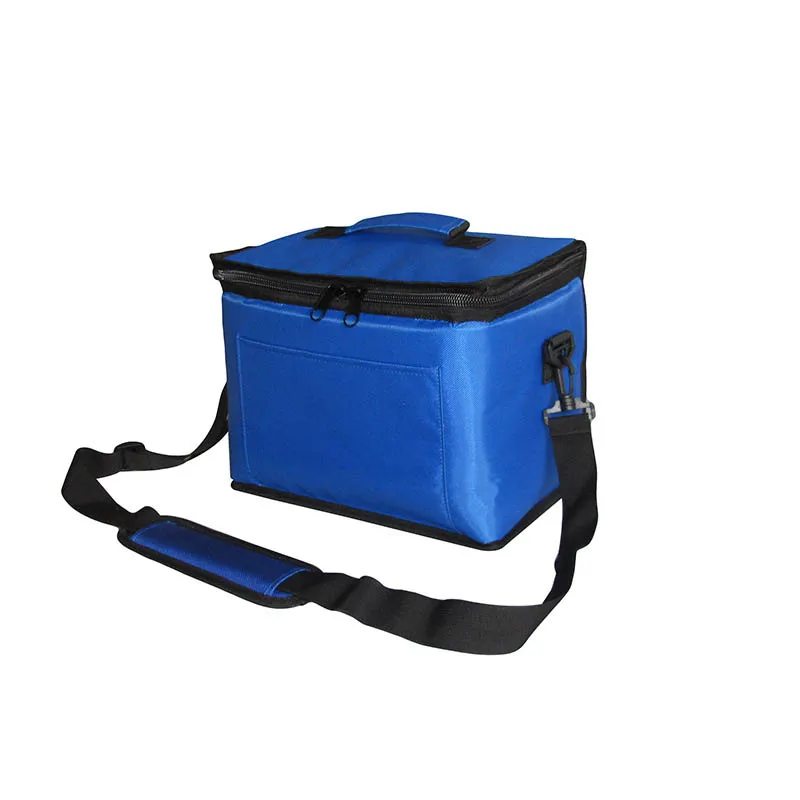
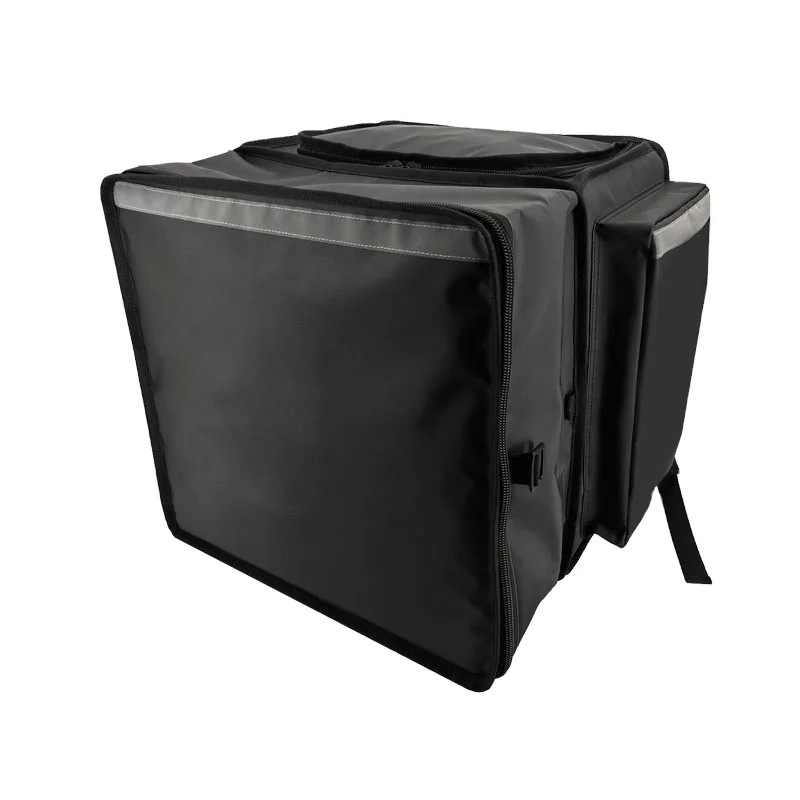
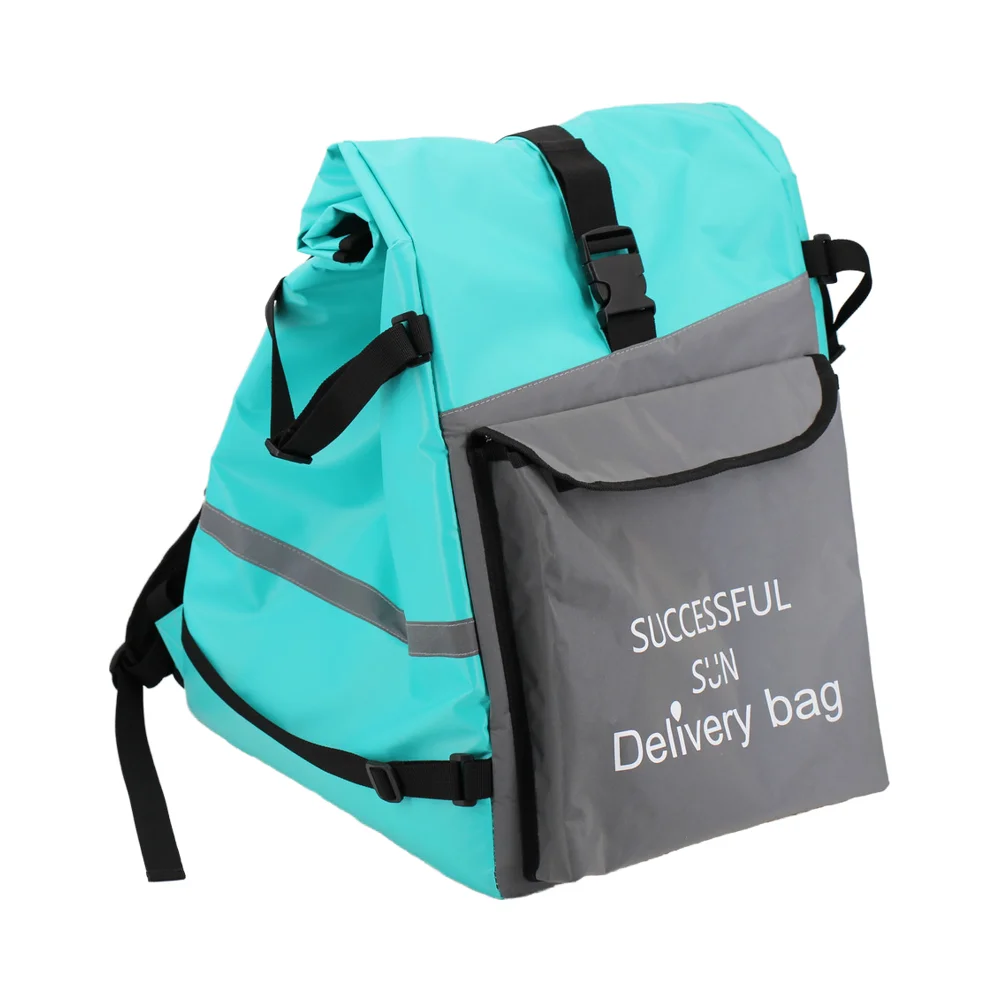
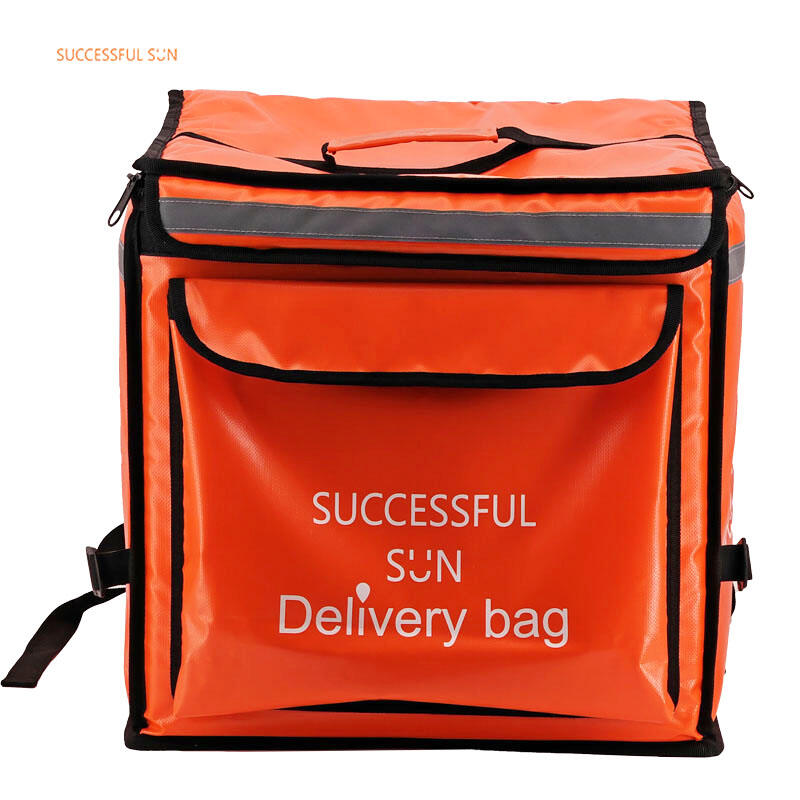
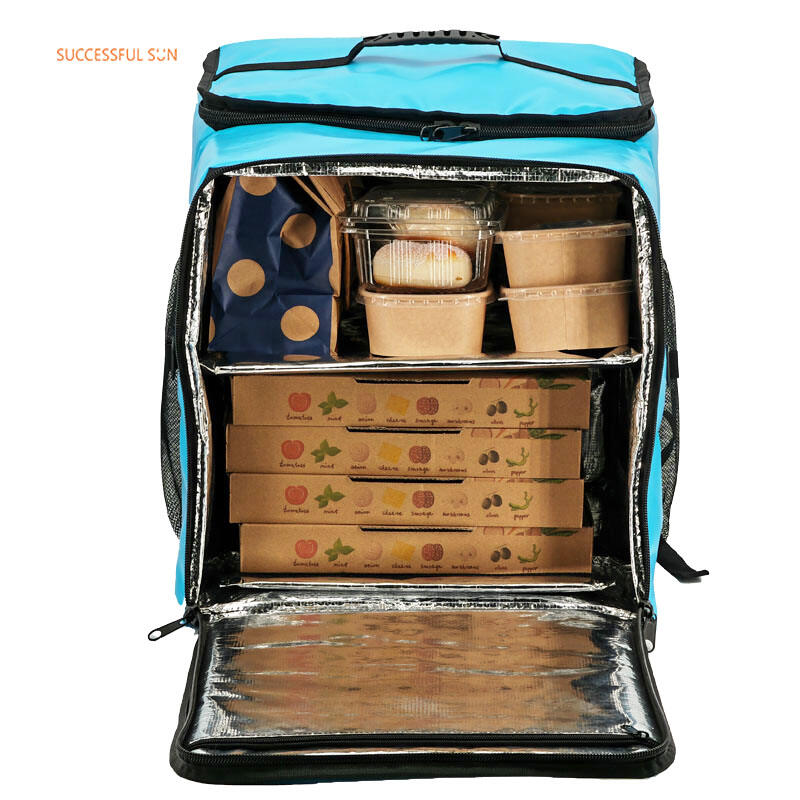
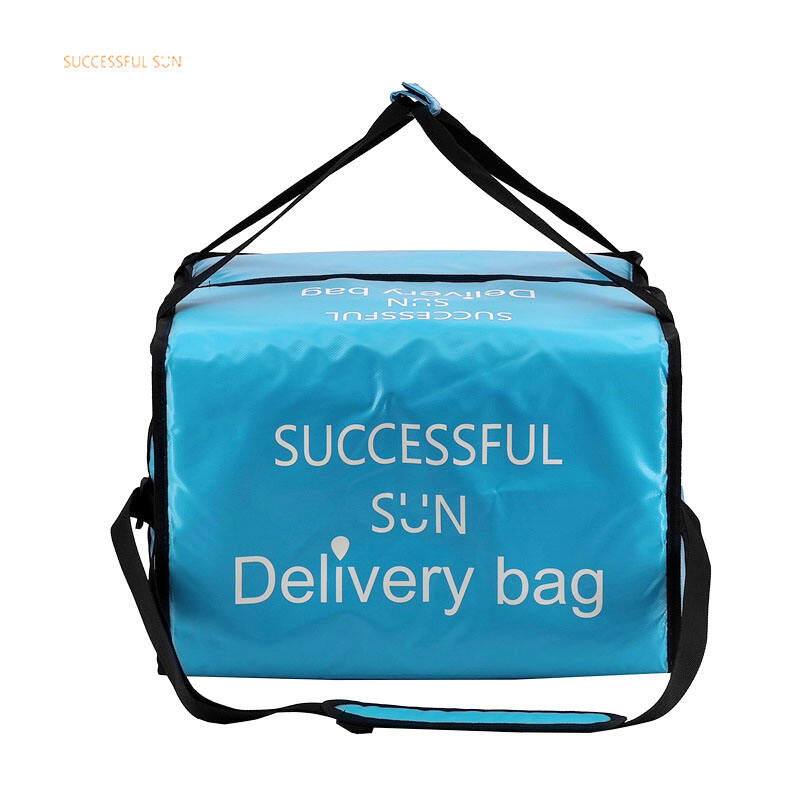
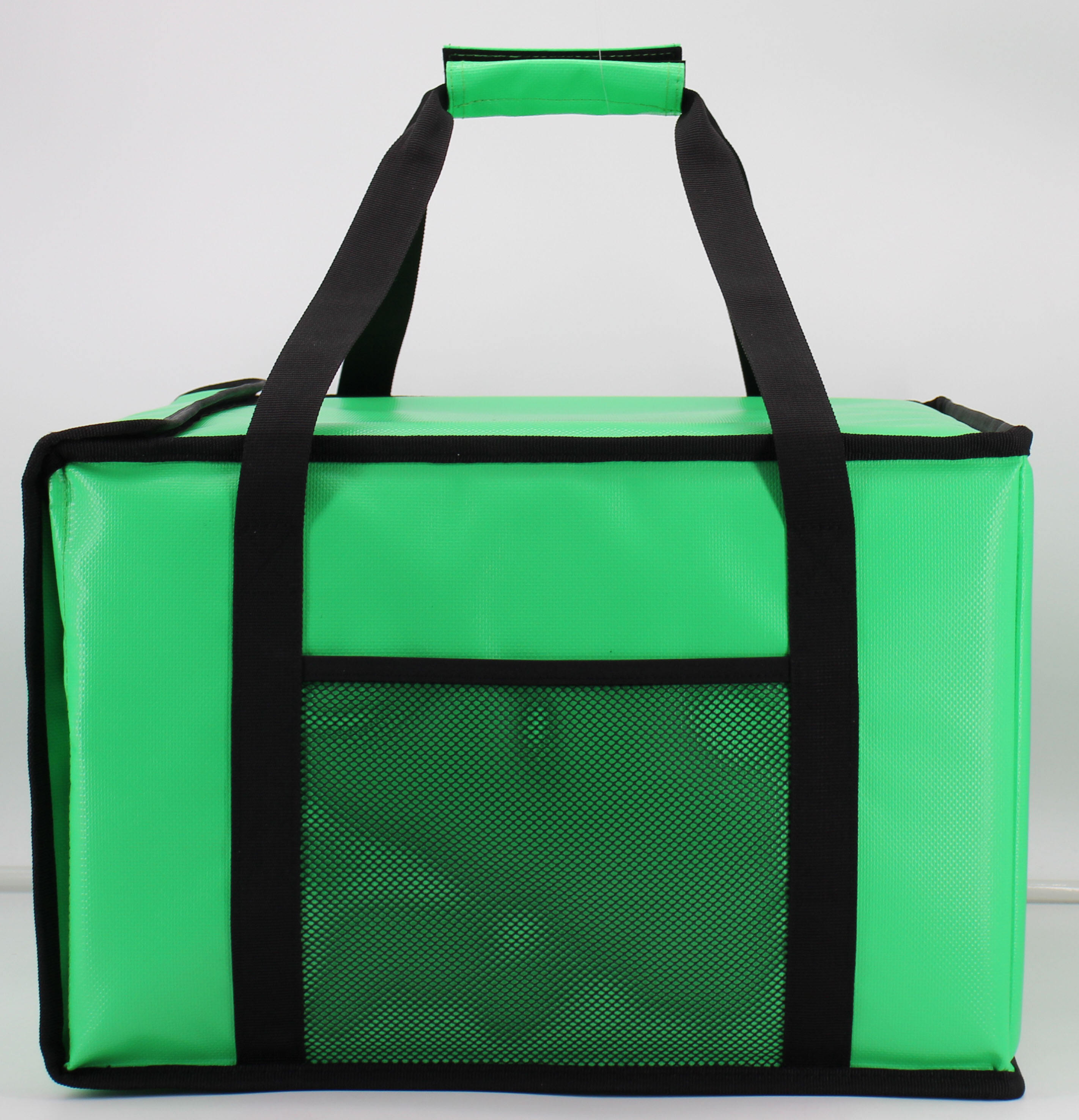
Custom pizza delivery bags represent a revolutionary advancement in food transportation technology, specifically engineered to maintain optimal temperature and freshness during transit. These specialized thermal containers incorporate cutting-edge insulation materials and innovative design features that ensure pizzas arrive at their destination in perfect condition. The primary function of custom pizza delivery bags centers on temperature retention, utilizing multi-layer thermal barriers that prevent heat loss while protecting food from external temperature fluctuations. Advanced zipper systems create airtight seals that lock in warmth and prevent moisture escape, maintaining the crispy texture of pizza crusts and preventing sogginess. The technological features include reflective aluminum lining that redirects heat back toward the food, high-density foam insulation that creates thermal barriers, and reinforced construction materials that withstand repeated use in commercial environments. Waterproof exterior surfaces protect contents from rain and spills, while ergonomic handles and adjustable shoulder straps facilitate comfortable carrying during delivery routes. Custom pizza delivery bags find extensive applications across various food service sectors, including pizzerias, restaurants, catering companies, and ghost kitchen operations. Professional delivery drivers rely on these bags to maintain food quality standards, reduce customer complaints, and enhance overall service reputation. The customization aspect allows businesses to incorporate brand logos, colors, and messaging, transforming delivery bags into mobile marketing tools that promote brand recognition throughout delivery territories. Size variations accommodate different pizza dimensions, from personal-sized pies to extra-large family portions, ensuring optimal fit and maximum thermal efficiency. Commercial-grade construction withstands daily wear and tear, making these bags cost-effective investments for food service operations. The integration of easy-clean surfaces and antimicrobial treatments supports food safety protocols, while modular designs allow for efficient storage when not in use.

 EN
EN