Ergonomic Design and Cycling Optimization
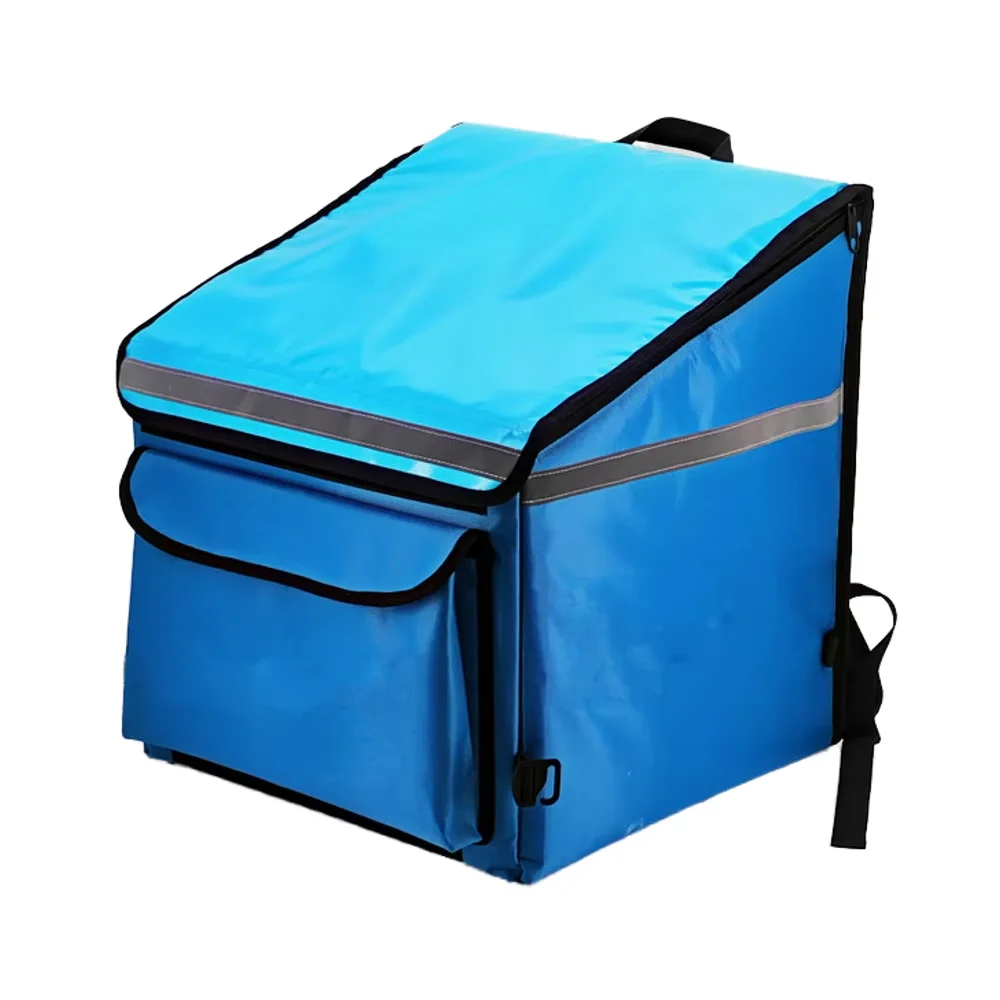
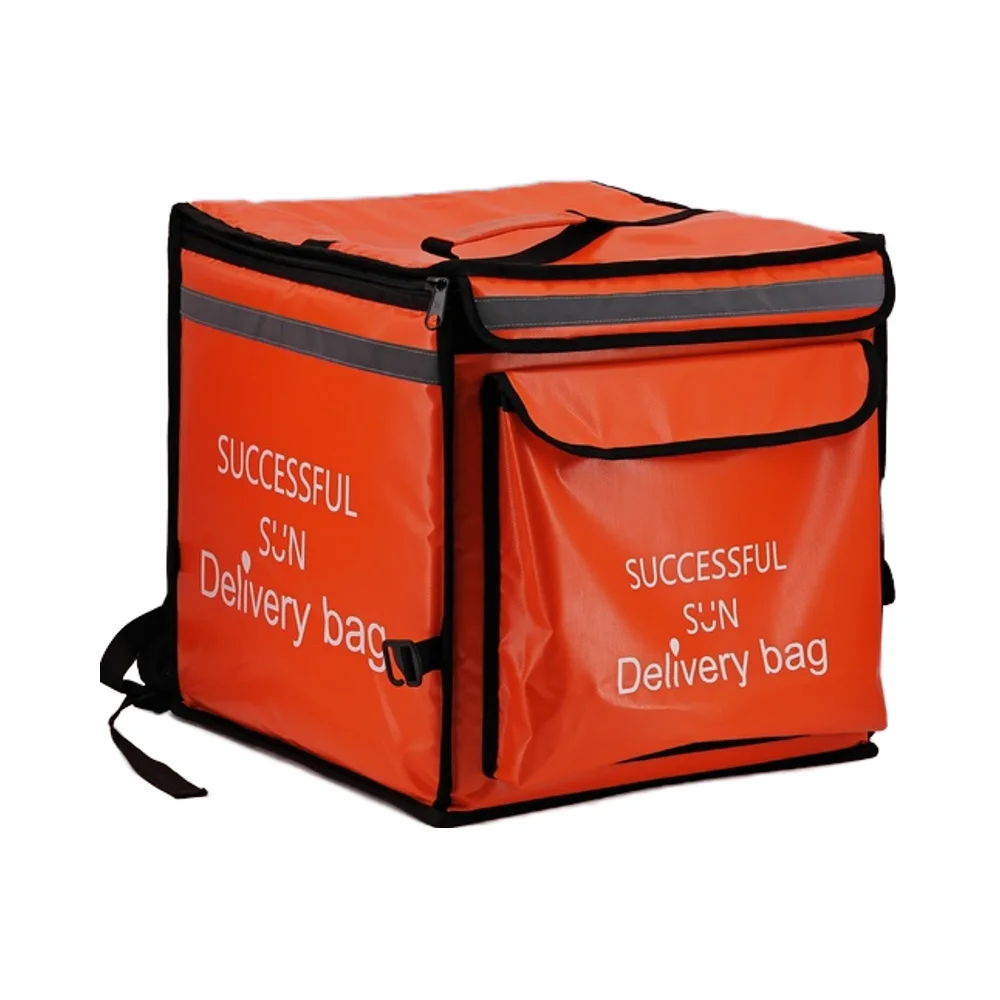
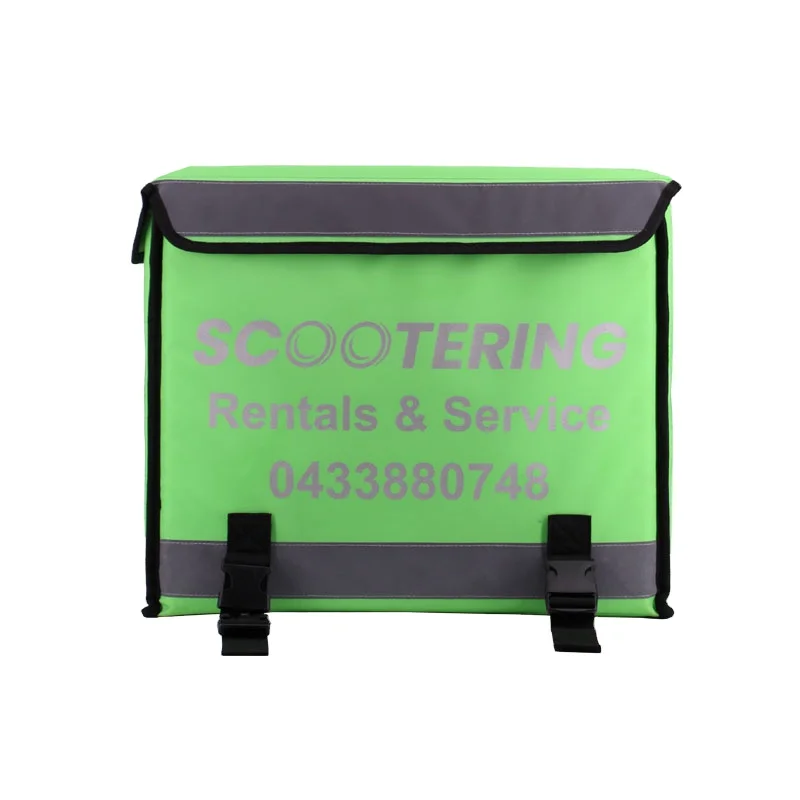
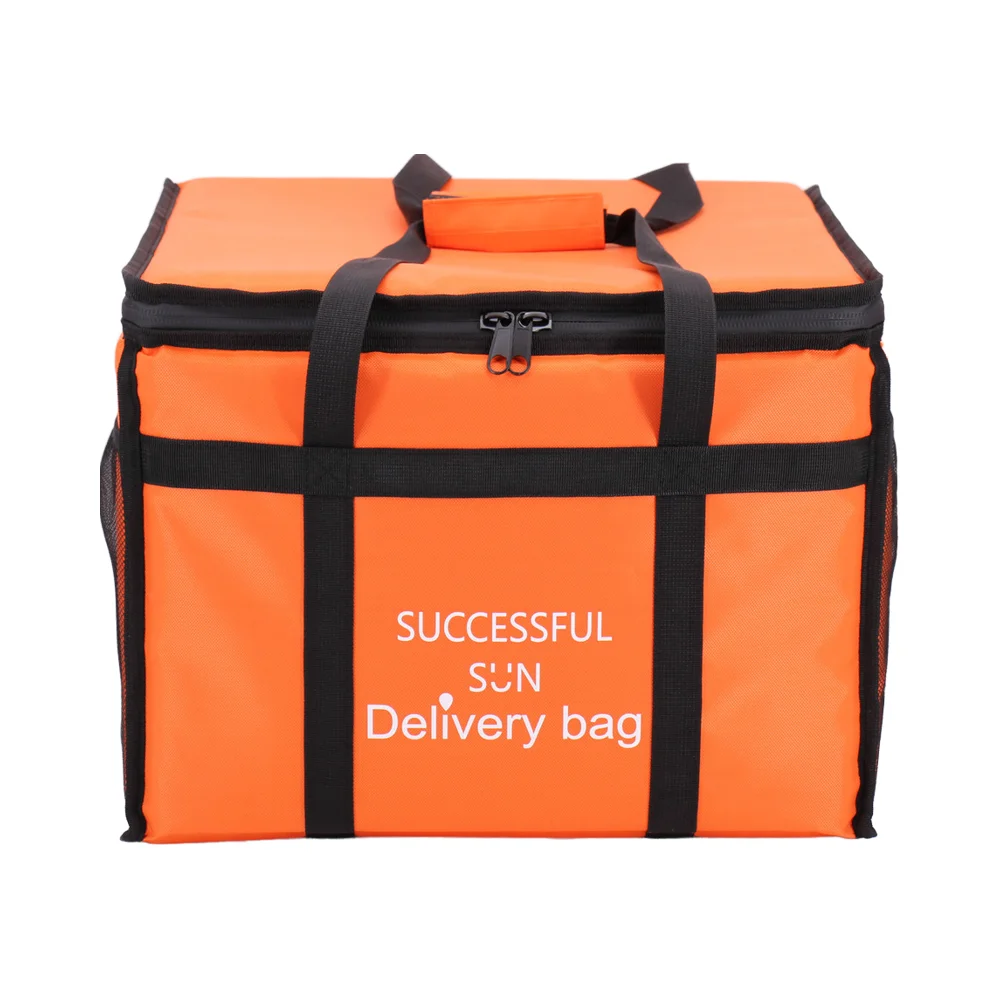
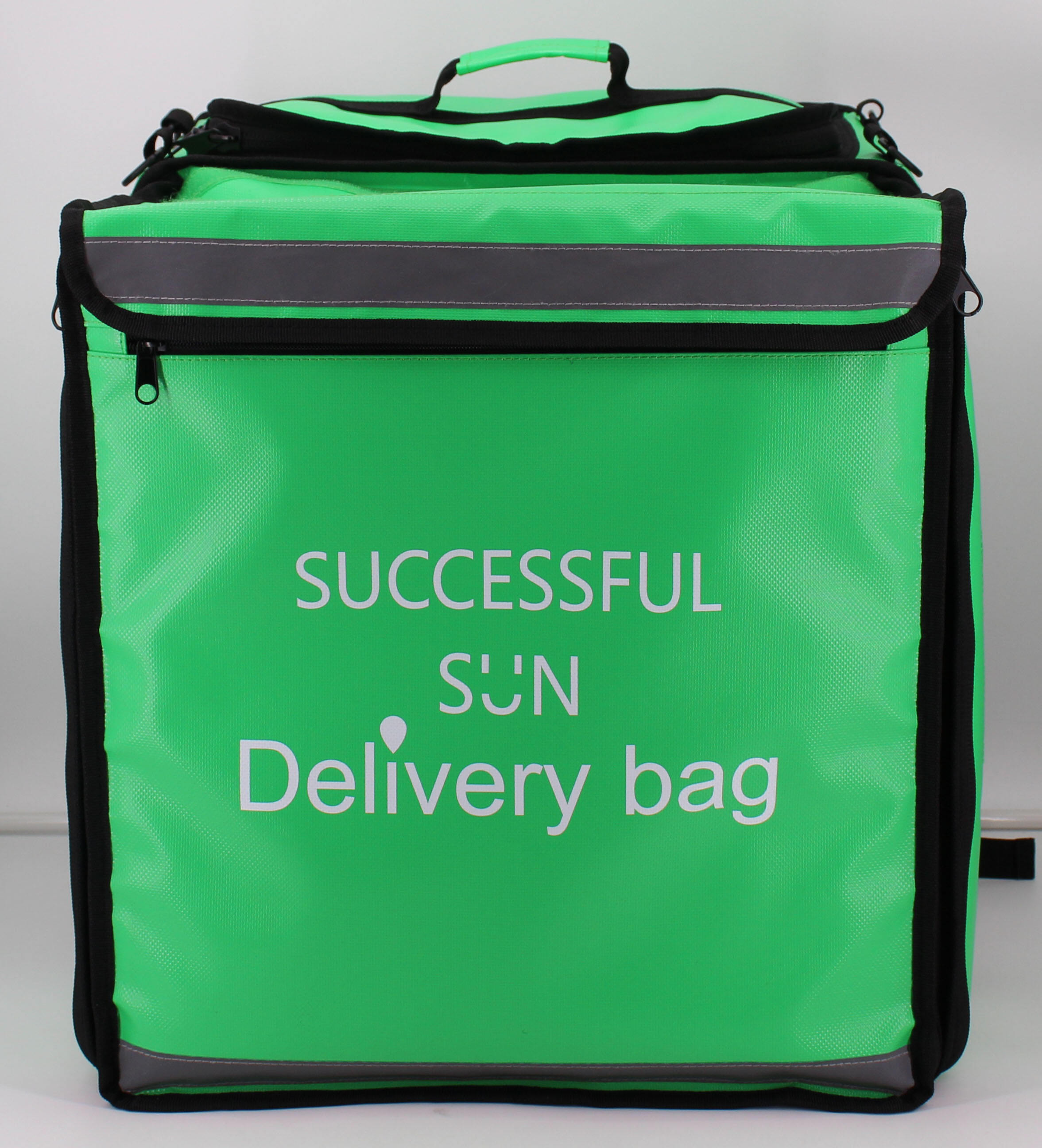
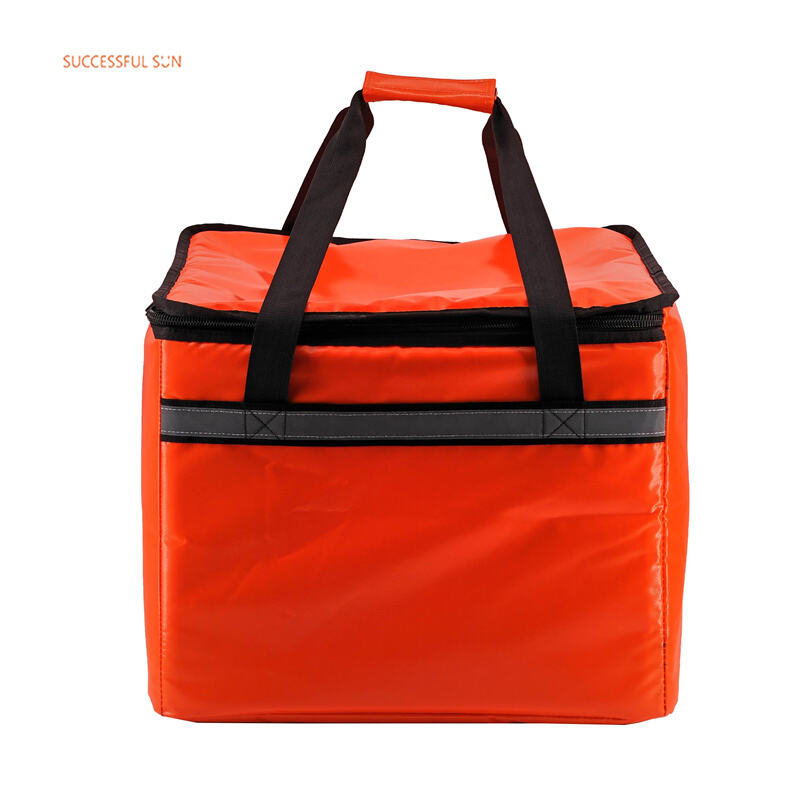
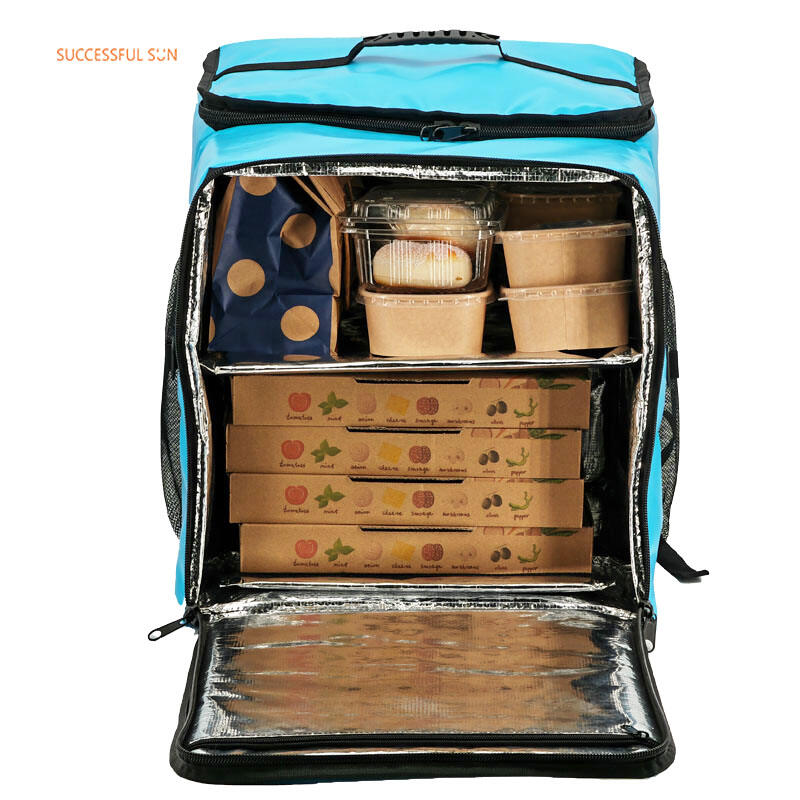
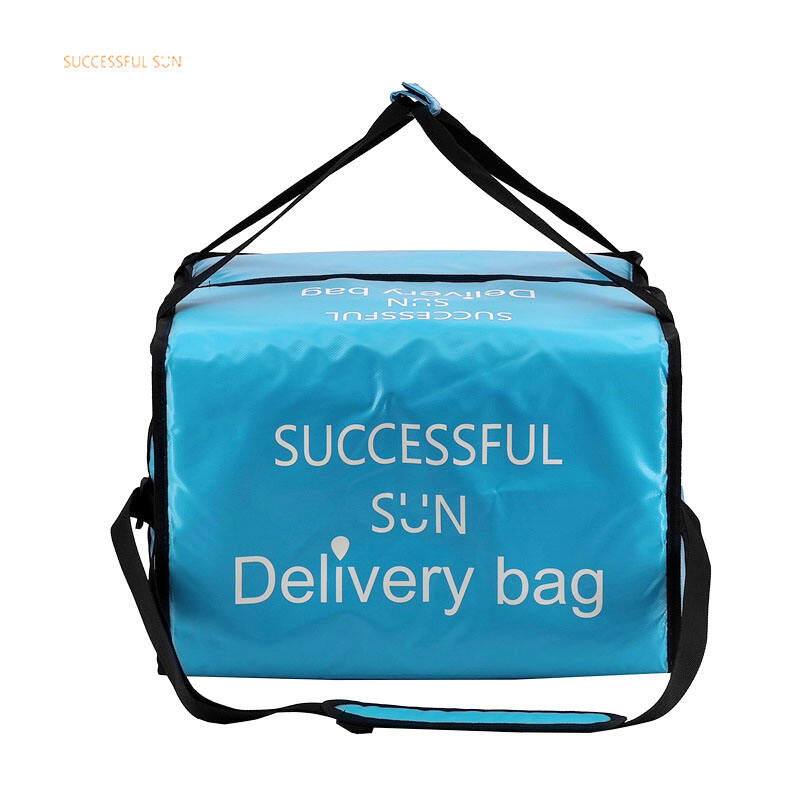
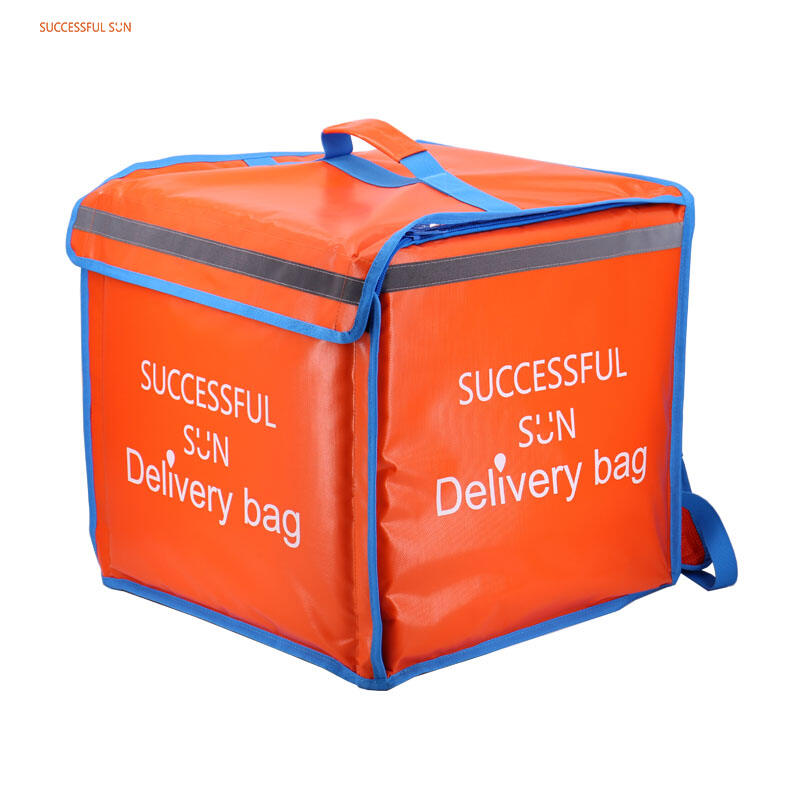
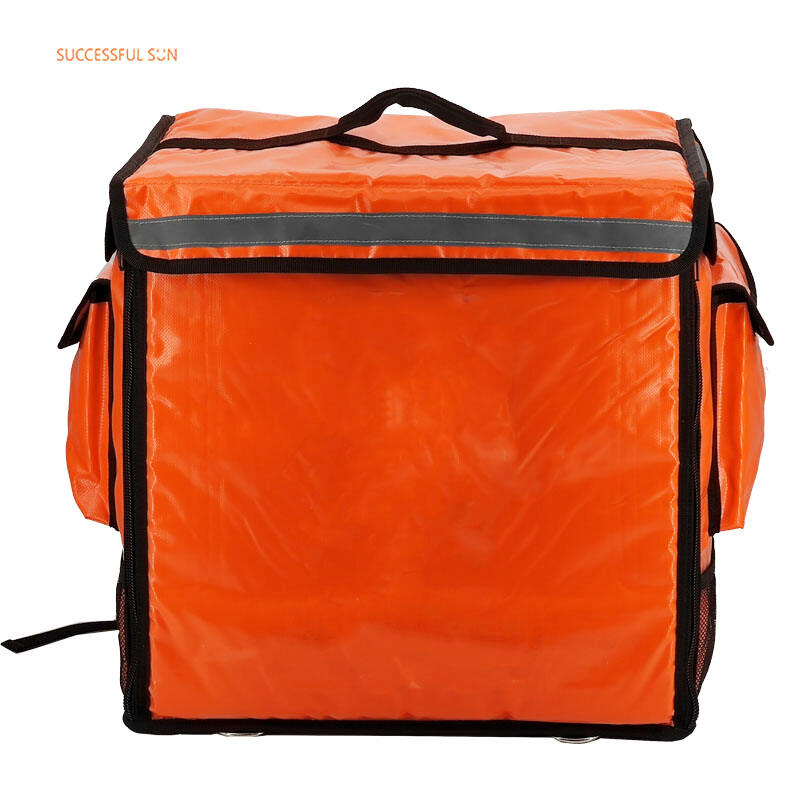
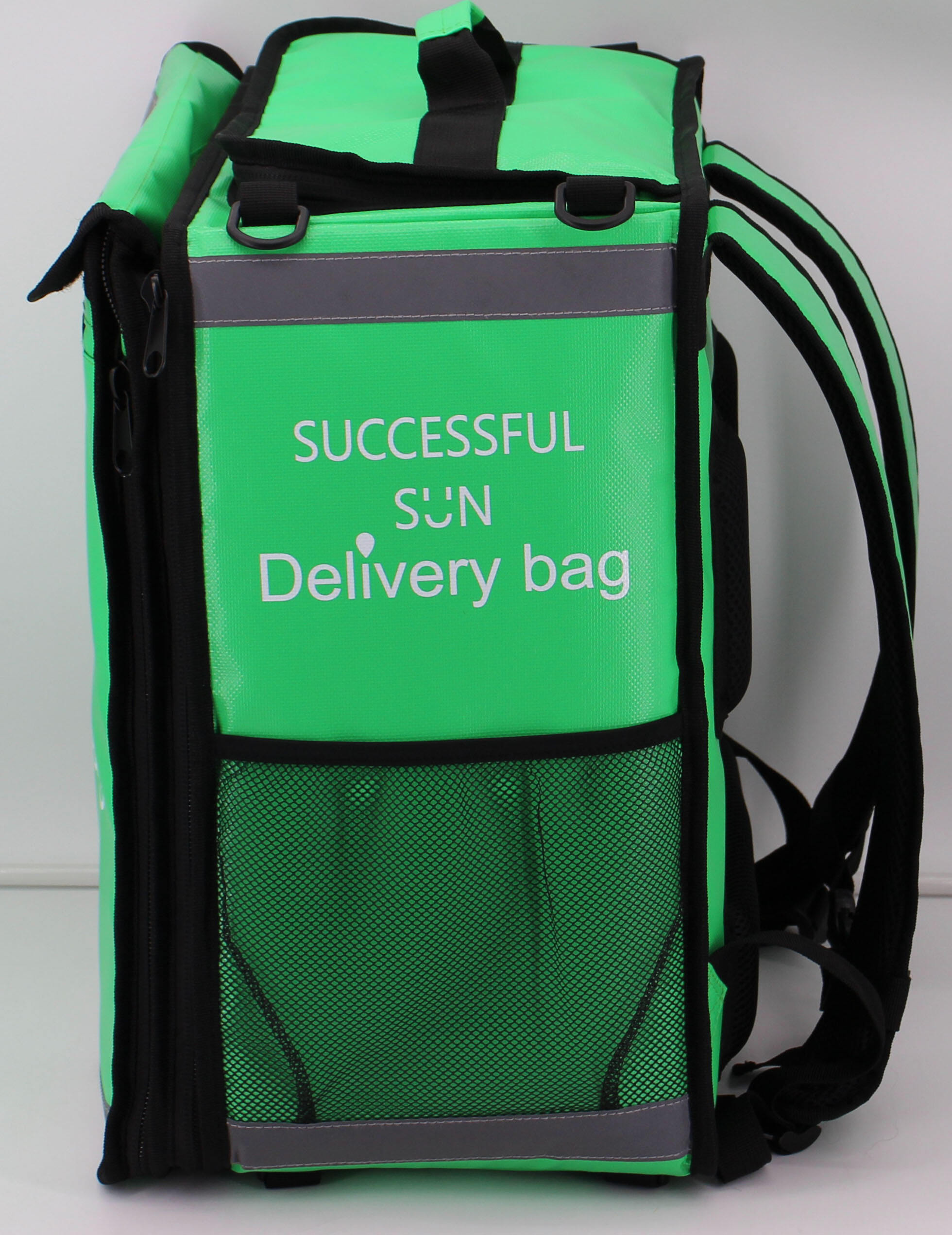
The ergonomic engineering of a food delivery bag for bike prioritizes cyclist comfort, safety, and operational efficiency through human-centered design principles that address the unique challenges of bicycle-based food transportation. Weight distribution systems utilize strategic padding placement, adjustable straps, and balanced load configurations that minimize physical strain on shoulders, back, and core muscles during extended delivery shifts. Anatomical contouring follows natural body curves to reduce pressure points while maintaining secure bag positioning that prevents shifting or sliding during cycling movements. The food delivery bag for bike incorporates quick-release mechanisms that enable rapid mounting and dismounting from bicycles without tools or complex procedures, streamlining delivery workflows and reducing time between stops. Accessibility features include wide-opening tops, easy-grip handles, and intuitive closure systems that facilitate one-handed operation while maintaining bicycle control and balance. Visibility enhancements integrate reflective strips, bright color schemes, and optional LED lighting systems that increase cyclist safety during dawn, dusk, and nighttime delivery operations. Aerodynamic profiles reduce wind resistance and drag forces that could impede cycling performance or create stability issues during high-speed travel or crosswind conditions. Ventilation channels promote air circulation around the cyclist's body to prevent overheating and moisture buildup that causes discomfort during physical exertion. Storage optimization includes external pockets positioned for easy access to delivery receipts, mobile devices, and personal items without compromising food compartment integrity. Modular attachment systems accommodate different bicycle styles including road bikes, mountain bikes, electric bikes, and cargo bicycles through universal mounting hardware and adjustable fitting components. The ergonomic design extends to interior organization with removable dividers, adjustable compartments, and logical layouts that simplify food loading and unloading procedures. Professional cyclists report reduced fatigue levels, improved delivery speed, and enhanced job satisfaction when using properly designed food delivery bag for bike systems compared to generic alternatives. Long-term health benefits include reduced risk of repetitive strain injuries, improved posture maintenance, and decreased physical stress that extends career longevity for professional delivery personnel working in demanding urban environments.

 EN
EN