Premium Food Thermal Bags - Advanced Temperature Control for Safe Food Transport

Get a Free Quote

Our representative will contact you soon.
Email
Name
Company Name
Message
0/1000

food thermal bags

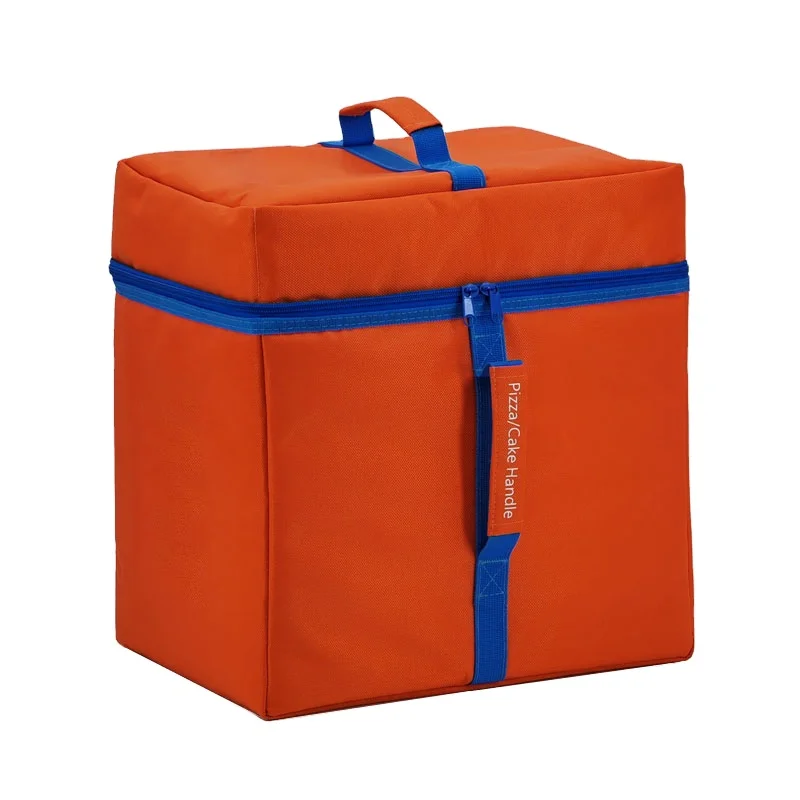
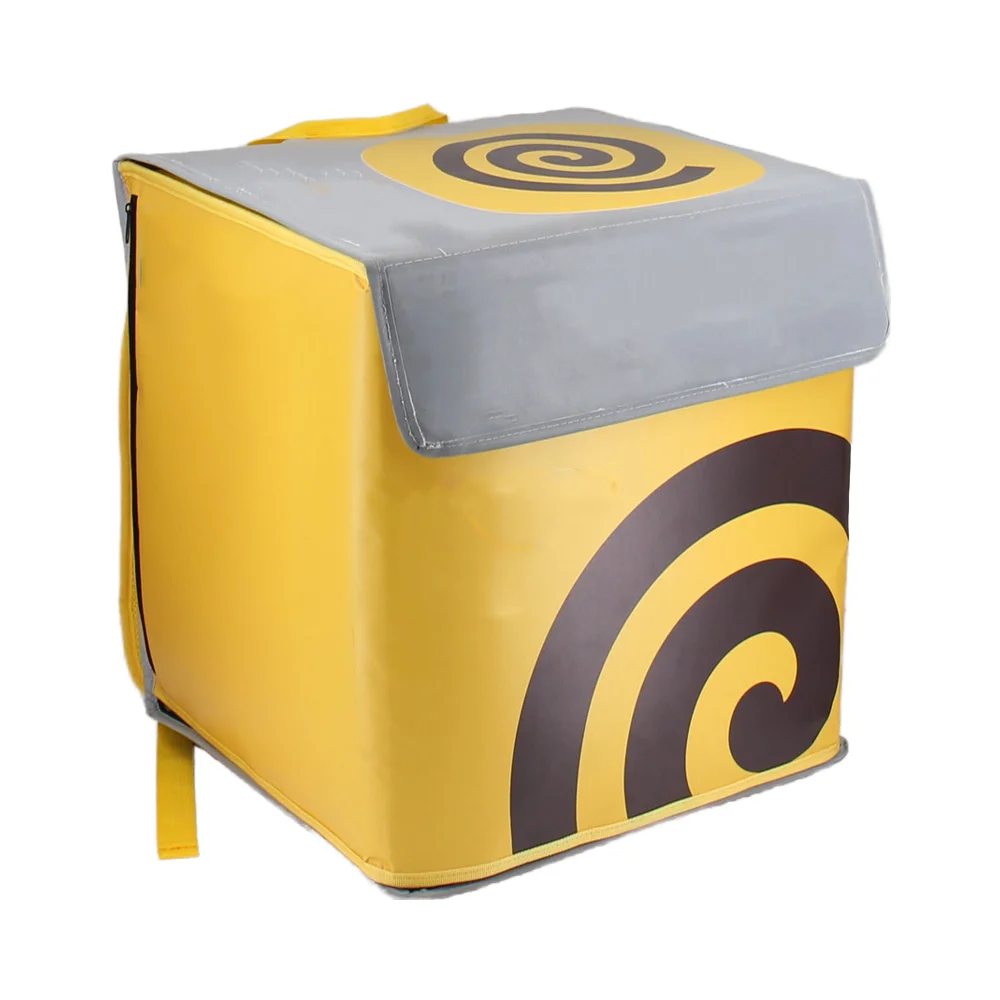
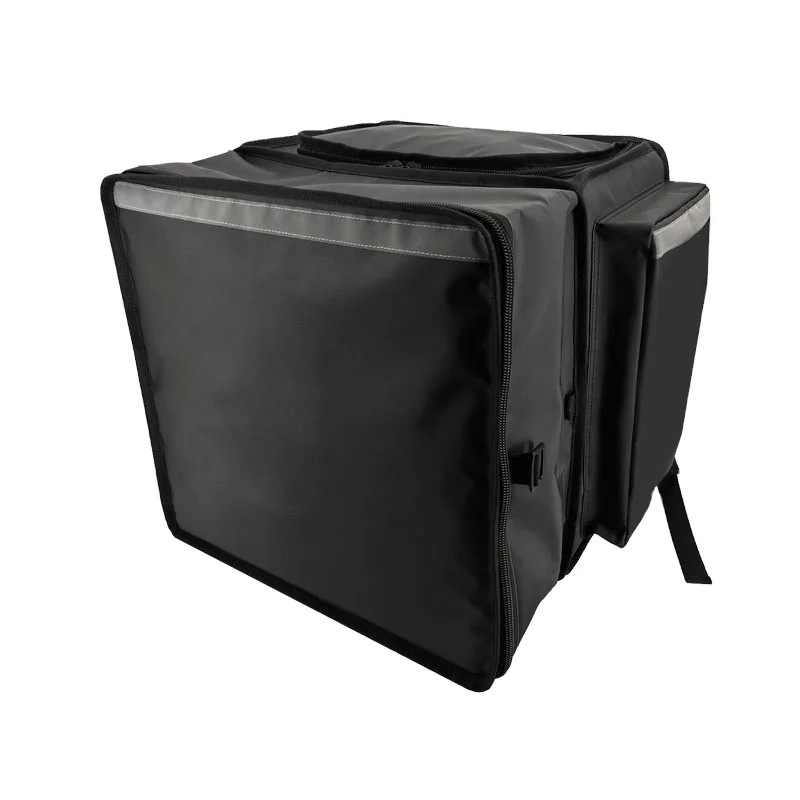
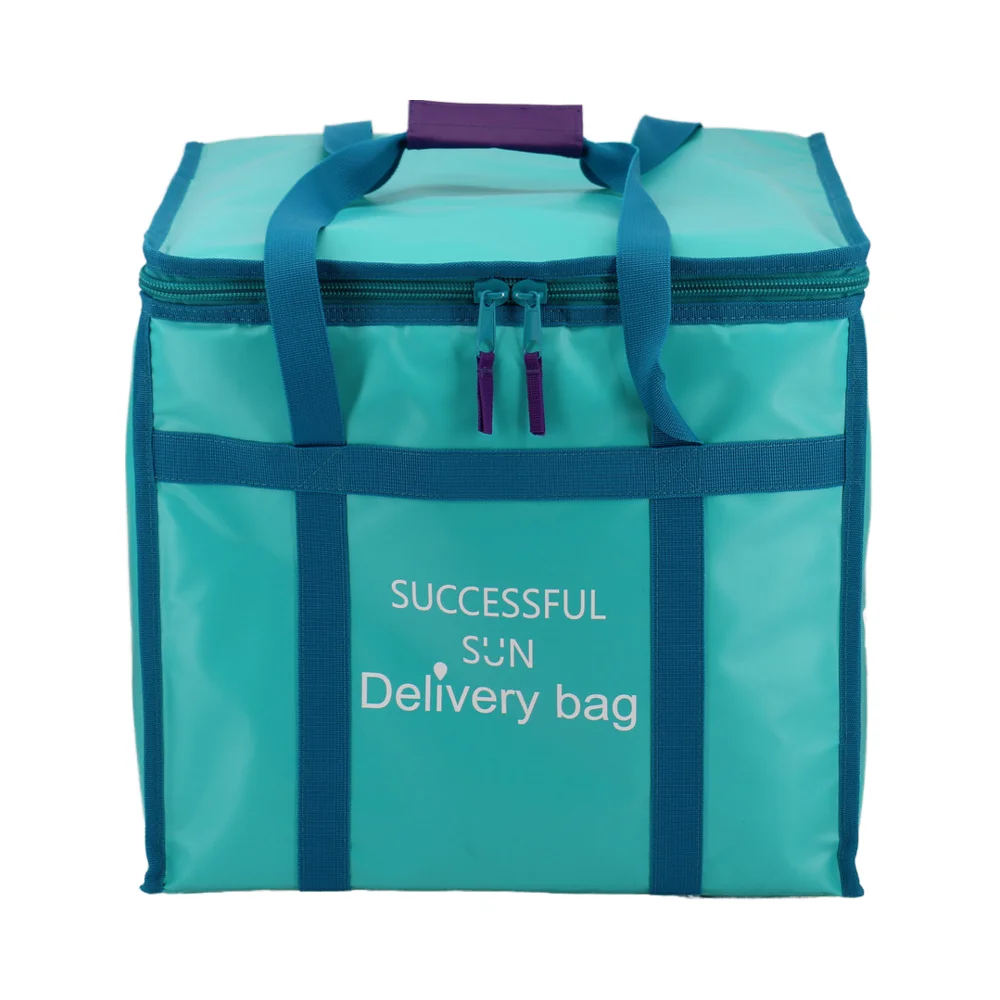
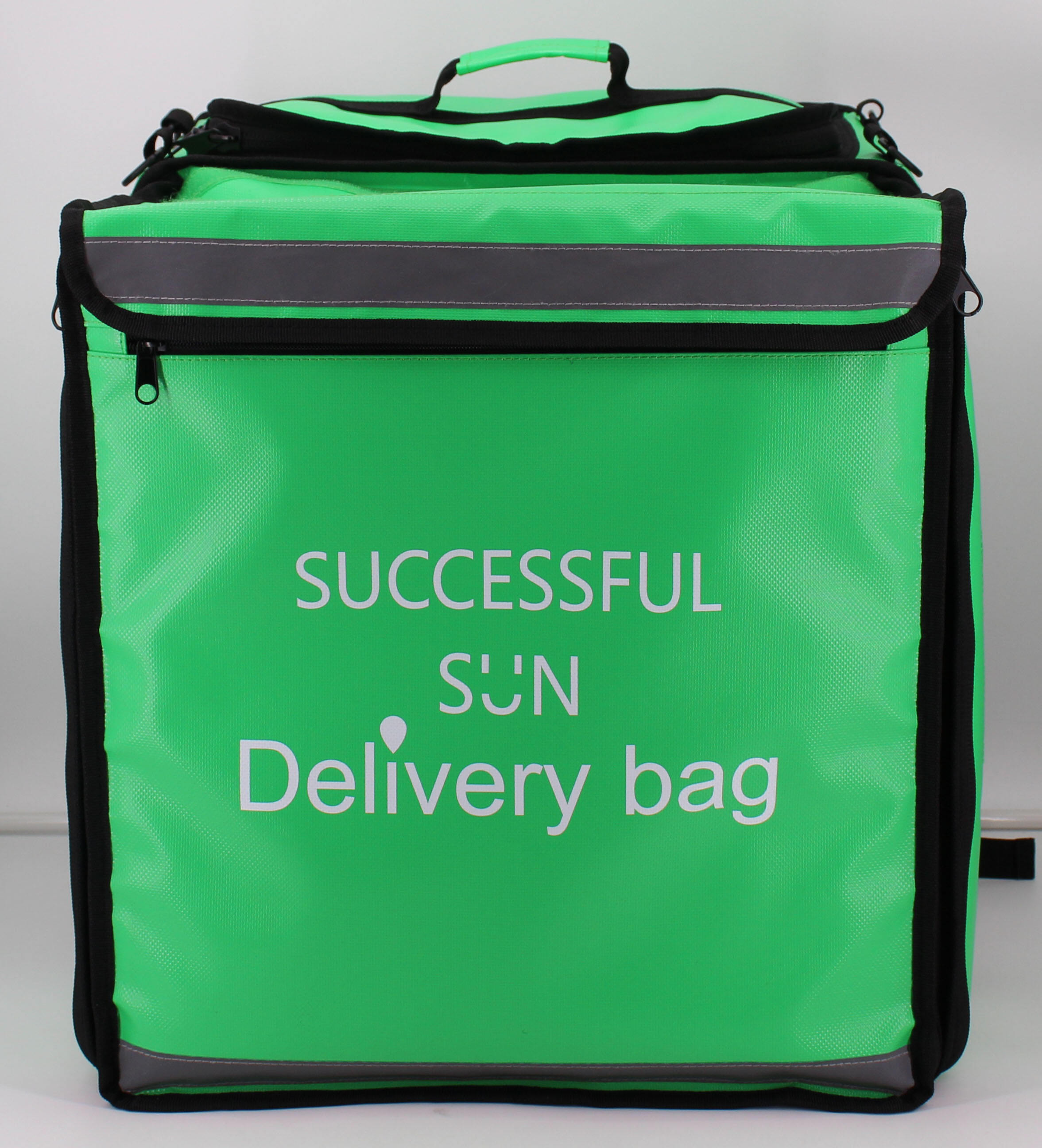
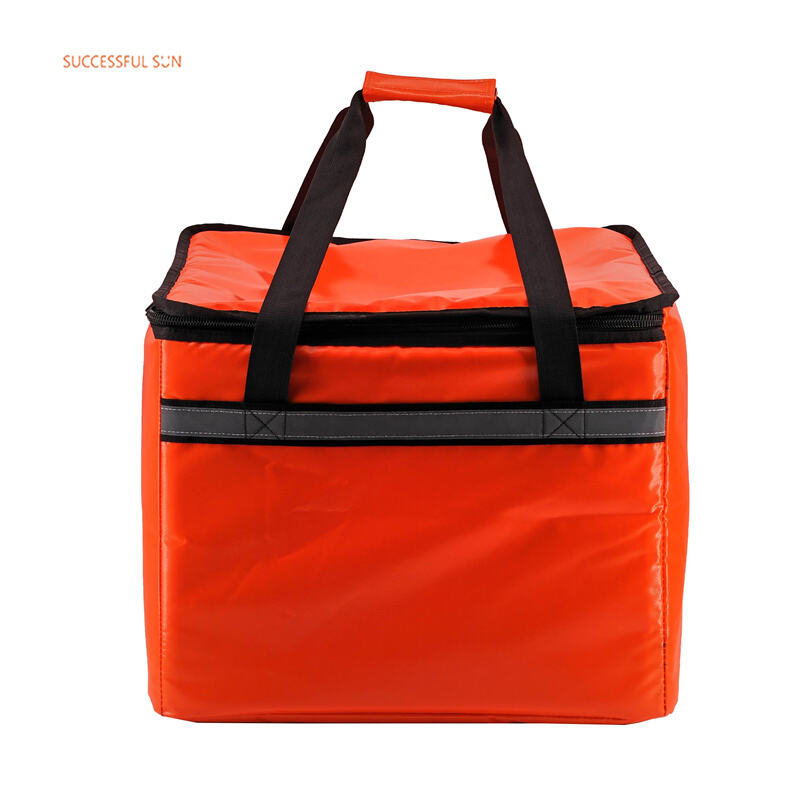
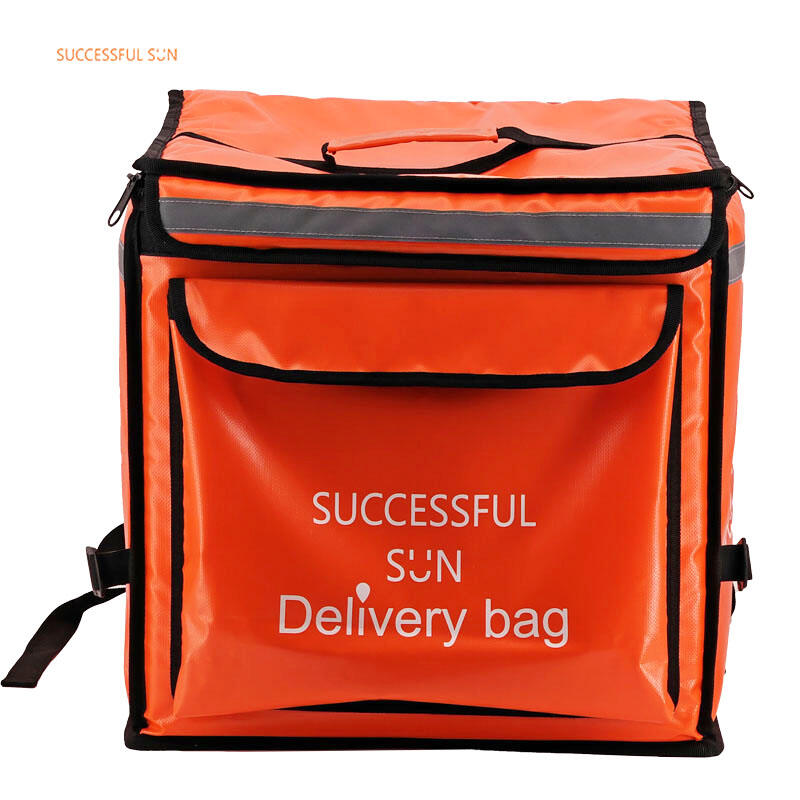
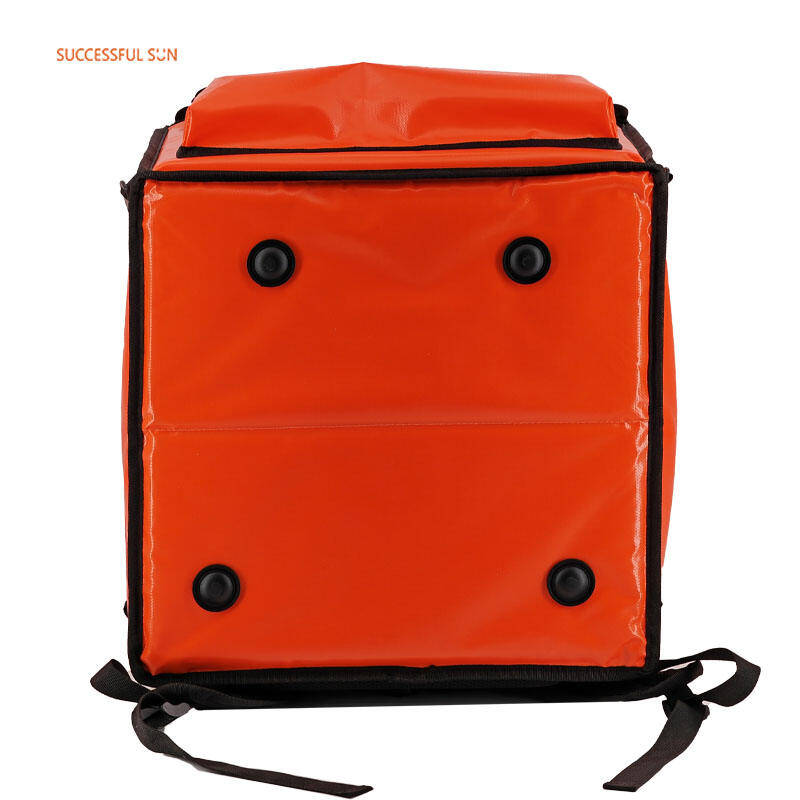
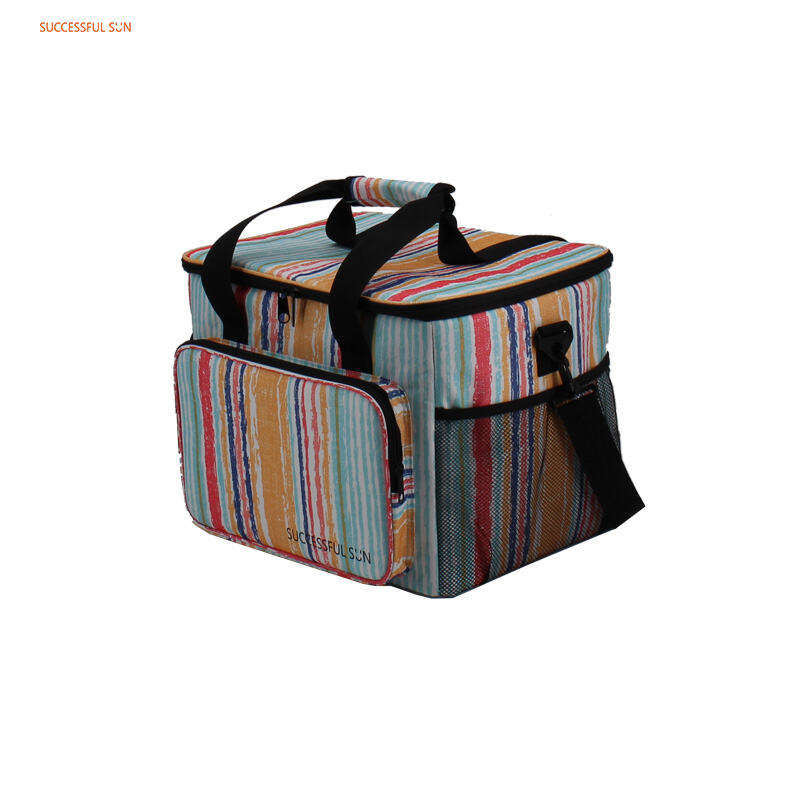
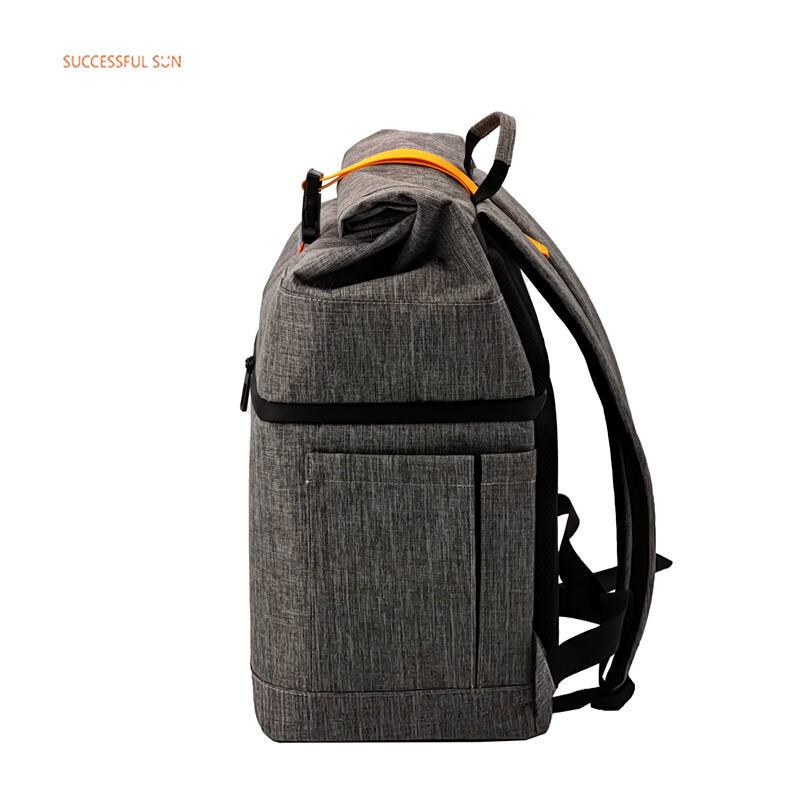
Food thermal bags represent a revolutionary solution for maintaining optimal temperature control during food transportation and storage. These specialized containers utilize advanced insulation technology to preserve the freshness, safety, and quality of perishable items across various distances and timeframes. Modern food thermal bags incorporate multi-layer insulation systems that effectively regulate internal temperatures, preventing heat transfer and maintaining desired thermal conditions for extended periods. The primary function of these bags centers on temperature retention, whether keeping hot foods warm or cold items chilled during transit. Professional-grade food thermal bags feature durable exterior materials, leak-proof interior linings, and robust zipper systems that create airtight seals. These containers serve essential roles in food delivery services, catering operations, grocery transportation, outdoor activities, and emergency preparedness scenarios. The technological sophistication behind food thermal bags includes reflective foil barriers, closed-cell foam insulation, and vapor-resistant coatings that work synergistically to minimize thermal conductivity. Many contemporary models integrate antimicrobial treatments within their fabric construction, reducing bacterial growth and extending food safety margins. Size variations accommodate diverse needs, from compact lunch bags to large-capacity commercial units capable of transporting multiple meals simultaneously. The applications for food thermal bags span residential, commercial, and institutional environments, supporting meal delivery programs, picnic outings, medical transport of temperature-sensitive medications, and professional catering services. Environmental considerations have driven manufacturers to develop eco-friendly alternatives using recycled materials and sustainable production methods. The durability of quality food thermal bags ensures long-term performance under regular use conditions, making them cost-effective investments for both personal and business applications. Strategic design elements include reinforced handles, external pockets for accessories, and stackable configurations that optimize storage efficiency.


New Product Recommendations

Food thermal bags deliver exceptional value through their ability to maintain precise temperature control without requiring external power sources or complex setup procedures. Users benefit from significant cost savings compared to traditional refrigerated transport methods, as these bags eliminate electricity consumption while providing reliable thermal protection. The portability factor enables seamless transportation across various environments, from urban delivery routes to remote outdoor locations where conventional cooling systems cannot operate effectively. Safety advantages include reduced risk of foodborne illness through consistent temperature maintenance, protecting consumers from bacterial contamination that occurs when perishable items enter dangerous temperature zones. Professional food service operators appreciate the flexibility these bags provide, allowing them to expand delivery radius without compromising food quality standards. Time efficiency improvements result from streamlined packing processes and reduced preparation requirements compared to bulky cooling equipment. The lightweight construction of modern food thermal bags reduces shipping costs and physical strain on delivery personnel while maintaining superior insulation performance. Versatility represents another significant advantage, as these containers adapt to diverse food types, portion sizes, and transportation scenarios without modification. Environmental benefits emerge through reduced energy consumption and decreased reliance on single-use packaging materials that often accompany alternative preservation methods. Economic advantages extend beyond initial purchase savings to include reduced food waste, lower insurance costs for food businesses, and decreased liability exposure from temperature-related quality issues. Maintenance requirements remain minimal, with most food thermal bags requiring only basic cleaning procedures using standard household supplies. The compact storage capability when not in use makes these bags practical for businesses with limited storage space. User-friendly features eliminate training requirements, allowing immediate deployment across staff members regardless of technical expertise levels. Durability ensures long-term return on investment, with quality food thermal bags maintaining effectiveness through hundreds of use cycles. The aesthetic appeal of contemporary designs supports professional brand image while providing functional benefits.

Tips And Tricks

Why Is a Food Delivery Backpack Essential for Couriers?

31

Oct

Why Is a Food Delivery Backpack Essential for Couriers?

The Evolution of Modern Food Delivery Equipment In the bustling world of food delivery services, the equipment couriers use can make or break their success. At the heart of this essential gear lies the food delivery backpack, a purpose-built tool tha...
View More
How Does a Food Delivery Backpack Keep Meals Fresh Longer?

31

Oct

How Does a Food Delivery Backpack Keep Meals Fresh Longer?

The Evolution of Temperature-Controlled Food Transport Solutions The food delivery industry has witnessed a remarkable transformation in recent years, with the food delivery backpack emerging as a game-changing innovation. These specialized carriers ...
View More
Can a Food Delivery Backpack Improve Delivery Efficiency?

31

Oct

Can a Food Delivery Backpack Improve Delivery Efficiency?

Transforming Food Delivery Operations with Specialized Equipment The modern food delivery landscape has evolved dramatically, with restaurants and delivery services constantly seeking ways to enhance their operations. At the heart of this evolution l...
View More
Why Choose a Food Delivery Bag for Professional Services?

31

Oct

Why Choose a Food Delivery Bag for Professional Services?

Essential Equipment for Modern Food Delivery Operations In today's fast-paced food delivery industry, having the right equipment can make the difference between success and failure. At the heart of every efficient delivery operation lies the food del...
View More

Get a Free Quote

Our representative will contact you soon.
Email
Name
Company Name
Message
0/1000

food thermal bags

Advanced Multi-Layer Insulation Technology

Advanced Multi-Layer Insulation Technology

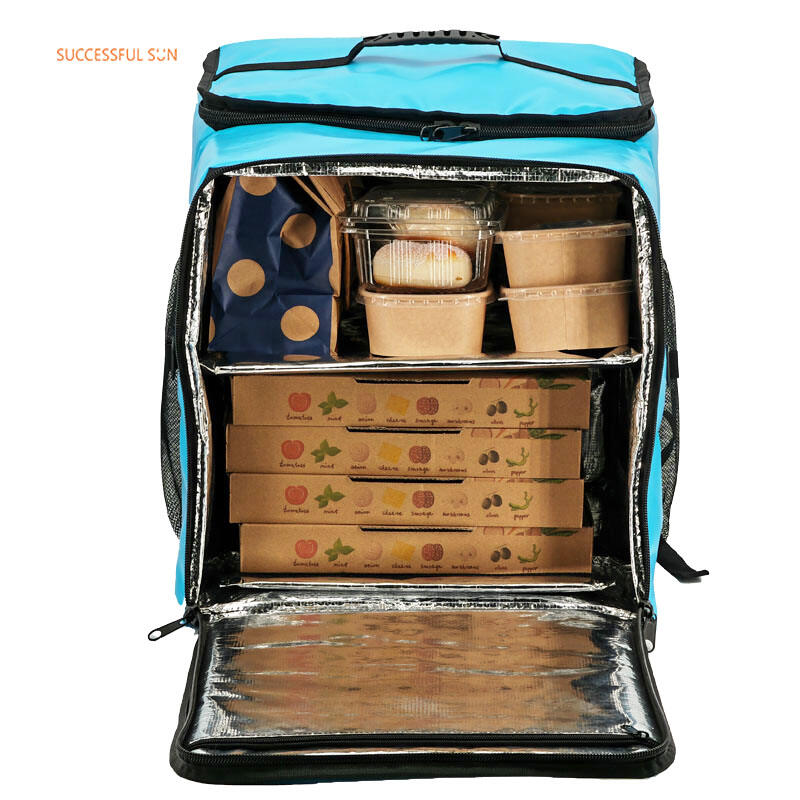
The cornerstone of superior food thermal bags lies in their sophisticated multi-layer insulation systems that create impenetrable barriers against temperature fluctuation. These engineered layers typically consist of reflective aluminum foil, high-density foam cores, and vapor-resistant outer shells that work together to minimize thermal transfer through conduction, convection, and radiation. The reflective foil layer redirects radiant heat energy, preventing external temperatures from penetrating the interior chamber while simultaneously reflecting internal temperatures back into the storage space. This dual-action mechanism ensures that hot foods remain warm and cold items stay chilled for extended periods, often exceeding six to eight hours depending on external conditions. The closed-cell foam insulation provides structural integrity while creating millions of tiny air pockets that serve as thermal barriers, significantly reducing heat conductivity compared to traditional insulation materials. Advanced manufacturing techniques bond these layers using specialized adhesives that maintain flexibility while preventing delamination under stress conditions. The outer protective shell incorporates tear-resistant materials that withstand punctures, abrasions, and moisture exposure that could compromise insulation performance. Quality food thermal bags feature seamlessly welded seams that eliminate thermal bridging points where temperature transfer typically occurs in inferior products. The insulation thickness varies strategically throughout the bag structure, with increased density at critical points such as the bottom panel where ground contact occurs. Some premium models incorporate phase-change materials that absorb and release thermal energy at specific temperatures, providing additional temperature stabilization during extended transport periods. This technological advancement represents significant improvement over conventional coolers that rely solely on ice or gel packs for temperature control. The insulation system maintains effectiveness across wide temperature ranges, performing equally well in hot summer conditions and cold winter environments. Testing protocols demonstrate that quality food thermal bags can maintain internal temperatures within safe zones for food storage while external temperatures fluctuate dramatically.
Leak-Proof Construction and Food Safety Features

Leak-Proof Construction and Food Safety Features

Food thermal bags incorporate comprehensive leak-proof construction methodologies that protect both the transported items and surrounding environment from contamination or damage. The interior lining utilizes food-grade materials that resist staining, odor absorption, and bacterial growth while maintaining easy cleaning protocols. Welded seam construction eliminates traditional stitching holes that could allow liquid penetration or temperature escape, creating completely sealed internal chambers. The waterproof barrier prevents external moisture from entering the storage area while simultaneously containing any spills or condensation that may occur during transport. Advanced zipper systems feature water-resistant coatings and tight-fitting closures that maintain airtight seals without requiring excessive force during operation. Many professional-grade food thermal bags include removable liner systems that facilitate thorough cleaning and sanitization between uses, essential for maintaining food safety standards in commercial applications. The antimicrobial treatments integrated into fabric construction actively inhibit bacterial and fungal growth, extending the safe storage time for perishable items while reducing cross-contamination risks. Corner reinforcements prevent stress concentration that could lead to structural failure and potential leak development over time. The bottom panel construction typically features double-wall protection with drainage channels that direct any accumulated moisture away from stored items. Quality control testing subjects these bags to rigorous leak testing using pressurized water systems that simulate real-world stress conditions. Food safety certifications from recognized authorities validate the materials and construction methods used in premium food thermal bags. The non-toxic interior surfaces comply with strict food contact regulations, ensuring that no harmful chemicals migrate into stored items during extended contact periods. Easy-clean surfaces resist bacterial adhesion and allow thorough sanitization using standard cleaning products. The structural design prevents sharp edges or rough surfaces that could puncture food packaging or create safety hazards during handling. Temperature monitoring capabilities in advanced models provide real-time alerts when internal conditions approach unsafe ranges.
Versatile Design for Multiple Applications

Versatile Design for Multiple Applications

The adaptable design philosophy behind modern food thermal bags enables seamless integration across diverse usage scenarios, from intimate family picnics to large-scale commercial food distribution operations. Modular sizing options accommodate varying capacity requirements, with compact personal units suitable for individual meals and expansive commercial models capable of transporting complete catering orders for events serving hundreds of guests. The ergonomic handle systems distribute weight evenly across multiple contact points, reducing physical strain during extended carrying periods while maintaining secure grip even when bags reach maximum capacity. Convertible carrying options include detachable shoulder straps, rolling wheel attachments, and backpack configurations that adapt to different transportation needs and user preferences. External pocket systems provide organized storage for utensils, napkins, condiments, and other accessories while maintaining easy access without compromising the main storage chamber's thermal integrity. Stackable designs enable efficient space utilization during transport and storage, particularly valuable for commercial operations managing multiple orders simultaneously. The aesthetic versatility spans professional appearance suitable for corporate catering to casual designs appropriate for recreational activities, ensuring brand image consistency across various applications. Collapsible models offer space-saving storage when not in use, addressing storage constraints common in urban environments and small business operations. Color-coding systems facilitate organization and identification in multi-bag scenarios, reducing delivery errors and improving operational efficiency. Customization options include logo placement, color selection, and size modifications that support brand recognition and specific operational requirements. The universal compatibility extends to various food container types, from disposable packaging to reusable glass containers, without requiring special adapters or modifications. Interior organization features include dividers, elastic restraints, and positioning guides that prevent item shifting during transport while maximizing space utilization. Quick-access features enable rapid loading and unloading procedures, essential for time-sensitive delivery operations where efficiency directly impacts customer satisfaction and business profitability.

Get a Free Quote

Our representative will contact you soon.
Email
Name
Company Name
Message
0/1000