Advanced Temperature Control Technology
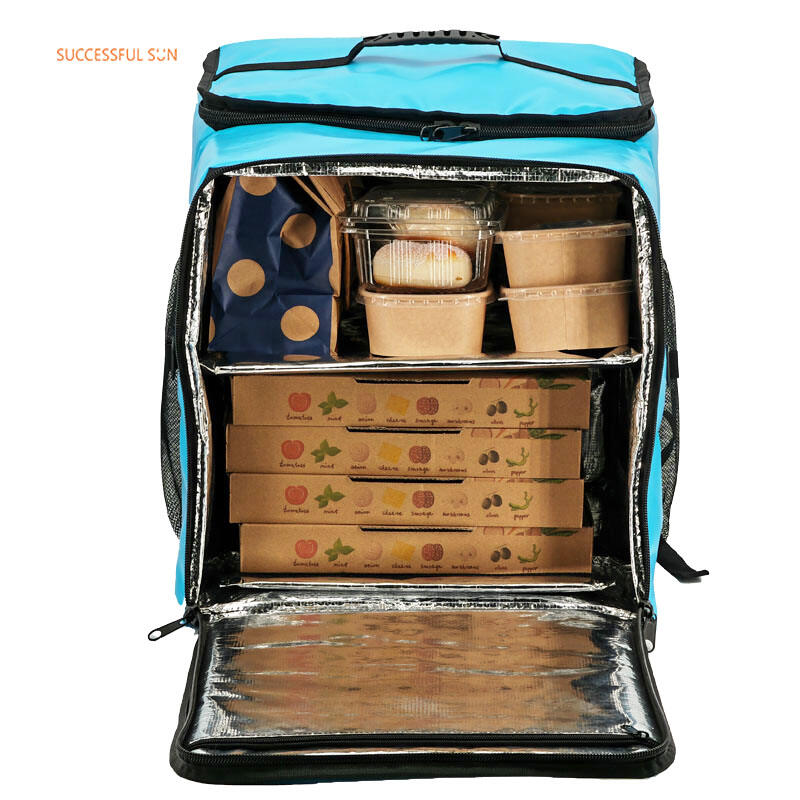
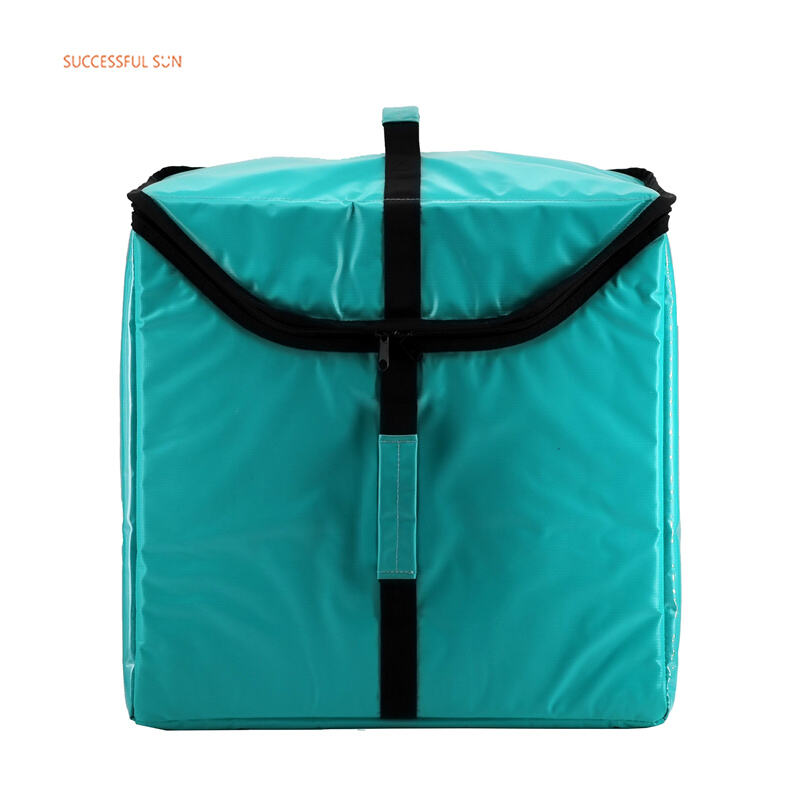
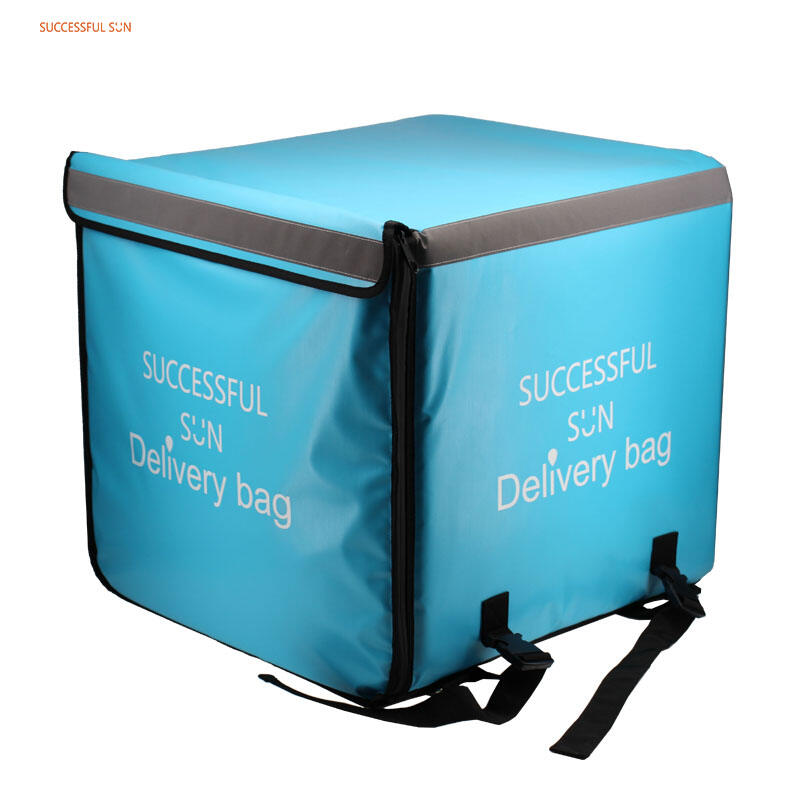
The most compelling feature of any premium picnic lunch bag lies in its sophisticated temperature control technology that maintains food safety and quality throughout extended outdoor activities. This advanced insulation system utilizes multiple layers of high-performance materials including closed-cell foam insulation, reflective thermal barriers, and vapor-resistant linings that work synergistically to create an optimal microenvironment for food storage. The technology prevents heat transfer through conduction, convection, and radiation, ensuring cold foods remain chilled while hot items retain their warmth for hours. This temperature stability proves crucial for food safety, preventing bacterial growth that occurs when perishable items enter the danger zone between 40 and 140 degrees Fahrenheit. The insulation performance directly impacts meal quality, preserving flavors, textures, and nutritional value that deteriorate under temperature fluctuations. Professional-grade materials used in construction include FDA-approved food-safe linings that prevent chemical migration while maintaining structural integrity under varying temperature conditions. The thermal retention capabilities exceed basic cooler performance through strategic design elements such as minimal seam construction, reinforced closure systems, and optimized interior volume ratios. Users benefit from extended outdoor adventures without compromising food quality or safety, enabling longer trips, remote dining experiences, and flexible meal timing. The technology accommodates diverse food types including dairy products, fresh produce, cooked meals, and beverages, providing versatility for various dietary preferences and meal planning strategies. Energy efficiency emerges through reduced reliance on external cooling sources such as ice packs, which add weight and require replacement. The consistent temperature environment supports meal preparation flexibility, allowing users to pack meals hours in advance without degradation concerns. This technological advantage transforms outdoor dining from a rushed convenience into a leisurely experience where food quality matches home dining standards.

 EN
EN