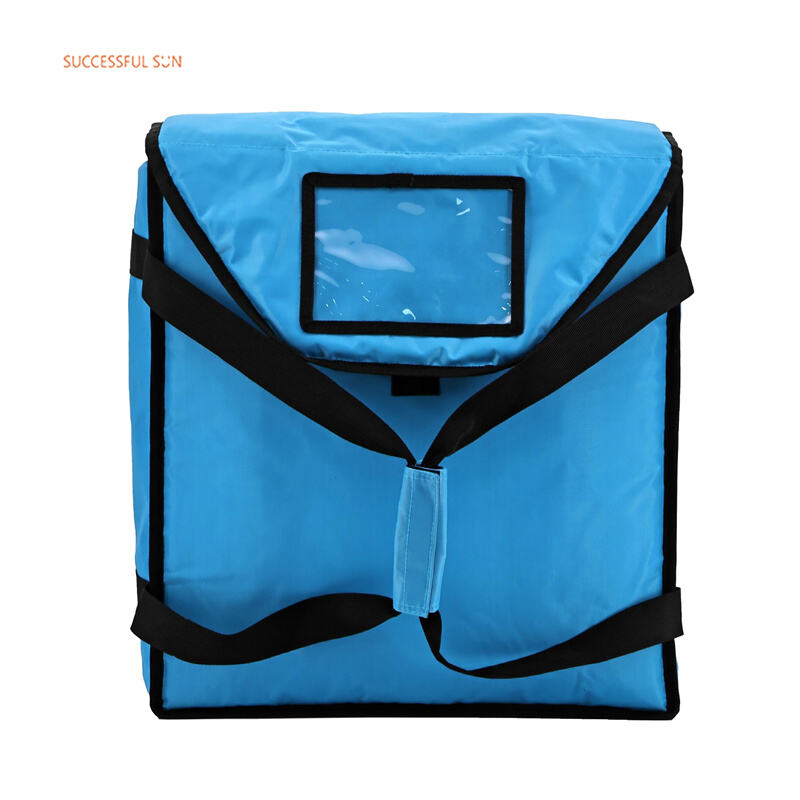
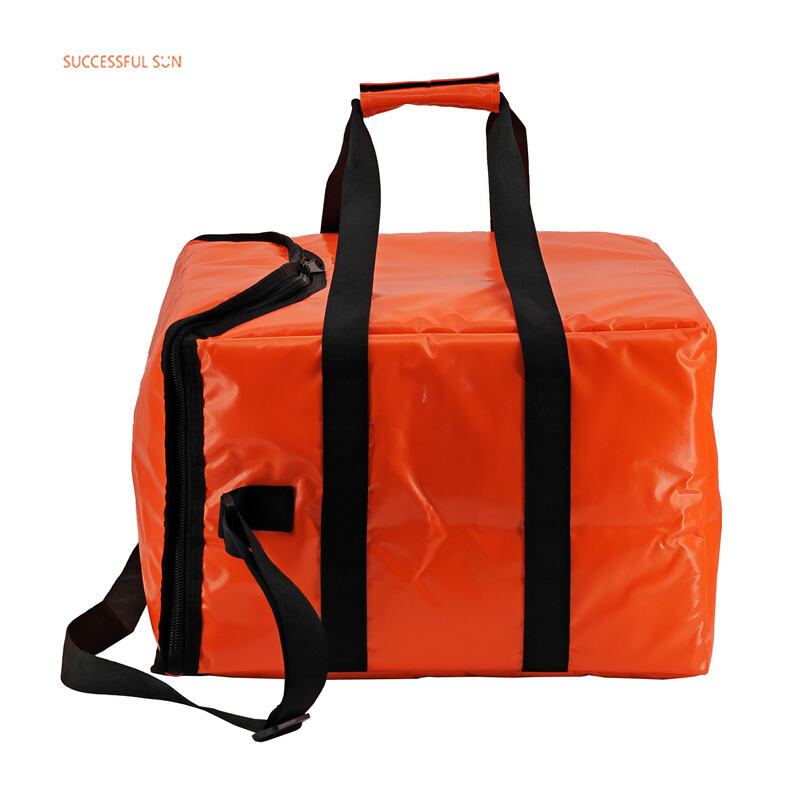
thermal pizza bag
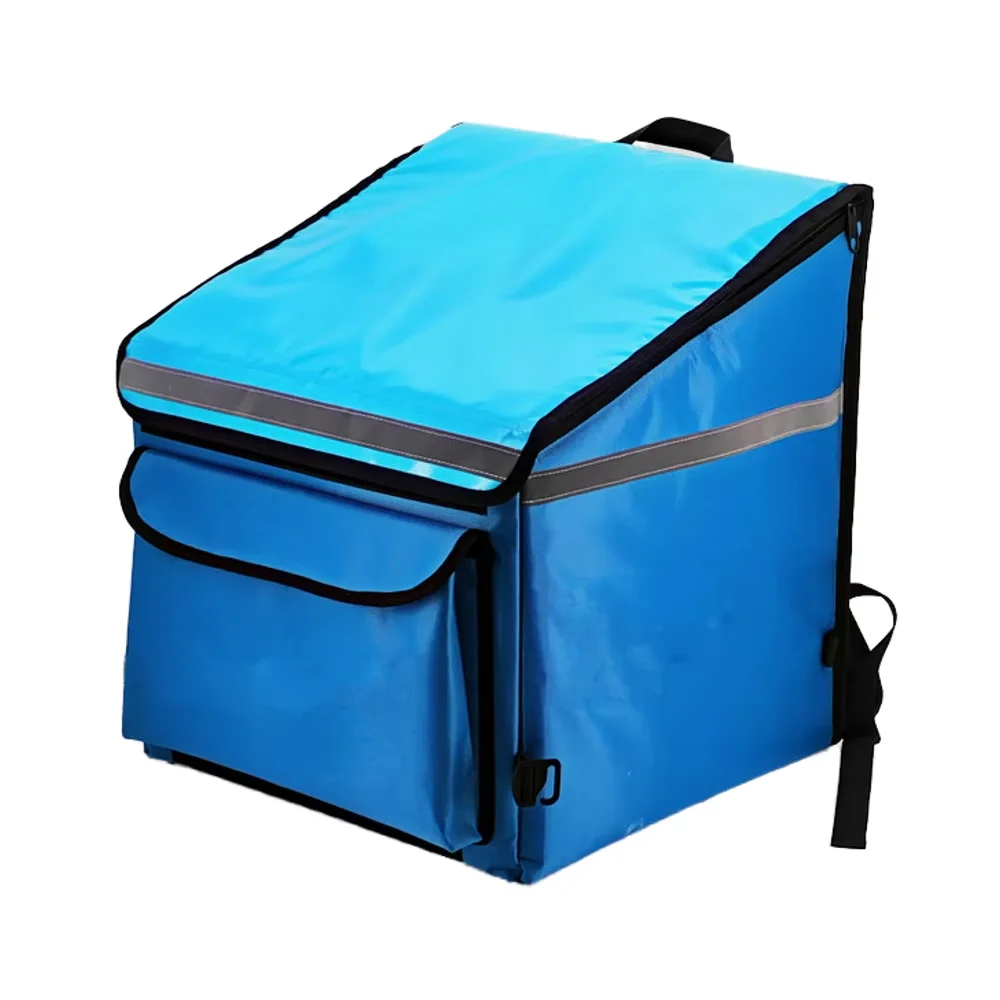
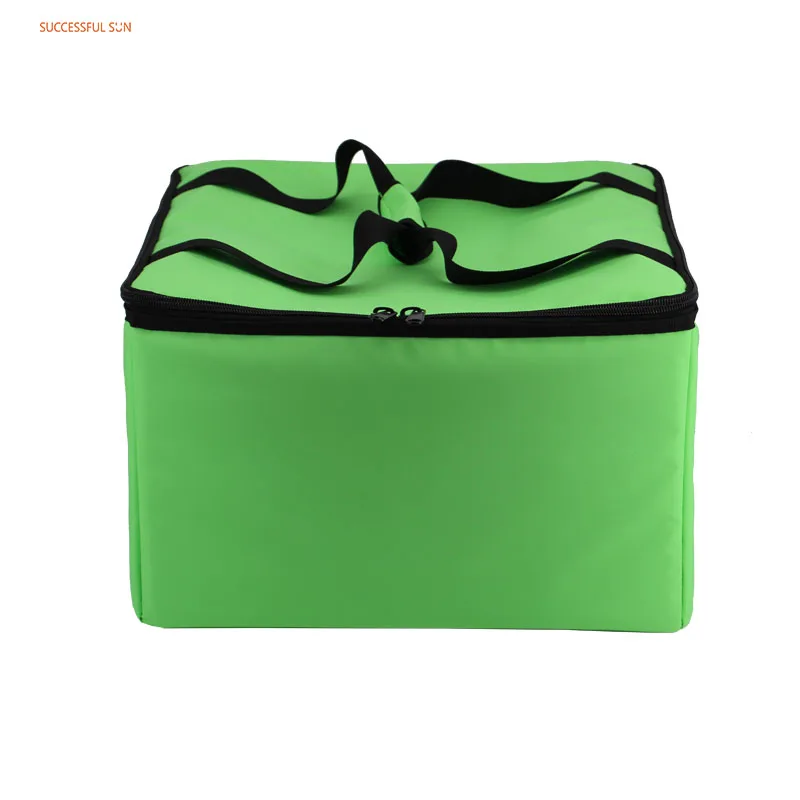
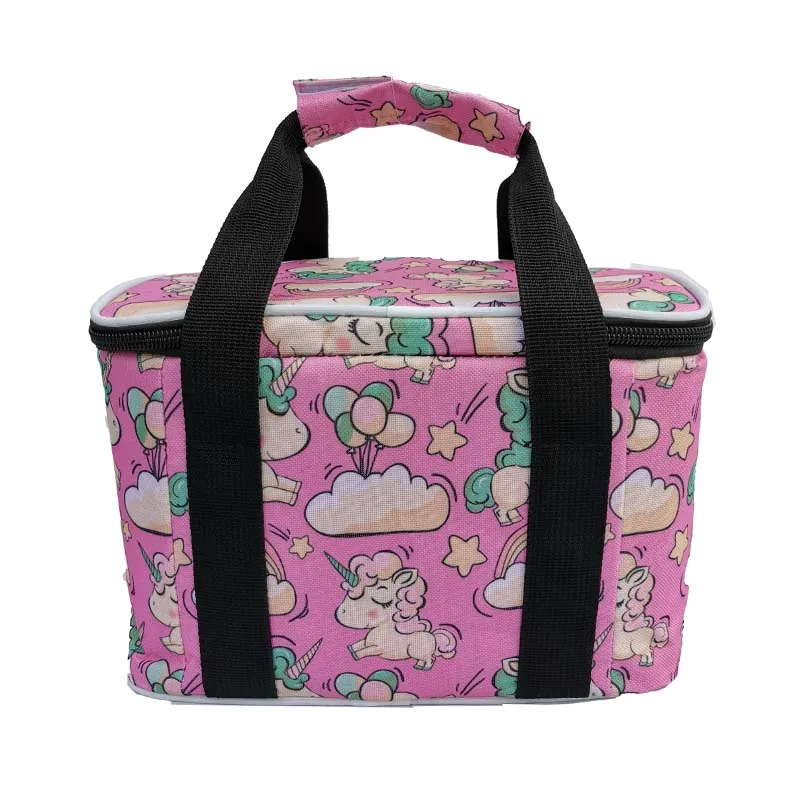
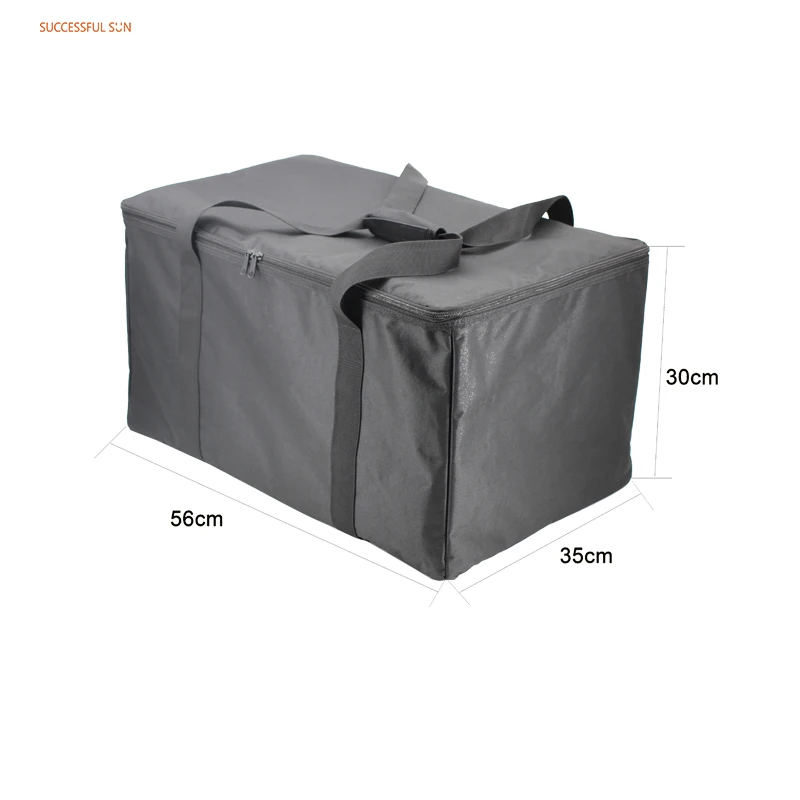
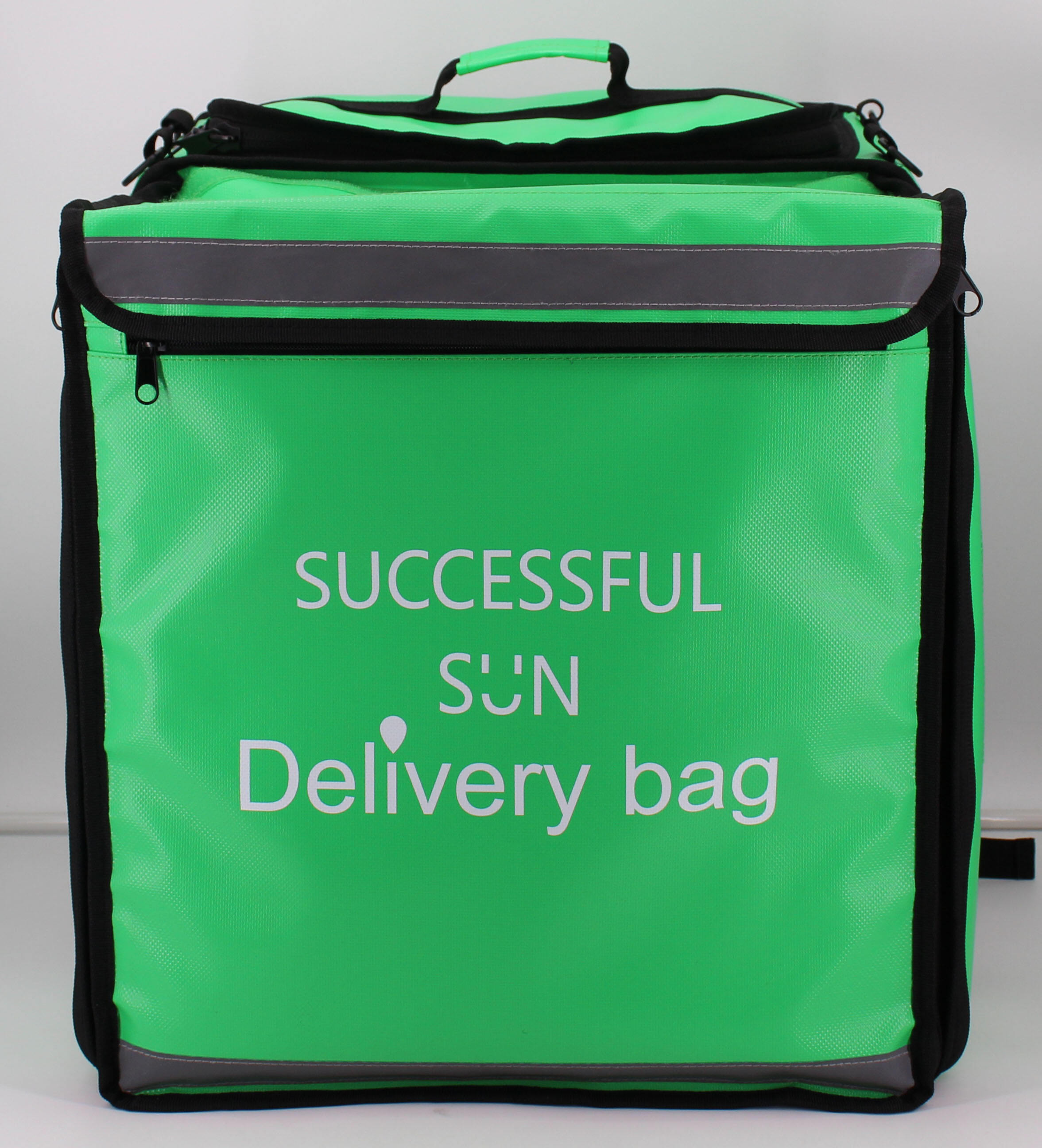
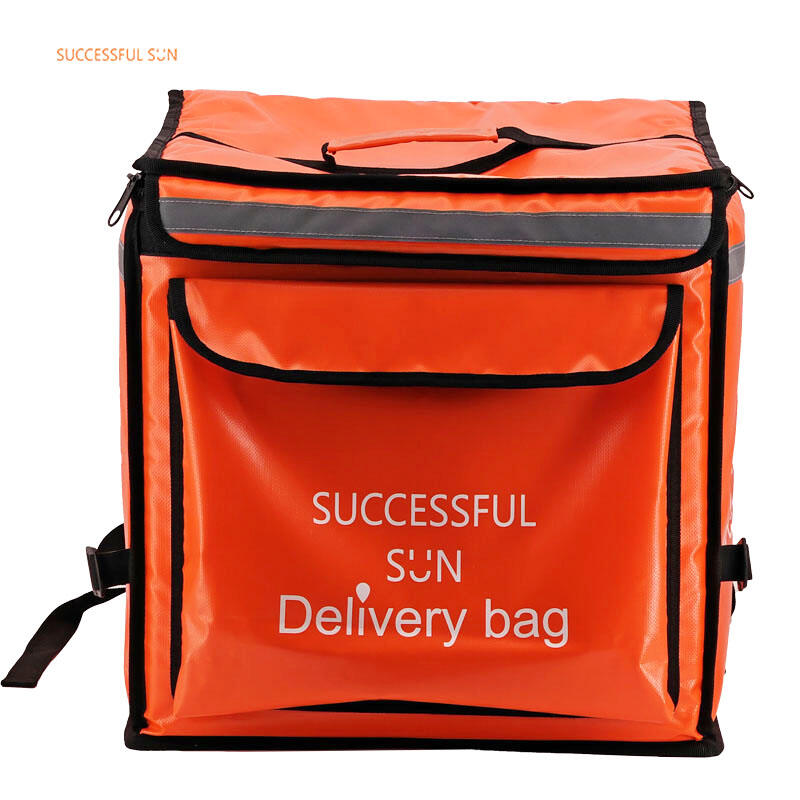
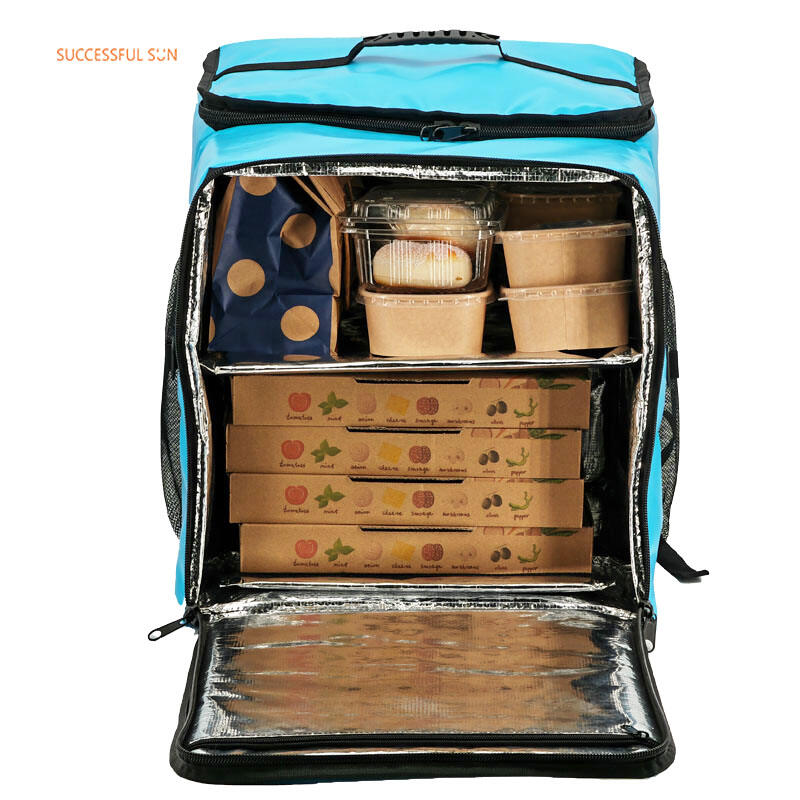
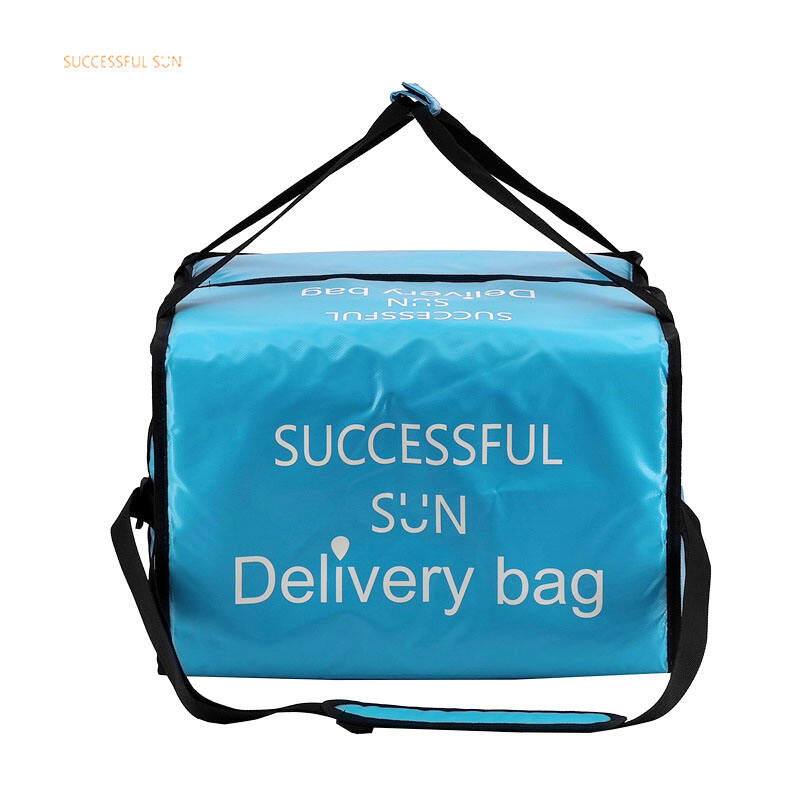
The thermal pizza bag represents an essential innovation in food delivery technology, designed specifically to maintain optimal temperature and quality during transportation. This specialized insulated container serves as a protective barrier against external temperature fluctuations, ensuring that pizzas arrive at their destination in the same hot, fresh condition as when they left the kitchen. The thermal pizza bag utilizes advanced insulation materials and strategic design elements to create an effective thermal barrier that preserves heat while preventing moisture loss. At its core, the thermal pizza bag functions through multiple layers of insulation, typically incorporating materials such as aluminum foil lining, foam padding, and durable outer shells that work together to minimize heat transfer. The interior space is carefully engineered to accommodate standard pizza box dimensions while maximizing thermal efficiency. Many models feature adjustable dividers and secure closure systems that prevent heat escape through gaps or openings. The technological features of modern thermal pizza bags extend beyond basic insulation, incorporating reflective materials that redirect heat back toward the food, moisture-resistant barriers that prevent condensation buildup, and ergonomic handles that facilitate comfortable transportation. Some advanced versions include temperature monitoring systems and battery-powered heating elements for extended delivery routes. The applications for thermal pizza bags span across various sectors of the food service industry, from independent pizzerias to large chain restaurants, catering services, and food delivery platforms. Professional delivery drivers rely on these bags to maintain service quality standards, while restaurant owners use them to ensure customer satisfaction and reduce complaints about cold food. The versatility of thermal pizza bags makes them suitable for transporting other heated food items beyond pizza, including sandwiches, pasta dishes, and baked goods, making them valuable assets for diverse food service operations.

 EN
EN