
 EN
EN


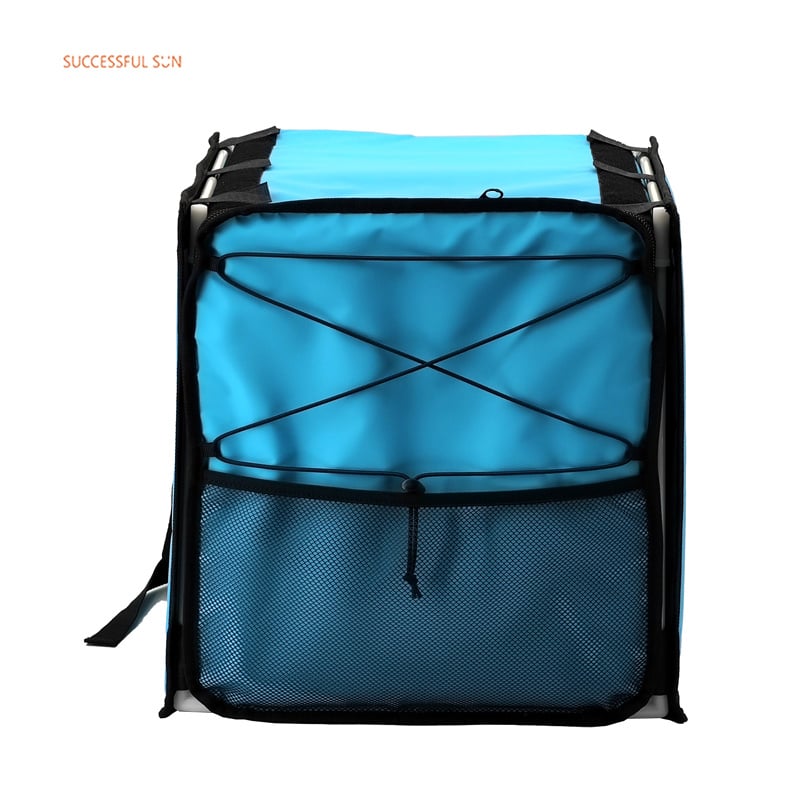
Family outdoor activities have become increasingly popular as more people seek quality time away from digital distractions and busy schedules. A well-designed picnic bag serves as the cornerstone of successful outdoor gatherings, transforming casual outings into memorable experiences. The right picnic bag combines functionality, durability, and convenience to meet the diverse needs of modern families who value both practicality and style in their outdoor gear.
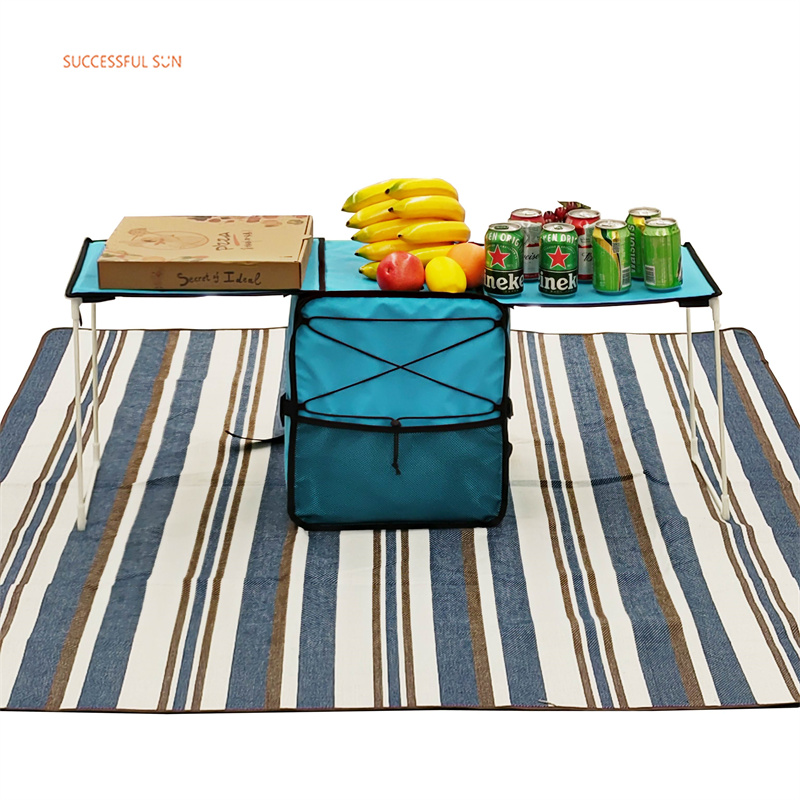
The evolution of outdoor dining has elevated the humble picnic bag from a simple carrying case to a sophisticated system that addresses multiple logistical challenges. Today's families expect their picnic bag to maintain food temperatures, organize utensils efficiently, and withstand various weather conditions while remaining portable and attractive. Understanding these requirements helps families make informed decisions when selecting equipment for their outdoor adventures.
Essential Features That Define Quality Picnic Bags
Insulation Technology and Temperature Control
Modern picnic bag designs prioritize thermal performance through advanced insulation materials that maintain food safety standards during extended outdoor periods. High-density foam insulation combined with reflective interior linings creates effective barriers against temperature fluctuations, ensuring perishable items remain fresh and safe for consumption. This technology becomes particularly crucial during summer months when ambient temperatures can compromise food quality within minutes.
Professional-grade insulation systems found in premium picnic bag models often incorporate multi-layer construction that addresses different thermal challenges. The outer shell provides initial temperature resistance, while inner layers maintain consistent cooling or heating as needed. Families investing in quality insulation technology often discover their picnic bag performs reliably across diverse seasonal conditions, from winter skiing trips to summer beach outings.
Storage Capacity and Organization Systems
Effective compartmentalization within a picnic bag transforms chaotic packing experiences into streamlined preparation routines that save time and reduce stress. Multiple pockets, dividers, and specialized sections allow families to separate different food categories, utensils, and accessories while maintaining easy access during outdoor activities. This organizational approach prevents cross-contamination between items and simplifies cleanup processes.
Strategic storage design considers both volume requirements and weight distribution to ensure comfortable carrying experiences regardless of load capacity. Well-engineered picnic bag models balance spaciousness with portability, incorporating expandable sections that accommodate varying quantities of supplies without compromising structural integrity or user comfort during transport.
Material Construction and Durability Considerations
Weather-Resistant Exterior Materials
Outdoor environments present numerous challenges that demand robust material selection in picnic bag construction, from unexpected precipitation to abrasive surfaces that can damage inferior fabrics. Premium materials such as ripstop nylon, polyester blends, and treated canvas offer superior resistance to tearing, fading, and moisture penetration while maintaining flexibility and visual appeal across extended use periods.
Advanced fabric treatments enhance natural material properties through chemical applications that repel water, resist staining, and prevent UV degradation without significantly increasing weight or reducing breathability. These treatments prove particularly valuable for families who frequently engage in outdoor activities across diverse geographical locations and seasonal conditions where material performance directly impacts overall experience quality.
Reinforcement Points and Stress Distribution
Critical stress points in any picnic bag require reinforcement strategies that prevent premature failure while maintaining aesthetic appeal and functional accessibility. Handle attachment points, zipper terminations, and corner joints experience the highest mechanical stress during normal use and benefit from additional material layers, bartacking, or hardware upgrades that distribute forces across larger surface areas.
Professional manufacturing techniques incorporate stress analysis principles that identify potential failure modes before they occur in real-world applications. This proactive approach results in picnic bag designs that maintain structural integrity through thousands of loading cycles while preserving smooth operation of moving components such as zippers, buckles, and adjustment mechanisms.
Size Variations and Capacity Planning
Family Size Matching and Load Assessment
Determining appropriate picnic bag dimensions requires careful consideration of typical family group sizes, duration of outdoor activities, and types of food items commonly transported during recreational outings. Smaller families may prefer compact models that offer sufficient capacity without excess bulk, while larger groups benefit from expandable designs that accommodate varying supply requirements across different occasions.
Capacity planning extends beyond simple volume measurements to include weight distribution, carrying comfort, and accessibility considerations that affect user experience during transport and setup phases. Experienced outdoor enthusiasts often recommend selecting picnic bag sizes that provide twenty percent additional capacity beyond typical requirements, allowing flexibility for special occasions or unexpected guest additions.
Expandable Designs and Modular Systems
Innovative picnic bag designs incorporate expandable features that adapt to changing capacity requirements without requiring multiple bag purchases or complex packing strategies. Zippered expansion panels, detachable compartments, and modular attachment systems provide scalability that grows with family needs while maintaining organizational efficiency and transport convenience.
Modular approaches allow families to customize their picnic bag configuration based on specific activity requirements, seasonal preferences, or group dynamics. This flexibility proves particularly valuable for households that engage in diverse outdoor activities requiring different equipment combinations, from simple park lunches to elaborate camping expeditions that demand comprehensive supply organization.
Comfort and Portability Features
Carrying System Design and Ergonomics
Extended carrying periods demand ergonomic design principles that distribute weight evenly across the human body while providing comfortable grip surfaces that reduce hand fatigue and improve control during transport. Advanced carrying systems incorporate padded straps, load-balancing hardware, and anatomically-shaped contact points that adapt to different user physiques and carrying preferences.
Multiple carrying options within a single picnic bag design accommodate various transport scenarios, from short walks across park grounds to extended hikes along nature trails. Convertible systems that transition between backpack, shoulder bag, and hand-carry configurations provide versatility that matches diverse outdoor activity requirements while maintaining user comfort across different terrains and distances.
Weight Distribution and Balance Optimization
Proper weight distribution within a picnic bag significantly impacts carrying comfort and prevents strain-related injuries that can diminish outdoor activity enjoyment. Strategic compartment placement positions heavier items closer to the user's center of gravity while maintaining accessibility for frequently used supplies during outdoor dining experiences.
Balance optimization techniques involve both initial packing strategies and ongoing weight management throughout activity periods as supplies are consumed and waste materials accumulate. Well-designed picnic bag systems accommodate these dynamic weight changes through adjustable straps, repositionable compartments, and compression features that maintain stability regardless of load variations.
Special Features and Modern Innovations
Technology Integration and Convenience Additions
Contemporary picnic bag designs increasingly incorporate technology-friendly features that accommodate modern family needs for device charging, entertainment systems, and communication capabilities during outdoor activities. USB charging ports, cable management systems, and protected electronics compartments enable families to maintain connectivity while enjoying natural environments.
Convenience additions such as built-in bottle openers, removable cutting boards, and integrated waste collection systems streamline outdoor dining experiences by reducing the number of separate accessories required for successful picnic bag deployment. These thoughtful details demonstrate manufacturer understanding of real-world usage patterns and common pain points experienced by outdoor enthusiasts.
Customization Options and Personal Expression
Personalization capabilities allow families to create unique picnic bag configurations that reflect individual preferences, group identities, and aesthetic sensibilities while maintaining functional performance standards. Customizable color combinations, removable patches, and modular component selections enable users to adapt their equipment to match specific occasions or personal style preferences.
Professional customization services extend beyond simple aesthetic modifications to include functional adaptations such as specialized compartments for dietary restrictions, accessibility modifications for users with physical limitations, and climate-specific material selections that optimize performance for particular geographical regions or seasonal usage patterns.
Maintenance and Care Requirements
Cleaning Protocols and Material Preservation
Proper maintenance extends picnic bag service life while preserving hygiene standards essential for food safety during outdoor dining activities. Regular cleaning protocols must address both visible contamination and microbial concerns without damaging material integrity or compromising water-resistant treatments that protect contents from environmental moisture.
Different materials within a single picnic bag may require specialized care approaches that balance thorough sanitization with material preservation concerns. Understanding manufacturer recommendations for cleaning agents, drying procedures, and storage conditions helps families maintain their investment while ensuring continued performance reliability across extended use periods.
Storage and Seasonal Preparation
Long-term storage procedures significantly impact picnic bag condition during periods of inactivity, particularly in regions with extreme seasonal variations that can stress materials through temperature cycling, humidity fluctuations, and extended compression. Proper preparation involves thorough cleaning, complete drying, and strategic positioning that prevents permanent deformation or material degradation.
Seasonal preparation routines ensure picnic bag readiness when outdoor activity seasons begin, reducing preparation time and preventing disappointment from equipment failures during anticipated outings. These routines typically include inspection procedures that identify potential issues before they compromise performance, allowing for timely repairs or replacements that maintain family outdoor activity schedules.
Safety Considerations and Food Security
Food Safety Standards and Temperature Monitoring
Maintaining proper food temperatures during transport and storage represents a critical safety responsibility that picnic bag design must address through reliable insulation performance and user-friendly monitoring capabilities. Temperature danger zones between forty and one hundred forty degrees Fahrenheit pose significant health risks that quality picnic bag systems help families avoid through consistent thermal performance.
Advanced picnic bag models may incorporate temperature monitoring systems that provide real-time feedback regarding internal conditions, enabling users to make informed decisions about food safety throughout outdoor activity periods. These systems prove particularly valuable during extended outings where ambient temperatures may compromise food quality despite initial proper preparation and packing procedures.
Security Features and Theft Prevention
Public outdoor spaces present security challenges that thoughtful picnic bag design addresses through discrete locking mechanisms, anti-theft attachment systems, and visual deterrent features that discourage opportunistic theft while maintaining user convenience and accessibility. These features become particularly important in crowded recreational areas where valuable contents may attract unwanted attention.
Security considerations extend beyond theft prevention to include accidental loss prevention through bright color schemes, reflective elements, and identification systems that help locate misplaced equipment in complex outdoor environments. Comprehensive security approaches recognize that equipment loss can significantly impact outdoor activity enjoyment regardless of the underlying cause.
FAQ
How do I determine the right size picnic bag for my family needs
Select a picnic bag size based on your typical group size plus twenty percent additional capacity for flexibility. Consider both the number of people you usually serve and the duration of your outdoor activities. Families of four typically require bags with 25-30 liter capacity for day trips, while larger groups or extended outings may need 40-50 liter models. Account for special dietary needs, beverage requirements, and entertainment supplies when calculating capacity needs.
What maintenance is required to keep a picnic bag in good condition
Regular cleaning after each use prevents odor buildup and maintains hygiene standards essential for food safety. Use mild soap and warm water for most materials, avoiding harsh chemicals that can damage water-resistant coatings. Allow complete air drying before storage to prevent mold and mildew growth. Inspect zippers, handles, and seams periodically for wear signs, addressing minor issues before they become major problems that compromise functionality.
Can insulated picnic bags keep food cold enough for all-day events
High-quality insulated picnic bags can maintain safe food temperatures for 6-8 hours when properly pre-chilled and packed with adequate ice packs or frozen water bottles. Performance depends on initial food temperatures, ambient conditions, and frequency of opening. For all-day events, start with frozen or well-chilled items, use multiple ice sources, and minimize opening frequency to maximize temperature retention throughout your outdoor activities.
What features should I prioritize when choosing a picnic bag for frequent use
Prioritize durable construction materials, comfortable carrying systems, and reliable insulation performance for frequent use applications. Look for reinforced stress points, quality zippers, and easy-clean interior surfaces that withstand regular use without deterioration. Multiple carrying options, organized storage compartments, and weather-resistant exteriors enhance versatility and user experience across diverse outdoor conditions and activity types that frequent users typically encounter.