
 EN
EN


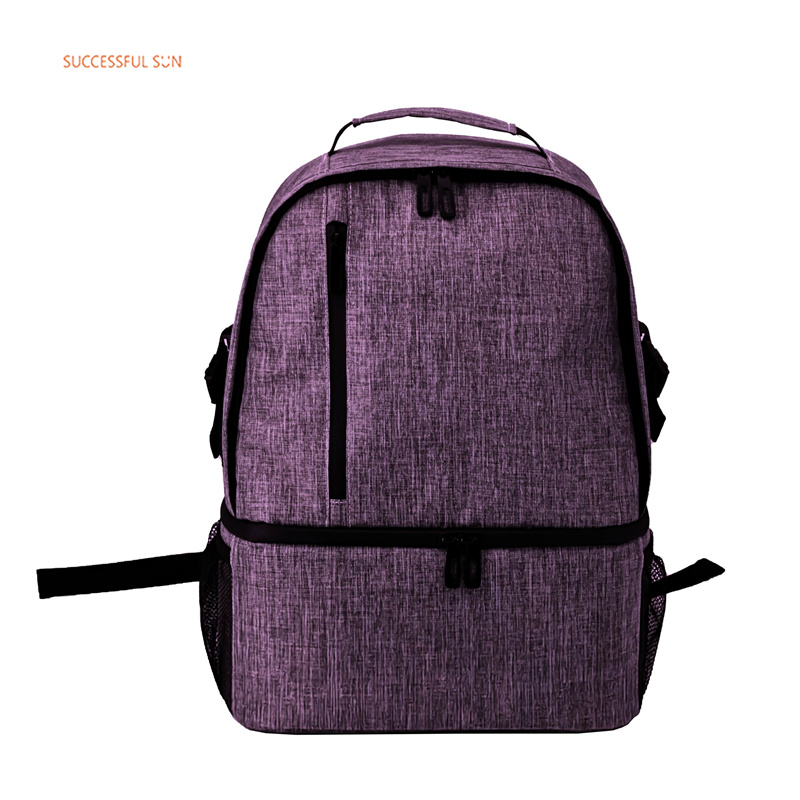
Outdoor dining experiences have evolved significantly over the past decade, with families and groups seeking more sophisticated ways to enjoy meals in natural settings. A well-designed picnic cooler bag serves as the cornerstone of successful outdoor dining, transforming casual gatherings into memorable culinary adventures. These specialized containers maintain optimal temperatures for both hot and cold items, ensuring food safety while preserving the quality and taste of carefully prepared meals throughout extended outdoor activities.
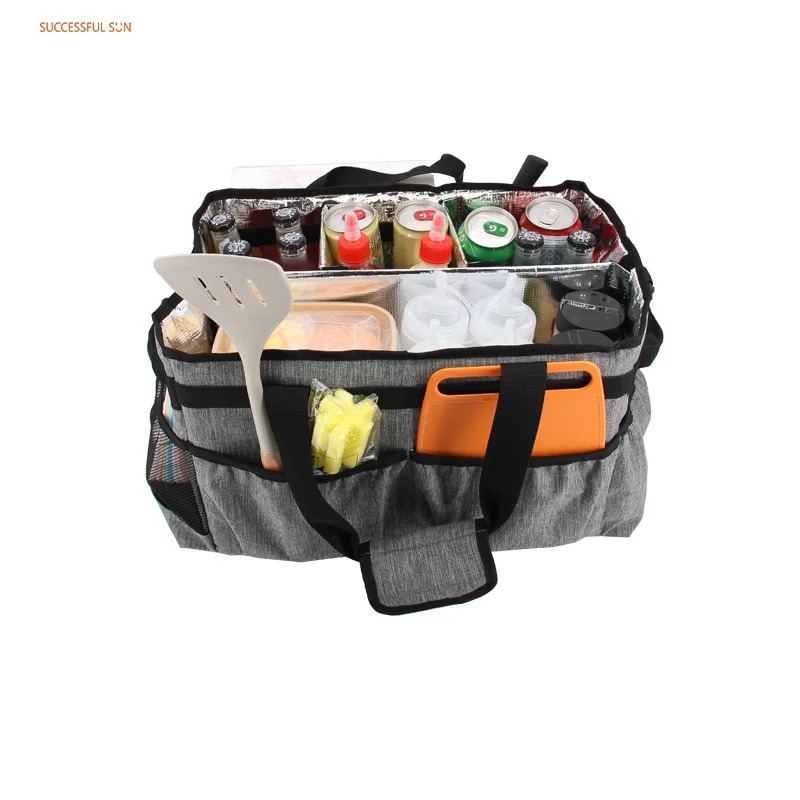
Modern picnic enthusiasts recognize that temperature control directly impacts both food safety and dining satisfaction. Professional-grade insulation technology has revolutionized how families approach outdoor meal planning, allowing for more diverse menu options and longer excursions. The integration of advanced materials and thoughtful design features creates opportunities for enhanced social experiences while maintaining the practical requirements of food preservation and transportation.
Essential Features That Define Quality Outdoor Dining Solutions
Advanced Insulation Technology and Material Construction
Premium insulation materials form the foundation of effective temperature management in outdoor dining scenarios. High-density foam cores combined with reflective barrier layers create multi-zone protection that maintains consistent internal temperatures regardless of external weather conditions. These engineering advances allow a picnic cooler bag to preserve ice for extended periods while simultaneously keeping hot items at safe serving temperatures through separate compartmentalization.
Modern manufacturing techniques incorporate closed-cell foam technology that prevents moisture infiltration and maintains structural integrity under varying load conditions. The outer shell materials typically feature water-resistant or waterproof coatings that protect contents from unexpected weather changes. These technical specifications ensure reliable performance during multi-day camping trips, beach excursions, or extended outdoor events where food safety cannot be compromised.
Capacity Planning and Storage Optimization
Effective capacity planning requires understanding the relationship between group size, meal complexity, and duration of outdoor activities. A properly sized picnic cooler bag accommodates not only food items but also necessary accessories such as utensils, plates, napkins, and beverages. Strategic compartmentalization allows for organized storage that prevents cross-contamination while maximizing available space through efficient packing techniques.
Professional outdoor dining solutions incorporate modular storage systems that adapt to varying menu requirements and group dynamics. Removable dividers and adjustable shelving create customizable configurations that optimize space utilization while maintaining proper food separation. These design elements ensure that delicate items remain protected while heavy containers are securely positioned to prevent shifting during transportation.
Transportation Convenience and Mobility Solutions
Ergonomic Design Considerations for Extended Use
Ergonomic engineering plays a crucial role in determining user satisfaction and practical functionality during outdoor excursions. Padded shoulder straps, reinforced handles, and balanced weight distribution systems reduce physical strain while carrying loaded containers across varying terrain. A well-designed picnic cooler bag incorporates these comfort features without compromising structural integrity or storage capacity.
Advanced carrying systems often include wheeled options for heavy loads, convertible backpack configurations for hiking scenarios, and quick-release mechanisms for rapid setup and breakdown. These mobility solutions extend the practical range of outdoor dining activities, enabling groups to access remote locations that were previously impractical for organized meal service. The integration of durable wheels and retractable handles transforms cumbersome transportation tasks into manageable logistics operations.
Durability Standards for Outdoor Environment Challenges
Outdoor environments present unique challenges that require robust construction standards and materials selection. UV-resistant fabrics prevent degradation from prolonged sun exposure, while reinforced seams withstand the stress of repeated loading and unloading cycles. A quality picnic cooler bag demonstrates resilience against abrasion, punctures, and weather-related wear that commonly occurs during outdoor activities.
Professional-grade zippers and hardware components ensure reliable performance under adverse conditions such as sand, salt air, and temperature fluctuations. Stainless steel or corrosion-resistant metal components maintain functionality over extended service life, while replaceable parts allow for maintenance and repair rather than complete replacement. These durability standards justify the investment in premium outdoor dining equipment that serves families and organizations for many seasons of regular use.
Food Safety and Temperature Management Excellence
Scientific Principles of Thermal Preservation
Understanding thermal dynamics enables optimal utilization of cooling technology in outdoor dining applications. Heat transfer occurs through conduction, convection, and radiation, requiring comprehensive barrier systems that address each pathway. A properly engineered picnic cooler bag incorporates multiple insulation layers, air gaps, and reflective surfaces to minimize unwanted temperature exchange while maintaining internal climate control.
Pre-cooling techniques and strategic ice placement maximize the effectiveness of thermal preservation systems. Frozen gel packs, dry ice applications, and layered ice distribution create sustained cooling zones that extend safe food storage duration. These scientific approaches ensure that perishable items remain within safe temperature ranges throughout extended outdoor events, preventing foodborne illness while preserving flavor and texture quality.
Practical Applications in Various Outdoor Settings
Different outdoor environments require adapted approaches to food safety and temperature management. Beach settings demand protection from sand infiltration and salt air corrosion, while mountain locations require consideration of altitude effects on container pressure and temperature fluctuation. A versatile picnic cooler bag adapts to these varying conditions through adjustable ventilation systems and environment-specific accessories.
Urban park settings present different challenges related to duration of exposure and accessibility to supplemental cooling resources. Corporate outdoor events and large group gatherings require scaling considerations that maintain food safety standards across extended service periods. Professional catering applications demand reliable performance metrics that ensure consistent results regardless of external variables or operational complexity.
Cost-Effectiveness and Long-Term Value Assessment
Investment Analysis for Regular Outdoor Dining
Economic evaluation of outdoor dining equipment requires analysis of both initial investment costs and long-term operational savings. A quality picnic cooler bag reduces food waste through improved preservation, eliminates the need for frequent restaurant visits during outdoor activities, and enables bulk purchasing strategies that lower per-meal costs. These financial benefits accumulate over time, justifying premium equipment purchases through documented savings.
Professional organizations and frequent outdoor enthusiasts benefit from economies of scale when investing in durable equipment that serves multiple functions across various activities. Rental costs for inferior equipment often exceed the purchase price of quality solutions within a single season of regular use. The mathematical analysis consistently demonstrates positive return on investment for families and groups that prioritize outdoor dining experiences.
Maintenance Requirements and Service Life Expectations
Proper maintenance protocols extend service life while maintaining optimal performance standards throughout years of regular use. Simple cleaning procedures, proper storage techniques, and periodic inspection routines prevent premature degradation and identify potential issues before they impact functionality. A well-maintained picnic cooler bag typically provides reliable service for five to ten years under normal usage conditions.
Replacement part availability and manufacturer warranty coverage influence long-term value calculations and user satisfaction. Premium manufacturers provide comprehensive support services that include repair guidance, component replacement, and performance optimization recommendations. These service elements ensure that initial equipment investments continue generating value throughout extended operational periods.
Environmental Impact and Sustainability Considerations
Material Selection and Manufacturing Processes
Contemporary environmental awareness influences material selection and manufacturing processes in outdoor equipment production. Recycled content, biodegradable components, and reduced packaging initiatives demonstrate manufacturer commitment to environmental responsibility. A sustainably produced picnic cooler bag incorporates these principles without compromising performance or durability standards.
Energy-efficient manufacturing processes and local sourcing strategies reduce carbon footprint while supporting regional economies. Third-party certifications and environmental impact assessments provide transparency regarding sustainability claims and manufacturing practices. These considerations increasingly influence purchasing decisions as consumers prioritize environmental responsibility alongside functional requirements.
Waste Reduction Through Reusable Solutions
Reusable outdoor dining equipment significantly reduces single-use packaging waste and disposable container consumption. A durable picnic cooler bag eliminates hundreds of disposable bags, containers, and ice packs over its service life, contributing to waste stream reduction and environmental protection. This waste reduction benefit compounds over time, creating substantial positive environmental impact through individual consumer choices.
Educational initiatives and community programs promote reusable equipment adoption while demonstrating practical benefits of sustainable outdoor recreation practices. Corporate sustainability programs often include outdoor dining equipment upgrades as measurable environmental impact improvements. These collective efforts contribute to broader environmental protection goals while enhancing outdoor recreational experiences.
FAQ
How long can a picnic cooler bag keep food cold during summer outdoor events
A high-quality picnic cooler bag can maintain safe temperatures for 12-24 hours in summer conditions when properly pre-cooled and packed with adequate ice or cooling packs. Performance depends on external temperature, frequency of opening, and initial food temperature. Premium models with advanced insulation may extend this duration to 48 hours under optimal conditions.
What size picnic cooler bag is appropriate for a family of four on a day-long outing
A 30-50 liter capacity picnic cooler bag typically accommodates a family of four for day-long outings, providing sufficient space for meals, snacks, beverages, and ice. This size allows for proper food separation, adequate cooling material, and essential accessories while remaining manageable for transportation across moderate distances.
Can a picnic cooler bag be used for hot food items as well as cold foods
Many modern picnic cooler bags feature dual-zone capabilities that simultaneously maintain hot and cold temperatures in separate compartments. These models use specialized insulation barriers and compartmentalization to prevent temperature transfer between zones. Pre-heating with warm towels or heating pads optimizes hot food retention for several hours.
What maintenance is required to ensure optimal performance over multiple seasons
Regular maintenance includes thorough cleaning after each use with mild soap and water, complete air drying before storage, and periodic inspection of zippers, seams, and insulation integrity. Proper storage in dry, cool locations prevents mold growth and material degradation. Annual deep cleaning and hardware lubrication ensure continued reliable operation throughout extended service life.
Table of Contents
- Essential Features That Define Quality Outdoor Dining Solutions
- Transportation Convenience and Mobility Solutions
- Food Safety and Temperature Management Excellence
- Cost-Effectiveness and Long-Term Value Assessment
- Environmental Impact and Sustainability Considerations
-
FAQ
- How long can a picnic cooler bag keep food cold during summer outdoor events
- What size picnic cooler bag is appropriate for a family of four on a day-long outing
- Can a picnic cooler bag be used for hot food items as well as cold foods
- What maintenance is required to ensure optimal performance over multiple seasons