
 EN
EN



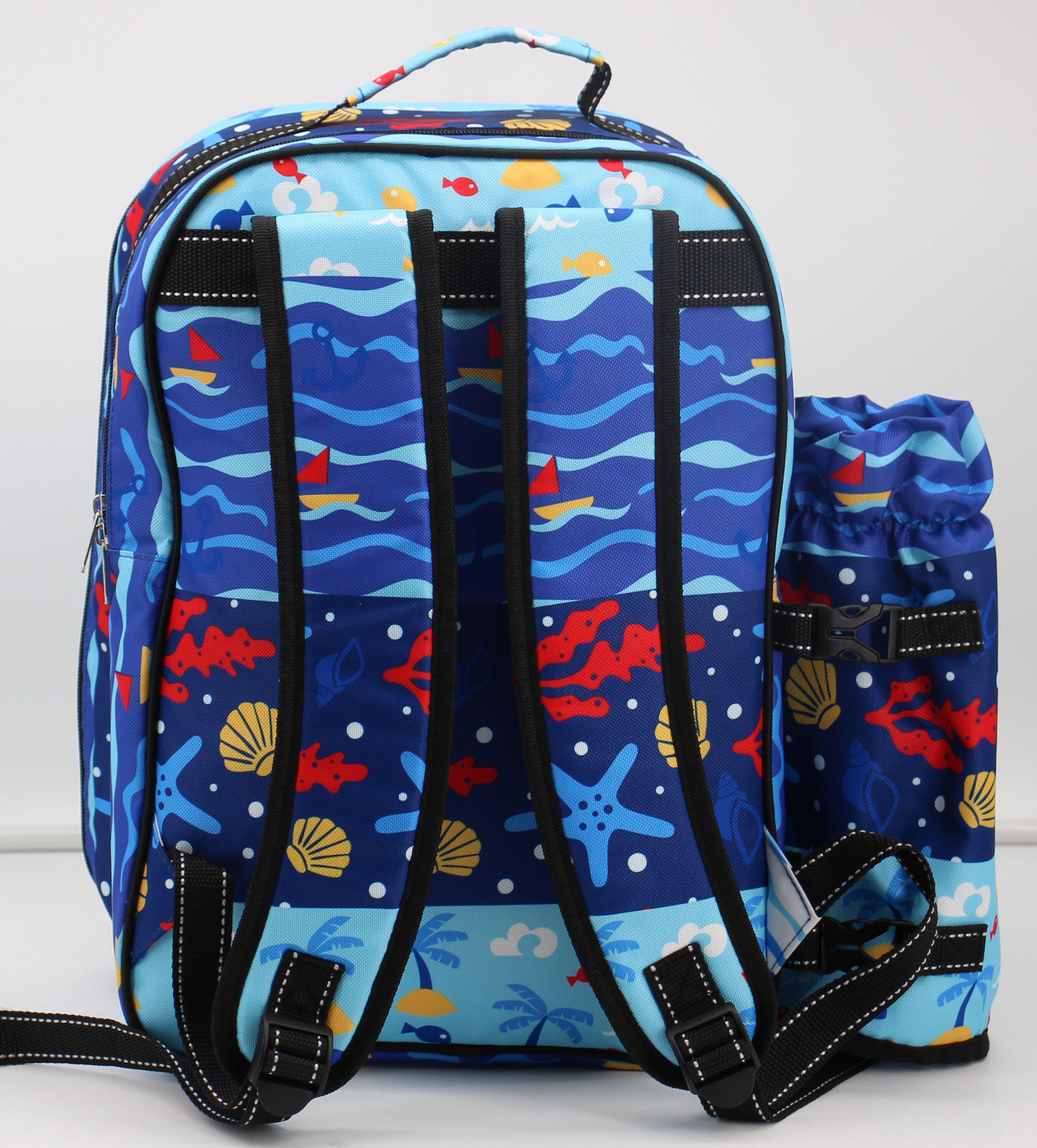
Maintaining food freshness during outdoor adventures has become increasingly important as more families embrace picnicking and outdoor dining experiences. A quality picnic cooler bag serves as an essential barrier between your carefully prepared meals and external temperature fluctuations that can compromise food safety and taste. Understanding the science behind thermal insulation helps consumers make informed decisions when selecting cooling solutions for their outdoor activities.
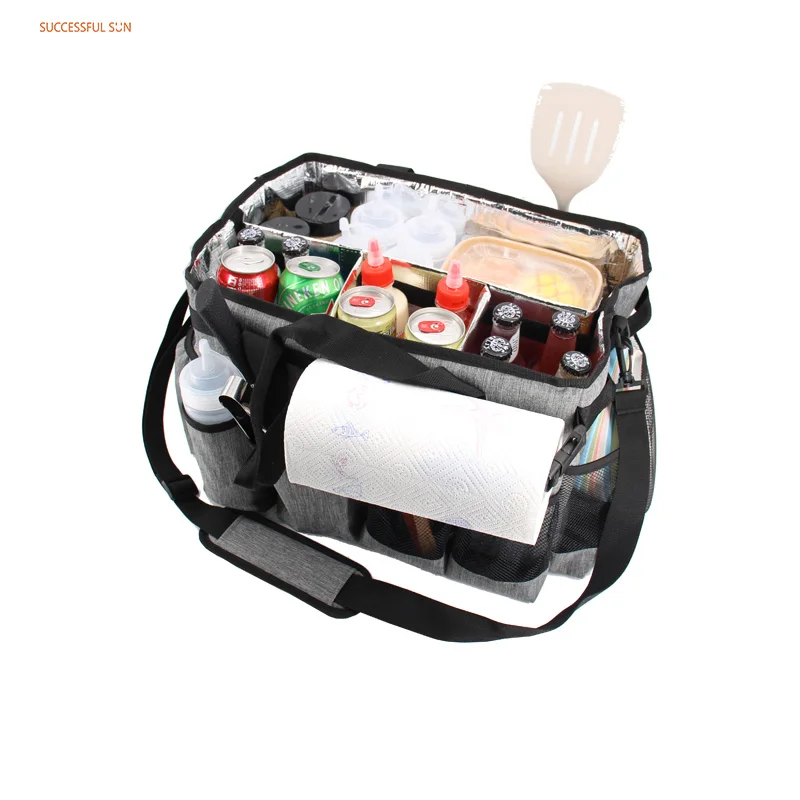
Modern insulation technology has revolutionized how we transport temperature-sensitive foods, making it possible to enjoy fresh meals hours after preparation. The effectiveness of a picnic cooler bag depends on multiple factors working together to create an optimal preservation environment. These sophisticated cooling systems utilize advanced materials and design principles to maintain consistent internal temperatures regardless of external weather conditions.
Understanding Thermal Insulation Principles
Heat Transfer Prevention Mechanisms
Effective temperature control in a picnic cooler bag relies on blocking three primary heat transfer methods: conduction, convection, and radiation. Conduction occurs when heat moves through direct contact between surfaces, which quality cooler bags prevent using multiple insulation layers. Convection involves heat transfer through air movement, addressed by creating sealed compartments that eliminate air circulation paths.
Radiation heat transfer happens when thermal energy moves through electromagnetic waves, requiring specialized reflective materials to redirect heat away from food storage areas. Premium picnic cooler bag designs incorporate metallic linings or reflective surfaces that bounce radiant heat back toward its source. These materials work continuously to maintain stable internal temperatures even when exposed to direct sunlight for extended periods.
Multi-Layer Insulation Systems
Contemporary cooling bags employ sophisticated multi-layer construction that creates thermal barriers at different levels. The outer shell typically features weather-resistant materials that protect against moisture and provide structural durability. Between the exterior and interior surfaces, manufacturers install specialized foam insulation or advanced synthetic materials designed for maximum thermal resistance.
Interior linings often incorporate food-grade materials with antimicrobial properties that prevent bacterial growth while maintaining easy cleaning capabilities. These inner surfaces frequently include reflective elements that enhance overall insulation performance. The combination of multiple protective layers creates a comprehensive thermal management system that significantly extends food preservation times compared to basic storage containers.
Advanced Materials and Construction Techniques
High-Performance Insulation Materials
Modern picnic cooler bag manufacturing utilizes cutting-edge materials specifically engineered for thermal management applications. Closed-cell foam insulation provides excellent thermal resistance while maintaining lightweight construction that enhances portability. These materials resist compression over time, ensuring consistent insulation performance throughout the product's lifespan.
Aerogel insulation represents the pinnacle of thermal management technology, offering exceptional heat resistance in extremely thin profiles. While more expensive than traditional materials, aerogel-enhanced cooling bags provide superior performance for users requiring maximum temperature control. Vacuum-sealed insulation panels create additional thermal barriers by eliminating air spaces that could facilitate heat transfer.
Zipper and Closure Systems
Effective sealing mechanisms play crucial roles in maintaining consistent internal temperatures within any high-quality picnic cooler bag. Heavy-duty zippers with gasket seals prevent warm air infiltration while keeping cooled air trapped inside the storage compartment. These closures must withstand repeated opening and closing while maintaining their sealing integrity over extended use periods.
Some premium models incorporate dual-zipper systems that create redundant sealing pathways, further enhancing thermal isolation capabilities. Magnetic closures and compression straps provide additional sealing pressure that eliminates potential air gaps. These sophisticated closure systems work together with insulation materials to create comprehensive temperature management solutions.
Food Safety and Temperature Management
Critical Temperature Zones
Maintaining foods within safe temperature ranges requires understanding critical thermal thresholds that prevent bacterial growth and preserve nutritional quality. The danger zone between 40°F and 140°F allows harmful microorganisms to multiply rapidly, making effective cooling essential for food safety. A properly functioning picnic cooler bag maintains internal temperatures well below these dangerous levels for extended periods.
Different food categories require specific temperature management strategies to preserve quality and safety. Dairy products and prepared foods demand consistent refrigeration temperatures, while frozen items need sub-zero storage conditions. Understanding these requirements helps users optimize their cooling bag performance through proper pre-chilling and strategic packing techniques.
Pre-Cooling Strategies
Maximizing cooling bag effectiveness begins with proper preparation before loading food items. Pre-chilling the interior compartment using ice packs or frozen gel packs creates an optimal starting temperature that extends overall cooling duration. This preparation step significantly impacts how long a picnic cooler bag can maintain safe food storage temperatures.
Strategic ice pack placement throughout the storage compartment ensures even temperature distribution and prevents hot spots that could compromise food safety. Layering frozen elements between food items creates multiple cooling zones that work together to maintain consistent temperatures. Proper preparation can extend effective cooling times from hours to full days, depending on external conditions and bag quality.
Optimal Packing Techniques and Organization
Strategic Food Placement Methods
Effective organization within a picnic cooler bag dramatically impacts temperature maintenance and food preservation duration. Dense, cold items should occupy bottom positions where they can act as thermal anchors that stabilize overall internal temperatures. Lighter, more temperature-sensitive foods benefit from placement in upper areas where they experience less temperature fluctuation.
Creating separate zones for different food categories prevents cross-contamination while optimizing cooling efficiency. Raw proteins require isolation from prepared foods and fresh produce to maintain food safety standards. Beverages can serve dual purposes by providing additional thermal mass while occupying spaces that might otherwise allow air circulation.
Maximizing Cooling Efficiency
Achieving optimal performance from any picnic cooler bag requires minimizing air space that could facilitate heat transfer and temperature fluctuations. Filling empty spaces with additional ice packs or frozen water bottles creates thermal mass that helps maintain stable temperatures. Avoiding frequent opening reduces warm air infiltration that forces cooling systems to work harder.
Maintaining consistent packing density ensures even cooling distribution throughout the storage compartment. Loose packing allows air circulation that can create temperature variations, while overpacking restricts airflow needed for even cooling. Finding the optimal balance requires understanding how different foods and cooling elements interact within the confined space.
Maintenance and Longevity Considerations
Proper Cleaning and Storage
Regular maintenance ensures continued effectiveness and extends the operational lifespan of any picnic cooler bag investment. Thorough cleaning after each use prevents bacterial growth and eliminates odors that could affect future food storage quality. Mild detergents and warm water effectively remove food residues without damaging insulation materials or interior linings.
Complete drying before storage prevents mold and mildew development that could compromise both hygiene and insulation performance. Air-drying in well-ventilated areas allows moisture elimination from hard-to-reach crevices and seams. Proper storage in cool, dry environments protects materials from degradation and maintains optimal functionality over time.
Performance Monitoring and Replacement
Monitoring cooling performance helps users identify when their picnic cooler bag requires maintenance or replacement. Decreased cooling duration or uneven temperature distribution indicates potential insulation damage or seal deterioration. Regular performance assessments ensure continued food safety and optimal user experience during outdoor activities.
Quality cooling bags typically provide years of reliable service when properly maintained and used within design parameters. However, heavy use, extreme temperatures, and physical damage can accelerate wear and reduce effectiveness. Recognizing performance decline signs allows timely replacement before food safety becomes compromised during outdoor adventures.
FAQ
How long can a picnic cooler bag keep food cold
A quality picnic cooler bag can maintain safe food temperatures for 4-24 hours depending on external conditions, bag quality, and proper packing techniques. Premium models with advanced insulation can extend this duration significantly when used with adequate ice packs and proper pre-cooling preparation. Factors like ambient temperature, sun exposure, and opening frequency directly impact cooling duration.
What size picnic cooler bag do I need for my family
Family size, meal complexity, and trip duration determine optimal picnic cooler bag capacity requirements. Small families typically need 15-20 liter capacity, while larger groups require 30-50 liters or multiple bags for adequate food storage. Consider additional space for ice packs and beverages when calculating total capacity needs for comfortable outdoor dining experiences.
Can I use regular ice instead of ice packs in my cooler bag
Regular ice works effectively in most picnic cooler bag designs, though gel packs or frozen water bottles often provide longer-lasting cooling with less mess potential. Block ice typically lasts longer than cubed ice due to reduced surface area and slower melting rates. Combining different cooling methods often produces optimal results for extended outdoor activities.
How do I prevent my picnic cooler bag from developing odors
Thorough cleaning after each use with mild soap and complete air-drying prevents odor development in picnic cooler bag interiors. Baking soda treatments between uses can neutralize persistent smells, while proper food packaging prevents spills and contamination. Regular maintenance and prompt cleanup of any spills maintains fresh, hygienic conditions for future food storage needs.