
 EN
EN



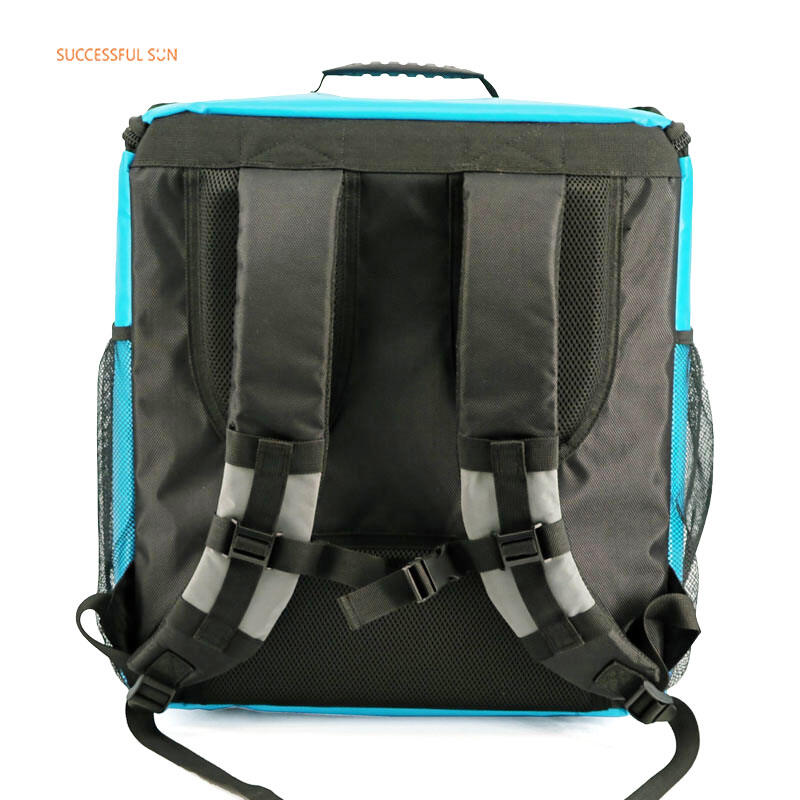
Food delivery services have transformed urban dining experiences, making fresh meals accessible to customers across cities worldwide. A crucial component ensuring meal quality during transit is the bike delivery bag, which maintains optimal temperatures for both hot and cold items. These specialized insulated containers utilize advanced thermal engineering principles to preserve food safety and customer satisfaction throughout the delivery process.
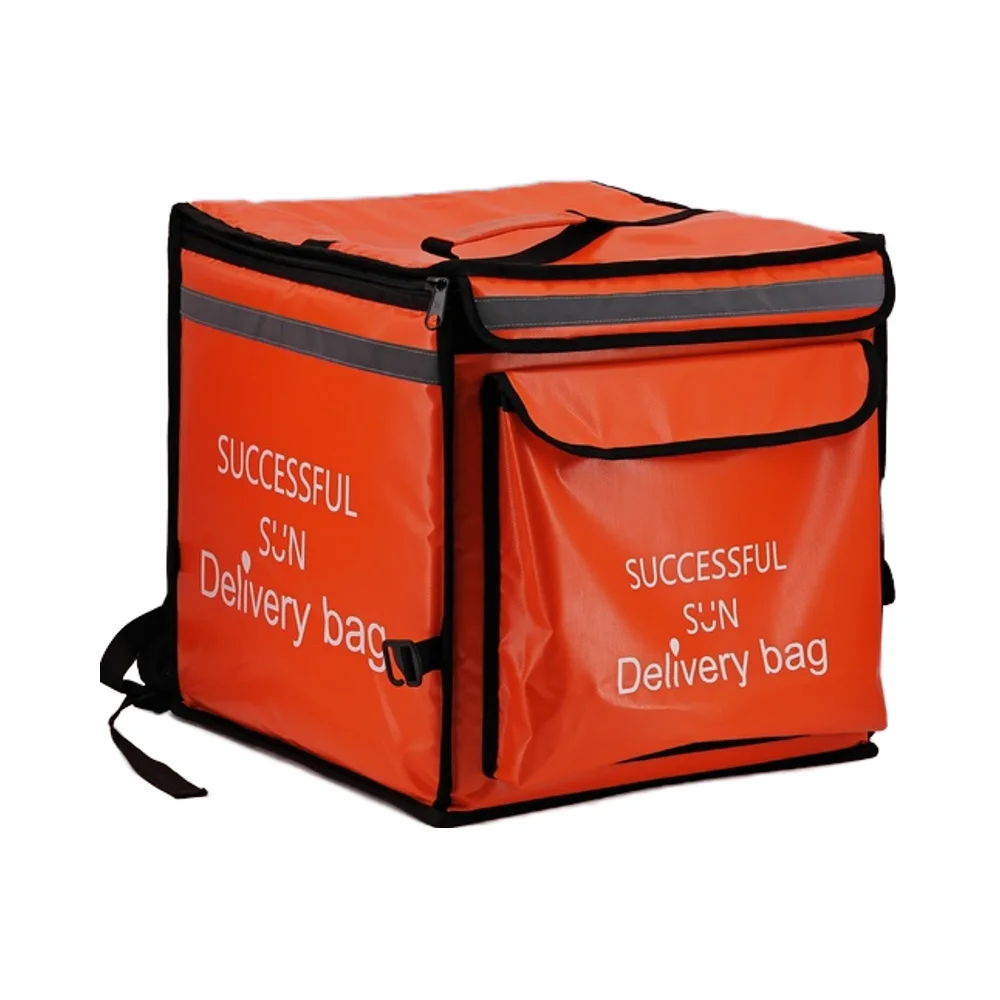
Professional delivery riders rely on sophisticated insulation technology to maintain meal integrity during transportation. Modern bike delivery bag designs incorporate multiple thermal barrier layers that work synergistically to prevent heat transfer between the internal compartment and external environment. Understanding these mechanisms helps delivery professionals select equipment that ensures consistent food quality regardless of weather conditions or delivery distance.
Temperature control during food delivery directly impacts customer satisfaction, food safety regulations compliance, and business reputation. Restaurants invest significant resources in preparing quality meals, and maintaining those standards during transit requires reliable thermal management solutions. The science behind effective bike delivery bag performance involves material science, thermodynamics, and practical engineering applications tailored for mobile food service operations.
Thermal Insulation Technology
Multi-Layer Barrier Systems
Professional bike delivery bag construction utilizes multi-layer insulation systems that create thermal barriers preventing temperature transfer. The outermost layer typically consists of durable, weather-resistant materials like reinforced nylon or polyester that protect against environmental elements. This exterior shell prevents moisture infiltration while providing structural integrity during repeated loading and unloading cycles throughout delivery shifts.
Beneath the protective exterior, manufacturers incorporate specialized foam insulation layers that trap air molecules, creating thermal resistance zones. These foam barriers significantly reduce conductive heat transfer between the bag's interior and external environment. High-quality bike delivery bag models feature closed-cell foam construction that maintains insulating properties even when compressed, ensuring consistent performance under varying load conditions.
The innermost layer of professional bike delivery bag systems typically consists of food-safe aluminum foil or reflective materials that reflect radiant heat energy. This reflective barrier works in conjunction with foam insulation to create a comprehensive thermal management system. The combination prevents heat loss from hot foods while simultaneously preventing heat gain in cold items, maintaining optimal serving temperatures during extended delivery routes.
Advanced Material Engineering
Modern bike delivery bag materials incorporate cutting-edge textile technologies that enhance thermal performance while maintaining durability. Manufacturers utilize specialized fabric treatments that improve water resistance, stain prevention, and antimicrobial properties. These advanced materials ensure that delivery bags maintain hygiene standards required for food service applications while providing long-term performance reliability.
Thermal welding techniques create seamless joints in bike delivery bag construction, eliminating potential heat leak points that could compromise temperature control. These welded seams provide superior durability compared to traditional stitched construction methods while maintaining the integrity of the thermal barrier system. Professional-grade bags utilize reinforced stress points to withstand the physical demands of daily delivery operations.
Innovative zipper systems in high-quality bike delivery bag designs feature gasket seals that create airtight closures, preventing thermal bridging through closure mechanisms. These specialized zippers maintain easy operation for delivery personnel while ensuring minimal heat transfer when bags are properly sealed. Some advanced models incorporate magnetic closure systems that provide secure sealing with simplified operation during busy delivery periods.
Temperature Maintenance Mechanisms
Heat Retention Strategies
Effective heat retention in bike delivery bag systems relies on minimizing thermal conductivity, convection, and radiation losses during transport. Conductive heat loss occurs when hot food containers directly contact cooler surfaces, requiring thermal barrier materials between food items and bag walls. Professional delivery bags incorporate removable dividers and padded separators that prevent direct contact while maintaining organizational efficiency.
Convective heat loss happens when air circulation removes heat from food surfaces, making airtight sealing crucial for temperature maintenance. Quality bike delivery bag designs minimize internal air volume while maximizing insulation thickness to reduce convective cooling effects. Proper loading techniques involve filling available space efficiently to minimize air circulation within the thermal compartment.
Radiant heat loss involves infrared energy emission from hot food surfaces, which reflective inner linings effectively combat. The aluminum foil or metallized film lining in professional bike delivery bag interiors reflects radiant energy back toward food items, significantly reducing temperature loss during extended delivery periods. This reflective barrier technology proves particularly effective for maintaining temperatures of items like pizza, fried foods, and other heat-sensitive menu items.
Cold Chain Preservation
Cold food preservation during delivery requires different thermal management strategies compared to hot food maintenance. Professional bike delivery bag systems for cold items utilize similar insulation principles but focus on preventing heat gain from external sources rather than retaining internal heat. This reverse thermal protection maintains safe temperatures for dairy products, fresh salads, frozen desserts, and other temperature-sensitive cold items.
Gel packs and frozen inserts provide additional cooling capacity for bike delivery bag applications requiring extended cold chain maintenance. These cooling accessories work in conjunction with insulation systems to maintain safe temperatures during longer delivery routes or in hot weather conditions. Proper placement of cooling inserts within the bag maximizes their effectiveness while ensuring even temperature distribution throughout the cargo area.
Compartmentalization features in advanced bike delivery bag designs allow simultaneous transport of hot and cold items without temperature cross-contamination. Separate insulated compartments with independent sealing systems enable delivery of complete meal orders including hot entrees, cold beverages, and frozen desserts in a single trip. This versatility improves delivery efficiency while maintaining food safety standards for all temperature categories.
Performance Optimization Factors
Loading and Organization Techniques
Proper loading techniques significantly impact bike delivery bag thermal performance and overall efficiency. Strategic placement of food containers within the insulated compartment affects temperature maintenance duration and prevents spillage during transport. Hot items should be placed in central positions where insulation thickness provides maximum thermal protection, while cold items benefit from proximity to gel packs or cooling inserts.
Container selection plays a crucial role in bike delivery bag effectiveness, as different packaging materials affect heat transfer rates. Aluminum containers provide excellent heat retention for hot foods, while plastic containers offer versatility for various food types. Delivery professionals should consider container thermal properties when organizing loads to maximize the insulation system's performance capabilities.
Minimizing air gaps within the bike delivery bag compartment improves thermal efficiency by reducing convective heat transfer. Filling empty spaces with towels, additional insulation, or appropriately sized containers helps maintain stable temperatures. However, overpacking can compress insulation materials and reduce their effectiveness, requiring careful balance between space utilization and thermal performance.
Environmental Considerations
External weather conditions significantly influence bike delivery bag performance requirements and thermal management strategies. Hot weather increases the thermal load on cold item preservation, while cold weather accelerates heat loss from hot foods. Professional delivery operations must adapt their procedures and equipment selection based on seasonal conditions and local climate patterns.
Wind exposure during bike delivery creates convective cooling effects that challenge thermal insulation systems. Aerodynamic bike delivery bag designs minimize wind resistance while maintaining structural integrity of the thermal barrier system. Some professional models feature wind-resistant flaps and reinforced sealing systems that provide additional protection against weather-related temperature challenges.
Solar radiation can significantly impact bike delivery bag performance, particularly for bags with dark exterior colors that absorb heat. Light-colored or reflective exterior finishes help prevent solar heat gain that could compromise cold item preservation. Strategic parking and route planning also minimize exposure to direct sunlight during delivery stops, supporting optimal thermal performance.
Quality and Durability Considerations
Material Longevity
Professional bike delivery bag construction must withstand daily use rigors including frequent loading, weather exposure, and cleaning requirements. High-quality materials resist wear, maintain insulation properties over time, and support food safety standards throughout the equipment lifecycle. Investing in durable bike delivery bag systems reduces replacement costs while ensuring consistent thermal performance.
Insulation degradation occurs gradually through repeated compression, moisture exposure, and thermal cycling. Quality bike delivery bag models utilize resilient insulation materials that maintain their thermal properties despite regular use. Regular inspection and maintenance help identify performance decline before it significantly impacts food quality or safety standards.
Cleaning and sanitization requirements for bike delivery bag systems must not compromise thermal performance or structural integrity. Food-safe cleaning products and appropriate cleaning techniques help maintain hygiene standards while preserving insulation effectiveness. Some professional models feature removable liners that simplify cleaning while protecting the primary insulation system from moisture and cleaning chemicals.
Performance Standards
Industry standards for bike delivery bag performance include temperature maintenance duration, thermal efficiency ratings, and food safety compliance requirements. Professional delivery services often establish specific performance criteria based on typical delivery distances, average transit times, and local food safety regulations. These standards guide equipment selection and replacement schedules.
Testing procedures for bike delivery bag thermal performance involve measuring temperature maintenance over time under controlled conditions. These evaluations help delivery services select appropriate equipment and establish operational procedures that ensure consistent food quality. Regular performance monitoring identifies equipment that requires maintenance or replacement before it compromises service quality.
Cost-effectiveness analysis for bike delivery bag investments considers initial purchase price, performance duration, maintenance requirements, and replacement frequency. While higher-quality systems typically require larger upfront investments, their superior performance and durability often provide better long-term value. Professional delivery operations benefit from equipment that maintains consistent performance throughout extended service periods.
FAQ
How long can a bike delivery bag keep food hot?
A quality bike delivery bag can maintain hot food temperatures for 45 minutes to 2 hours, depending on initial food temperature, external weather conditions, and bag insulation quality. Professional-grade bags with multi-layer insulation systems typically provide longer temperature maintenance compared to basic models. Proper loading techniques and minimizing bag opening frequency help maximize heat retention duration.
Can bike delivery bags keep cold and hot food together?
Advanced bike delivery bag models feature separate compartments that allow simultaneous transport of hot and cold items without temperature cross-contamination. These compartmentalized designs include independent insulation systems and sealing mechanisms for each section. However, basic single-compartment bags are not suitable for mixed-temperature deliveries due to thermal transfer between items.
What maintenance does a bike delivery bag require?
Regular bike delivery bag maintenance includes cleaning with food-safe sanitizers, inspecting seams and zippers for damage, and checking insulation integrity. Interior surfaces should be wiped clean after each shift, while deep cleaning should occur weekly or as needed. Proper storage in dry conditions and avoiding extreme temperature exposure helps preserve insulation effectiveness and extend equipment lifespan.
How do I choose the right size bike delivery bag?
Bike delivery bag size selection depends on typical order volumes, delivery route distances, and bike storage capacity. Larger bags provide more insulation but increase weight and wind resistance during cycling. Consider your average delivery load, bike rack compatibility, and local delivery distance requirements when selecting appropriate bag dimensions for optimal performance and rider comfort.