
 EN
EN



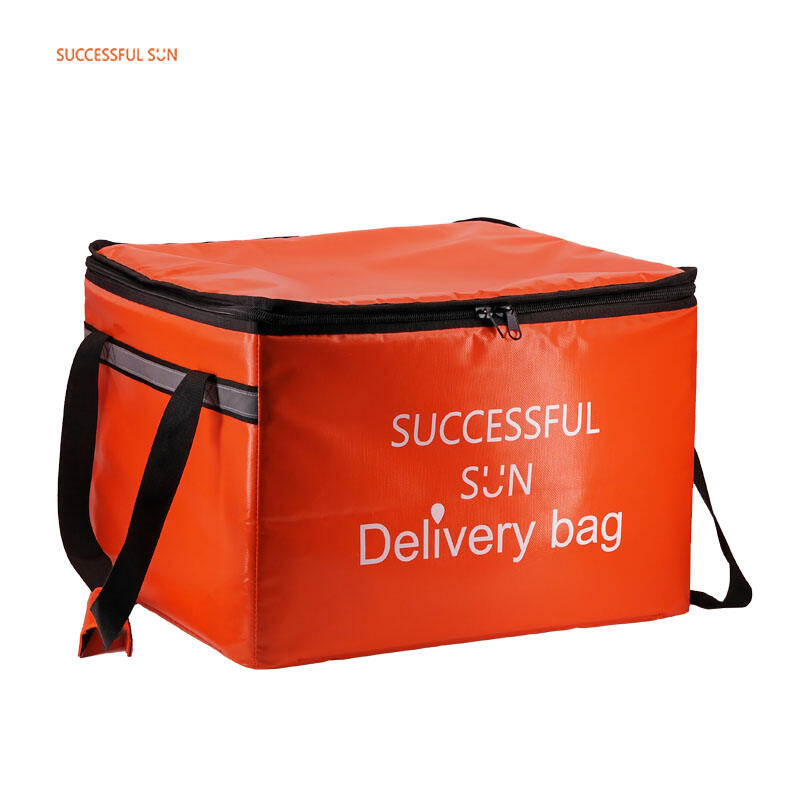
In today's fast-paced world, maintaining food temperature during transport has become increasingly important for both commercial and personal use. A thermal bag serves as an essential solution for keeping food items at their optimal temperature, whether hot or cold, during delivery or transportation. These specialized insulated containers have revolutionized how we handle food logistics, offering unprecedented convenience and reliability for various applications.
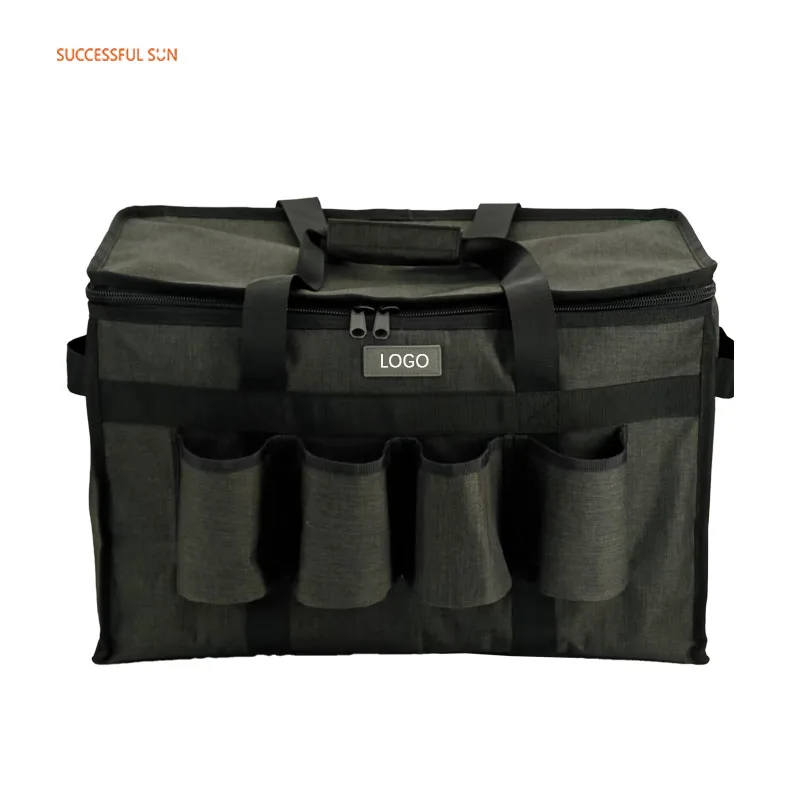
The growing demand for food delivery services and outdoor activities has significantly increased the need for effective temperature control solutions. A quality thermal bag provides the perfect balance between functionality and portability, making it an indispensable tool for restaurants, delivery services, and individuals who value food safety and quality. Understanding the comprehensive advantages of these innovative products helps consumers make informed decisions about their food transportation needs.
Superior Temperature Retention Technology
Advanced Insulation Materials
Modern thermal bag designs incorporate multiple layers of specialized insulation materials that create an effective barrier against external temperature fluctuations. The combination of foam padding, reflective aluminum lining, and air-tight sealing mechanisms ensures that internal temperatures remain stable for extended periods. This sophisticated construction allows the thermal bag to maintain food safety standards while preserving taste and texture quality.
The effectiveness of insulation technology directly impacts the performance duration of any thermal bag system. High-quality materials can maintain hot foods above safe serving temperatures for up to four hours, while cold items remain properly chilled for even longer periods. This extended temperature control capability makes thermal bags invaluable for long-distance deliveries and extended outdoor activities where access to heating or cooling sources is limited.
Energy-Efficient Operation
Unlike electric heating or cooling devices, a thermal bag operates without requiring external power sources, making it an environmentally friendly and cost-effective solution. This passive temperature control system eliminates the need for batteries, electrical connections, or fuel consumption while delivering consistent performance. The energy independence of thermal bags makes them ideal for remote locations and situations where power availability is uncertain.
The sustainable nature of thermal bag technology aligns with modern environmental consciousness while providing practical benefits. Users can reduce their carbon footprint while maintaining food quality standards, creating a win-win situation for both personal convenience and environmental responsibility. This eco-friendly approach has made thermal bags increasingly popular among environmentally conscious consumers and businesses.
Versatile Applications Across Industries
Commercial Food Delivery Solutions
Restaurants and food delivery services have embraced thermal bag technology as a critical component of their quality assurance programs. These specialized containers ensure that customers receive meals at the intended temperature, regardless of delivery distance or weather conditions. The professional appearance and reliability of thermal bags also enhance brand reputation and customer satisfaction levels.
The commercial applications of thermal bags extend beyond traditional restaurant delivery to include catering services, meal kit companies, and grocery delivery operations. Each industry benefits from the consistent temperature control that thermal bag technology provides, enabling businesses to expand their service areas while maintaining food safety standards. This versatility has made thermal bags essential equipment for modern food service operations.
Personal and Recreational Use
Individual consumers utilize thermal bags for various personal applications, including picnics, camping trips, beach outings, and daily meal transport. The convenience of maintaining food temperature without electricity makes thermal bags perfect companions for outdoor adventures and workplace meal storage. Families particularly appreciate the ability to pack fresh, temperature-appropriate meals for children's school lunches or family excursions.
The recreational benefits of thermal bag usage extend to sports events, tailgating parties, and extended travel situations where food quality maintenance is essential. These portable solutions enable users to enjoy restaurant-quality meals in virtually any location while ensuring food safety standards are met. The flexibility and convenience offered by thermal bags have made them popular accessories for active lifestyles and outdoor enthusiasts.
Economic Benefits and Cost Savings
Reduced Food Waste
One of the most significant advantages of using a thermal bag is the substantial reduction in food waste due to temperature-related spoilage. By maintaining optimal temperatures during transport and storage, these containers preserve food quality and extend usable timeframes. This preservation capability translates directly into cost savings for both businesses and individuals who regularly transport perishable items.
The economic impact of reduced food waste becomes particularly apparent in commercial operations where large quantities of food are transported daily. Restaurants and catering companies report significant cost savings when implementing thermal bag systems compared to traditional transportation methods. The initial investment in quality thermal bags quickly pays for itself through reduced product loss and improved customer satisfaction rates.
Long-Term Durability and Value
Quality thermal bags are designed for extended use, featuring durable materials and construction techniques that withstand regular handling and cleaning. The robust nature of these products ensures that users receive excellent value for their investment over time. Many thermal bags maintain their effectiveness for years with proper care, making them cost-effective solutions for temperature control needs.
The durability factor becomes especially important for commercial users who rely on thermal bag performance for daily operations. Heavy-duty construction materials and reinforced seams ensure that thermal bags can handle the demands of frequent use while maintaining their insulation properties. This reliability makes thermal bags smart long-term investments for businesses focused on operational efficiency and cost control.
Enhanced Food Safety and Quality Preservation
Bacterial Growth Prevention
Maintaining proper food temperatures is crucial for preventing bacterial growth that can lead to foodborne illnesses and health risks. A thermal bag creates a controlled environment that keeps foods within safe temperature ranges, significantly reducing the risk of contamination during transport. This safety feature is particularly important for perishable items that are susceptible to rapid bacterial multiplication at room temperature.
The health benefits of proper temperature control extend beyond basic safety to include preservation of nutritional content and food quality. When foods are maintained at appropriate temperatures, they retain their original nutritional value, taste, and texture characteristics. This quality preservation is especially valuable for prepared meals, dairy products, and fresh ingredients that require specific temperature conditions to remain safe and appetizing.
Compliance with Health Regulations
Many jurisdictions have specific regulations regarding food temperature maintenance during transport and storage. Using a thermal bag helps businesses and individuals comply with these health department requirements while demonstrating commitment to food safety practices. This compliance aspect is particularly important for licensed food service operations that must meet stringent regulatory standards.
The regulatory compliance benefits of thermal bag usage extend to insurance considerations and liability protection for businesses involved in food handling. Proper temperature control documentation and equipment usage can provide legal protection in case of food safety incidents. This risk mitigation aspect makes thermal bags valuable investments for responsible food service operations and safety-conscious consumers.
Convenience and Portability Features
Lightweight Design and Easy Transportation
Modern thermal bag designs prioritize user convenience through lightweight materials and ergonomic carrying features. Despite their insulation capabilities, quality thermal bags remain surprisingly portable and easy to handle during transport. The combination of effectiveness and convenience makes thermal bags practical solutions for users who need reliable temperature control without cumbersome equipment.
The portability advantages of thermal bags become apparent when compared to traditional coolers or heating equipment that require significant space and weight considerations. A thermal bag can be easily folded or stored when not in use, making it ideal for urban environments and space-limited situations. This compact design feature has contributed to the widespread adoption of thermal bags across various user demographics and applications.
User-Friendly Operation and Maintenance
Operating a thermal bag requires no special training or technical knowledge, making it accessible to users of all experience levels. The straightforward nature of thermal bag usage eliminates potential operational errors while ensuring consistent performance results. This simplicity factor is particularly valuable for businesses that employ multiple staff members who need reliable, fool-proof equipment.
Maintenance requirements for thermal bags are minimal, typically involving basic cleaning and occasional inspection of sealing mechanisms. The low-maintenance nature of these products reduces operational costs and ensures continued effectiveness over time. Users appreciate the hassle-free ownership experience that quality thermal bags provide, making them preferred choices for both professional and personal applications.
FAQ
How long can a thermal bag maintain food temperature effectively
A high-quality thermal bag can typically maintain hot food temperatures for 2-4 hours and cold temperatures for 4-6 hours, depending on external conditions and initial food temperature. The actual duration varies based on factors such as ambient temperature, bag quality, and how frequently the bag is opened. For optimal performance, pre-conditioning the thermal bag with hot or cold packs can extend temperature maintenance periods.
What types of food are best suited for thermal bag transport
Thermal bags work exceptionally well with prepared meals, soups, pizza, sandwiches, salads, dairy products, and beverages that require temperature control. Foods with high moisture content tend to maintain temperature longer, while dry items may require additional heat or cold sources. The key is ensuring that foods start at the desired temperature before placing them in the thermal bag for transport.
Can thermal bags be used for both hot and cold items simultaneously
While thermal bags are designed to maintain existing temperatures, using them for both hot and cold items simultaneously is not recommended as it compromises the effectiveness for both temperature ranges. For mixed temperature needs, consider using separate thermal bags or compartmentalized models specifically designed for dual-temperature transport. This approach ensures optimal temperature control for all items.
How should thermal bags be cleaned and maintained for best performance
Regular cleaning with mild soap and warm water helps maintain thermal bag hygiene and performance. Avoid harsh chemicals or bleach that could damage insulation materials, and ensure the bag is completely dry before storage to prevent mold or odor development. Periodic inspection of zippers, seams, and insulation integrity helps identify maintenance needs before they affect performance quality.