
 EN
EN



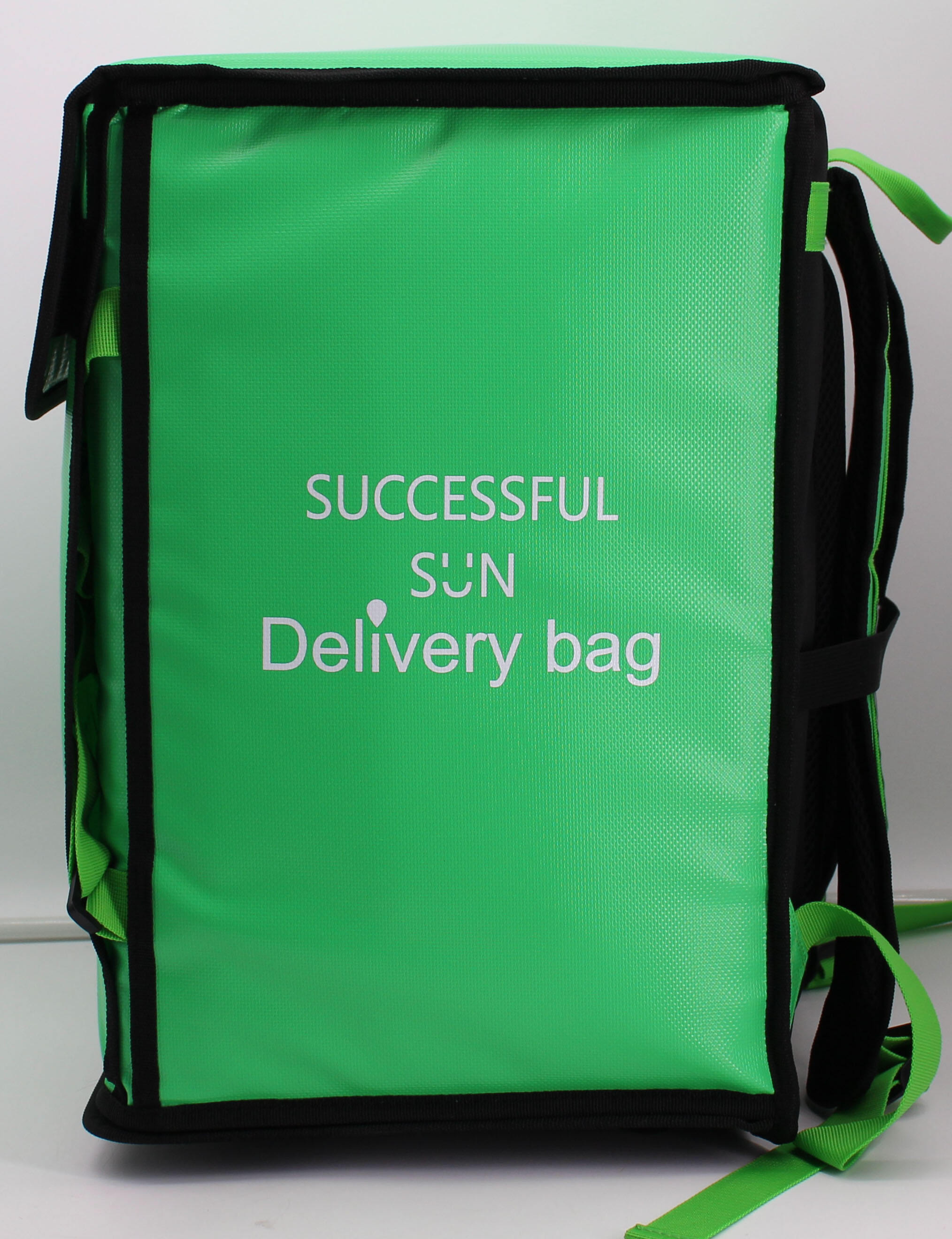
In today's fast-paced delivery industry, efficiency and speed are paramount to business success. Food delivery services, courier companies, and logistics providers constantly seek innovative solutions to optimize their operations. The delivery backpack has emerged as a game-changing tool that significantly enhances delivery speed while maintaining product quality and driver comfort. This specialized equipment transforms how delivery professionals navigate urban environments, handle multiple orders, and meet demanding customer expectations.
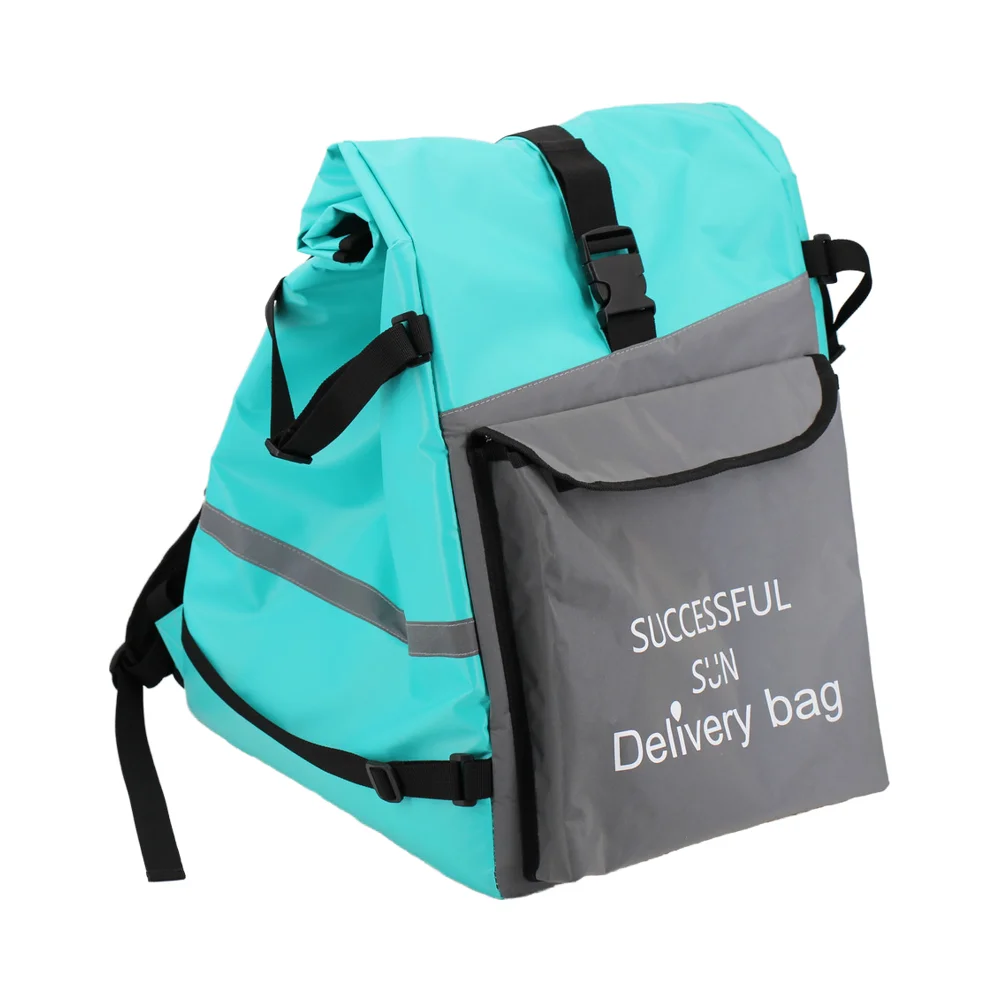
The Science Behind Faster Deliveries
Ergonomic Design Benefits
Modern delivery backpacks incorporate advanced ergonomic principles that directly impact delivery speed. The weight distribution system reduces strain on delivery personnel, allowing them to move faster and work longer shifts without fatigue. Strategic padding placement and adjustable straps ensure optimal comfort, enabling drivers to maintain peak performance throughout their routes. These design elements translate into measurable time savings during each delivery stop.
The streamlined profile of professional delivery backpacks minimizes wind resistance for cyclists and motorcyclists, contributing to improved travel times between locations. The compact yet spacious design allows delivery personnel to carry multiple orders efficiently while maintaining mobility through crowded streets and narrow pathways.
Rapid Access Technology
Quick-access compartments and intuitive organization systems dramatically reduce the time spent locating specific orders. Multiple zippered sections with clear labeling enable delivery professionals to retrieve items within seconds rather than minutes. This organizational efficiency becomes particularly valuable during peak hours when every second counts toward meeting delivery time commitments.
Magnetic closures and easy-grip zippers facilitate one-handed operation, allowing delivery personnel to access contents while maintaining control of their vehicle or while walking. These small improvements accumulate into significant time savings across hundreds of daily deliveries.
Temperature Control and Product Integrity
Advanced Insulation Systems
High-performance insulation technology ensures food items maintain optimal temperatures throughout the delivery process. This temperature stability eliminates the need for returns due to cold or spoiled food, which would otherwise result in costly delays and disappointed customers. Professional-grade thermal barriers can maintain hot food temperatures for up to four hours and keep cold items chilled for extended periods.
Multi-layer insulation designs create separate thermal zones within the same delivery backpack, allowing simultaneous transport of hot and cold items without temperature cross-contamination. This capability enables drivers to handle diverse orders more efficiently, reducing the number of trips required to complete multiple deliveries.
Leak-Proof Construction
Waterproof materials and sealed seams prevent spills from damaging other orders or the backpack itself. This protection eliminates delays caused by cleanup operations and order replacements. The interior surfaces feature easy-to-clean materials that maintain hygiene standards while minimizing maintenance time between shifts.
Removable liner systems allow for quick sanitization and replacement, ensuring delivery backpacks meet health department requirements without extended downtime. This feature becomes particularly important for food delivery services operating under strict regulatory oversight.
Enhanced Mobility and Navigation
Urban Environment Optimization
Delivery backpacks provide superior maneuverability compared to traditional delivery bags or boxes. The hands-free design allows delivery personnel to navigate stairs, elevators, and tight spaces more efficiently while keeping orders secure. This mobility advantage becomes crucial in dense urban environments where building access can significantly impact delivery times.
The compact profile enables delivery professionals to use alternative transportation methods such as bicycles, electric scooters, or public transportation when vehicle parking is limited or prohibited. This flexibility helps maintain delivery schedules even in challenging urban conditions.
Weather Protection Features
Weatherproof exteriors protect orders from rain, snow, and extreme temperatures while maintaining delivery schedules regardless of atmospheric conditions. This reliability eliminates weather-related delays that could otherwise disrupt service commitments. Reflective elements enhance visibility during low-light conditions, improving safety and reducing potential delays caused by accidents or safety concerns.
Ventilation systems prevent condensation buildup that could compromise food quality or packaging integrity. These features ensure consistent delivery performance across various environmental conditions throughout the year.
Operational Efficiency Improvements
Capacity Optimization
Strategic compartmentalization allows delivery professionals to organize orders by delivery sequence, reducing time spent sorting and searching during route execution. Color-coded sections or numbered compartments facilitate quick identification of specific orders, streamlining the delivery process at each stop.
Expandable storage options accommodate varying order sizes without requiring multiple trips or different equipment. This adaptability helps delivery services handle peak demand periods more effectively while maintaining consistent service levels.
Integration with Technology Systems
Modern delivery backpacks often feature dedicated pockets for mobile devices, GPS units, and payment processing equipment. Easy access to technology tools reduces transaction times and improves communication with dispatch centers. Some advanced models include built-in charging capabilities for electronic devices, ensuring continuous operation throughout extended shifts.
RFID-compatible materials enable automated order tracking and inventory management, reducing manual processing time and improving accuracy. These technological integrations help delivery services optimize routes and monitor performance metrics in real-time.
Cost-Effectiveness and ROI Analysis
Direct Operational Savings
The improved efficiency provided by professional delivery backpacks translates into measurable cost savings through reduced fuel consumption, fewer vehicle maintenance requirements, and decreased labor costs per delivery. Companies report average time savings of 15-30% per delivery route when upgrading from traditional carrying solutions to purpose-built delivery backpacks.
Reduced product damage and returns directly impact profitability by minimizing replacement costs and maintaining customer satisfaction levels. The initial investment in quality delivery equipment typically pays for itself within the first quarter of operation through these efficiency gains.
Long-Term Business Benefits
Enhanced delivery speed and reliability contribute to improved customer reviews and repeat business rates. Companies using professional delivery backpacks often experience higher customer satisfaction scores and reduced complaint volumes. These improvements support long-term business growth and competitive positioning in increasingly crowded delivery markets.
The durability of professional-grade delivery backpacks reduces replacement frequency compared to consumer-grade alternatives, providing better value over extended operational periods. Quality construction materials and reinforced stress points ensure consistent performance under demanding commercial use conditions.
Industry Applications and Use Cases
Food Delivery Services
Restaurant delivery operations benefit significantly from specialized delivery backpacks designed for food transport. Temperature-controlled compartments maintain meal quality while multiple sections accommodate various container sizes and shapes. These features enable restaurants to expand their delivery radius while maintaining food quality standards.
Pizza delivery services particularly benefit from flat-bottom designs that prevent toppings from shifting during transport. Specialized pizza delivery backpacks can accommodate multiple orders while maintaining the integrity of each item throughout the delivery process.
Medical and Pharmaceutical Deliveries
Healthcare delivery services require precise temperature control and secure storage for medications and medical supplies. Professional delivery backpacks designed for pharmaceutical applications include temperature monitoring systems and tamper-evident sealing mechanisms that ensure product integrity and regulatory compliance.
Emergency medical deliveries benefit from rapid-access designs that enable quick retrieval of critical supplies. These applications often require specialized certification and documentation capabilities integrated into the carrying system.
Selection Criteria for Optimal Performance
Material Specifications
High-quality delivery backpacks utilize durable materials such as reinforced nylon, waterproof polyester, or specialized composite fabrics that withstand daily commercial use. The material selection directly impacts longevity, weather resistance, and cleaning requirements. Professional-grade options often feature antimicrobial treatments that prevent odor development and maintain hygiene standards.
Insulation quality varies significantly between manufacturers, with premium options utilizing advanced materials like aerogel or multi-layer thermal barriers. These specifications determine temperature retention capabilities and overall performance in challenging environmental conditions.
Size and Configuration Options
Delivery backpack sizing must match specific operational requirements and delivery vehicle constraints. Standard capacities range from 35 liters for urban bicycle deliveries to 65 liters for motorcycle or car-based operations. The optimal size balances carrying capacity with mobility requirements for each specific application.
Modular designs allow customization of internal configurations to match specific delivery types and order patterns. This flexibility enables delivery services to adapt equipment to changing business needs without complete replacement.
FAQ
What size delivery backpack is best for food delivery services
The optimal size depends on your delivery method and typical order volume. For bicycle deliveries, 35-45 liter capacity provides excellent mobility while accommodating 3-5 standard orders. Motorcycle and car-based deliveries can utilize 50-65 liter options that handle larger orders and higher volumes. Consider your average delivery distance and order frequency when selecting capacity.
How do insulated delivery backpacks maintain food temperature
Professional insulated delivery backpacks use multi-layer thermal barrier systems that create isolated temperature zones. High-quality insulation materials like closed-cell foam or reflective barriers can maintain hot food above 140°F for up to 4 hours and keep cold items below 40°F for similar durations. Proper preconditioning of the backpack with hot or cold packs further enhances temperature retention performance.
Can delivery backpacks improve driver safety during deliveries
Yes, delivery backpacks significantly enhance driver safety through improved visibility, better weight distribution, and hands-free operation. Reflective elements increase visibility in low-light conditions, while ergonomic designs reduce fatigue-related accidents. The hands-free design allows drivers to maintain better control of their vehicle and navigate obstacles more effectively, reducing accident risks during delivery operations.
What maintenance is required for commercial delivery backpacks
Regular cleaning with food-safe sanitizers maintains hygiene standards and extends equipment life. Remove and wash liner systems weekly or after spills, and inspect zippers, straps, and insulation integrity monthly. Replace worn components promptly to maintain performance standards and prevent contamination issues. Store backpacks in clean, dry environments between shifts to prevent odor development and material degradation.