
 EN
EN



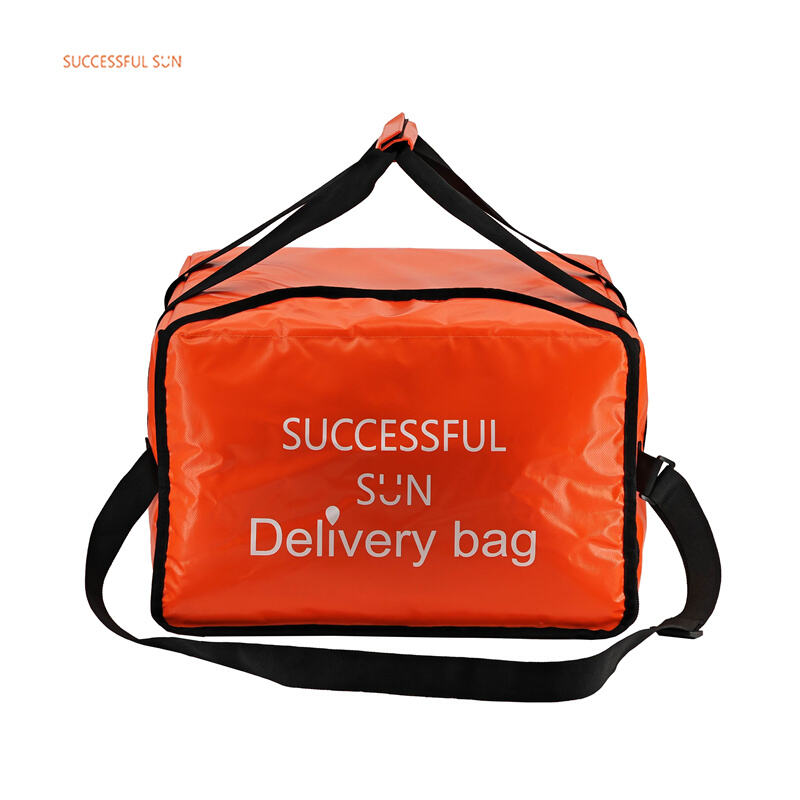
Selecting the right delivery bag for your business can significantly impact customer satisfaction, food quality, and operational efficiency. Whether you run a restaurant, catering service, or food delivery business, the quality of your delivery bag directly affects how well your food maintains temperature, presentation, and freshness during transport. Understanding the key factors that make an effective delivery bag will help you make informed decisions that benefit both your team and your customers.
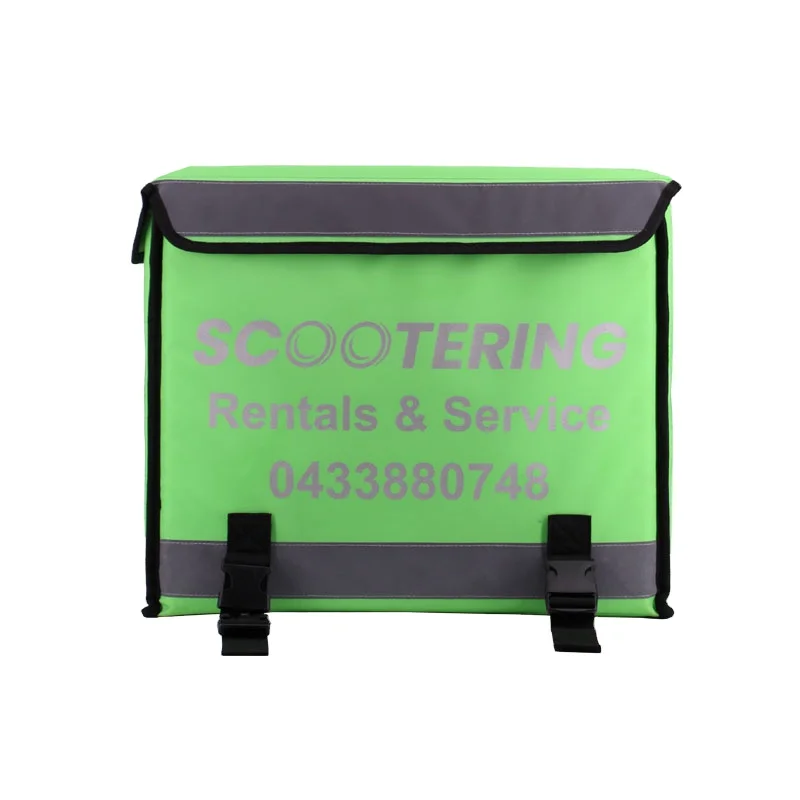
The food delivery industry has experienced tremendous growth, making the choice of proper insulated bags more critical than ever. Professional delivery teams require equipment that can handle multiple orders while maintaining optimal temperatures for extended periods. From thermal insulation properties to durability requirements, every aspect of your delivery bag selection impacts your service quality and bottom line.
Essential Features of Professional Delivery Bags
Thermal Insulation Performance
The primary function of any quality delivery bag is maintaining temperature consistency throughout the delivery process. High-grade insulation materials such as expanded polyethylene foam or reflective aluminum linings provide superior thermal retention. Professional-grade bags typically feature multiple insulation layers that create effective barriers against external temperature fluctuations.
Advanced insulation technology ensures hot foods remain above 140°F and cold items stay below 40°F for several hours. This temperature control prevents bacterial growth and maintains food safety standards required by health departments. Testing has shown that premium insulated bags can maintain internal temperatures for up to four hours under normal delivery conditions.
Material Durability and Construction Quality
Commercial delivery operations demand bags constructed from heavy-duty materials that withstand daily use and frequent cleaning. Reinforced nylon exteriors with waterproof coatings protect against weather conditions and spills. High-quality zippers, reinforced seams, and sturdy handles ensure longevity even under demanding delivery schedules.
Interior materials should be easy to clean and resistant to odor absorption. Food-grade vinyl or polyethylene linings allow for quick sanitization between deliveries. Some premium bags feature antimicrobial treatments that inhibit bacterial growth and maintain hygienic conditions throughout extended use periods.
Size and Capacity Considerations
Matching Bag Size to Order Volume
Selecting appropriate bag sizes depends on your typical order volumes and delivery patterns. Small bags ranging from 12-15 inches work well for single meals or appetizer deliveries. Medium bags measuring 16-20 inches accommodate standard family meals and multiple item orders effectively.
Large delivery bag options exceeding 20 inches are essential for catering orders, pizza deliveries, or bulk food service operations. Many successful delivery operations maintain multiple bag sizes to optimize space utilization and ensure proper fit for various order types.
Storage and Transportation Efficiency
Efficient delivery operations require bags that maximize vehicle space while providing easy access to contents. Stackable designs allow drivers to organize multiple orders systematically. Bags with flat bottoms and structured sides maintain stability during transport and prevent food containers from shifting.
Consider bags with external pockets for receipts, utensils, and condiments to streamline the delivery process. Some designs feature separate compartments for hot and cold items, enabling mixed-temperature deliveries in a single bag. This versatility reduces the number of bags required per delivery run.
Customization and Branding Opportunities
Logo Placement and Brand Visibility
Professional delivery bags serve as mobile advertising platforms that increase brand recognition throughout your service area. Strategic logo placement on highly visible surfaces maximizes marketing impact during deliveries. Quality screen printing or embroidered logos maintain professional appearance even after extensive use.
Consider contrasting colors that make your brand stand out while maintaining professional aesthetics. Reflective materials or bright accent colors improve visibility during evening deliveries and enhance driver safety. Custom color schemes help customers easily identify your delivery personnel and build brand familiarity.
Functional Customization Options
Many manufacturers offer customization options beyond basic logo placement. Custom sizing ensures optimal fit for your specific container types and order configurations. Specialized compartment configurations can accommodate unique menu items or packaging requirements specific to your operation.
Additional features such as shoulder straps, reinforced carrying handles, or external attachment points can be customized based on your delivery team's specific needs. These functional improvements enhance user experience and improve delivery efficiency while maintaining professional appearance standards.
Cost-Effectiveness and Return on Investment
Initial Investment Versus Long-Term Value
While premium delivery bags require higher initial investment, their durability and performance typically provide better long-term value than cheaper alternatives. Quality bags maintain insulation properties and structural integrity for years of regular use, reducing replacement frequency and total ownership costs.
Professional-grade bags also contribute to customer satisfaction through improved food quality delivery. This enhanced service quality often translates to increased customer retention, positive reviews, and higher tip amounts for delivery staff. The cumulative impact of these benefits typically exceeds the additional cost of premium equipment.
Operational Efficiency Improvements
Well-designed delivery bags streamline operational processes and reduce delivery times. Easy-loading designs with wide openings allow faster order preparation and loading. Efficient organization features help drivers locate specific orders quickly, reducing delivery completion times.
Reduced food quality complaints and temperature-related issues decrease customer service workload and potential refund costs. Professional appearance also enhances customer perception of service quality, potentially justifying premium pricing for delivery services.
Maintenance and Care Requirements
Cleaning and Sanitization Protocols
Establishing proper cleaning procedures ensures delivery bags maintain food safety standards and extend service life. Daily cleaning with approved sanitizing solutions removes food residues and prevents odor development. Interior surfaces require particular attention as they come into direct contact with food containers.
Some delivery bags feature removable liners that simplify deep cleaning processes. These liners can be machine washed or replaced when necessary, maintaining hygienic conditions without replacing entire bags. Proper ventilation after cleaning prevents moisture buildup that could compromise insulation performance.
Storage and Handling Best Practices
Proper storage between uses prevents damage and maintains bag shape and insulation properties. Bags should be stored in dry, well-ventilated areas to prevent mold and mildew development. Avoid storing bags in extreme temperatures that could affect insulation materials or structural components.
Train delivery staff on proper handling techniques to prevent premature wear and damage. Overloading bags beyond capacity ratings can cause zipper failure and structural damage. Proper weight distribution and carrying techniques extend bag life and prevent workplace injuries.
FAQ
What size delivery bag is best for pizza delivery?
For pizza delivery, bags should accommodate your largest pizza size plus additional space for sides and drinks. Most pizzerias use bags measuring 20-22 inches to handle large pizzas comfortably. Consider bags with adjustable dividers to secure multiple pizza boxes and prevent sliding during transport.
How long should a quality delivery bag maintain temperature?
Professional delivery bags should maintain safe food temperatures for at least 2-4 hours under normal conditions. Premium bags with advanced insulation can preserve temperatures for up to 6 hours. Actual performance depends on external temperature, bag quality, and initial food temperature when loaded.
Are waterproof delivery bags necessary?
Waterproof exterior materials protect both the bag contents and the bag itself during inclement weather. Water-resistant coatings prevent moisture penetration that could compromise insulation effectiveness. This feature is particularly important for businesses operating in areas with frequent rain or snow.
How often should commercial delivery bags be replaced?
High-quality delivery bags typically last 2-3 years with regular commercial use, depending on usage frequency and care. Replace bags when insulation performance degrades, zippers fail repeatedly, or structural damage affects functionality. Regular inspection helps identify replacement needs before they impact service quality.