
 EN
EN



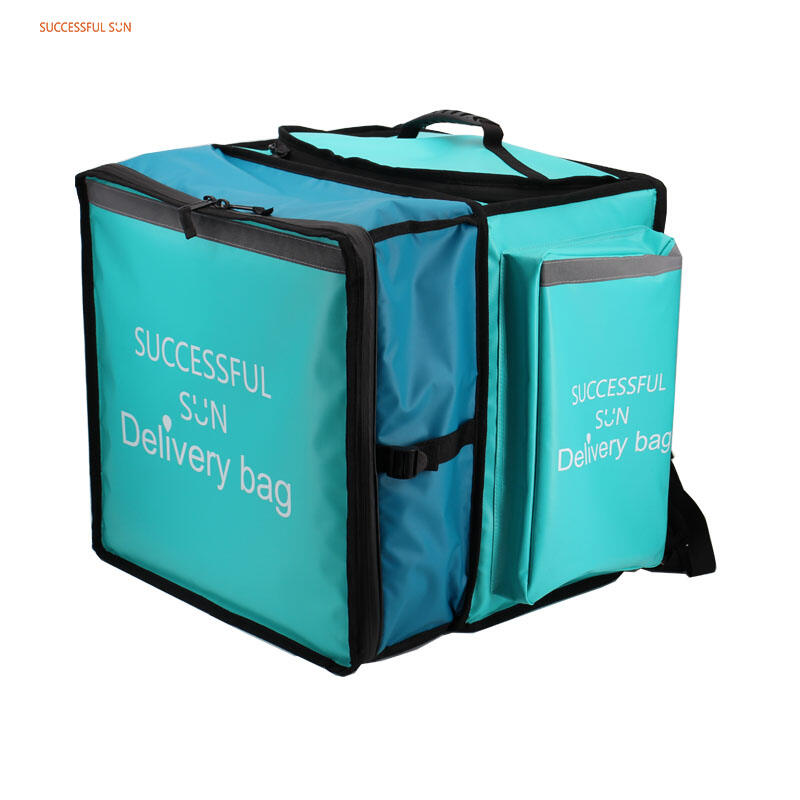
Food delivery and catering professionals understand the critical importance of maintaining proper food temperatures during transport. A thermal backpack serves as an essential piece of equipment that preserves both hot and cold food items at safe temperatures while providing mobility and convenience. These specialized insulated containers have revolutionized the food service industry by combining portability with advanced temperature retention technology. Whether you're delivering restaurant meals, catering events, or transporting groceries, understanding how a thermal backpack functions can significantly impact food quality and safety standards.
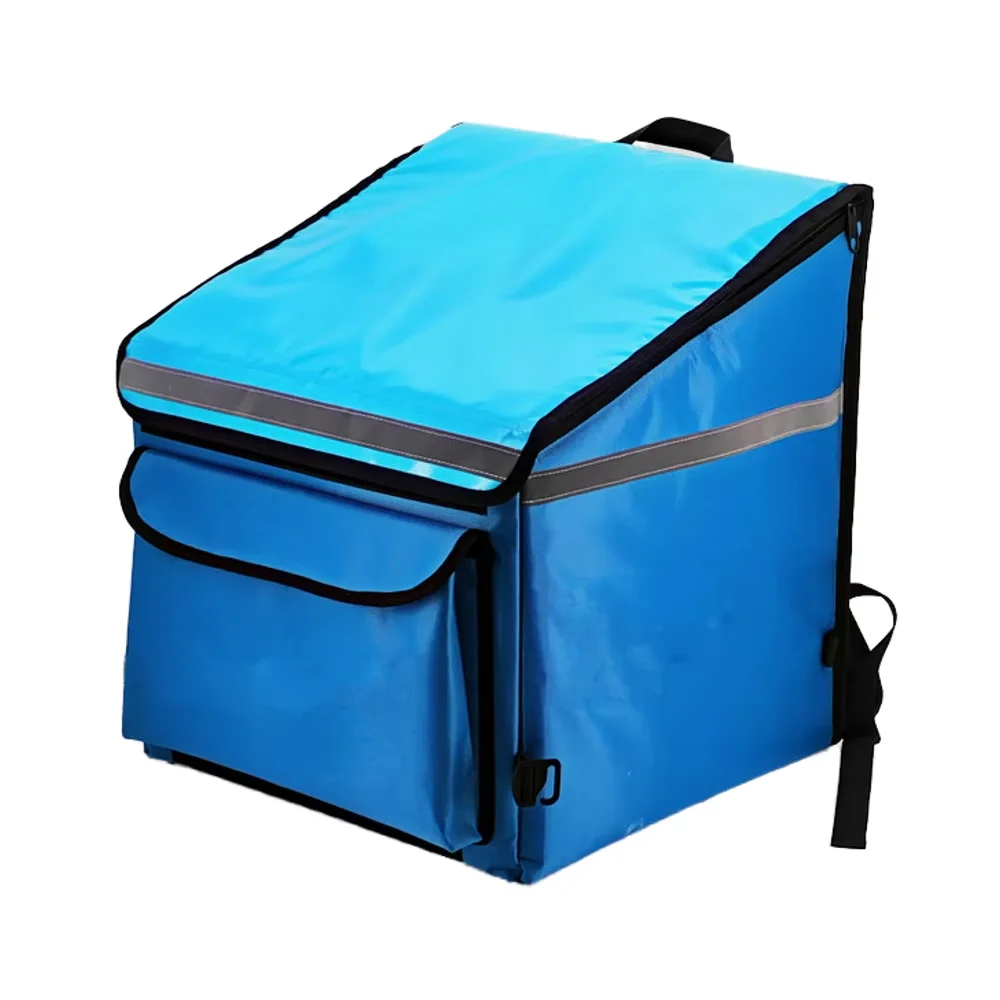
Advanced Insulation Technology in Modern Thermal Backpacks
Multi-Layer Insulation Systems
The foundation of any effective thermal backpack lies in its sophisticated insulation system. Modern designs incorporate multiple layers of specialized materials that work together to create a thermal barrier. The outer shell typically features durable, weather-resistant materials like polyester or nylon, while the inner core contains high-density foam insulation or reflective barrier technology. This multi-layer approach ensures that external temperature fluctuations have minimal impact on the interior environment.
Advanced thermal backpack models utilize vacuum-sealed panels or aerogel insulation, which provides superior temperature retention compared to traditional foam materials. These cutting-edge materials can maintain temperature differentials of up to 40 degrees Fahrenheit between the interior and exterior environments. The insulation effectiveness directly correlates with the thickness and quality of materials used, making premium models capable of maintaining temperatures for extended periods.
Reflective Barrier Technology
Many high-performance thermal backpack designs incorporate reflective barriers made from aluminum foil or metalized polyester films. These reflective surfaces work by redirecting radiant heat energy, preventing temperature transfer through radiation. The reflective barriers are strategically positioned between insulation layers to maximize their effectiveness. This technology is particularly valuable for maintaining cold temperatures, as it reflects external heat away from the interior compartment.
The placement and quality of reflective barriers significantly impact overall thermal performance. Professional-grade models feature seamless reflective linings that eliminate thermal bridging points where heat could potentially penetrate. Some advanced designs include multiple reflective layers separated by air gaps, creating an enhanced thermal barrier system that rivals commercial refrigeration equipment in terms of temperature retention capabilities.
Temperature Retention Mechanisms and Duration
Heat Transfer Prevention Principles
Understanding heat transfer mechanisms helps explain how a thermal backpack maintains temperature effectively. Heat moves through three primary methods: conduction, convection, and radiation. A well-designed thermal backpack addresses each of these heat transfer modes through specific engineering features. Conduction is minimized through insulating materials that have low thermal conductivity, while convection is reduced by eliminating air circulation pathways within the insulated compartment.
The zipper design and sealing mechanisms play crucial roles in preventing convective heat transfer. High-quality models feature specialized zippers with thermal breaks and gasket seals that create airtight closures. These design elements prevent warm or cold air from escaping the interior compartment, maintaining the desired temperature environment. Professional thermal backpack models often include double-zipper systems or magnetic closures for enhanced sealing performance.
Duration and Performance Factors
Temperature retention duration varies significantly based on several factors including insulation thickness, ambient temperature conditions, and the initial temperature of stored items. A quality thermal backpack can typically maintain cold temperatures for 4-8 hours and hot temperatures for 2-4 hours under normal conditions. However, performance can be extended through proper pre-conditioning techniques and the use of supplementary temperature control accessories.
External factors such as direct sunlight exposure, wind conditions, and frequency of opening significantly impact temperature retention performance. Professional users often employ pre-chilling or pre-heating strategies, where the thermal backpack interior is conditioned to the desired temperature before loading food items. This technique can extend temperature retention by several hours and ensures optimal food safety compliance.
Design Features That Enhance Temperature Control
Compartment Configuration and Airflow Management
Strategic compartment design significantly influences temperature retention effectiveness in modern thermal backpack systems. Multiple compartments allow for separation of hot and cold items, preventing temperature cross-contamination. Some advanced models feature adjustable dividers or modular compartments that can be configured based on specific transport requirements. This flexibility ensures optimal space utilization while maintaining thermal efficiency.
Airflow management within a thermal backpack involves carefully controlled air circulation patterns that enhance temperature stability. Well-designed models incorporate internal air channels that promote even temperature distribution while minimizing thermal loss. Some professional-grade units include internal fans or circulation systems that actively maintain uniform temperatures throughout all compartments, ensuring consistent food quality regardless of storage position.
Sealing Systems and Closure Mechanisms
The effectiveness of any thermal backpack depends heavily on its sealing capabilities. Premium models feature compression zippers that create tight seals when closed, preventing air exchange between interior and exterior environments. Some designs incorporate vacuum-seal technology or compression straps that remove excess air from the interior compartment, enhancing insulation effectiveness and reducing temperature fluctuations.
Advanced closure mechanisms include magnetic seals, velcro strips, and gasket systems that provide multiple layers of thermal protection. These redundant sealing systems ensure reliable temperature retention even under challenging transport conditions. Professional thermal backpack models often feature indicator systems that alert users when proper sealing has been achieved, providing confidence in temperature maintenance capabilities.
Applications Across Different Industries
Food Delivery and Restaurant Services
The food delivery industry relies heavily on thermal backpack technology to maintain food quality during transport. Restaurant partners and delivery services use these specialized containers to ensure meals arrive at optimal serving temperatures. The mobility provided by backpack-style carriers allows delivery personnel to navigate urban environments efficiently while maintaining professional food safety standards.
Different cuisine types require specific temperature maintenance strategies that modern thermal backpack designs accommodate. Pizza delivery requires maintaining high temperatures to preserve crust texture and cheese consistency, while sushi delivery demands precise cold temperature control to ensure food safety. Versatile thermal backpack models can adapt to these varying requirements through adjustable insulation settings or specialized compartment configurations designed for specific food categories.
Catering and Event Services
Professional catering operations utilize large-capacity thermal backpack systems for event food transport and service. These applications often require maintaining temperatures for extended periods while providing easy access for food service staff. Commercial-grade models feature removable liners, easy-clean surfaces, and ergonomic designs that facilitate efficient food preparation and serving at event locations.
Event catering presents unique challenges including varying ambient temperatures, extended transport times, and high-volume food quantities. Specialized thermal backpack designs address these requirements through modular systems that can be combined for increased capacity, or split for simultaneous multi-location service. Temperature monitoring systems in professional models provide real-time feedback on internal conditions, ensuring compliance with health department regulations.
Maintenance and Optimization Strategies
Proper Cleaning and Storage Procedures
Regular maintenance ensures optimal thermal backpack performance and longevity. Proper cleaning procedures involve thorough sanitization of interior surfaces using food-safe cleaning agents. Removable components should be cleaned separately to ensure complete sanitation and prevent bacterial growth that could compromise food safety. Air-drying in well-ventilated areas prevents moisture retention that could damage insulation materials.
Storage procedures significantly impact thermal backpack durability and performance. Units should be stored in dry environments with zippers partially open to allow air circulation and prevent mold growth. Periodic inspection of seals, zippers, and insulation integrity helps identify potential issues before they affect temperature retention capabilities. Professional users often maintain cleaning logs and inspection schedules to ensure consistent performance standards.
Performance Enhancement Techniques
Several techniques can enhance thermal backpack performance beyond basic operation. Pre-conditioning involves cooling or heating the interior compartment before loading food items, extending temperature retention duration. Using frozen gel packs or heated elements provides supplementary temperature control during extended transport periods. Strategic placement of these temperature control accessories maximizes their effectiveness while minimizing impact on storage capacity.
Loading strategies affect overall thermal performance significantly. Dense packing reduces air circulation but maximizes thermal mass, while strategic arrangement ensures even temperature distribution. Professional users develop loading protocols specific to their thermal backpack model and typical transport requirements, optimizing both temperature retention and accessibility during delivery or service operations.
Technological Innovations and Future Developments
Smart Temperature Monitoring Systems
Modern thermal backpack technology increasingly incorporates smart monitoring systems that provide real-time temperature data. These systems include digital displays, smartphone connectivity, and alert notifications when temperatures fall outside acceptable ranges. Advanced models feature GPS tracking integration that correlates temperature data with location and transport conditions, providing valuable insights for route optimization and quality control.
Predictive analytics capabilities in smart thermal backpack systems analyze historical performance data to predict temperature retention duration under various conditions. This technology helps users optimize loading procedures, route planning, and delivery scheduling to maintain food quality standards. Integration with fleet management systems provides centralized monitoring capabilities for large-scale food service operations.
Sustainable Materials and Energy Efficiency
Environmental considerations drive innovation in thermal backpack materials and design. Sustainable insulation materials derived from recycled content or renewable sources provide effective temperature control while reducing environmental impact. Energy-efficient active cooling systems powered by rechargeable batteries or solar panels offer enhanced performance for extended transport applications without relying on disposable cooling elements.
Future thermal backpack developments focus on phase-change materials that absorb and release thermal energy to maintain stable temperatures. These advanced materials can provide consistent temperature control for extended periods without external power sources. Biomimetic designs inspired by natural thermal regulation systems offer potential breakthroughs in insulation effectiveness and energy efficiency for next-generation thermal transport solutions.
FAQ
How long can a thermal backpack keep food cold or hot
A quality thermal backpack typically maintains cold temperatures for 4-8 hours and hot temperatures for 2-4 hours under normal ambient conditions. Performance duration depends on factors including insulation quality, initial food temperature, ambient temperature, and frequency of opening. Professional-grade models with superior insulation can extend these timeframes significantly, especially when used with supplementary cooling or heating elements.
What makes some thermal backpacks more effective than others
The effectiveness of a thermal backpack depends primarily on insulation thickness, material quality, and sealing mechanisms. Multi-layer insulation systems with reflective barriers provide superior temperature retention compared to single-layer designs. High-quality zippers, gasket seals, and compression systems prevent air exchange that could compromise temperature control. Professional models often feature thicker insulation and more robust construction for enhanced performance.
Can thermal backpacks be used for both hot and cold foods
Most thermal backpack designs can accommodate both hot and cold food items, though not simultaneously in the same compartment. Multi-compartment models allow separation of different temperature requirements within the same unit. For optimal performance, the thermal backpack should be pre-conditioned to match the temperature of items being stored, and appropriate accessories like heating pads or cooling packs should be used when necessary.
How should I clean and maintain my thermal backpack
Regular cleaning with food-safe sanitizing agents ensures optimal hygiene and performance. Remove all detachable components for thorough cleaning and allow complete air-drying before storage. Inspect seals, zippers, and insulation regularly for wear or damage. Store with zippers partially open in dry conditions to prevent mold growth and maintain material integrity. Follow manufacturer guidelines for specific cleaning procedures and replacement part availability.