
 EN
EN



In today's fast-paced world where food delivery services and outdoor adventures are increasingly popular, the thermal backpack has emerged as an essential tool for maintaining food safety and quality. These specialized carriers combine the convenience of a traditional backpack with advanced insulation technology to keep items at optimal temperatures during transport. Whether you're a food delivery professional, outdoor enthusiast, or busy parent, understanding the comprehensive benefits of thermal backpack solutions can help you make informed decisions about temperature-controlled transport needs.
Superior Temperature Control Technology
Advanced Insulation Materials
Modern thermal backpack designs incorporate multiple layers of high-performance insulation materials that work together to create an effective temperature barrier. The outer shell typically features weather-resistant fabrics that protect against environmental elements, while the inner lining utilizes reflective materials or specialized foam that reflects heat back into the storage compartment. This multi-layer approach ensures that hot foods remain steaming and cold items stay refreshingly cool throughout extended transport periods.
The insulation thickness and quality directly impact performance, with premium thermal backpack models featuring extra-thick walls that can maintain temperature differentials for hours. Some advanced designs even incorporate phase-change materials that actively absorb or release thermal energy to stabilize internal temperatures. These technological innovations make modern thermal carriers far superior to simple cooler bags or standard backpacks for temperature-sensitive applications.
Extended Temperature Retention Capabilities
Professional-grade thermal backpack systems can maintain food temperatures within safe ranges for significantly longer periods compared to conventional carrying methods. Hot foods can remain above 140°F for up to four hours, while frozen items stay solid for extended delivery routes. This extended retention capability is crucial for food safety compliance and customer satisfaction in commercial food service applications.
The thermal retention performance varies based on external conditions, load capacity, and frequency of opening, but quality thermal backpack models consistently outperform alternatives. Testing shows that well-designed units can maintain temperature differentials of 50°F or more between internal and external environments, making them suitable for challenging delivery conditions and extreme weather scenarios.
Enhanced Mobility and Ergonomic Design
Hands-Free Transportation Benefits
Unlike traditional cooler boxes or insulated bags with handles, a thermal backpack provides hands-free mobility that significantly improves efficiency and safety during transport. Delivery professionals can navigate stairs, open doors, and handle payment transactions while keeping their cargo securely positioned on their back. This mobility advantage is particularly valuable in urban environments where workers must navigate crowded sidewalks, public transportation, or multi-story buildings.
The hands-free design also reduces fatigue during long delivery shifts, as the weight is distributed across both shoulders rather than concentrated in one arm or hand. This ergonomic advantage allows workers to cover more ground comfortably and reduces the risk of strain injuries associated with carrying heavy loads for extended periods.
Adjustable Comfort Features
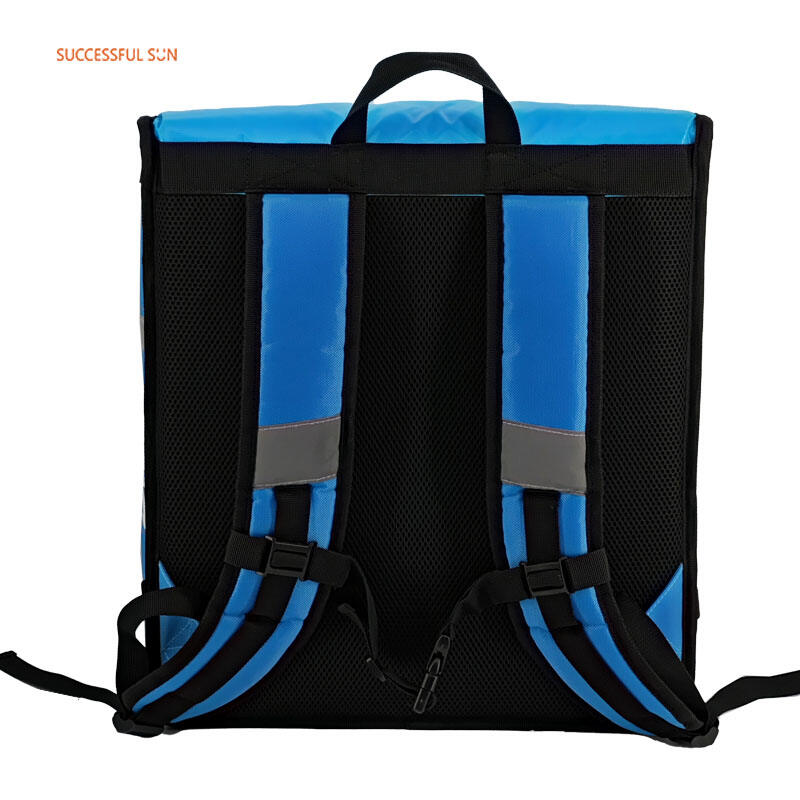
Quality thermal backpack designs prioritize user comfort through adjustable strapping systems, padded shoulder straps, and ventilated back panels. These features allow users to customize the fit for their body type and load requirements, ensuring comfortable wear during extended use. Chest and waist straps help distribute weight evenly and prevent the pack from shifting during movement.
Many models also include moisture-wicking materials in contact areas to prevent excessive sweating and discomfort during warm weather use. The ergonomic design considerations make thermal backpack solutions suitable for all-day professional use without causing significant physical strain or discomfort to the user.
Versatile Applications Across Industries
Food Delivery Service Applications
The food delivery industry has embraced thermal backpack technology as restaurants and delivery platforms recognize the importance of maintaining food quality during transport. These specialized carriers ensure that customers receive their meals at the intended temperature, improving satisfaction ratings and reducing complaints about lukewarm or soggy food. The professional appearance of quality thermal carriers also enhances brand image for delivery services.
Restaurant partnerships often require delivery personnel to use approved thermal backpack equipment to maintain food safety standards and protect their reputation. The consistent temperature control provided by these systems helps businesses comply with health department regulations regarding food transport and storage.
Outdoor Recreation and Adventure Use
Outdoor enthusiasts have discovered that thermal backpack systems provide excellent solutions for camping, hiking, and picnic applications. These carriers allow adventurers to transport fresh foods, cold beverages, or even frozen items to remote locations where refrigeration isn't available. The durable construction typically featured in thermal backpack designs also withstands rough outdoor conditions better than standard coolers.
Beach trips, tailgating events, and outdoor festivals benefit significantly from thermal backpack convenience, as users can easily transport refreshments while keeping hands free for other gear. The compact design and efficient packing make these carriers ideal for situations where space and weight are important considerations.
Cost-Effective and Sustainable Benefits
Long-Term Durability and Value
Investing in a quality thermal backpack provides excellent long-term value compared to disposable insulation methods or frequent replacement of inferior carriers. Professional-grade models are built to withstand thousands of use cycles while maintaining their insulation properties and structural integrity. The durable construction materials resist wear, tear, and temperature-related degradation that quickly destroys cheaper alternatives.
Commercial users often find that thermal backpack systems pay for themselves within months through improved efficiency, reduced food waste, and enhanced customer satisfaction. The initial investment in quality equipment generates ongoing returns through better service delivery and reduced operational costs associated with temperature control failures.
Environmental Impact Reduction
Reusable thermal backpack solutions significantly reduce environmental waste compared to disposable insulation methods like styrofoam containers or single-use ice packs. Professional food delivery operations can eliminate thousands of disposable containers annually by switching to reusable thermal carrier systems. This environmental benefit aligns with growing consumer preferences for sustainable business practices.
The reduced need for ice or chemical cooling packs also decreases transportation weight and disposal costs, creating additional environmental and economic benefits. Many thermal backpack manufacturers now incorporate recycled materials or eco-friendly production processes, further enhancing the sustainability profile of these products.
Safety and Food Quality Assurance
Temperature Danger Zone Prevention
Food safety regulations emphasize keeping perishable items outside the temperature danger zone between 40°F and 140°F, where harmful bacteria multiply rapidly. A properly functioning thermal backpack system provides reliable protection against temperature abuse during transport, reducing foodborne illness risks and liability concerns for food service businesses.
The consistent temperature control offered by quality thermal carriers helps maintain food texture, flavor, and nutritional value during transport. Hot foods arrive steaming and appetizing, while cold items retain their freshness and appeal. This quality preservation directly impacts customer satisfaction and repeat business for food delivery operations.
Compliance with Health Regulations
Health departments and food safety authorities increasingly require temperature-controlled transport for commercial food operations. Thermal backpack systems help businesses demonstrate compliance with these regulations through reliable temperature maintenance capabilities. Some advanced models even include temperature logging features that provide documentation for regulatory inspections.
The professional appearance and obvious temperature control capabilities of thermal backpack equipment also help businesses pass health inspections and maintain required certifications. This regulatory compliance protection is essential for maintaining operating licenses and avoiding costly violations or shutdowns.
Operational Efficiency Improvements
Increased Delivery Capacity
The organized storage compartments and efficient packing design of thermal backpack systems often allow delivery personnel to transport more orders per trip compared to traditional methods. Multiple insulated compartments can separate different order types or temperature requirements, enabling mixed loads that maximize delivery efficiency.
The streamlined carrying method also reduces loading and unloading time at restaurants and customer locations, allowing delivery workers to complete more deliveries per hour. This efficiency improvement directly translates to increased earnings for delivery personnel and improved service capacity for food businesses.
Reduced Maintenance and Replacement Costs
Quality thermal backpack systems require minimal maintenance compared to mechanical refrigeration units or complex cooling systems. Regular cleaning and occasional zipper maintenance typically represent the only ongoing care requirements, making these systems highly cost-effective for commercial operations.
The absence of electrical components or mechanical parts eliminates the risk of breakdowns that could disrupt delivery operations. This reliability advantage is particularly valuable for businesses that depend on consistent food transport capabilities to maintain customer service levels and revenue streams.
FAQ
How long can a thermal backpack maintain food temperatures
A quality thermal backpack can typically maintain hot food temperatures above 140°F for 2-4 hours and keep cold items below 40°F for 4-6 hours, depending on external conditions, insulation quality, and load capacity. Professional-grade models with superior insulation materials may extend these timeframes significantly, while frequent opening or extreme weather conditions can reduce performance. Pre-conditioning the thermal backpack by cooling or heating it before loading can improve temperature retention duration.
What features should I look for when choosing a thermal backpack
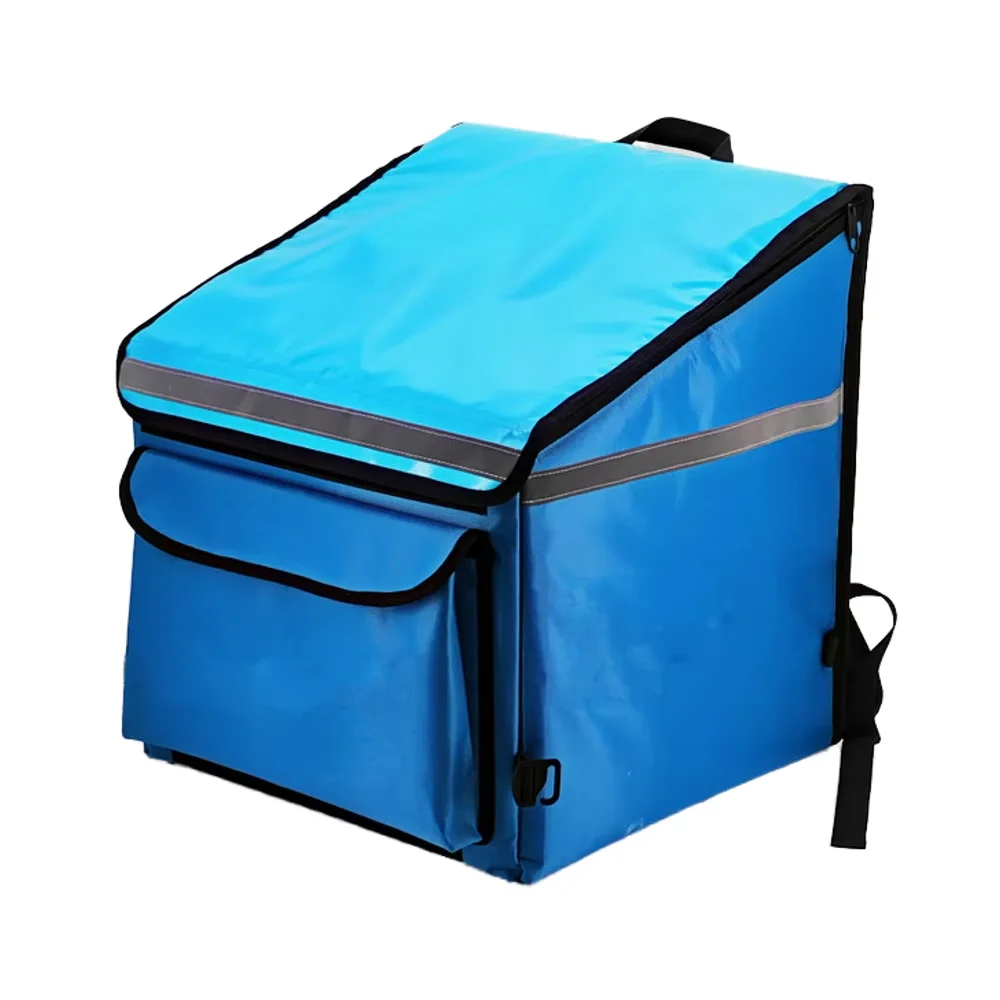
Key features to consider include insulation thickness and quality, waterproof exterior materials, adjustable padded straps, multiple compartments for organization, easy-clean interior surfaces, and durable zippers designed for frequent use. Professional users should also consider capacity requirements, weight distribution, and any specific industry compliance needs. Additional features like external pockets, reflective safety strips, or temperature monitoring capabilities may be valuable depending on intended applications.
Are thermal backpacks suitable for both hot and cold food transport
Yes, thermal backpack systems are designed to maintain both hot and cold temperatures effectively by providing insulation that works in both directions. The same insulation that keeps cold items from warming up also prevents hot foods from cooling down. Many models include separate compartments that allow simultaneous transport of items at different temperatures, though this requires careful packing to prevent temperature transfer between compartments.
How do thermal backpacks compare to traditional cooler boxes for food delivery
Thermal backpack systems offer superior mobility, hands-free operation, and better weight distribution compared to traditional cooler boxes, making them ideal for delivery applications involving stairs, crowded areas, or long walking distances. While large cooler boxes may offer greater capacity, thermal backpack designs provide better portability and user comfort for professional delivery work. The choice depends on specific route requirements, capacity needs, and whether mobility or maximum storage volume is the priority.