
 EN
EN


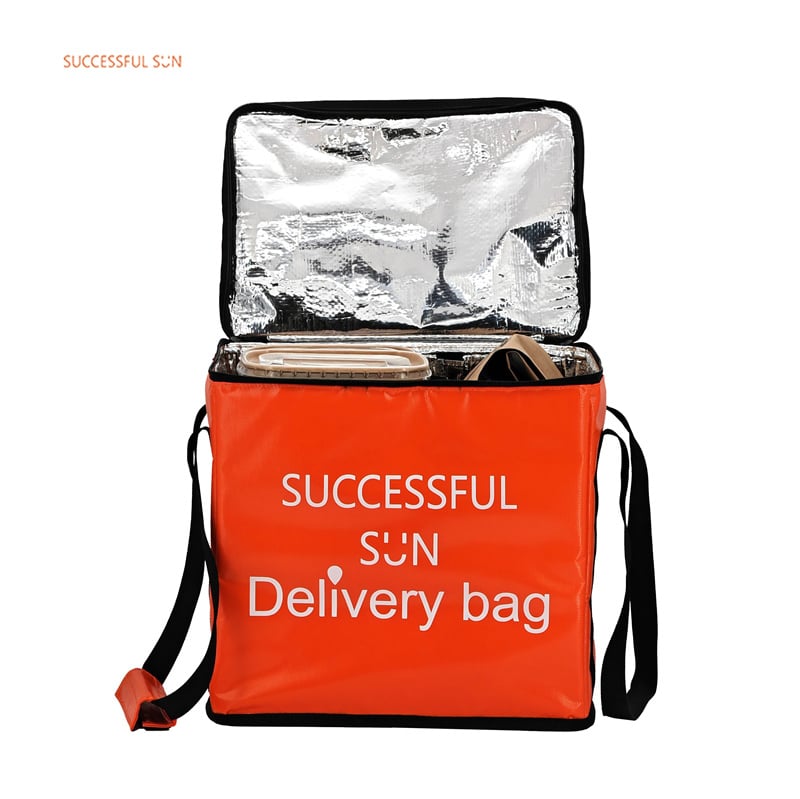
When it comes to maintaining food temperature during transport or storage, selecting the right thermal food bag can make all the difference between fresh, appetizing meals and disappointing culinary experiences. Whether you're a food delivery professional, catering business owner, or someone who enjoys outdoor dining, understanding the key features and benefits of a quality thermal food bag is essential for making an informed purchasing decision. The market offers numerous options, each designed to meet specific requirements ranging from professional food service applications to personal use scenarios.
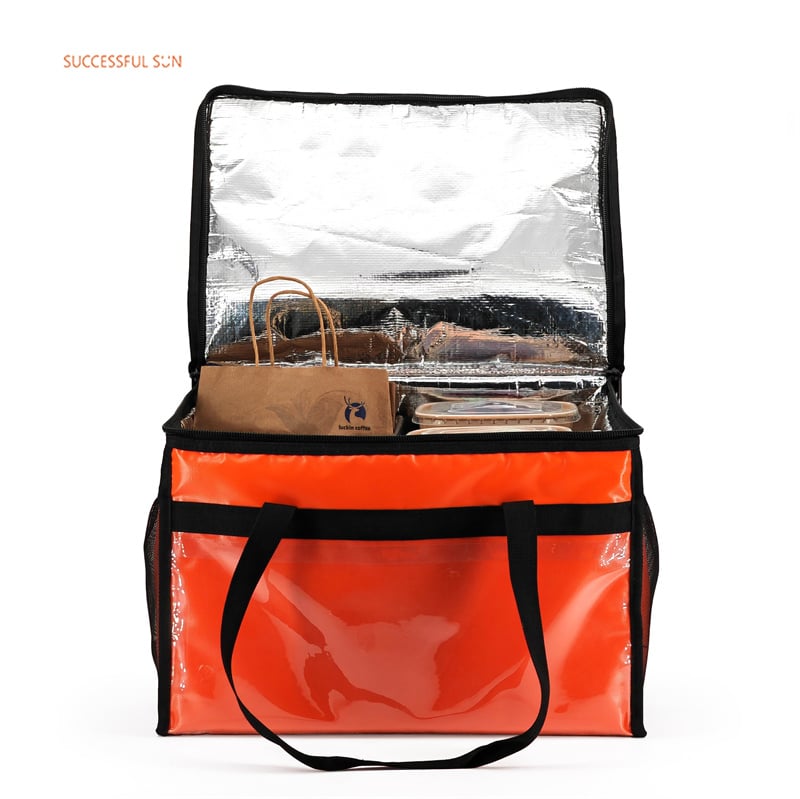
A thermal food bag serves as a portable insulation system that preserves the temperature of both hot and cold foods for extended periods. These specialized containers utilize advanced insulation materials and construction techniques to create thermal barriers that prevent heat transfer. The effectiveness of any thermal food bag depends on multiple factors including insulation quality, seal integrity, material durability, and overall design efficiency. Understanding these fundamental principles helps consumers evaluate different products and choose solutions that align with their specific temperature maintenance requirements.
Essential Features of High-Quality Thermal Food Bags
Insulation Technology and Materials
The core performance of any thermal food bag relies heavily on its insulation technology and the materials used in construction. Premium thermal food bag models typically incorporate multiple insulation layers, including reflective barriers, foam padding, and air-tight sealing systems. These components work together to create an effective thermal envelope that maintains desired temperatures for hours. The most advanced thermal food bag designs feature specialized insulation materials such as closed-cell foam, which provides superior thermal resistance while remaining lightweight and flexible for easy handling.
Modern thermal food bag construction often includes reflective aluminum linings that reflect heat energy back toward the food contents, significantly improving temperature retention performance. This technology is particularly effective for maintaining hot food temperatures, as it prevents radiant heat loss through the bag walls. Additionally, high-quality thermal food bag models incorporate vapor barriers that prevent moisture transfer, which can compromise insulation effectiveness and lead to condensation issues that affect food quality.
Size and Capacity Considerations
Selecting the appropriate size thermal food bag requires careful consideration of intended use patterns and typical food quantities. Commercial food delivery operations often require larger capacity thermal food bag options that can accommodate multiple orders simultaneously while maintaining individual temperature zones. Personal use scenarios may favor smaller, more portable thermal food bag designs that offer convenience without unnecessary bulk. The internal dimensions and compartment configuration of a thermal food bag directly impact its versatility and practical application across different food service scenarios.
Capacity planning for thermal food bag selection should account for peak usage scenarios rather than average requirements. This approach ensures adequate space during busy periods while preventing the need for multiple trips or inadequate temperature maintenance due to overcrowding. Many professional-grade thermal food bag models offer modular designs or adjustable compartments that provide flexibility for varying load requirements, making them suitable for diverse applications from catering events to delivery services.
Performance Factors That Impact Temperature Retention
Seal Quality and Closure Systems
The effectiveness of any thermal food bag depends significantly on its ability to create and maintain an airtight seal that prevents temperature exchange with the external environment. High-performance closure systems typically feature heavy-duty zippers with insulated strips, magnetic seals, or compression mechanisms that ensure complete thermal isolation. A well-designed thermal food bag incorporates multiple sealing points and overlapping closure areas that eliminate thermal bridging and maintain consistent internal temperatures even during transport over rough terrain or extended periods.
Professional-grade thermal food bag models often include additional sealing features such as roll-top closures or compression straps that enhance the primary zipper system. These secondary sealing mechanisms provide redundant protection against temperature loss and help maintain bag shape under varying load conditions. The durability of closure systems is particularly important for commercial applications where a thermal food bag may undergo hundreds of opening and closing cycles, requiring robust construction that maintains sealing integrity over extended use periods.
Material Durability and Weather Resistance
The external materials used in thermal food bag construction must withstand various environmental conditions while maintaining structural integrity and insulation performance. Premium thermal food bag designs utilize weather-resistant fabrics that repel moisture, resist punctures, and maintain flexibility across temperature extremes. These materials protect the internal insulation system from damage while ensuring the bag remains functional in challenging outdoor conditions or high-traffic commercial environments.
Canvas and nylon materials are commonly used in professional thermal food bag construction due to their excellent durability characteristics and resistance to wear from repeated use. Waterproof coatings and reinforced stress points further enhance the longevity of quality thermal food bag products, making them suitable for demanding applications where reliability is essential. The combination of robust exterior materials with advanced insulation technology creates thermal food bag solutions that deliver consistent performance across diverse operating conditions.
Applications and Use Cases for Thermal Food Bags
Commercial Food Delivery Operations
Food delivery services rely heavily on thermal food bag technology to ensure customer satisfaction and maintain food quality standards during transport. Professional delivery operations require thermal food bag solutions that can handle multiple orders simultaneously while keeping each item at optimal serving temperature. The efficiency of delivery operations directly correlates with the performance of their thermal food bag systems, as temperature maintenance affects customer satisfaction, food safety compliance, and business reputation.
Commercial-grade thermal food bag models designed for delivery services often feature organizational compartments, exterior pockets for delivery accessories, and ergonomic carrying systems that facilitate efficient operation. These specialized designs help delivery professionals maintain productivity while ensuring food quality, making the thermal food bag an essential tool for successful food service operations.
Catering and Event Services
Catering operations face unique challenges in maintaining food quality during transport to event venues, making thermal food bag selection critical for service success. Large-capacity thermal food bag systems enable caterers to transport significant quantities of prepared foods while maintaining serving temperatures for extended periods. The versatility of modern thermal food bag designs allows catering professionals to handle diverse menu items from hot entrees to chilled desserts using specialized temperature zones within the same transport system.
Event catering requires thermal food bag solutions that can maintain food safety standards while accommodating the logistical challenges of off-site food service. Professional catering thermal food bag systems often include features such as removable dividers, stackable designs, and heavy-duty construction that withstands the rigors of event setup and service. These capabilities make the thermal food bag an indispensable component of professional catering equipment inventories.
Maintenance and Care Guidelines
Cleaning and Sanitization Procedures
Proper maintenance of thermal food bag equipment ensures optimal performance and extends product lifespan while meeting food safety requirements. Regular cleaning procedures should address both interior and exterior surfaces using appropriate sanitization methods that don't compromise insulation materials or sealing systems. Food-grade cleaning solutions and gentle cleaning techniques help maintain the integrity of thermal food bag components while eliminating bacteria and odors that can affect food quality.
Commercial thermal food bag maintenance protocols often include daily cleaning routines, periodic deep sanitization procedures, and regular inspection of wear points such as zippers, seams, and closure mechanisms. These comprehensive maintenance approaches help identify potential issues before they affect thermal food bag performance, ensuring consistent temperature maintenance and food safety compliance across all operations.
Storage and Handling Best Practices
Proper storage techniques significantly impact the longevity and performance of thermal food bag equipment. When not in use, thermal food bag products should be stored in clean, dry environments with adequate ventilation to prevent moisture accumulation and mold growth. Avoiding compression or folding of thermal food bag insulation materials helps maintain their effectiveness and prevents permanent damage that could compromise temperature retention capabilities.
Handling procedures for thermal food bag equipment should emphasize gentle treatment of insulation materials and closure systems. Avoiding overloading, preventing sharp object contact, and using appropriate lifting techniques help preserve the structural integrity of thermal food bag products. These careful handling practices ensure that thermal food bag investments provide reliable service over extended periods while maintaining peak performance characteristics.
Cost Considerations and Value Analysis
Initial Investment vs Long-Term Benefits
Evaluating thermal food bag options requires balancing initial purchase costs against long-term operational benefits and durability expectations. Premium thermal food bag models typically command higher upfront prices but often deliver superior performance, extended lifespans, and lower total cost of ownership through reduced replacement frequency and improved operational efficiency. Professional users should consider the impact of thermal food bag performance on customer satisfaction, food safety compliance, and business reputation when making purchasing decisions.
The value proposition of quality thermal food bag equipment becomes apparent through consistent temperature maintenance, reduced food waste, and enhanced customer satisfaction. Professional food service operations often find that investing in superior thermal food bag technology pays dividends through improved service quality and operational reliability. These benefits justify premium pricing for thermal food bag products that deliver measurable improvements in food service performance.
Comparing Different Price Points
The thermal food bag market offers products across various price ranges, each targeting different user requirements and performance expectations. Budget thermal food bag options may provide adequate performance for occasional personal use but often lack the durability and advanced features required for commercial applications. Mid-range thermal food bag models typically offer balanced performance and durability suitable for small business operations or frequent personal use scenarios.
Premium thermal food bag products justify their higher costs through superior materials, advanced insulation technology, and robust construction designed for demanding commercial applications. These high-end thermal food bag solutions often include specialized features such as modular designs, enhanced durability, and extended warranty coverage that provide additional value for professional users. Understanding the relationship between price and performance helps buyers select thermal food bag options that align with their specific requirements and budget constraints.
FAQ
How long can a thermal food bag maintain food temperature
The temperature retention capability of a thermal food bag varies significantly based on construction quality, external conditions, and initial food temperature. High-quality thermal food bag models can maintain hot food temperatures above safe serving levels for 2-4 hours under normal conditions, while cold foods may remain properly chilled for 4-6 hours. Factors such as ambient temperature, bag preconditioning, and food container materials all influence thermal food bag performance duration.
What size thermal food bag do I need for delivery services
Delivery service thermal food bag sizing should accommodate peak order volumes while allowing efficient transport and handling. Most delivery operations benefit from thermal food bag models with 20-40 liter capacity, providing space for multiple orders while maintaining manageable weight and dimensions. Consider thermal food bag options with compartment dividers to separate different orders and maintain organization during busy delivery periods.
Can thermal food bags be used for both hot and cold foods
Quality thermal food bag designs effectively maintain both hot and cold temperatures by preventing heat transfer in either direction. The same insulation principles that keep hot foods warm also prevent cold foods from gaining heat from the environment. However, avoid mixing hot and cold items in the same thermal food bag compartment, as this can compromise temperature maintenance for both food types.
How do I clean and maintain my thermal food bag properly
Proper thermal food bag maintenance involves regular cleaning with mild, food-safe detergents and thorough drying to prevent moisture-related issues. Wipe interior surfaces with sanitizing solutions appropriate for food contact applications, and clean exterior materials according to manufacturer guidelines. Allow complete air drying before storage, and inspect seals, zippers, and insulation integrity regularly to ensure continued thermal food bag performance.