
 EN
EN


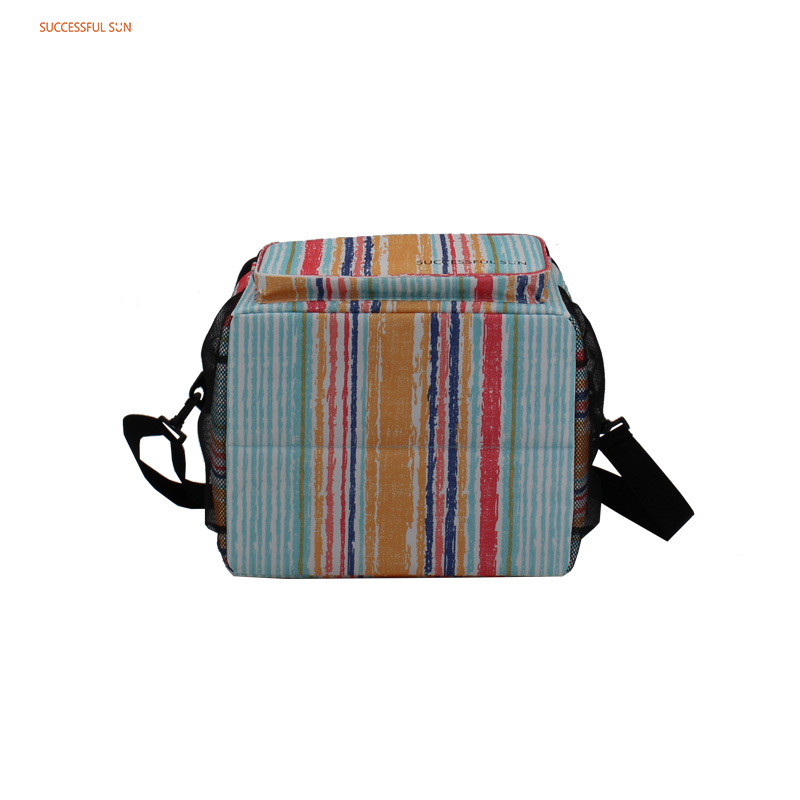
Modern food delivery and meal preparation have transformed how we approach daily nutrition, making a reliable thermal food bag an essential investment for maintaining food quality and temperature. Whether you're delivering meals professionally, packing lunch for work, or organizing family picnics, understanding the key features that define an exceptional thermal food bag ensures you make the right choice for your specific needs. The perfect thermal food bag combines superior insulation technology, durable construction, and practical design elements that enhance both functionality and user experience throughout various daily applications.
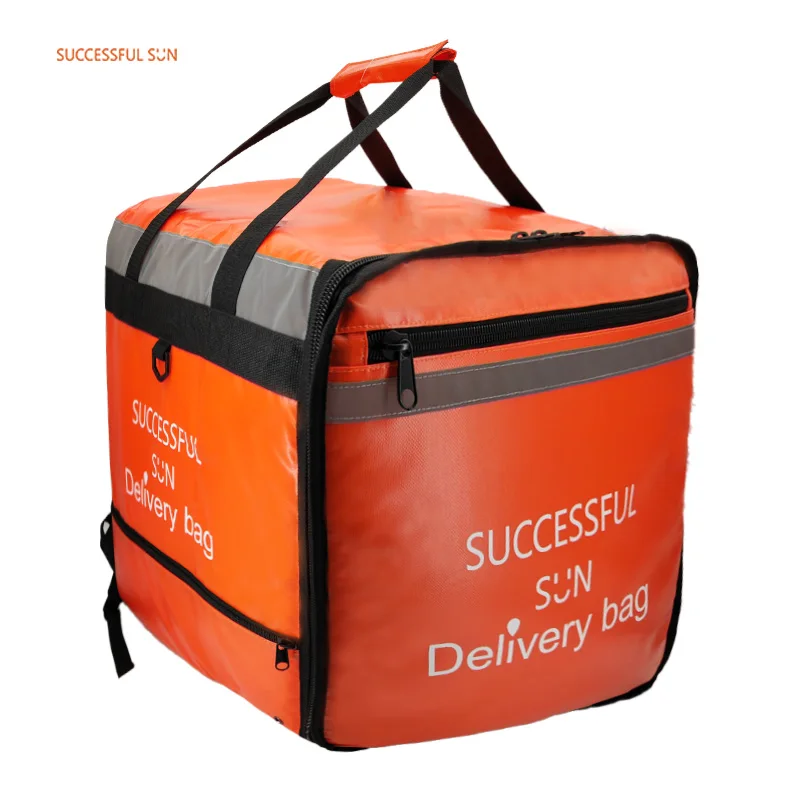
Professional food delivery services and individual users alike recognize that temperature control directly impacts food safety, taste, and overall customer satisfaction. A high-quality thermal food bag maintains optimal temperatures for extended periods, preventing bacterial growth while preserving the intended texture and flavor of prepared meals. The effectiveness of these specialized containers depends heavily on advanced insulation materials, strategic design features, and construction quality that withstand repeated daily use across diverse environmental conditions.
Essential Insulation Technologies
Multi-Layer Thermal Barriers
Premium thermal food bag designs incorporate multiple insulation layers that work synergistically to maintain consistent internal temperatures. The outer shell typically features water-resistant materials that protect against external temperature fluctuations and moisture penetration. Between the outer and inner layers, manufacturers integrate specialized foam insulation or reflective materials that create effective thermal barriers, significantly reducing heat transfer rates compared to standard bags.
Advanced thermal food bag construction often includes aluminum foil lining or metalized polyethylene films that reflect radiant heat back toward food contents. This reflective technology proves particularly effective for maintaining hot food temperatures during extended transport periods. The combination of these materials creates a comprehensive insulation system that performs consistently across various temperature ranges and environmental conditions.
Specialized Foam Applications
High-density foam insulation represents a cornerstone technology in professional-grade thermal food bag manufacturing. Closed-cell foam structures prevent air circulation while maintaining structural integrity under repeated compression and expansion cycles. This foam technology provides superior insulation properties compared to traditional batting or fiber-based alternatives, ensuring consistent performance throughout the product's operational lifespan.
The thickness and density of foam insulation directly correlate with thermal retention capabilities, with premium models featuring optimized foam configurations that balance insulation effectiveness with overall bag weight and portability. Strategic foam placement around critical areas, including seams and closure points, eliminates potential thermal bridges that could compromise overall insulation performance in daily use applications.
Durability and Construction Quality
Material Selection Standards
Professional-grade thermal food bag construction relies on carefully selected materials that withstand the rigorous demands of daily commercial and personal use. High-denier nylon or polyester fabrics provide excellent tear resistance and abrasion protection, ensuring the bag maintains structural integrity even when subjected to frequent loading, transport, and cleaning cycles. These materials also resist staining and odor absorption, maintaining hygiene standards essential for food service applications.
Reinforced stitching patterns and stress-point reinforcements prevent premature failure at critical junction areas where handles, zippers, and seams experience concentrated mechanical stress. Quality manufacturers utilize heavy-duty thread and advanced stitching techniques that create secure, long-lasting seams capable of supporting substantial food loads without compromising bag integrity or thermal performance.
Hardware and Component Reliability
Zipper systems represent critical components in thermal food bag functionality, requiring robust construction that maintains reliable closure while preserving thermal seal integrity. Heavy-duty zippers with corrosion-resistant components ensure smooth operation even after thousands of opening and closing cycles. The zipper tape integration must create effective thermal seals that prevent temperature leakage while remaining easy to operate under various conditions.
Handle systems and carrying mechanisms must demonstrate exceptional strength and ergonomic design to support fully loaded bags during extended transport periods. Reinforced handle attachment points, padded carrying surfaces, and adjustable shoulder straps contribute to user comfort while ensuring reliable load distribution that prevents premature wear or failure of critical structural components.
Practical Design Features
Size and Capacity Optimization
Effective thermal food bag design balances internal capacity with portability requirements, creating versatile solutions that accommodate various food container sizes and meal configurations. Optimal interior dimensions allow efficient packing of standard food containers while minimizing dead air space that could compromise thermal efficiency. Strategic compartmentalization enables separation of different food items while maintaining overall temperature control throughout the storage compartment.
Expandable design elements, such as adjustable straps or flexible side panels, provide accommodation for varying load sizes while maintaining structural integrity and thermal performance. This adaptability ensures the thermal food bag remains practical for diverse applications, from single-meal transport to large-scale catering operations requiring multiple container accommodation.
Accessibility and Organization
Well-designed thermal food bag models incorporate thoughtful organizational features that enhance usability during daily operations. Multiple access points, including top-loading and front-panel openings, provide convenient access to contents without compromising thermal integrity. These design elements prove particularly valuable in commercial delivery applications where quick access and efficient organization directly impact service quality and operational efficiency.
Internal organizational systems, including adjustable dividers, elastic retention systems, and dedicated compartments for accessories, help maintain order while preventing damage to fragile food items during transport. External pocket systems provide convenient storage for delivery documentation, utensils, and other accessories without interfering with the primary thermal storage compartment.
Performance in Various Applications
Commercial Food Delivery
Professional food delivery services demand thermal food bag solutions that maintain consistent performance across diverse operational conditions and extended use cycles. Commercial-grade models must demonstrate superior thermal retention capabilities that preserve food quality during multi-stop delivery routes while maintaining structural durability under repeated loading and unloading operations. The ability to stack multiple bags efficiently while maintaining individual thermal performance represents a critical consideration for delivery fleet operations.
Branding and customization options enable food service businesses to maintain professional appearance while benefiting from superior thermal food bag performance. Custom logo application, color coordination, and size variations allow businesses to create cohesive brand presentation while ensuring optimal functionality for their specific operational requirements and delivery vehicle configurations.
Personal and Family Use
Individual users benefit from thermal food bag designs that prioritize convenience, portability, and versatility for various personal applications. Compact models suitable for daily lunch transport must balance thermal performance with size constraints imposed by workplace storage limitations. Family-oriented thermal food bag solutions accommodate larger quantities while remaining manageable for recreational activities such as picnics, camping, or sporting events.
Easy maintenance requirements and simple cleaning procedures enhance the practical value of thermal food bag investments for personal use. Removable liner systems, stain-resistant materials, and simplified construction enable users to maintain hygiene standards without extensive cleaning efforts, ensuring consistent performance throughout the product's service life.
Maintenance and Longevity
Proper Care Procedures
Maximizing thermal food bag performance and longevity requires adherence to appropriate maintenance procedures that preserve insulation effectiveness and structural integrity. Regular cleaning with mild detergents and thorough drying prevents bacterial growth and odor development while maintaining material properties. Avoiding harsh chemicals and excessive heat during cleaning protects specialized materials and adhesive systems that contribute to thermal performance.
Proper storage techniques, including avoiding compression and exposure to extreme temperatures, help maintain insulation effectiveness and prevent premature material degradation. Regular inspection of zipper systems, seams, and handle attachments enables early identification of potential issues before they compromise overall bag functionality or safety.
Performance Preservation
Maintaining optimal thermal food bag performance throughout extended service life requires attention to factors that could gradually reduce insulation effectiveness. Avoiding overloading beyond manufacturer specifications prevents structural stress that could create thermal bridges or compromise seam integrity. Proper pre-conditioning procedures, such as pre-cooling or pre-heating the bag interior, optimize thermal performance for specific applications.
Understanding the limitations and optimal operating conditions for specific thermal food bag models ensures users achieve maximum performance while avoiding practices that could accelerate wear or reduce effectiveness. Following manufacturer guidelines for load distribution, temperature ranges, and usage frequency helps maintain consistent performance throughout the product's intended service life.
FAQ
How long can a quality thermal food bag maintain food temperature
A well-constructed thermal food bag typically maintains hot food temperatures above 140°F for 2-4 hours and keeps cold foods below 40°F for 4-6 hours, depending on external conditions and initial food temperature. Premium models with advanced insulation systems may extend these timeframes significantly, particularly when properly pre-conditioned and fully loaded to minimize air space.
What size thermal food bag works best for daily meal transport
For individual daily use, a thermal food bag with 8-12 liter capacity typically accommodates standard lunch containers while remaining portable and manageable. Commercial delivery applications often require 20-40 liter capacities to handle multiple orders efficiently, while family recreational use may benefit from 15-25 liter models that balance capacity with portability requirements.
Can thermal food bags be used for both hot and cold food items
Yes, quality thermal food bag designs work effectively for both hot and cold food applications by preventing heat transfer in either direction. The same insulation technology that keeps hot food warm also prevents external heat from warming cold contents, making these bags versatile for various food service and personal use applications throughout different seasons.
How do I choose between different thermal food bag insulation types
Foam-based insulation typically provides superior thermal retention and durability for heavy-duty applications, while reflective foil systems offer lightweight alternatives suitable for occasional use. Multi-layer combinations deliver optimal performance but increase cost and weight, making them ideal for professional applications where maximum thermal retention justifies the additional investment in premium materials and construction.