
 EN
EN



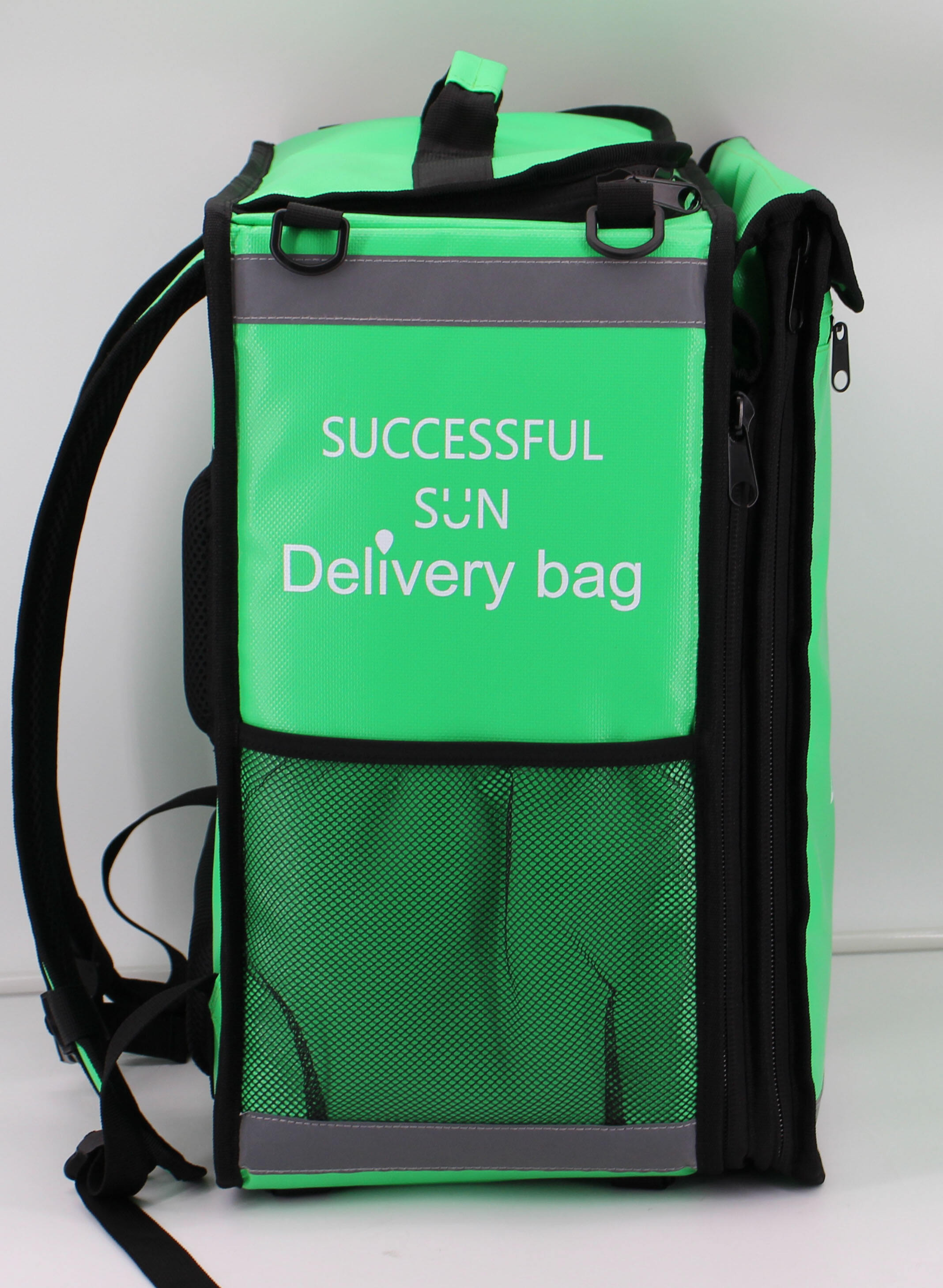
The courier industry has experienced unprecedented growth in recent years, driven by the surge in online shopping and food delivery services. As this sector continues to expand, the demand for reliable and efficient equipment has never been higher. At the heart of every successful courier operation lies a crucial piece of equipment that can make or break daily performance: the delivery backpack. This essential tool serves as the mobile office and cargo hold for countless professionals who navigate busy streets, climb apartment stairs, and race against time to ensure customer satisfaction.
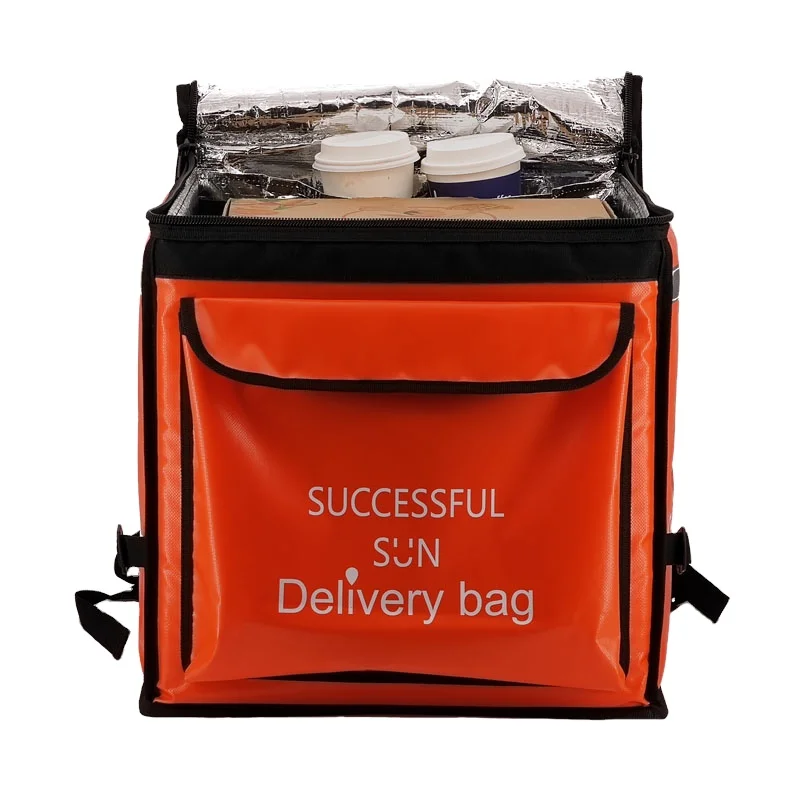
Selecting the right delivery backpack requires careful consideration of multiple factors that directly impact work efficiency, physical comfort, and long-term durability. Professional couriers understand that their backpack is not merely a container but a sophisticated piece of equipment that must withstand harsh weather conditions, heavy loads, and constant use throughout extended work shifts. The wrong choice can lead to damaged goods, customer complaints, physical strain, and ultimately, reduced earning potential.
Modern delivery operations demand equipment that can adapt to diverse cargo types, from delicate electronics to hot food items, while maintaining optimal temperature control and protection standards. The evolution of delivery services has created specialized requirements that traditional backpacks simply cannot meet, making professional-grade delivery backpacks an essential investment for serious courier professionals.
Essential Features for Professional Delivery Operations
Capacity and Size Considerations
The capacity of a delivery backpack directly correlates with earning potential and operational efficiency. Professional couriers typically require backpacks with capacities ranging from 45 to 65 liters, depending on their specific delivery routes and cargo types. Large-capacity backpacks enable couriers to accept multiple orders simultaneously, reducing the number of trips back to pickup locations and maximizing time efficiency.
Size considerations extend beyond mere volume to include dimensional compatibility with various delivery items. Modern delivery backpacks feature expandable compartments and modular designs that accommodate everything from pizza boxes to grocery bags. The internal layout should provide adequate space for standard delivery containers while maintaining structural integrity when fully loaded.
Weight distribution becomes critical when dealing with larger capacities, as improperly balanced loads can cause physical strain and reduce mobility. Professional-grade backpacks incorporate ergonomic design principles that distribute weight evenly across the back and shoulders, preventing fatigue during extended delivery sessions.
Material Durability and Weather Resistance
The harsh realities of courier work demand materials that can withstand extreme weather conditions, frequent handling, and continuous exposure to urban environments. High-quality delivery backpacks utilize military-grade fabrics, reinforced stitching, and waterproof coatings that maintain integrity despite daily abuse. These materials must resist tearing, punctures, and UV degradation while remaining lightweight enough for comfortable extended wear.
Weather resistance represents a non-negotiable feature for professional delivery operations. Rain, snow, and humidity can destroy valuable cargo and electronics, leading to costly replacements and damaged customer relationships. Superior backpacks incorporate sealed seams, waterproof zippers, and breathable yet impermeable fabrics that protect contents while allowing moisture management.
Material selection also affects maintenance requirements and long-term cost effectiveness. Easy-to-clean surfaces reduce downtime between shifts and help maintain professional appearance standards. Antimicrobial treatments prevent odor buildup and bacterial growth, particularly important for food delivery applications.
Specialized Compartments and Organization Systems
Insulation Technology for Temperature Control
Temperature-sensitive deliveries require sophisticated insulation systems that maintain proper thermal conditions throughout the delivery process. Advanced delivery backpack designs incorporate multiple insulation layers, reflective barriers, and thermal retention materials that keep hot foods hot and cold items cold for extended periods.
Modern insulation technology extends beyond basic foam padding to include phase-change materials and vacuum-sealed compartments that provide superior temperature stability. These advanced systems maintain consistent internal temperatures despite external weather fluctuations, ensuring food safety compliance and customer satisfaction.
Separate thermal zones within the same backpack allow couriers to handle mixed deliveries efficiently. Independent temperature-controlled compartments prevent cross-contamination between hot and cold items while maximizing cargo capacity and delivery versatility.
Security Features and Access Control
Professional delivery operations require robust security measures that protect valuable cargo from theft and tampering. Modern backpacks incorporate lockable zippers, reinforced access points, and anti-theft design elements that deter opportunistic criminals while providing legitimate access for authorized personnel.
Quick-access compartments balance security with operational efficiency, allowing couriers to retrieve items rapidly without compromising overall cargo protection. These design features reduce delivery times and improve customer experience while maintaining security standards throughout the delivery process.
Integration with mobile technology enhances security through GPS tracking, digital locks, and smartphone connectivity. These features provide real-time monitoring capabilities and automated security protocols that protect both courier and customer interests during delivery operations.
Comfort and Ergonomic Design Elements
Load Distribution and Support Systems
Ergonomic design principles form the foundation of professional delivery backpack construction, ensuring that couriers can work efficiently without suffering physical strain or injury. Advanced load distribution systems utilize anatomically shaped back panels, adjustable suspension systems, and strategic padding placement to minimize pressure points and maximize comfort during extended wear periods.
Professional backpacks incorporate frame systems that transfer weight from the shoulders to the hips, reducing spinal compression and preventing long-term injury. These internal or external frame designs maintain structural integrity under heavy loads while providing the flexibility needed for urban navigation and delivery activities.
Ventilation channels integrated into the back panel design prevent excessive heat buildup and moisture accumulation, maintaining comfort during intense physical activity. These airflow systems reduce fatigue and improve overall work performance throughout demanding delivery schedules.
Adjustability and Fit Customization
Individual body dimensions and delivery requirements vary significantly among courier professionals, making adjustability a critical feature for optimal performance. High-quality delivery backpacks provide extensive adjustment options for torso length, shoulder width, hip positioning, and load stabilization to accommodate diverse user needs.
Micro-adjustment systems allow fine-tuning of fit parameters throughout the workday as loads change and physical conditions evolve. Quick-release mechanisms enable rapid adjustments without removing the backpack, maintaining operational efficiency during busy delivery periods.
Gender-specific design considerations address anatomical differences between male and female couriers, providing optimized fit and comfort for all users. These specialized designs improve performance and reduce injury risk across diverse workforce populations.
Technology Integration and Modern Features
Smart Connectivity and Digital Integration
Modern delivery operations increasingly rely on digital technology for routing, tracking, and communication, making technology integration a valuable feature in professional backpacks. Built-in charging ports, cable management systems, and device storage compartments support smartphone and tablet usage throughout delivery operations.
GPS tracking integration provides fleet managers with real-time location data while offering couriers navigation assistance and route optimization. These connected features improve operational efficiency and enhance security for both equipment and personnel during delivery activities.
Bluetooth connectivity enables hands-free communication and delivery confirmation, allowing couriers to maintain contact with dispatch and customers without interrupting delivery workflows. Voice-activated controls further enhance safety by reducing manual device interaction while riding or walking.
LED Lighting and Visibility Enhancement
Safety considerations become paramount during evening and early morning delivery operations when visibility conditions are challenging. Integrated LED lighting systems provide illumination for package identification, address verification, and personal safety during low-light conditions.
Reflective materials and high-visibility color schemes enhance courier visibility to motorists and pedestrians, reducing accident risk and improving overall safety standards. These features comply with workplace safety regulations while providing practical benefits during challenging operating conditions.
Rechargeable lighting systems with long battery life ensure consistent illumination throughout extended work shifts. USB charging capabilities allow convenient power management without requiring separate charging equipment or frequent battery replacements.
Cost Considerations and Value Assessment
Initial Investment versus Long-term Value
Professional delivery backpacks represent a significant upfront investment that must be evaluated against long-term operational benefits and cost savings. High-quality backpacks typically cost between 200 to 500 dollars but provide superior durability, performance, and features that justify the premium pricing through extended service life and improved earning potential.
Cost-benefit analysis should consider factors such as warranty coverage, replacement frequency, maintenance requirements, and impact on work efficiency. Premium backpacks often include comprehensive warranties and customer support services that provide additional value beyond the initial purchase price.
Financing options and bulk purchase discounts may be available for courier companies outfitting multiple employees, making high-quality equipment more accessible to smaller operations. These programs help distribute costs while ensuring consistent equipment standards across delivery teams.
Maintenance and Lifecycle Management
Proper maintenance practices significantly extend backpack service life while maintaining peak performance standards. Regular cleaning, component inspection, and preventive maintenance reduce repair costs and prevent unexpected equipment failures during critical delivery periods.
Replacement part availability ensures that minor component failures do not require complete backpack replacement, reducing long-term ownership costs. Modular designs allow component upgrades and customization as operational requirements evolve over time.
Professional repair services and warranty support provide additional protection for equipment investments while maintaining operational continuity during maintenance periods. These services represent valuable insurance against unexpected costs and operational disruptions.
FAQ
What size delivery backpack is most suitable for food delivery services
Food delivery services typically require backpacks with 45-55 liter capacity to accommodate standard restaurant containers and multiple orders. The ideal size depends on delivery vehicle type, average order volume, and local delivery distances. Larger backpacks enable multiple order pickups but may become unwieldy on bicycles or motorcycles. Consider expandable designs that adjust capacity based on daily requirements.
How important is waterproofing for professional courier backpacks
Waterproofing represents an essential feature for professional courier operations, protecting valuable cargo from weather damage and ensuring customer satisfaction. Complete waterproofing includes sealed seams, waterproof zippers, and treated fabrics that maintain protection during extended exposure to rain or snow. Even brief moisture exposure can damage electronics, documents, or food items, making weather resistance a non-negotiable requirement.
What ergonomic features should courier professionals prioritize when selecting delivery backpacks
Courier professionals should prioritize adjustable torso length, padded hip belts, ventilation systems, and load distribution frames when selecting delivery backpacks. These ergonomic features prevent injury, reduce fatigue, and enable longer work periods without physical strain. Proper fit customization ensures optimal weight distribution and comfort during extended delivery operations across varied terrain and weather conditions.
How do insulated delivery backpacks maintain temperature control during extended delivery routes
Advanced insulated delivery backpacks utilize multiple insulation layers, reflective barriers, and thermal retention materials to maintain consistent internal temperatures for 4-6 hours under normal conditions. Phase-change materials and vacuum-sealed compartments provide superior performance compared to basic foam insulation. Separate thermal zones allow simultaneous transport of hot and cold items while preventing temperature cross-contamination between different cargo types.
Table of Contents
- Essential Features for Professional Delivery Operations
- Specialized Compartments and Organization Systems
- Comfort and Ergonomic Design Elements
- Technology Integration and Modern Features
- Cost Considerations and Value Assessment
-
FAQ
- What size delivery backpack is most suitable for food delivery services
- How important is waterproofing for professional courier backpacks
- What ergonomic features should courier professionals prioritize when selecting delivery backpacks
- How do insulated delivery backpacks maintain temperature control during extended delivery routes