
 EN
EN



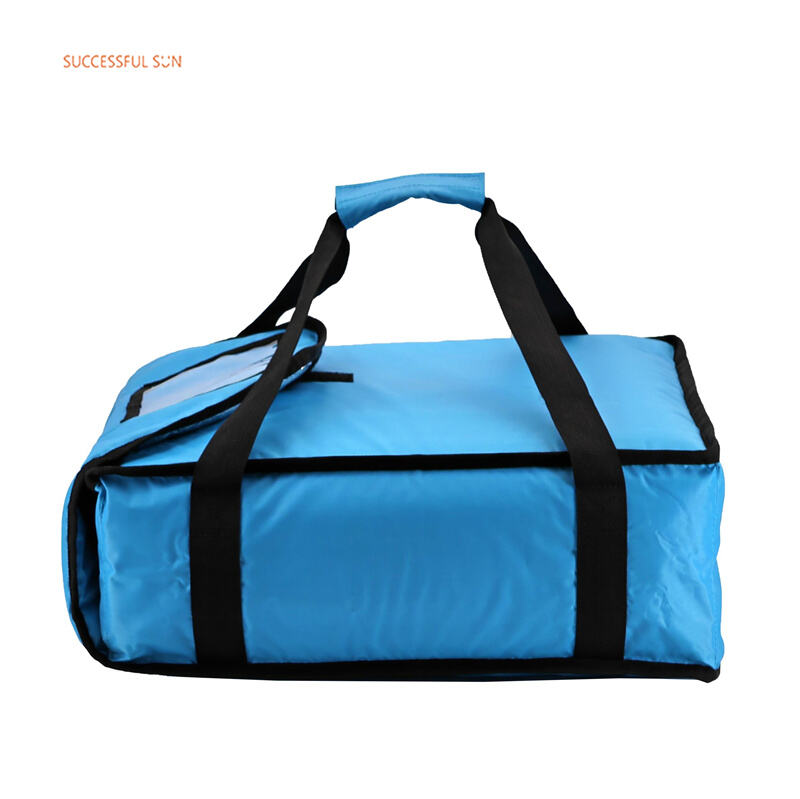
In the competitive world of food delivery services, maintaining the quality and temperature of prepared meals during transit has become a cornerstone of customer satisfaction and business success. A high-quality pizza delivery bag serves as the essential bridge between your kitchen and your customer's table, ensuring that every order arrives as fresh and hot as when it left your establishment. The investment in professional-grade delivery equipment directly impacts customer retention, brand reputation, and ultimately, your bottom line in an increasingly demanding marketplace.
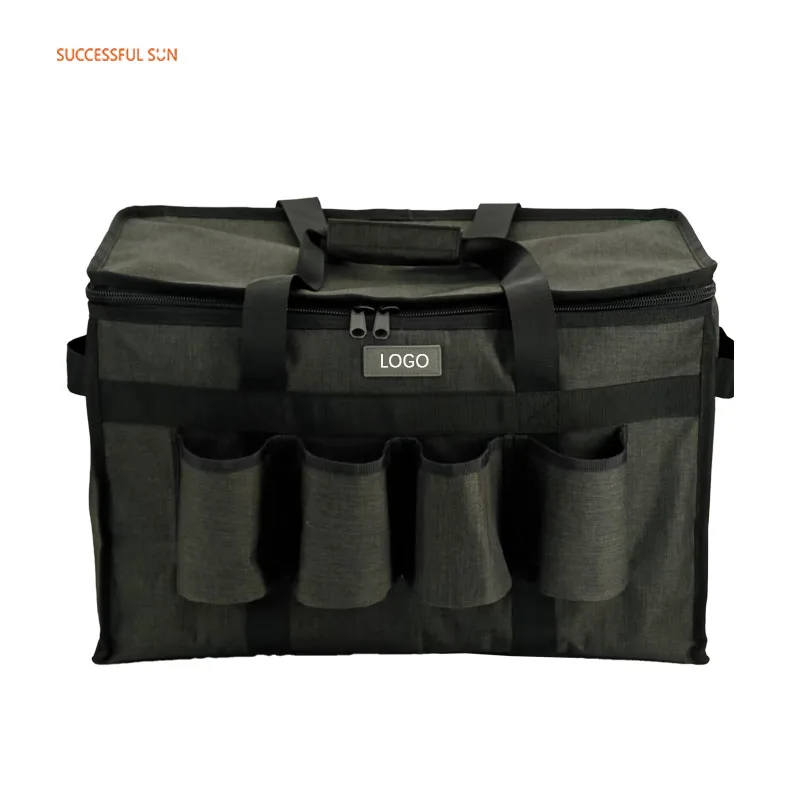
The modern food delivery industry operates on razor-thin margins where customer expectations continue to rise alongside competition. Professional delivery services understand that the journey from kitchen to customer represents a critical phase where food quality can either be preserved or compromised. Temperature retention technology embedded within specialized delivery bags has evolved significantly, incorporating advanced insulation materials and design principles that were once exclusive to commercial refrigeration applications.
Restaurant owners and delivery service operators who prioritize proper food transport equipment consistently report higher customer satisfaction scores and increased repeat business rates. The correlation between delivery bag quality and customer loyalty has been documented across numerous industry studies, highlighting the importance of viewing these tools as essential business investments rather than optional accessories.
Temperature Control and Food Safety Standards
Thermal Insulation Technology in Modern Delivery Systems
Advanced thermal insulation within a pizza delivery bag utilizes multi-layer construction techniques that create effective barriers against external temperature fluctuations. The science behind effective food transport involves understanding heat transfer principles and implementing materials that minimize conductive, convective, and radiant heat loss. Professional-grade bags incorporate closed-cell foam insulation, reflective aluminum linings, and vapor barrier technologies that work synergistically to maintain optimal food temperatures.
Temperature consistency becomes particularly crucial when transporting foods that must remain within specific safety zones to prevent bacterial growth and maintain palatability. The FDA food code establishes clear guidelines for hot food transport, requiring temperatures above 140°F to ensure food safety compliance. Quality delivery bags can maintain these temperatures for extended periods, often exceeding two hours under normal delivery conditions.
Commercial kitchens that implement comprehensive temperature monitoring protocols alongside proper delivery bag usage report significantly reduced food waste and customer complaints related to cold or lukewarm deliveries. The financial impact of temperature control extends beyond immediate customer satisfaction to encompass liability protection and regulatory compliance in jurisdictions with strict food safety enforcement.
Material Science and Durability Considerations
The construction materials used in professional pizza delivery bag manufacturing directly influence both performance longevity and operational reliability. High-density polyethylene exteriors provide excellent resistance to punctures, tears, and weather-related damage while maintaining flexibility across temperature ranges. Interior food-grade linings must withstand repeated cleaning cycles without degrading or developing odor retention issues that could affect future deliveries.
Reinforced stitching patterns and heavy-duty zippers represent critical failure points that manufacturers address through industrial-grade hardware selection and stress distribution design. The ability to maintain structural integrity under repeated loading and unloading cycles directly impacts the total cost of ownership for delivery operations. Quality materials command higher initial investments but demonstrate superior performance metrics over extended operational periods.
Waterproof and stain-resistant treatments applied to delivery bag surfaces ensure hygiene standards while protecting the insulation core from moisture infiltration that could compromise thermal performance. These protective coatings must balance durability requirements with cleaning accessibility to maintain food safety compliance throughout the bag's operational lifecycle.
Impact on Customer Satisfaction and Business Reputation
Customer Experience and Expectation Management
Customer satisfaction in food delivery correlates directly with the temperature and quality of received items, making the pizza delivery bag a critical touchpoint in the service experience. Research conducted across multiple delivery platforms indicates that temperature-related complaints represent one of the most common sources of negative reviews and customer churn. Professional delivery operations that prioritize temperature maintenance through quality equipment demonstrate measurable improvements in customer retention rates.
The psychological impact of receiving hot, fresh food cannot be understated in building customer loyalty and encouraging repeat business. Customers who consistently receive properly heated meals develop stronger brand associations and demonstrate higher lifetime value metrics compared to those who experience inconsistent delivery quality. This relationship between delivery temperature and customer psychology has prompted many successful restaurants to view delivery bags as marketing investments rather than operational expenses.
Online review platforms and social media channels amplify both positive and negative delivery experiences, making temperature control a reputation management priority. Businesses that maintain consistent delivery quality through proper equipment usage often benefit from organic word-of-mouth marketing and positive online testimonials that drive new customer acquisition without additional marketing expenditure.
Brand Differentiation in Competitive Markets
The delivery bag quality employed by food service businesses serves as a tangible differentiator in markets saturated with competing options. Premium delivery equipment signals professionalism and attention to detail that resonates with quality-conscious consumers willing to pay premium prices for superior service experiences. This positioning strategy has proven particularly effective in upscale dining segments where customer expectations align with premium service delivery.
Visual branding opportunities presented by pizza delivery bag customization allow restaurants to extend their brand presence into customers' homes and neighborhoods. Professional appearance and consistent branding across delivery equipment contribute to brand recognition and recall that supports long-term marketing objectives. The mobile advertising potential of branded delivery bags provides ongoing marketing value that extends well beyond individual transaction costs.
Market research indicates that consumers increasingly associate delivery bag quality with overall restaurant quality, creating direct connections between equipment investments and perceived brand value. This association has prompted many successful chains to standardize premium delivery equipment across all locations to maintain consistent brand positioning and customer expectations.
Operational Efficiency and Cost Management
Workflow Optimization Through Proper Equipment
Streamlined delivery operations depend heavily on equipment that supports efficient loading, transport, and unloading procedures without compromising food quality. Well-designed pizza delivery bag systems incorporate features that facilitate rapid order assembly while maintaining organization and accessibility during multi-stop delivery routes. Compartmentalization options allow drivers to separate orders and maintain temperature zones for different food types within single transport containers.
Time efficiency gains achieved through proper delivery equipment usage translate directly into increased delivery capacity and revenue generation potential. Drivers equipped with appropriate bags can handle larger order volumes while maintaining quality standards, effectively increasing per-hour earnings potential for both individual operators and delivery services. The compound effect of efficiency improvements across multiple drivers and shifts creates substantial operational leverage.
Training requirements for delivery staff decrease significantly when standardized, user-friendly equipment simplifies loading and transport procedures. Intuitive bag designs reduce onboarding time and minimize errors that could result in customer complaints or food waste. The operational consistency enabled by proper equipment selection supports scalable business growth without proportional increases in training costs or supervision requirements.
Long-term Financial Benefits and ROI Analysis
The return on investment for quality pizza delivery bag purchases extends beyond immediate operational benefits to encompass reduced food waste, decreased customer service costs, and improved driver retention rates. Financial analysis of delivery operations consistently demonstrates that initial equipment investments pay for themselves through reduced replacement costs, improved efficiency metrics, and enhanced customer satisfaction scores that drive repeat business.
Durability advantages of professional-grade delivery bags result in lower total cost of ownership compared to frequent replacement of cheaper alternatives. The operational disruption caused by equipment failures during peak delivery periods can result in lost revenue and customer dissatisfaction that far exceeds the cost differential between budget and premium equipment options. Strategic procurement decisions that prioritize quality over initial cost typically demonstrate superior financial performance over multi-year evaluation periods.
Insurance and liability considerations also favor quality equipment investments, as proper food transport procedures reduce risk exposure related to food safety incidents or customer injury claims. Many commercial insurance policies offer premium discounts for businesses that implement comprehensive food safety protocols, including proper delivery equipment standards. These risk management benefits contribute additional value beyond direct operational improvements.
Industry Standards and Regulatory Compliance
Health Department Requirements and Inspection Protocols
Local health departments increasingly scrutinize food delivery operations as part of comprehensive restaurant inspection programs, making compliance with transport equipment standards a regulatory necessity rather than a voluntary best practice. Specific requirements for pizza delivery bag construction, cleaning procedures, and temperature maintenance documentation vary by jurisdiction but generally emphasize food safety protection throughout the transport chain.
Documentation requirements for temperature monitoring during delivery may necessitate integration between delivery bags and digital tracking systems that provide compliance evidence for regulatory authorities. Modern delivery operations often implement temperature logging technologies that work in conjunction with insulated transport containers to create comprehensive audit trails supporting food safety compliance efforts.
Inspection failure rates decrease significantly among food service businesses that maintain proper delivery equipment and implement comprehensive cleaning and maintenance protocols. The regulatory risk mitigation achieved through quality equipment investments protects business operations from potential closure orders or penalty assessments that could result from food safety violations during transport operations.
Insurance and Liability Protection Strategies
Commercial liability insurance policies for food delivery operations typically include specific requirements for transport equipment standards and maintenance procedures that directly impact coverage eligibility and premium rates. Insurance carriers recognize the correlation between proper delivery equipment and reduced claim frequency, often providing incentives for businesses that exceed minimum equipment standards through premium delivery bag investments.
Risk assessment protocols employed by insurance underwriters evaluate delivery equipment quality as part of comprehensive business risk profiles that determine coverage terms and pricing structures. Businesses that demonstrate commitment to food safety through equipment investments often qualify for preferred coverage rates and expanded policy options that provide enhanced protection against operational risks.
Legal liability protection extends beyond insurance coverage to encompass proactive risk management strategies that prevent incidents requiring claim filing. Quality delivery equipment reduces the probability of temperature-related food safety incidents that could result in customer illness claims or regulatory enforcement actions. The protective value of proper equipment investments often exceeds the direct operational benefits in high-risk operational environments.
FAQ
How long can a pizza delivery bag maintain safe food temperatures
Professional-grade pizza delivery bag systems can maintain safe food temperatures above 140°F for approximately 2-4 hours under normal conditions, depending on external temperature, bag quality, and food volume. The specific duration varies based on initial food temperature, ambient conditions, and bag construction quality. High-end bags with advanced insulation may extend this timeframe, while budget options typically provide shorter protection periods. Regular temperature monitoring helps ensure compliance with food safety requirements throughout delivery operations.
What features should businesses prioritize when selecting delivery bags
Key features to prioritize include multi-layer thermal insulation, waterproof exterior materials, food-grade interior linings, reinforced construction at stress points, and easy-clean surfaces that support hygiene maintenance. Size options should accommodate typical order volumes while maintaining portability for delivery staff. Additional considerations include zipper quality, carrying handle durability, and optional features like compartmentalization or temperature monitoring integration that support specific operational requirements.
How do delivery bag investments impact overall profitability
Quality pizza delivery bag investments typically generate positive returns through reduced food waste, improved customer satisfaction scores, decreased replacement costs, and enhanced operational efficiency. The initial cost premium for professional-grade equipment is generally recovered within 6-12 months through reduced complaints, increased repeat business, and lower total cost of ownership. Long-term profitability benefits include improved brand reputation, regulatory compliance protection, and reduced liability exposure that supports sustainable business growth.
What maintenance procedures ensure optimal performance and longevity
Optimal maintenance includes daily cleaning with food-safe sanitizers, thorough drying to prevent mold growth, regular inspection of zippers and seams for wear, and periodic deep cleaning to remove odors or stains. Storage in clean, dry environments when not in use helps preserve insulation properties and exterior materials. Rotation schedules for multiple bags can extend overall equipment life while ensuring consistent availability. Documentation of cleaning procedures supports food safety compliance and warranty protection for equipment investments.