
 EN
EN


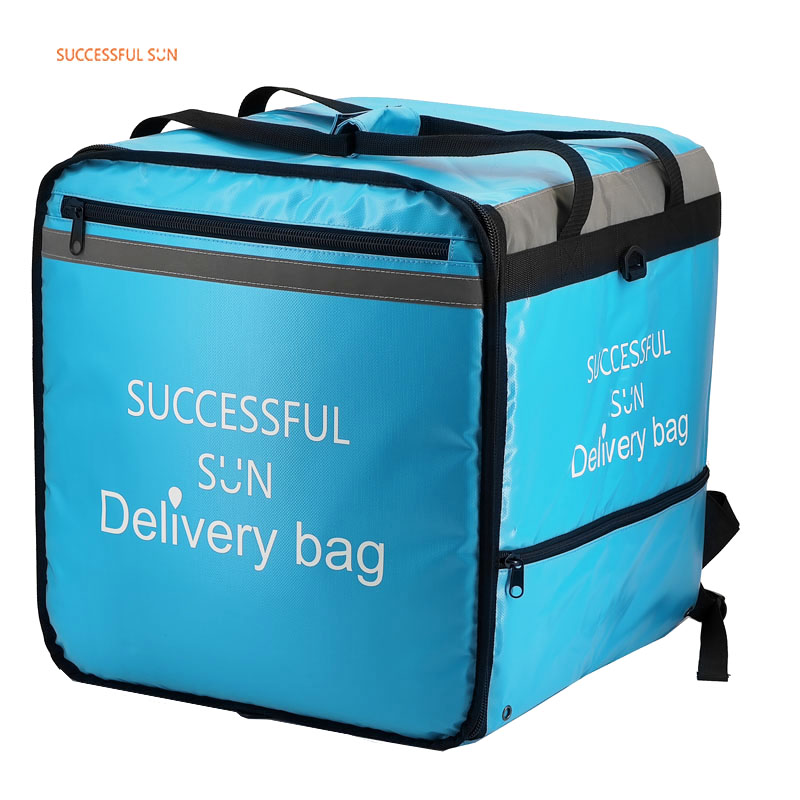
In today's fast-paced world, maintaining food quality during transport has become increasingly important for businesses and individuals alike. A thermal food bag offers an innovative solution that preserves temperature, ensures food safety, and provides convenience across various applications. Whether you're running a food delivery service, planning outdoor activities, or simply wanting to keep your meals at the optimal temperature, understanding the advantages of thermal insulation technology can significantly impact your food storage and transportation needs.
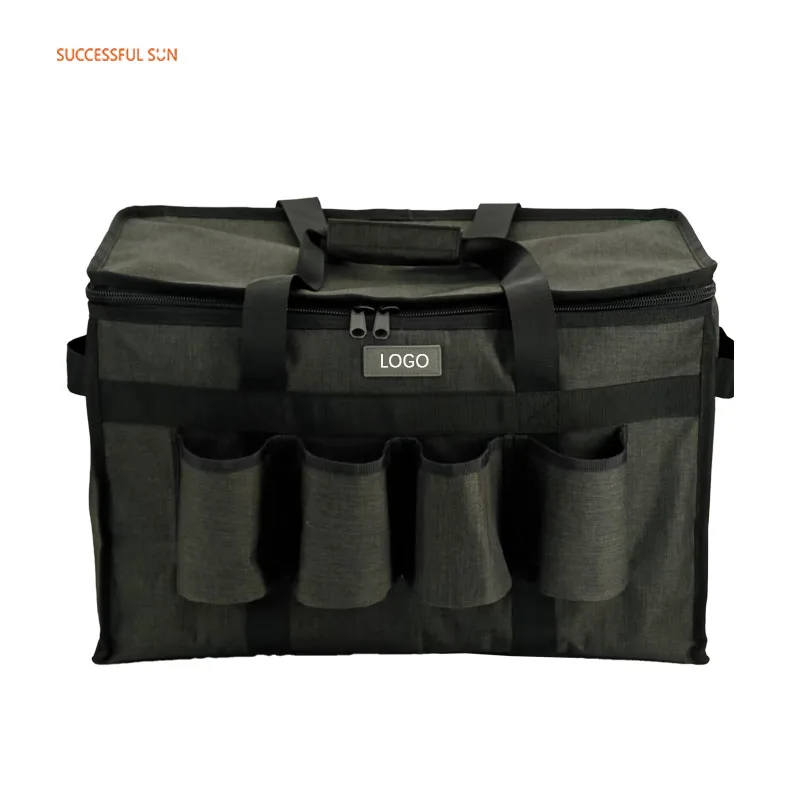
The market for insulated food storage solutions has expanded dramatically as consumer expectations for quality and convenience continue to rise. Professional food service providers and casual users now recognize that investing in proper thermal insulation equipment directly correlates with customer satisfaction and operational efficiency. Modern thermal food bag designs incorporate advanced materials and construction techniques that far exceed traditional storage methods in performance and durability.
Temperature Preservation Excellence
Advanced Insulation Technology
Modern thermal food bag construction utilizes multiple layers of specialized insulation materials that create effective thermal barriers. These materials work synergistically to minimize heat transfer, ensuring that hot foods remain warm and cold items stay properly chilled for extended periods. The effectiveness of this technology depends on factors such as material density, air pocket distribution, and overall construction quality.
Professional-grade insulation typically features closed-cell foam cores surrounded by reflective barriers that redirect radiant heat. This combination creates an environment where temperature fluctuations are minimized, allowing food to maintain its intended serving temperature for hours rather than minutes. Quality thermal food bag products can maintain temperatures within acceptable ranges for up to six hours under normal conditions.
Heat Retention Capabilities
The ability to retain heat effectively makes thermal food bags invaluable for hot food delivery and catering operations. Restaurant owners and delivery services rely on these products to ensure that pizzas arrive piping hot, soups maintain their serving temperature, and prepared meals reach customers at their optimal quality. This temperature consistency directly impacts customer satisfaction and repeat business potential.
Heat retention performance varies significantly based on construction quality and design features. Premium thermal food bag models incorporate sealed seams, heavy-duty zippers, and reinforced construction that prevents heat loss through gaps or weak points. These design elements work together to create an enclosed environment that preserves thermal energy efficiently throughout the transport process.
Food Safety and Hygiene Benefits
Bacterial Growth Prevention
Maintaining proper food temperatures is crucial for preventing bacterial growth and ensuring food safety compliance. Health regulations require that hot foods remain above specific temperature thresholds while cold foods must stay below designated limits to prevent spoilage and contamination. A quality thermal food bag helps food service operators meet these requirements consistently across all delivery and transport scenarios.
The temperature danger zone, typically between 40°F and 140°F, represents the range where harmful bacteria multiply rapidly. Effective thermal insulation keeps foods outside this dangerous range, significantly reducing the risk of foodborne illness and extending safe consumption windows. This protection is particularly important for businesses serving vulnerable populations or operating under strict health department oversight.
Contamination Control
Beyond temperature control, thermal food bags provide physical barriers that protect food from environmental contaminants, moisture, and cross-contamination. Sealed interiors prevent dust, insects, and other foreign particles from reaching food items during transport. Easy-to-clean surfaces and antimicrobial treatments in many models further enhance hygiene standards.
Professional food safety protocols benefit significantly from the controlled environment that thermal food bags create. The enclosed space prevents accidental spills from affecting other items, maintains organized storage, and allows for proper segregation between different food types. These features are essential for maintaining HACCP compliance and meeting industry safety standards.
Commercial and Business Applications
Food Delivery Services
The explosive growth of food delivery platforms has created enormous demand for reliable temperature control solutions. Restaurants partnering with delivery services need assurance that their carefully prepared meals will arrive at customers' doors with the same quality they maintained in the kitchen. A professional-grade thermal food bag becomes an essential tool for maintaining competitive advantage in this market.
Delivery drivers and food service operations appreciate the durability and functionality that quality thermal food bag products provide. Features like reinforced handles, structured bases, and compartmentalized interiors make transportation easier while ensuring that multiple orders can be transported simultaneously without temperature compromise. These operational efficiencies directly translate to improved service capacity and customer satisfaction ratings.
Catering and Event Services
Catering businesses face unique challenges when transporting large quantities of food to off-site locations. Events may be hours away from preparation kitchens, making temperature maintenance critical for both food safety and presentation quality. Commercial thermal food bag solutions provide the capacity and performance needed to serve hundreds of guests with consistently high-quality meals.
Professional caterers often require thermal food bag products that can accommodate various container sizes and shapes while maintaining optimal insulation performance. Modular designs and adjustable compartments allow for efficient packing and organization, ensuring that different menu items receive appropriate temperature control throughout the transport and service process.
Personal and Recreational Uses
Outdoor Activities and Camping
Recreational users find thermal food bag products invaluable for camping trips, picnics, and outdoor gatherings where refrigeration is unavailable. These applications demand reliable temperature control over extended periods, often in challenging environmental conditions. Quality insulation ensures that perishable items remain safe for consumption while beverages stay refreshingly cold.
Camping enthusiasts particularly value thermal food bag products that combine temperature control with rugged construction. Waterproof exteriors, reinforced seams, and compact folding capabilities make these products ideal for outdoor adventures where space and weight considerations are paramount. The ability to keep food fresh during multi-day trips enhances the overall outdoor experience significantly.
Family and Household Applications
Families benefit from thermal food bag technology in numerous daily situations, from grocery shopping to school lunch preparation. Parents can ensure that perishable groceries remain fresh during extended shopping trips or while running multiple errands. Children's lunches stay at proper temperatures throughout the school day, providing both safety and palatability benefits.
Household thermal food bag products often feature designs optimized for convenience and regular use. Easy-care fabrics, compact storage capabilities, and attractive appearances make these products suitable for various social and practical situations. The versatility extends from formal events to casual gatherings, making them valuable additions to household equipment.
Economic and Environmental Advantages
Cost Savings and Efficiency
Investing in quality thermal food bag products generates significant cost savings over time through reduced food waste, improved operational efficiency, and enhanced customer satisfaction. Businesses avoid losses from temperature-compromised food while individuals reduce grocery waste from spoiled perishables. These savings often exceed the initial investment within months of regular use.
Operational efficiency improvements include reduced preparation time, simplified logistics, and enhanced service reliability. Food service businesses can prepare items in advance, knowing that thermal food bag products will maintain quality until service time. This flexibility allows for better resource allocation and improved workflow management across various business operations.
Sustainability Benefits
Environmental consciousness drives many consumers and businesses toward sustainable practices, making thermal food bag products attractive alternatives to disposable packaging and single-use containers. Quality products provide years of reliable service, eliminating the need for countless disposable alternatives while maintaining superior performance standards.
Reducing food waste through proper temperature control contributes significantly to environmental sustainability goals. When thermal food bag products prevent spoilage and extend safe consumption periods, they directly reduce the environmental impact associated with food production, transportation, and disposal. This benefit aligns with corporate sustainability initiatives and personal environmental responsibility.
Selection and Maintenance Considerations
Choosing the Right Product
Selecting an appropriate thermal food bag requires careful consideration of intended applications, capacity requirements, and performance expectations. Commercial users need products designed for heavy-duty use with reinforced construction and professional-grade insulation. Personal users may prioritize portability, ease of cleaning, and aesthetic appeal while still requiring reliable temperature control performance.
Key selection criteria include insulation effectiveness, construction quality, size options, and additional features like waterproofing or antimicrobial treatments. Reading product specifications and user reviews helps identify thermal food bag products that deliver consistent performance under intended use conditions. Professional recommendations and industry certifications provide additional assurance of quality and reliability.
Care and Maintenance
Proper maintenance extends the lifespan and effectiveness of thermal food bag products while ensuring hygienic conditions for food contact. Regular cleaning protocols should address both interior and exterior surfaces using appropriate cleaning agents that don't compromise insulation materials. Many products feature removable liners or machine-washable components that simplify maintenance procedures.
Storage considerations include ensuring complete drying before storage to prevent mold or mildew development, avoiding extreme temperatures that might damage insulation materials, and inspecting for wear or damage that could compromise performance. Following manufacturer guidelines for care and maintenance ensures optimal performance throughout the product's operational lifespan.
FAQ
How long can a thermal food bag maintain food temperature
A quality thermal food bag can typically maintain food temperatures for 4-6 hours under normal conditions, though performance varies based on external temperature, food starting temperature, bag quality, and how frequently the bag is opened. Premium models with superior insulation may extend this timeframe, while frequent opening or extreme external temperatures may reduce effectiveness.
Are thermal food bags safe for all food types
Thermal food bags are safe for most food types when used properly, including hot and cold items, liquids, and solid foods. However, users should follow food safety guidelines regarding maximum safe storage times and ensure that bags are clean and properly maintained. Some foods with strong odors may require additional containment to prevent flavor transfer.
Can thermal food bags be used for both hot and cold foods
Yes, most thermal food bag products work effectively for both hot and cold items by preventing heat transfer in either direction. The same insulation that keeps hot foods warm also prevents cold items from warming up. However, alternating between hot and cold use requires thorough cleaning and may benefit from separate bags for optimal performance and hygiene.
What maintenance is required for thermal food bags
Regular maintenance includes cleaning interior and exterior surfaces after each use, ensuring complete drying before storage, and periodic inspection for wear or damage. Many thermal food bag products feature machine-washable components or removable liners that simplify cleaning. Avoiding harsh chemicals and extreme temperatures during cleaning helps preserve insulation effectiveness and extends product lifespan.