
 EN
EN


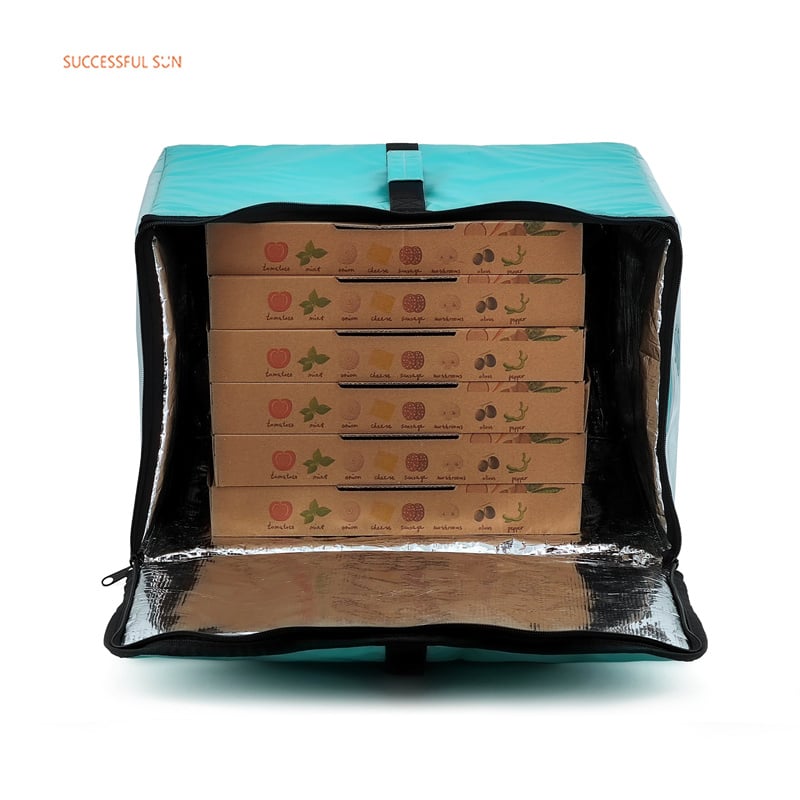
Temperature control in food storage and transport has become increasingly critical for maintaining quality, safety, and customer satisfaction across the foodservice industry. Whether operating a bustling restaurant, managing catering services, or simply storing groceries at home, maintaining optimal food temperatures prevents spoilage and ensures freshness. A thermal food bag represents one of the most practical and cost-effective solutions for preserving food quality during transport and temporary storage, offering superior insulation properties that keep hot foods hot and cold foods cold for extended periods.
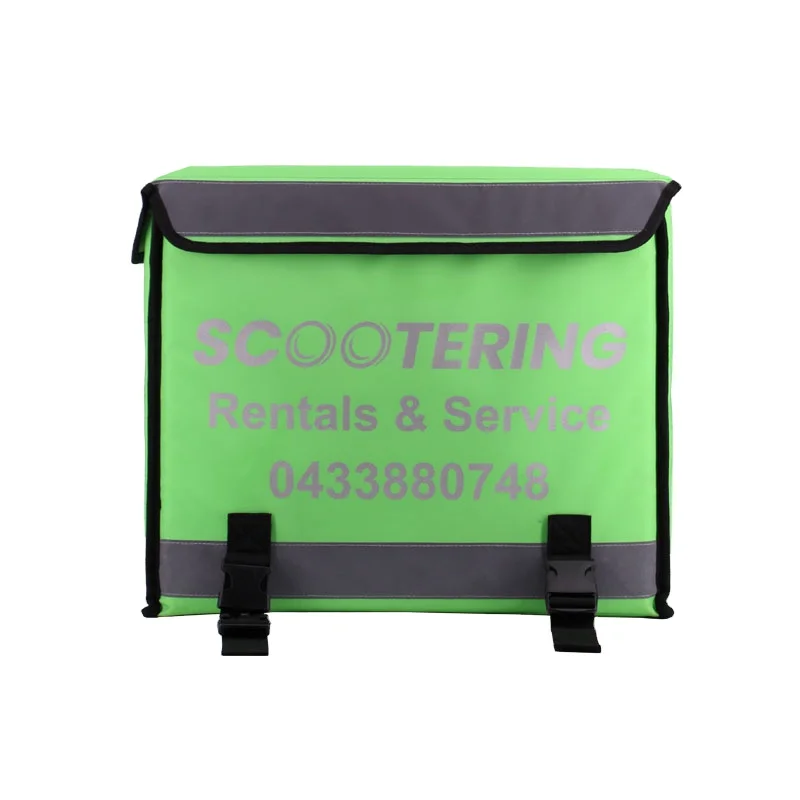
Professional foodservice operations and home users alike benefit from investing in quality thermal insulation solutions that protect their culinary investments. Modern thermal bags utilize advanced materials and construction techniques to create highly effective barriers against temperature fluctuations, ensuring food remains at safe serving temperatures throughout transport and delivery processes.
Advanced Insulation Technology in Food Transport Solutions
Multi-Layer Thermal Protection Systems
Contemporary thermal food bag designs incorporate sophisticated multi-layer insulation systems that significantly outperform traditional storage methods. These advanced configurations typically feature reflective aluminum foil layers combined with dense foam padding, creating multiple barriers that prevent heat transfer through conduction, convection, and radiation. The outer shell materials resist environmental temperature changes while inner linings provide additional protection against condensation and moisture buildup.
Professional-grade thermal bags often include specialized vapor barriers layers that prevent moisture migration while maintaining breathability where necessary. This engineering approach ensures that hot foods retain their warmth without becoming soggy, while cold items remain crisp and fresh without developing ice crystals or freezer burn effects during transport.
Material Science and Performance Enhancement
The evolution of thermal bag materials has revolutionized food transport efficiency across commercial and residential applications. High-performance fabrics such as ripstop nylon and reinforced polyester provide durability while maintaining flexibility, allowing thermal food bag designs to accommodate various container shapes and sizes without compromising insulation effectiveness.
Advanced synthetic insulation materials like closed-cell foam and aerogel composites deliver exceptional thermal retention properties while remaining lightweight and easy to clean. These materials resist compression over time, ensuring long-term performance consistency that maintains temperature control effectiveness throughout the product lifecycle.
Commercial Applications and Restaurant Benefits
Delivery Service Optimization
Restaurant delivery operations experience dramatic improvements in food quality and customer satisfaction when implementing professional thermal food bag systems. These specialized containers maintain precise temperature ranges during transport, ensuring that pizza arrives steaming hot, ice cream remains frozen solid, and salads stay crisp and cool regardless of delivery distance or weather conditions.
Commercial thermal bags designed for foodservice applications often feature reinforced handles, waterproof exteriors, and stackable designs that improve operational efficiency. Delivery drivers can transport multiple orders simultaneously while maintaining optimal temperatures for each item, reducing delivery times and increasing customer satisfaction scores.
Catering and Event Management
Large-scale catering operations rely heavily on thermal food bag solutions to transport prepared meals from kitchen facilities to event venues while preserving quality and meeting food safety requirements. These applications demand robust construction and superior insulation performance to handle substantial food volumes and extended transport times.
Professional catering thermal bags accommodate various serving containers and chafing dishes while providing easy access for serving staff during events. Temperature retention capabilities ensure that buffet items remain at safe serving temperatures throughout lengthy reception periods, reducing food waste and maintaining presentation quality.
Residential Use Cases and Household Benefits
Grocery Shopping and Storage Efficiency
Home users discover significant advantages when utilizing thermal food bag solutions for grocery shopping, particularly during extended shopping trips or when purchasing temperature-sensitive items. Frozen foods remain solid, dairy products stay fresh, and produce maintains optimal crispness during transport from store to home refrigeration.
Thermal bags prove especially valuable during bulk shopping excursions or when visiting multiple stores during single trips. The insulation properties prevent ice cream from melting, keep meat products at safe temperatures, and preserve the quality of prepared foods purchased from deli counters or restaurant takeout orders.
Outdoor Activities and Recreation
Camping, picnicking, and outdoor recreation activities benefit tremendously from portable thermal food bag solutions that maintain food safety and quality in challenging environmental conditions. These applications require durable construction that withstands rough handling while providing reliable temperature control for extended periods without external power sources.
Quality thermal bags enable families to enjoy fresh, properly chilled beverages and safely preserved perishable foods during outdoor adventures. The convenience of maintaining proper food temperatures eliminates concerns about spoilage while supporting healthy eating habits during recreational activities.
Health and Safety Considerations
Food Safety Compliance and Temperature Control
Proper temperature maintenance represents a critical factor in preventing foodborne illness and ensuring compliance with health department regulations. A well-designed thermal food bag helps maintain foods within safe temperature zones, preventing bacterial growth that occurs when perishable items spend extended periods in the temperature danger zone between 40 and 140 degrees Fahrenheit.
Commercial foodservice operations face strict regulatory requirements regarding food transport and storage temperatures. Quality thermal bags provide reliable temperature control that supports HACCP compliance and helps establishments maintain their food safety certifications while protecting customers from potential health risks.
Nutritional Value Preservation
Temperature fluctuations can significantly impact the nutritional content of foods, particularly vitamins and minerals that degrade rapidly when exposed to heat or extreme temperature variations. Effective thermal food bag systems help preserve nutritional integrity by maintaining stable temperatures that prevent nutrient loss during transport and storage.
Fresh produce, dairy products, and prepared meals retain higher nutritional values when protected by quality thermal insulation. This preservation effect particularly benefits health-conscious consumers and establishments focused on providing nutritionally dense menu options to their customers.
Economic Advantages and Cost Effectiveness
Reduced Food Waste and Spoilage
Investing in quality thermal food bag solutions generates substantial cost savings through reduced food waste and spoilage. Restaurant operations report significant decreases in discarded inventory when implementing proper thermal transport systems, as foods maintain quality and safety standards throughout delivery and service periods.
Home users experience similar economic benefits through extended food freshness and reduced grocery waste. Thermal bags help preserve perishable purchases during transport and temporary storage, ensuring that expensive items like premium meats, artisanal cheeses, and specialty produce maintain their quality investment value.
Energy Efficiency and Sustainability
Modern thermal food bag designs contribute to energy efficiency by reducing reliance on powered refrigeration during transport and short-term storage. This passive cooling approach eliminates electricity consumption while maintaining temperature control, supporting environmental sustainability goals and reducing operational costs.
Reusable thermal bags offer environmental advantages over disposable packaging and single-use containers. Quality thermal bags withstand years of regular use, eliminating the ongoing expense and environmental impact of disposable alternatives while providing superior insulation performance.
Selection Criteria and Performance Features
Size and Capacity Considerations
Choosing the appropriate thermal food bag size requires careful consideration of typical use patterns and capacity requirements. Commercial operations benefit from larger bags that accommodate multiple orders or substantial food volumes, while residential users often prefer compact designs that fit easily in vehicles and storage spaces.
Modular thermal bag systems offer flexibility by allowing users to combine multiple units for larger loads while maintaining the convenience of smaller individual bags for routine use. This scalability ensures that thermal storage capacity matches specific application requirements without compromising efficiency or convenience.
Construction Quality and Durability Factors
Professional-grade thermal food bag construction incorporates reinforced seams, heavy-duty zippers, and durable exterior materials that withstand frequent use and challenging environmental conditions. Quality construction ensures long-term performance reliability while maintaining insulation effectiveness throughout the product lifecycle.
Easy-clean interior surfaces and water-resistant exteriors facilitate maintenance and hygiene compliance, particularly important for commercial foodservice applications. Quality thermal bags feature removable liners or wipeable surfaces that support thorough sanitization between uses.
FAQ
How long can a thermal food bag maintain proper temperatures
Quality thermal food bags typically maintain temperatures for 4-6 hours under normal conditions, with premium models providing up to 8-12 hours of effective temperature control. Performance duration depends on ambient temperature, initial food temperature, bag quality, and frequency of opening. Pre-chilling bags for cold items or pre-heating for hot foods can extend effective temperature retention periods significantly.
What size thermal food bag works best for restaurant delivery services
Most restaurant delivery operations benefit from medium to large thermal bags measuring 16x12x10 inches or larger, providing sufficient capacity for multiple orders while maintaining manageability for delivery personnel. Capacity should accommodate your typical order sizes with 20-30% additional space for insulation effectiveness. Many successful operations utilize multiple bag sizes to optimize delivery efficiency for different order volumes.
Can thermal food bags be used for both hot and cold items simultaneously
While thermal bags excel at maintaining existing temperatures, mixing hot and cold items in the same bag compromises temperature control for both types of food. Professional applications typically require separate thermal bags for hot and cold items, or compartmentalized designs with independent insulation zones. This separation ensures optimal temperature maintenance and food safety compliance.
How should thermal food bags be cleaned and maintained for optimal performance
Regular cleaning with mild soap and warm water maintains thermal bag hygiene and performance. Removable liners should be washed after each use, while exterior surfaces require weekly deep cleaning. Allow complete air drying before storage to prevent mold and odor development. Inspect zippers and seams regularly, replacing bags when insulation effectiveness diminishes or structural integrity becomes compromised.