
 EN
EN



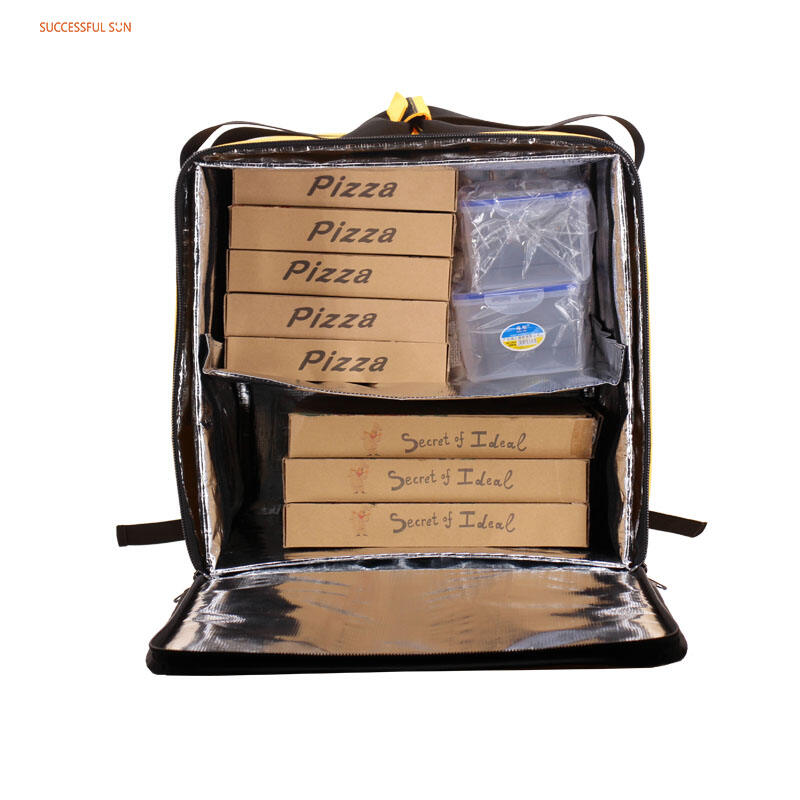
The food delivery industry has experienced unprecedented growth in recent years, making temperature control during transportation more critical than ever. An insulated delivery bag serves as the cornerstone of successful food delivery operations, ensuring that meals arrive at customers' doorsteps in optimal condition. Restaurant owners who prioritize quality delivery services understand that investing in the right insulated delivery bag can significantly impact customer satisfaction and business reputation.
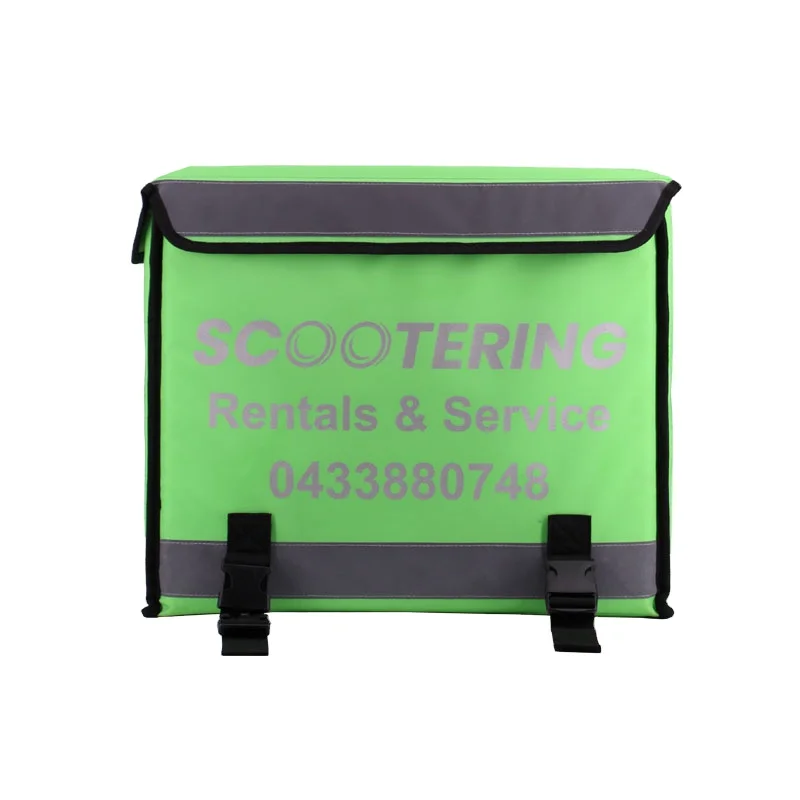
Professional food delivery requires specialized equipment that maintains precise temperature ranges during transport. The modern restaurant industry demands solutions that protect food quality while supporting efficient delivery operations. Understanding the essential characteristics of an effective insulated delivery bag empowers restaurant managers to make informed purchasing decisions that benefit both their business and customers.
Essential Thermal Performance Features
Advanced Insulation Materials
The foundation of any effective insulated delivery bag lies in its insulation technology. High-quality bags utilize multi-layer insulation systems that create thermal barriers between the internal food compartment and external environmental conditions. Premium insulation materials include closed-cell foam, reflective aluminum barriers, and specialized thermal fabrics that work together to maintain consistent temperatures.
Modern insulation technology extends beyond basic foam padding to include advanced materials like aerogel composites and vacuum-sealed panels. These sophisticated insulation systems provide superior thermal retention while maintaining reasonable bag weight and flexibility. The effectiveness of an insulated delivery bag depends heavily on the quality and thickness of its insulation layers.
Professional-grade bags feature seamless insulation installation that eliminates thermal bridging, which occurs when conductive materials create pathways for heat transfer. Quality manufacturers ensure that insulation coverage extends to all bag surfaces, including zippers, seams, and structural elements that could compromise thermal performance.
Temperature Retention Capabilities
Effective temperature retention requires an insulated delivery bag to maintain food safety temperatures throughout the entire delivery journey. Hot foods must remain above 140°F (60°C) while cold items need to stay below 40°F (4°C) to prevent bacterial growth and ensure food quality. Professional bags achieve these standards through strategic design and premium materials.
Testing protocols for temperature retention typically involve monitoring internal bag temperatures over extended periods under various environmental conditions. Superior insulated delivery bags maintain temperature differentials of 30-40°F between internal and external environments for several hours. This performance level ensures that food remains safe and appetizing during typical delivery timeframes.
The thermal mass effect plays a crucial role in temperature retention, where preheated or precooled bags provide enhanced temperature stability. Many professional delivery operations implement bag conditioning protocols that optimize thermal performance before food loading. This practice maximizes the effectiveness of the insulated delivery bag system.
Durability and Construction Quality
Material Selection and Strength
Commercial insulated delivery bags must withstand demanding usage patterns that include frequent loading, transportation vibrations, and exposure to various weather conditions. High-quality exterior materials such as reinforced nylon, polyester canvas, or specialized vinyl provide the necessary durability for professional applications. These materials resist tearing, punctures, and UV degradation that can compromise bag integrity.
Interior lining materials require different properties, focusing on food safety, easy cleaning, and stain resistance. Food-grade materials like TPU (thermoplastic polyurethane) or specialized vinyl linings provide non-porous surfaces that prevent bacterial growth and facilitate thorough sanitization. The best insulated delivery bag designs incorporate antimicrobial treatments in their interior surfaces.
Reinforcement strategies include double-stitched seams, stress-point reinforcements, and heavy-duty hardware components. These construction details ensure that bags maintain structural integrity despite repeated use and handling. Professional-grade bags often feature reinforced bottom panels and corner protections that resist wear from loading and unloading operations.
Zipper and Closure Systems
Reliable closure systems are fundamental to maintaining the thermal integrity of an insulated delivery bag. Heavy-duty zippers designed for commercial applications provide secure sealing while accommodating frequent operation cycles. Quality zipper systems feature large-gauge teeth, reinforced fabric integration, and corrosion-resistant materials that function reliably in various environmental conditions.
Thermal sealing effectiveness depends on proper zipper design and installation techniques. Premium bags incorporate gasket systems or overlapping flap designs that eliminate thermal leakage around closure areas. These design features ensure that the insulated delivery bag maintains its thermal performance even when zippers experience wear over time.
Alternative closure systems include magnetic strips, Velcro panels, and snap systems that provide backup sealing options. Multiple closure mechanisms offer redundancy that enhances thermal performance and provides operational flexibility for different loading situations. Some professional bags feature dual-zipper systems that create additional thermal barriers.
Size and Capacity Optimization
Volume Calculations for Restaurant Needs
Determining the optimal size for an insulated delivery bag requires careful analysis of typical order volumes, container sizes, and delivery route characteristics. Restaurant operations must balance bag capacity with vehicle space constraints and delivery personnel handling capabilities. Standard capacity ranges from compact single-meal bags to large catering-sized units that accommodate multiple orders.
Effective capacity utilization involves understanding the relationship between internal bag volume and actual usable space. An insulated delivery bag with efficient internal organization systems maximizes space utilization while maintaining proper food separation and temperature zones. Adjustable divider systems and modular inserts enhance capacity flexibility for varying order sizes.
Professional delivery operations often employ multiple bag sizes to optimize efficiency across different order types. Small bags for individual meals, medium bags for family orders, and large bags for catering deliveries provide operational flexibility. This strategy ensures that each insulated delivery bag operates at optimal capacity while minimizing unnecessary thermal mass.
Internal Organization Systems
Well-designed internal organization systems prevent food containers from shifting during transport while maintaining proper temperature zones. Adjustable dividers, elastic retention systems, and customizable compartments allow delivery personnel to secure various container sizes and shapes. These features reduce the risk of spills and maintain food presentation quality.
Separate compartment systems enable simultaneous transport of hot and cold items within a single insulated delivery bag. Thermal barriers between compartments prevent temperature cross-contamination while maximizing delivery efficiency. This capability is particularly valuable for restaurants offering diverse menu items with different temperature requirements.
Removable liner systems facilitate thorough cleaning and maintenance while providing additional thermal mass benefits. These liners can be preconditioned to optimal temperatures and quickly installed in prepared bags. The modular approach enhances operational efficiency and extends the working life of the primary bag structure.
Ease of Use and Handling
Ergonomic Design Features
Delivery personnel productivity depends heavily on the ergonomic design of their equipment. An effectively designed insulated delivery bag incorporates comfortable carrying handles, balanced weight distribution, and appropriate grip surfaces that reduce fatigue during extended use. Padded shoulder straps and ergonomic handle shapes minimize strain on delivery staff.
Weight distribution considerations become critical as bag capacity increases. Professional bags feature reinforced carrying systems that distribute load weight across multiple contact points, reducing pressure on individual body areas. Some advanced designs include wheeled bases or convertible backpack systems for heavy-load applications.
Loading and unloading efficiency affects overall delivery times and customer satisfaction. Wide-opening designs, strategic zipper placement, and internal accessibility features enable quick food placement and retrieval. These design elements reduce the time required for bag operations while minimizing thermal exposure during loading processes.
Maintenance and Cleaning Requirements
Food safety regulations require regular cleaning and sanitization of all food contact surfaces, making maintenance procedures a critical consideration for insulated delivery bag selection. Easy-to-clean interior surfaces, removable components, and chemical-resistant materials simplify compliance with health department requirements. Non-porous interior linings prevent bacterial growth and facilitate thorough disinfection.
Cleaning protocol compatibility ensures that bags can withstand recommended sanitization procedures without degrading insulation properties or structural integrity. Professional-grade bags resist common cleaning chemicals and maintain their appearance despite frequent washing cycles. Some designs feature machine-washable components that streamline maintenance operations.
Drying considerations affect operational scheduling and bag availability for service. Well-designed insulated delivery bags incorporate features that promote rapid drying while preventing moisture retention that could lead to mold or odor development. Ventilation systems and moisture-resistant materials support efficient maintenance cycles.
Cost-Effectiveness and ROI
Initial Investment Considerations
The initial cost of quality insulated delivery bags represents a significant investment for restaurant operations, but proper selection ensures long-term cost benefits. Premium bags with superior construction and materials provide extended service life that justifies higher upfront costs. Budget calculations should consider replacement frequency and maintenance costs over the bag's expected lifespan.
Volume purchasing strategies can reduce per-unit costs while ensuring consistent quality across delivery operations. Many manufacturers offer quantity discounts and customization options for bulk orders. Restaurant chains and large operations benefit from standardizing on specific insulated delivery bag models to streamline training and maintenance procedures.
Financing options and leasing programs provide alternatives to large upfront investments, particularly for new or expanding delivery operations. These arrangements spread costs over time while providing access to premium equipment. Some suppliers offer upgrade programs that allow operations to transition to improved models as their needs evolve.
Long-term Value and Performance
Long-term value assessment requires consideration of factors beyond initial purchase price, including durability, performance consistency, and maintenance requirements. High-quality insulated delivery bags maintain their thermal performance and structural integrity over thousands of use cycles. This reliability reduces replacement costs and ensures consistent food delivery quality.
Performance degradation tracking helps identify optimal replacement timing and validates initial selection decisions. Professional operations monitor temperature retention capabilities, structural wear, and cleanliness maintenance to determine when bag replacement becomes necessary. Proper tracking maximizes the return on investment for each insulated delivery bag purchase.
Brand reputation and customer satisfaction benefits contribute significantly to the overall value proposition of quality delivery equipment. Consistent food temperature maintenance reduces customer complaints and supports positive reviews. These indirect benefits often exceed the direct cost savings associated with premium insulated delivery bag selection.
FAQ
How long can an insulated delivery bag maintain food temperature
A high-quality insulated delivery bag typically maintains proper food temperatures for 2-4 hours under normal conditions. Hot foods stay above 140°F while cold items remain below 40°F during this timeframe. Actual performance depends on external temperature, bag quality, food temperature when loaded, and thermal mass of the contents. Professional-grade bags with superior insulation can extend this timeframe to 6 hours or more under optimal conditions.
What size insulated delivery bag works best for restaurant delivery
The optimal size depends on your typical order volume and delivery vehicle constraints. Most restaurants benefit from medium-sized bags (approximately 20-25 liters capacity) that accommodate 2-4 standard takeout containers. Large operations often use multiple bag sizes: small bags for single meals, medium bags for family orders, and large bags for catering deliveries. Consider your average order size and delivery route characteristics when selecting capacity.
How do you properly clean and maintain delivery bags
Clean insulated delivery bags after each use with mild soap and warm water, paying special attention to interior surfaces that contact food containers. Use food-safe sanitizing solutions for deep cleaning and allow bags to air dry completely before storage. Remove any removable liners or components for separate washing. Avoid harsh chemicals that could damage insulation materials or create food safety concerns. Regular maintenance extends bag life and ensures compliance with health regulations.
Can insulated delivery bags handle both hot and cold foods simultaneously
Many professional insulated delivery bags feature compartment systems that allow simultaneous transport of hot and cold items. These bags include thermal barriers between sections that prevent temperature cross-contamination. However, single-compartment bags work best when dedicated to either hot or cold foods. If you frequently deliver mixed-temperature orders, invest in dual-zone bags or use separate dedicated bags for optimal temperature maintenance and food safety compliance.