
 EN
EN



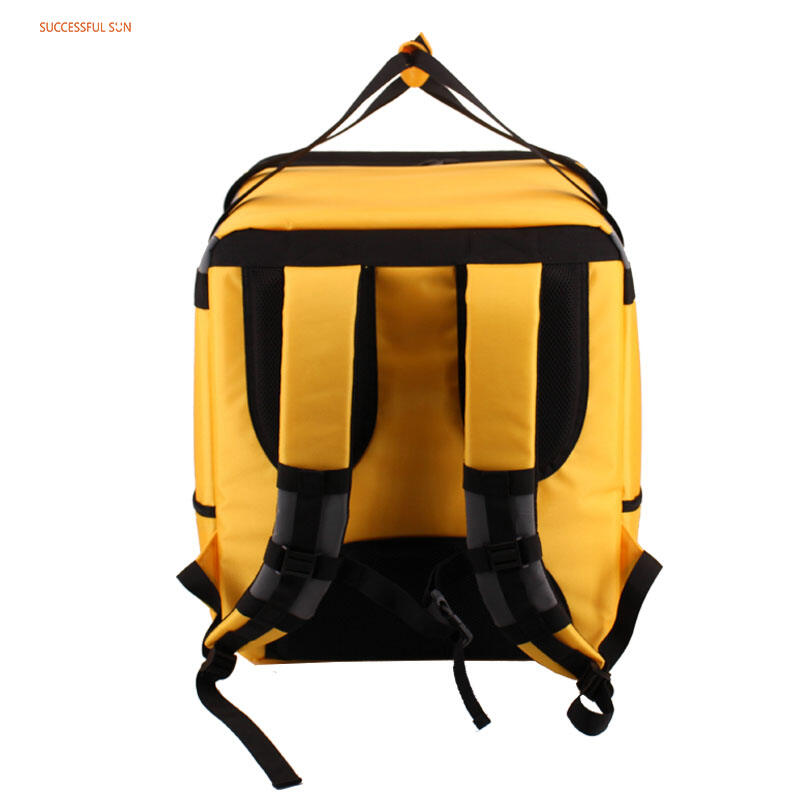
The food delivery industry has experienced unprecedented growth, with businesses constantly seeking ways to enhance their operational efficiency while maintaining product quality. An insulated delivery bag serves as a critical component in this equation, offering temperature control solutions that directly impact customer satisfaction and delivery performance. Modern delivery services face increasing pressure to maintain food safety standards while optimizing delivery routes and reducing operational costs.
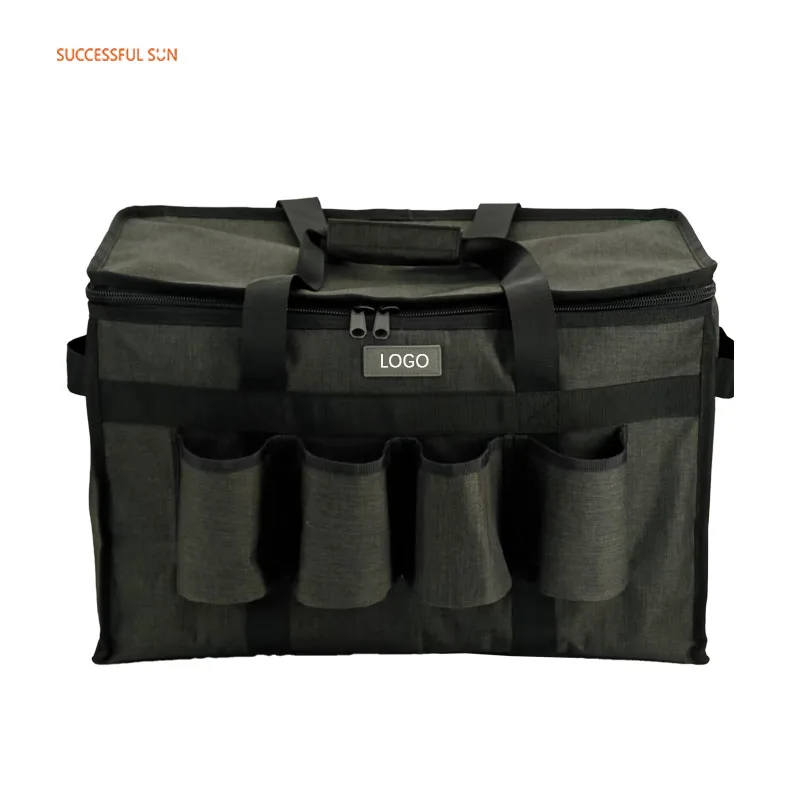
Professional delivery operations require sophisticated thermal management systems to ensure food reaches customers at optimal temperatures. The implementation of high-quality insulated delivery bag solutions has proven to significantly impact delivery efficiency metrics across various market segments. Restaurant chains, independent eateries, and third-party delivery services increasingly recognize the importance of proper insulation technology in maintaining competitive advantages.
Temperature maintenance directly correlates with customer retention rates and brand reputation in the competitive food delivery landscape. Research indicates that proper thermal management during transport can reduce customer complaints by up to forty percent while improving overall delivery ratings. The strategic use of insulated delivery bag systems enables businesses to expand their delivery radius without compromising food quality standards.
Temperature Control and Food Safety Benefits
Maintaining Optimal Food Temperatures
Professional insulated delivery bag systems utilize advanced thermal barrier materials that maintain consistent internal temperatures throughout the delivery process. These specialized containers employ multi-layer insulation technology featuring reflective barriers, foam padding, and vapor-resistant materials that work synergistically to preserve food quality. The thermal retention capabilities of modern delivery bags can maintain hot foods above sixty degrees Celsius for extended periods while keeping cold items below four degrees Celsius.
Temperature consistency directly impacts food safety compliance, particularly for businesses operating under strict health department regulations. An insulated delivery bag equipped with proper thermal management features helps establishments avoid potential foodborne illness incidents that could result in significant liability issues. The implementation of reliable temperature control systems demonstrates professional commitment to customer health and safety standards.
Extended Delivery Range Capabilities
Advanced insulation technology enables delivery services to expand their operational radius without compromising food quality standards. Businesses utilizing high-performance insulated delivery bag solutions can confidently serve customers located farther from their preparation facilities while maintaining consistent temperature requirements. This expansion capability directly translates to increased revenue potential and market coverage opportunities.
The thermal retention properties of professional-grade delivery bags allow for longer delivery windows, providing greater flexibility in route optimization and customer scheduling. Delivery personnel can handle multiple orders efficiently while ensuring each item maintains its intended serving temperature throughout the transport process. This operational flexibility contributes significantly to improved customer satisfaction and repeat business generation.
Operational Efficiency Improvements
Route Optimization and Multi-Order Delivery
Effective insulated delivery bag systems enable drivers to transport multiple orders simultaneously without temperature cross-contamination concerns. Professional-grade thermal containers feature compartmentalization options that allow separation of hot and cold items within the same delivery run. This capability significantly reduces fuel costs and delivery time while increasing the number of orders processed per route.
Strategic route planning becomes more efficient when drivers can confidently handle extended delivery sequences without compromising food quality. The reliability of insulated delivery bag technology allows dispatch teams to optimize delivery clusters and reduce overall vehicle miles traveled. This optimization directly impacts operational costs while improving environmental sustainability metrics.
Reduced Food Waste and Return Rates
Temperature-controlled delivery systems significantly reduce food spoilage and customer rejection rates during transport. When food arrives at proper serving temperatures, customer acceptance rates increase dramatically, resulting in fewer returned orders and associated costs. Professional insulated delivery bag solutions help businesses maintain their profit margins by minimizing waste-related losses.
The prevention of temperature-related food quality issues directly impacts customer satisfaction scores and online review ratings. Businesses implementing comprehensive thermal management strategies typically experience improved customer feedback and increased order frequency from satisfied clients. This positive feedback loop contributes to organic business growth and enhanced market reputation.
Cost-Effectiveness and Return on Investment
Energy Efficiency Considerations
Modern insulated delivery bag designs incorporate energy-efficient materials that reduce reliance on battery-powered heating or cooling systems during transport. Passive thermal management eliminates the need for additional electrical components that could drain vehicle batteries or require separate power sources. This design approach reduces operational complexity while maintaining consistent temperature control performance.
The elimination of active temperature control systems reduces maintenance requirements and associated costs over time. Passive insulation technology in professional delivery bags provides reliable performance without moving parts or electronic components that could fail during critical delivery periods. This reliability factor contributes to improved operational consistency and reduced emergency replacement costs.
Long-Term Durability and Equipment Lifespan
High-quality insulated delivery bag construction utilizes commercial-grade materials designed to withstand frequent use in demanding delivery environments. Professional thermal containers feature reinforced seams, water-resistant exteriors, and easy-to-clean interior surfaces that maintain hygiene standards throughout extended service periods. The durability of these systems provides excellent return on investment through extended operational lifespans.
Regular maintenance of insulated delivery bag systems requires minimal effort while providing consistent performance benefits. Simple cleaning procedures and periodic inspection protocols help maintain thermal efficiency and extend equipment service life significantly. This low-maintenance characteristic makes thermal delivery solutions attractive investments for businesses seeking reliable operational equipment.
Technology Integration and Smart Features
Temperature Monitoring Systems
Advanced insulated delivery bag models incorporate digital temperature monitoring capabilities that provide real-time feedback on internal thermal conditions. These monitoring systems can alert delivery personnel when temperature thresholds are exceeded, enabling immediate corrective action to preserve food quality. Integration with mobile applications allows managers to track temperature compliance across entire delivery fleets.
Data logging capabilities in smart delivery bags provide valuable insights into delivery performance patterns and potential improvement opportunities. Temperature tracking information helps businesses identify optimal delivery timeframes and route efficiency metrics that contribute to overall operational improvements. This data-driven approach enables continuous optimization of delivery protocols and customer service standards.
Ergonomic Design and Driver Comfort
Professional insulated delivery bag designs prioritize user comfort and operational efficiency through ergonomic handle placement and weight distribution features. Comfortable carrying systems reduce driver fatigue during extended delivery shifts while maintaining secure food transport capabilities. These design considerations directly impact driver productivity and job satisfaction levels.
Adjustable strap systems and modular design features allow delivery personnel to customize their equipment configuration based on specific route requirements and personal preferences. The flexibility of modern insulated delivery bag systems accommodates various delivery scenarios while maintaining consistent thermal performance standards. This adaptability contributes to improved operational efficiency and driver acceptance of thermal management protocols.
FAQ
How long can an insulated delivery bag maintain food temperature
Professional-grade insulated delivery bag systems can maintain hot food temperatures above safe serving levels for two to four hours depending on external conditions and initial food temperature. Cold items can remain at safe temperatures for similar durations when properly pre-chilled. The specific duration depends on factors including ambient temperature, bag quality, food volume, and initial thermal conditions of the transported items.
What features should businesses look for when selecting delivery bags
Key features include multi-layer insulation construction, water-resistant exterior materials, easy-to-clean interior surfaces, and appropriate size options for typical order volumes. Additional considerations include zipper quality, handle durability, compartmentalization options, and compatibility with existing delivery equipment. Professional insulated delivery bag systems should also feature reinforced construction capable of withstanding frequent commercial use while maintaining thermal performance standards.
Can insulated delivery bags reduce operational costs
Yes, quality thermal management systems reduce costs through decreased food waste, improved customer satisfaction, extended delivery range capabilities, and reduced return rates. The initial investment in professional insulated delivery bag equipment typically pays for itself through operational savings and increased customer retention within six to twelve months. Additional cost benefits include reduced fuel consumption through optimized delivery routes and decreased liability exposure from food safety compliance improvements.
Do insulated delivery bags require special maintenance procedures
Basic maintenance involves regular cleaning with food-safe sanitizing solutions and periodic inspection of insulation integrity and zipper functionality. Professional insulated delivery bag systems require minimal maintenance beyond routine cleaning and proper storage when not in use. Most commercial-grade thermal containers are designed for easy maintenance while providing consistent performance throughout their operational lifespan without requiring specialized care procedures.