
 EN
EN



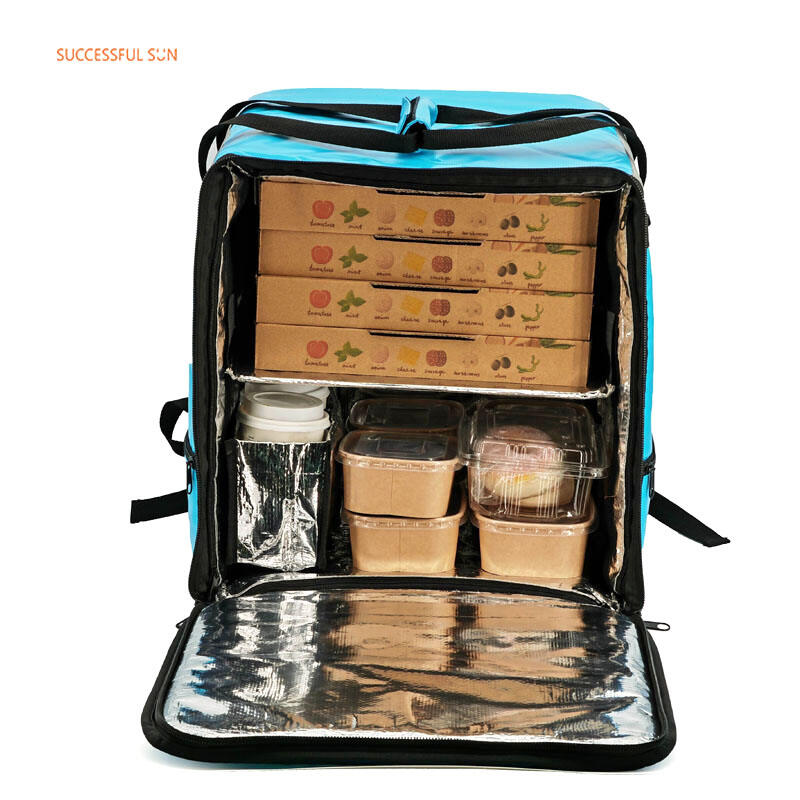
Food delivery has become an essential service in today's fast-paced world, with millions of customers relying on timely and quality deliveries daily. One critical component that significantly impacts delivery success is the use of proper thermal insulation equipment. A high-quality pizza bag serves as the foundation for maintaining food temperature, preserving taste, and ensuring customer satisfaction throughout the delivery process.
The relationship between delivery equipment and operational efficiency extends far beyond simple food storage. Modern delivery businesses face increasing pressure to reduce delivery times while maintaining exceptional food quality standards. Professional thermal bags have evolved to address these dual challenges, incorporating advanced materials and design features that directly impact both speed and quality metrics.
Understanding how thermal insulation technology affects delivery operations requires examining multiple factors including temperature retention, durability, ergonomic design, and cost-effectiveness. These elements work together to create measurable improvements in delivery performance and customer experience.
Temperature Retention Technology and Delivery Quality
Advanced Insulation Materials
Modern pizza bag construction utilizes multi-layer insulation systems that significantly outperform traditional materials. These advanced thermal barriers typically consist of reflective aluminum layers, closed-cell foam padding, and moisture-resistant outer shells. The combination creates superior temperature retention capabilities that maintain food quality during extended delivery routes.
Professional-grade thermal bags can maintain internal temperatures within optimal ranges for up to several hours, depending on external conditions and initial food temperature. This extended retention period allows delivery drivers to handle multiple orders efficiently without compromising food quality, directly contributing to improved delivery times through route optimization.
The impact of superior insulation extends beyond temperature maintenance to include moisture control and aroma preservation. Quality thermal bags prevent condensation buildup that can affect food texture while containing flavors and preventing odor transfer between different food items during multi-order deliveries.
Temperature Consistency Benefits
Consistent temperature maintenance throughout the delivery process ensures that food arrives at optimal serving conditions, regardless of delivery distance or environmental factors. This consistency reduces customer complaints related to cold or soggy food, leading to higher customer satisfaction ratings and increased repeat business.
Temperature stability also allows delivery services to expand their operational radius without quality concerns. Restaurants can confidently serve customers located further away, increasing their market reach and revenue potential while maintaining their reputation for quality food delivery.
The ability to maintain proper food temperatures also reduces food safety risks associated with bacterial growth in improperly stored items. This safety aspect becomes increasingly important for delivery services handling perishable items or operating in warmer climates where temperature control is critical.
Operational Efficiency and Time Management
Route Optimization Capabilities
Enhanced thermal retention allows delivery drivers to optimize their routes more effectively by handling multiple orders simultaneously without quality concerns. A reliable pizza bag enables drivers to pick up several orders and deliver them efficiently along planned routes, reducing overall delivery times and fuel costs.
The confidence in temperature maintenance allows for strategic delivery scheduling where orders can be grouped geographically rather than strictly chronologically. This flexibility results in reduced travel time between deliveries and improved overall efficiency for delivery operations.
Professional thermal bags also facilitate better communication with customers regarding delivery timing. When drivers can confidently maintain food quality for extended periods, they can provide more accurate delivery estimates and accommodate customer preferences for specific delivery windows.
Workflow Streamlining
Quality thermal bags streamline the packaging and loading process at restaurants, reducing preparation time and minimizing delays. Standardized bag sizes and configurations allow kitchen staff to pack orders more efficiently, creating smoother workflows during peak delivery periods.
The durability and reliability of professional thermal bags reduce equipment-related delays and interruptions. When delivery drivers can depend on their equipment, they spend less time dealing with equipment failures or temperature-related issues that could slow down delivery operations.
Improved organization capabilities within well-designed thermal bags allow drivers to manage multiple orders more effectively, reducing mix-ups and ensuring accurate deliveries. This organization directly translates to faster service and improved customer satisfaction.
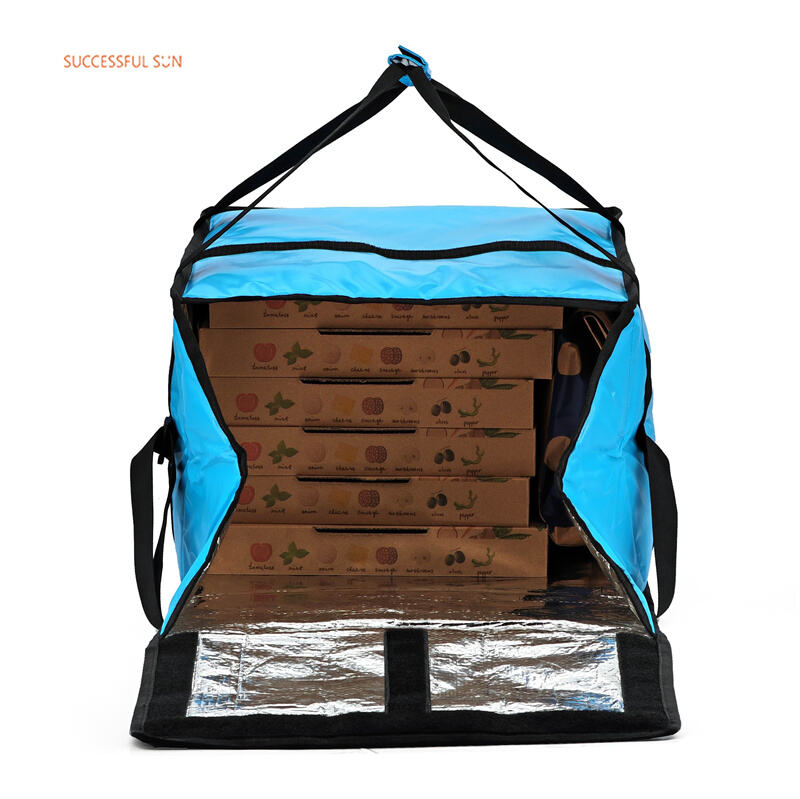
Economic Impact and Cost Analysis
Long-term Investment Benefits
Investing in high-quality thermal delivery bags provides substantial long-term economic benefits that extend well beyond the initial purchase cost. Durable construction materials and professional-grade components ensure extended service life, reducing replacement frequency and associated costs over time.
The improved customer satisfaction resulting from consistent food quality leads to increased customer retention and positive reviews. These factors contribute to organic business growth and reduced marketing costs required to attract new customers to replace dissatisfied ones.
Enhanced delivery efficiency allows businesses to handle increased order volumes without proportionally increasing delivery staff or vehicle requirements. This scalability provides significant cost advantages as businesses grow and expand their delivery operations.
Revenue Generation Opportunities
Reliable temperature control enables delivery services to expand their menu offerings to include items that require specific temperature maintenance, such as frozen desserts or temperature-sensitive beverages. This menu expansion creates additional revenue streams and competitive advantages.
The ability to maintain food quality over longer distances allows businesses to charge premium delivery fees for extended service areas. Customers are often willing to pay higher fees for guaranteed quality delivery, especially when ordering from preferred restaurants located further away.
Professional-grade equipment also enhances the overall brand image of delivery services, allowing them to position themselves as premium providers and command higher service fees compared to competitors using standard equipment.
Customer Experience and Satisfaction
Quality Assurance Benefits
Consistent food quality delivery creates positive customer experiences that directly impact business reputation and customer loyalty. When customers receive hot, fresh food regardless of delivery distance or weather conditions, they develop trust in the delivery service and are more likely to place repeat orders.
Professional thermal bags also protect food presentation during transport, ensuring that items arrive looking as appetizing as when they left the restaurant. This visual appeal contributes to overall customer satisfaction and perceived value of the delivery service.
The reliability of quality equipment reduces the likelihood of customer complaints and refund requests, minimizing the administrative burden on customer service teams and protecting profit margins from compensation costs.
Competitive Advantage Creation
Superior delivery equipment provides tangible differentiation in competitive markets where multiple services offer similar menu items and pricing. The ability to consistently deliver higher-quality food creates a sustainable competitive advantage that is difficult for competitors to replicate without similar equipment investments.
Customer word-of-mouth recommendations often focus on food quality and delivery reliability, making thermal bag performance a crucial factor in organic marketing success. Satisfied customers become brand advocates who help attract new business through personal recommendations.
The professional appearance and functionality of quality thermal bags also enhance the perceived professionalism of delivery personnel, contributing to positive brand impressions and customer confidence in the service quality.
Equipment Selection and Implementation
Performance Specifications
Selecting appropriate thermal delivery bags requires careful consideration of multiple performance factors including insulation rating, size capacity, durability specifications, and maintenance requirements. Professional-grade bags should maintain internal temperatures within acceptable ranges for minimum specified time periods under various environmental conditions.
Waterproof construction becomes essential for delivery operations in variable weather conditions, protecting both food quality and equipment longevity. Quality materials should resist wear from frequent use while maintaining thermal performance throughout their service life.
Ergonomic design features such as comfortable carrying handles, shoulder straps, and balanced weight distribution contribute to driver efficiency and reduce fatigue during extended delivery shifts. These human factors directly impact delivery speed and overall operational effectiveness.
Integration Strategies
Successful implementation of professional thermal bags requires comprehensive training for delivery staff on proper usage techniques, loading procedures, and maintenance protocols. This training ensures optimal performance and extends equipment service life while maximizing quality benefits.
Standardizing bag specifications across delivery fleets creates operational consistency and simplifies replacement planning. When all drivers use similar equipment, training becomes more efficient and operational procedures can be standardized for better overall performance.
Regular performance monitoring and maintenance scheduling help identify potential issues before they impact delivery quality. Proactive equipment management ensures consistent performance and prevents unexpected failures during critical delivery periods.
FAQ
How much can quality thermal bags improve delivery times?
Quality thermal bags can improve delivery times by 15-25% through enabling route optimization and multiple order handling. The extended temperature retention allows drivers to pick up several orders simultaneously and plan more efficient delivery routes, reducing overall travel time and fuel consumption while maintaining food quality standards.
What temperature range should professional delivery bags maintain?
Professional delivery bags should maintain hot food temperatures above 140°F (60°C) for at least 45-60 minutes under normal conditions. For cold items, the bags should keep temperatures below 40°F (4°C) for similar time periods. These temperature ranges ensure food safety compliance and optimal taste preservation during typical delivery operations.
How does bag quality affect customer satisfaction scores?
Restaurants using high-quality thermal bags typically see customer satisfaction improvements of 20-30% in food quality ratings. Consistent temperature maintenance leads to better taste preservation, improved food presentation, and reduced customer complaints. This satisfaction increase directly correlates with higher customer retention rates and positive online reviews.
What return on investment can businesses expect from premium thermal bags?
Businesses typically see ROI within 6-12 months through reduced customer complaints, increased order volumes, and improved operational efficiency. Premium bags cost more initially but provide extended service life, better performance, and enhanced customer satisfaction that translates to increased revenue and reduced operational costs over time.