
 EN
EN



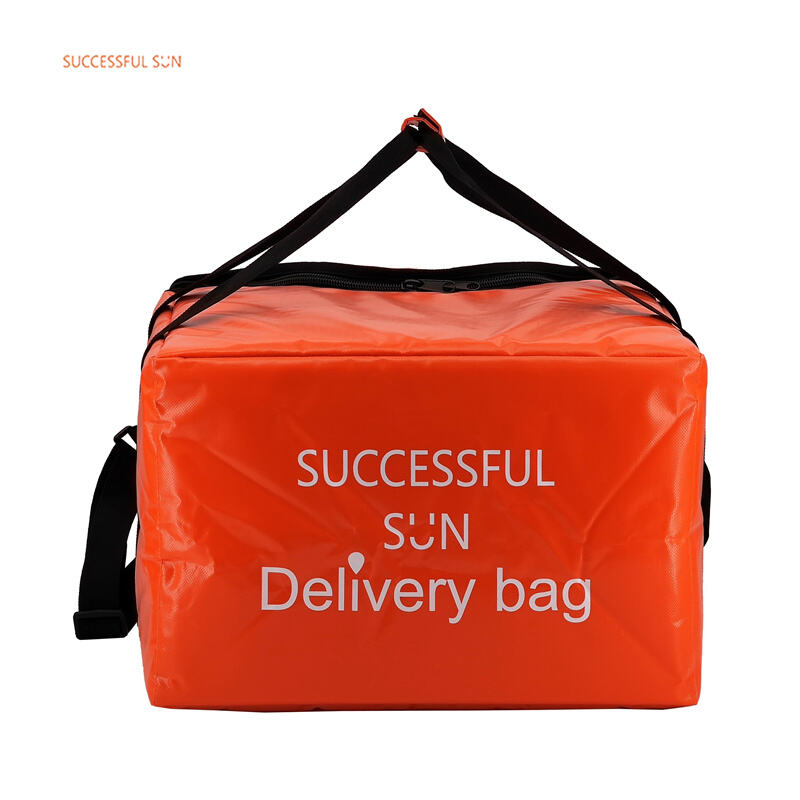
Choosing the right pizza bag for your business is crucial for maintaining food quality, customer satisfaction, and operational efficiency. A well-selected pizza bag ensures that hot pizzas arrive at their destination with optimal temperature and texture, while also protecting your brand reputation. The decision involves evaluating multiple factors including insulation quality, size requirements, durability standards, and budget considerations. Understanding these elements will help you make an informed choice that supports your delivery operations and enhances customer experience.
Understanding Insulation Technology and Heat Retention
Thermal Barrier Materials
The effectiveness of any pizza bag depends heavily on its insulation materials and construction quality. High-performance thermal barriers typically incorporate multiple layers including reflective aluminum, closed-cell foam, and moisture-resistant outer shells. These materials work together to create a thermal envelope that minimizes heat transfer and maintains consistent internal temperatures. Professional-grade insulation can keep pizzas hot for extended periods, ensuring quality delivery even during longer routes or busy periods when multiple deliveries are stacked.
Advanced insulation systems often feature specialized foam densities that balance weight considerations with thermal performance. The thickness and quality of insulation directly impact heat retention capabilities, with premium options maintaining temperatures above 140°F for several hours. Understanding these technical specifications helps businesses select bags that match their specific delivery timeframes and quality standards.
Temperature Maintenance Standards
Effective temperature control requires pizza bags that can maintain food safety standards while preserving taste and texture quality. Industry best practices recommend maintaining internal temperatures between 140-160°F during transport to ensure food safety compliance. Quality pizza bags should demonstrate consistent performance across various environmental conditions, from cold winter deliveries to hot summer transport scenarios.
Temperature testing and certification provide valuable insights into bag performance under real-world conditions. Many commercial-grade options undergo rigorous testing to verify their thermal retention capabilities, providing businesses with reliable performance data for decision-making purposes. This information becomes particularly important for establishments with longer delivery routes or high-volume operations requiring consistent quality standards.
Size Configuration and Capacity Planning
Standard Pizza Dimensions
Selecting the appropriate size configuration requires understanding your menu offerings and typical order patterns. Standard pizza sizes range from personal 8-inch options to large 18-inch family sizes, each requiring specific internal dimensions for proper fit and heat circulation. A quality pizza bag should accommodate your most common sizes while allowing slight variations in box dimensions from different suppliers.
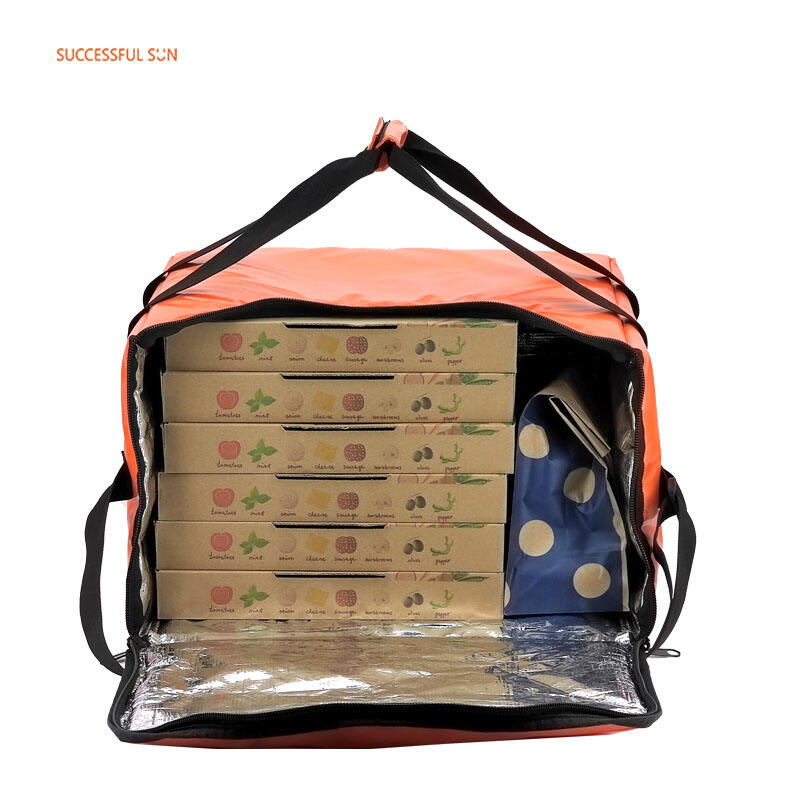
Internal space planning must also consider stacking capabilities and air circulation requirements. Proper ventilation prevents moisture buildup that can compromise crust quality, while adequate spacing ensures even heat distribution throughout the cargo area. Many professional bags feature adjustable dividers or modular compartments that adapt to different order combinations and pizza quantities.
Multi-Order Capacity
High-volume delivery operations require bags capable of handling multiple orders simultaneously while maintaining organization and temperature control. Multi-compartment designs allow drivers to separate orders, reduce delivery errors, and maintain individual order integrity during transport. These features become essential for businesses handling complex delivery routes or catering orders requiring multiple pizza varieties.
Capacity planning should account for peak business periods when drivers may carry significantly more orders than average. Expandable designs or modular systems provide flexibility to scale capacity based on demand fluctuations, ensuring operational efficiency during busy periods while maintaining manageable size during slower times.
Durability and Construction Quality
Material Selection and Longevity
Commercial pizza bags endure significant daily wear including loading, unloading, weather exposure, and frequent cleaning cycles. Durable exterior materials such as reinforced canvas, heavy-duty vinyl, or specialized synthetic fabrics provide resistance to tears, stains, and weather damage. The quality of stitching, zippers, and hardware components directly impacts long-term reliability and operational costs.
Investment in higher-quality construction materials typically results in lower total cost of ownership through extended service life and reduced replacement frequency. Premium bags often feature reinforced stress points, heavy-duty zippers rated for commercial use, and weather-resistant coatings that maintain performance across various environmental conditions.
Maintenance and Cleaning Requirements
Regular cleaning and maintenance are essential for food safety compliance and bag longevity. Easy-to-clean surfaces and removable liner components simplify sanitation procedures and reduce labor requirements for maintenance tasks. Antimicrobial treatments and stain-resistant coatings help maintain hygienic conditions while preserving professional appearance over time.
Designing cleaning protocols around bag specifications ensures consistent sanitation standards while protecting investment in quality equipment. Bags with machine-washable components or simple wipe-down procedures reduce maintenance complexity and support compliance with health department regulations.
Ergonomic Design and User Experience
Carrier Comfort and Safety
Delivery personnel spend significant time carrying loaded pizza bags, making ergonomic design crucial for employee comfort and safety. Well-designed carrying systems distribute weight evenly across shoulders and back, reducing fatigue and injury risk during extended shifts. Padded straps, adjustable harness systems, and balanced weight distribution contribute to carrier comfort and operational efficiency.
Safety features such as reflective strips, bright colors, or LED lighting enhance visibility during evening deliveries and adverse weather conditions. These elements protect delivery personnel while maintaining professional appearance and brand consistency across delivery operations.
Loading and Access Efficiency
Efficient loading and unloading procedures reduce delivery times and improve customer service quality. Wide-opening designs, strategically placed access points, and intuitive organization systems streamline order handling and reduce errors. Quick-access features enable rapid order retrieval without exposing entire bag contents to temperature loss.
User-friendly design elements such as color-coded compartments, clear identification systems, and secure closure mechanisms support operational efficiency while reducing training requirements for new delivery personnel. These features contribute to consistent service quality and reduced operational complexity.
Cost Analysis and Return on Investment
Initial Investment Considerations
Pizza bag selection involves balancing upfront costs with long-term operational benefits and quality requirements. Higher-quality options typically command premium prices but offer superior performance, durability, and customer satisfaction outcomes. Cost analysis should consider factors including expected service life, maintenance requirements, and impact on customer retention through improved delivery quality.
Volume purchasing often provides significant cost advantages for businesses requiring multiple bags or expanding delivery operations. Many suppliers offer quantity discounts, customization options, and bulk shipping arrangements that improve overall cost effectiveness for larger orders.
Operational Cost Impact
Quality pizza bags contribute to operational savings through reduced food waste, improved customer satisfaction, and enhanced delivery efficiency. Better temperature retention reduces complaints and refunds, while durable construction minimizes replacement costs and operational disruptions. These factors should be quantified when evaluating total cost of ownership across different bag options.
Energy efficiency and fuel savings from optimized delivery routes enabled by reliable equipment add additional value to quality investments. Reduced callback deliveries and improved customer loyalty generate ongoing revenue benefits that justify higher initial investments in premium equipment.
FAQ
How long should a pizza bag maintain temperature during delivery?
A quality pizza bag should maintain food at safe temperatures above 140°F for at least 45-60 minutes under normal conditions. Premium insulated bags can extend this timeframe to 90 minutes or more, depending on external temperature conditions and initial food temperature. This duration accommodates most delivery scenarios while ensuring food safety compliance and quality standards.
What size pizza bag works best for multiple pizza deliveries?
For multiple pizza deliveries, bags measuring approximately 20x20x9 inches provide optimal capacity for most standard pizza boxes while maintaining portability. Large capacity bags or modular systems that can accommodate 4-6 standard pizza boxes offer the best balance of efficiency and manageable weight for delivery personnel during high-volume periods.
How often should commercial pizza bags be replaced?
Commercial pizza bags typically require replacement every 12-18 months with daily use, depending on construction quality and maintenance practices. Signs for replacement include degraded insulation performance, damaged zippers or straps, persistent odors, or visible wear that affects professional appearance. Regular inspection and maintenance can extend service life significantly.
Are waterproof pizza bags worth the additional investment?
Waterproof pizza bags provide essential protection during adverse weather conditions and are particularly valuable for businesses in areas with frequent rain or snow. The additional investment typically pays for itself through reduced food loss, improved customer satisfaction during poor weather, and extended bag life due to moisture protection of internal insulation materials.