
 EN
EN



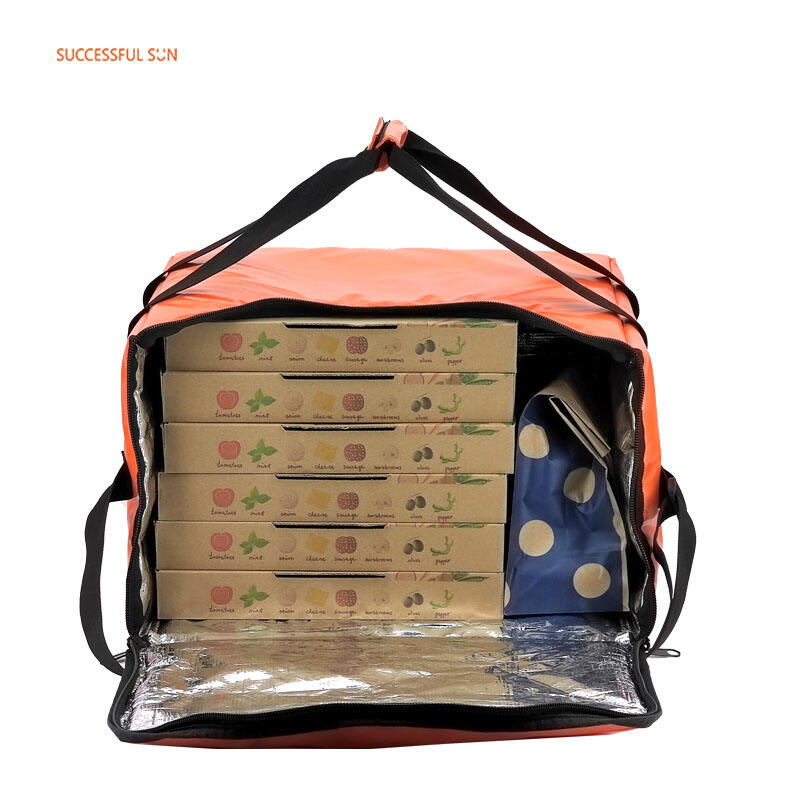
In today's competitive food delivery market, maintaining optimal temperature and food quality during transport has become a critical factor for restaurant success. Pizza bags have emerged as the industry's most reliable solution for ensuring hot, fresh deliveries that consistently meet customer expectations. These specialized thermal carriers combine advanced insulation technology with practical design features to preserve food temperature while streamlining delivery operations for restaurants of all sizes.
The evolution of food delivery has transformed customer expectations regarding temperature retention and presentation quality. Modern consumers demand restaurant-quality meals delivered to their doorstep, making effective thermal management essential for maintaining brand reputation and customer satisfaction. Professional pizza bags address these challenges through engineered materials and construction methods specifically designed for commercial food service applications.
Superior Insulation Technology
Multi-Layer Thermal Construction
Professional pizza bags utilize sophisticated multi-layer insulation systems that significantly outperform standard carrying containers. The typical construction features reflective aluminum inner linings that redirect heat back toward the food, creating a thermal barrier that maintains optimal temperatures for extended periods. These reflective layers work in conjunction with high-density foam insulation to minimize heat transfer and prevent temperature fluctuations during transport.
The outer shell materials are carefully selected for their thermal properties and durability requirements. Heavy-duty nylon or canvas exteriors provide excellent insulation while resisting wear from frequent handling and environmental exposure. This combination of materials creates a comprehensive thermal management system that keeps food items at serving temperature significantly longer than conventional delivery methods.
Heat Retention Performance
Temperature testing demonstrates that quality pizza bags can maintain internal temperatures above 140°F for up to two hours under normal delivery conditions. This performance level ensures food safety compliance while preserving the taste and texture qualities that customers expect from their favorite restaurants. The extended heat retention capability also provides delivery drivers with greater flexibility in route planning and multiple-stop efficiency.
Advanced insulation materials used in premium pizza bags create thermal zones that distribute heat evenly throughout the container interior. This uniform temperature distribution prevents hot spots and cold zones that can negatively impact food quality. The result is consistently heated food items that arrive at the customer's location in optimal condition, regardless of delivery distance or environmental factors.
Practical Design Features
Size Versatility and Capacity
Modern pizza bags are available in multiple sizes to accommodate various food service requirements, from individual meal deliveries to large family orders. Standard sizes typically range from 12-inch personal pizza capacity up to extra-large bags that can hold multiple pizzas or complete meal packages. This size flexibility allows restaurants to optimize their delivery operations by selecting appropriate bag sizes for specific order types.
Interior dimensions are carefully engineered to maximize space utilization while maintaining proper insulation effectiveness. Many professional bags feature adjustable dividers or modular compartment systems that allow drivers to organize multiple orders efficiently. These organizational features reduce mixing between different customer orders while ensuring each item receives optimal thermal protection during transport.
Durability and Construction Quality
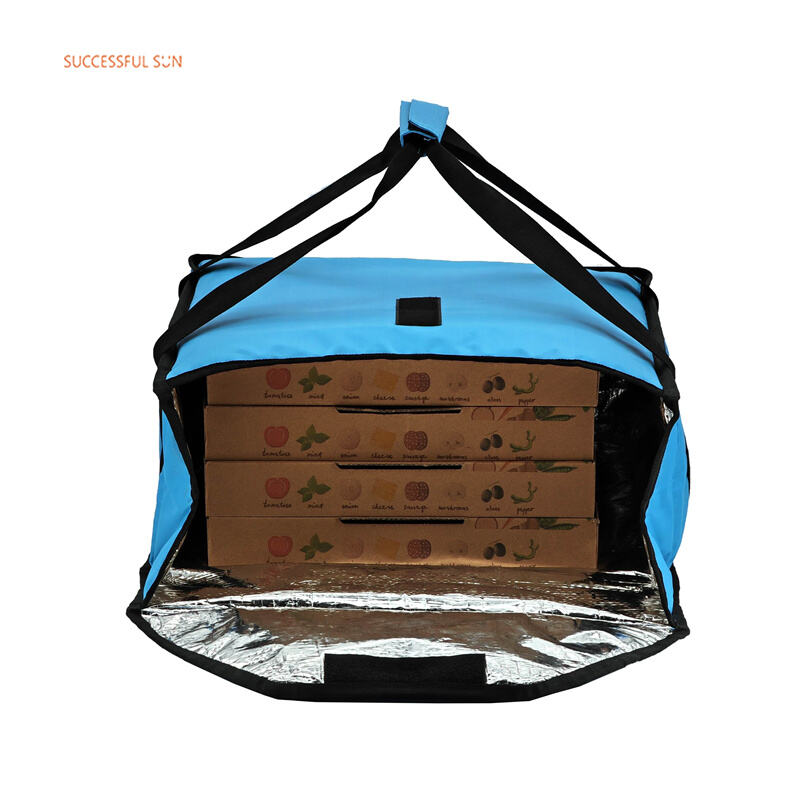
Commercial-grade pizza bags are constructed to withstand the demanding requirements of daily delivery operations. Reinforced stitching at stress points, heavy-duty zippers, and industrial-strength handles ensure long-term reliability under constant use conditions. The materials selected for construction resist staining, moisture absorption, and odor retention that can develop from repeated food contact.
Easy-clean interior surfaces allow for quick sanitization between deliveries, supporting food safety protocols and maintaining hygienic conditions. Many bags feature removable liner systems that can be washed separately, extending the overall lifespan of the bag while ensuring consistent cleanliness standards. This maintenance capability makes pizza bags a cost-effective long-term investment for food service operations.
Operational Benefits for Restaurants
Enhanced Customer Satisfaction
Restaurants using professional pizza bags consistently report higher customer satisfaction scores and reduced complaints related to food temperature issues. The ability to deliver genuinely hot food creates positive customer experiences that translate into repeat business and positive reviews. Temperature-controlled delivery also preserves the intended flavors and textures of menu items, ensuring customers receive the full culinary experience the restaurant intended.
Professional presentation provided by quality delivery bags enhances brand image and demonstrates commitment to service excellence. Customers notice when their food arrives in proper thermal carriers, and this attention to detail contributes to overall brand perception. The professional appearance of delivery operations can differentiate restaurants from competitors who may use inferior or makeshift delivery containers.
Improved Delivery Efficiency
Pizza bags enable delivery drivers to handle multiple orders simultaneously without compromising food quality, increasing overall operational efficiency. The extended heat retention capabilities allow for more flexible routing and longer delivery windows, reducing the pressure on drivers to rush between stops. This improved efficiency can result in cost savings through optimized fuel consumption and reduced labor requirements per delivery.
Temperature reliability provided by professional bags reduces the likelihood of remakes or customer complaints that can disrupt kitchen operations and increase costs. When food arrives at proper serving temperature consistently, restaurants avoid the expenses associated with replacement meals and the negative impact on customer relationships. This reliability factor contributes significantly to overall profitability in delivery operations.
Industry Applications and Use Cases
Pizza Restaurant Operations
Traditional pizzerias remain the primary users of specialized thermal delivery bags, relying on these tools to maintain the crispy crusts and melted cheese that define quality pizza experiences. The large, flat design of pizza bags accommodates standard pizza box dimensions while providing comprehensive thermal protection. Multiple pizza capacity allows drivers to serve several customers per trip while ensuring each delivery maintains optimal temperature standards.
Independent pizza restaurants particularly benefit from the professional image and reliability that quality bags provide, helping smaller operations compete effectively against larger chains. The investment in proper delivery equipment demonstrates commitment to quality and helps build customer loyalty in competitive local markets. Consistent temperature delivery becomes a differentiating factor that customers recognize and value.
Broader Food Service Applications
Beyond pizza delivery, these thermal bags serve diverse food service segments including Chinese restaurants, sandwich shops, and catering operations. The versatile design accommodates various food container types and sizes, making pizza bags suitable for hot food delivery regardless of cuisine type. Restaurants serving hot entrees, soups, and other temperature-sensitive items find these bags essential for maintaining food quality during transport.
Catering companies utilize large-capacity pizza bags for event deliveries where food must remain hot for extended periods before serving. The professional appearance and reliable performance make these bags suitable for corporate events and special occasions where presentation and quality are particularly important. The scalability of bag sizes allows catering operations to match container capacity with specific event requirements.
Cost-Effectiveness and Return on Investment
Long-Term Durability Value
Quality pizza bags represent a significant initial investment that pays dividends through extended service life and consistent performance. Professional-grade bags typically last several years under normal commercial use, providing excellent cost-per-use value compared to disposable or inferior alternatives. The durability factor becomes particularly important for high-volume delivery operations where equipment replacement costs can significantly impact profitability.
Maintenance requirements for quality bags remain minimal, requiring only periodic cleaning and inspection to ensure continued effectiveness. The robust construction materials resist common forms of wear and damage, reducing the frequency of replacement purchases. This reliability factor allows restaurant operators to budget delivery equipment costs accurately while maintaining consistent service quality.
Customer Retention Benefits
The improved customer satisfaction resulting from consistently hot deliveries translates directly into increased repeat business and positive word-of-mouth marketing. Customers who receive properly heated food are significantly more likely to reorder and recommend the restaurant to others. This customer retention effect multiplies the initial investment in quality delivery bags through increased revenue generation over time.
Online review platforms and customer feedback systems amplify the impact of temperature-controlled deliveries, as satisfied customers frequently mention food quality and temperature in their reviews. Positive reviews attract new customers and enhance the restaurant's online reputation, creating additional value beyond the immediate delivery transaction. This marketing benefit extends the return on investment for quality delivery equipment well beyond direct operational savings.
FAQ
How long can pizza bags keep food hot during delivery
Professional pizza bags can maintain food temperatures above 140°F for approximately two hours under normal delivery conditions. The exact duration depends on factors such as initial food temperature, external weather conditions, and the specific insulation quality of the bag. High-quality bags with multi-layer insulation systems provide superior heat retention compared to basic models, ensuring food safety compliance and optimal taste quality throughout the delivery process.
What size pizza bag is best for restaurant delivery operations
The optimal size depends on your restaurant's typical order volume and delivery requirements. Most establishments benefit from having multiple sizes available, including standard bags for single pizza orders and large-capacity bags for family orders or multiple-item deliveries. A common approach involves using 18-inch bags for large pizzas and 24-inch bags for multiple pizza orders, providing flexibility to match bag size with specific order requirements while maximizing operational efficiency.
Can pizza bags be used for other types of hot food delivery
Yes, pizza bags are extremely versatile and suitable for delivering various hot food items beyond pizza. Chinese food containers, sandwich platters, hot entrees, and soup containers all benefit from the thermal protection these bags provide. The spacious interior and effective insulation make them ideal for any food service operation that requires temperature-controlled delivery, regardless of cuisine type or container configuration.
How should pizza bags be cleaned and maintained for food safety
Regular cleaning involves wiping down interior surfaces with food-safe sanitizing solutions after each shift or whenever contamination occurs. Many professional bags feature removable liners that can be machine washed separately, simplifying the cleaning process while ensuring thorough sanitization. Exterior surfaces should be cleaned regularly to maintain professional appearance, and zippers should be inspected periodically to ensure proper sealing for optimal thermal performance.