
 EN
EN



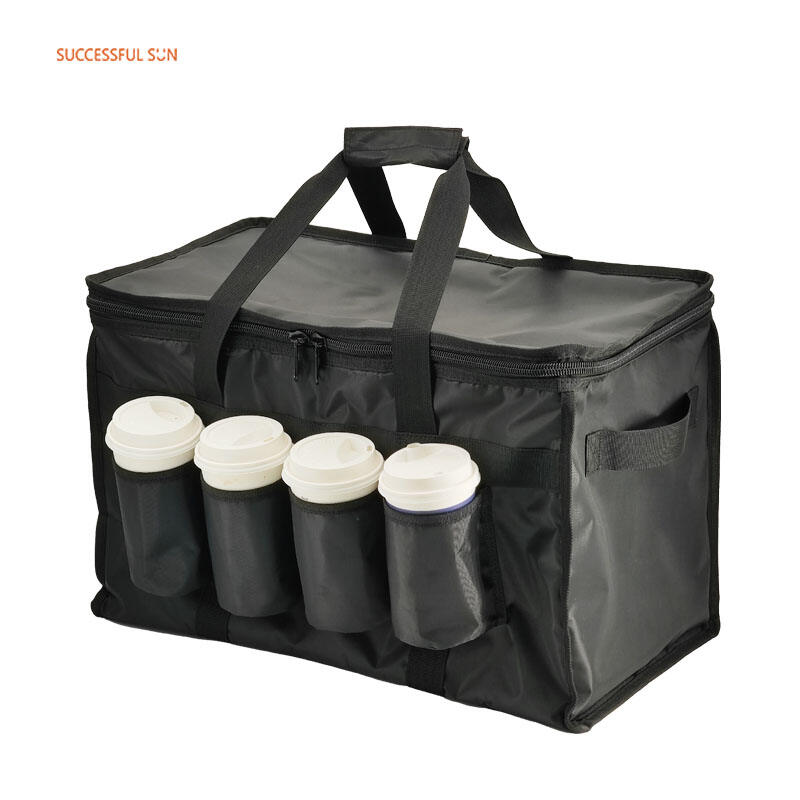
Food delivery has transformed from a convenience to a necessity in modern society, with millions of meals transported daily across the globe. The quality of food upon arrival significantly impacts customer satisfaction, restaurant reputation, and business success. Temperature control during transportation plays a crucial role in maintaining food safety, flavor, and presentation. A thermal bag serves as the essential bridge between kitchen preparation and customer consumption, ensuring that hot foods remain hot and cold items stay appropriately chilled throughout the delivery journey.
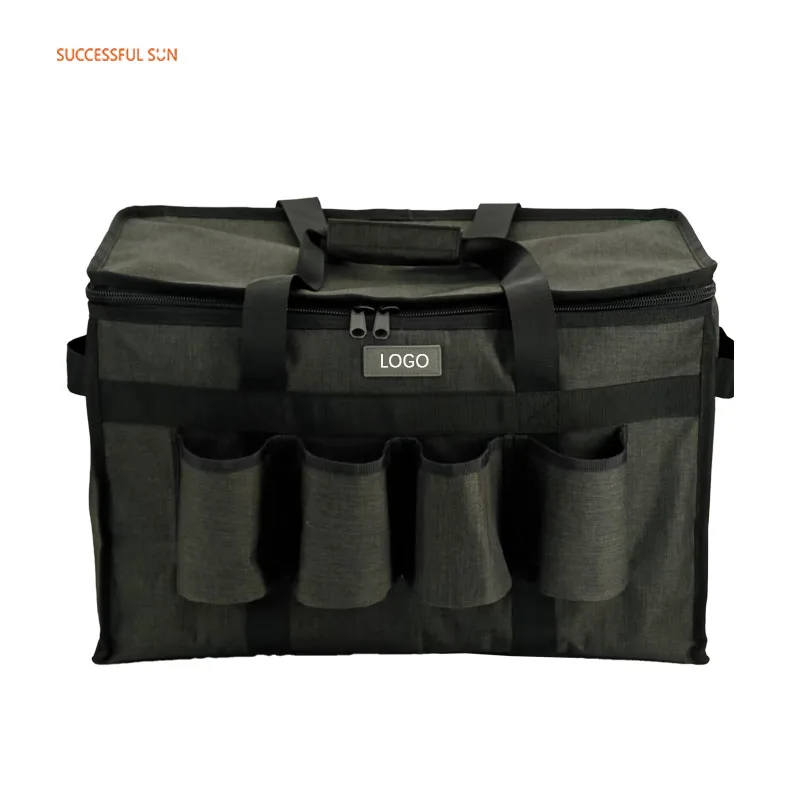
Professional food delivery operations recognize that maintaining proper food temperatures directly correlates with customer retention and positive reviews. Restaurant owners, delivery services, and catering businesses increasingly rely on high-quality insulation solutions to preserve meal integrity during transport. The investment in proper thermal equipment demonstrates commitment to food safety standards while protecting profit margins from refunds and complaints. Understanding how thermal technology works and its impact on food quality enables businesses to make informed decisions about their delivery infrastructure.
Science Behind Thermal Insulation Technology
Heat Transfer Prevention Mechanisms
Thermal insulation operates on fundamental physics principles that prevent heat transfer through conduction, convection, and radiation. A quality thermal bag incorporates multiple barrier layers designed to minimize temperature exchange between the internal food compartment and external environment. The insulation materials create dead air spaces that resist thermal conductivity, while reflective surfaces deflect radiant heat energy. These combined mechanisms maintain stable internal temperatures for extended periods, crucial for delivery operations spanning multiple hours.
Advanced thermal bag designs utilize specialized foam insulations, reflective films, and air-tight sealing systems to maximize temperature retention. The effectiveness of thermal protection depends on material thickness, density, and the quality of construction joints and closures. Professional-grade thermal bags often feature multi-layer construction with vapor barriers that prevent moisture infiltration while maintaining optimal thermal performance. Understanding these technical aspects helps delivery operators select appropriate equipment for their specific operational requirements.
Material Composition and Performance Factors
The outer shell of effective thermal bags typically consists of durable, waterproof materials such as reinforced vinyl, canvas, or synthetic fabrics that withstand repeated use and cleaning. Interior lining materials must be food-safe, easy to sanitize, and resistant to staining and odor absorption. High-performance insulation cores commonly utilize closed-cell foam, reflective bubble wrap, or specialized synthetic fills that maintain their insulating properties despite compression and temperature fluctuations.
Zipper quality, seam construction, and closure mechanisms significantly impact overall thermal performance and durability. Professional thermal bags feature heavy-duty zippers, reinforced stress points, and secure closure systems that maintain airtight seals during transport. The combination of superior materials and construction techniques ensures consistent performance across thousands of delivery cycles, making quality thermal bags a worthwhile investment for serious delivery operations.
Impact on Food Quality and Safety Standards
Temperature Control and Food Safety Compliance
Food safety regulations require specific temperature ranges for different food categories during storage and transportation. Hot foods must maintain temperatures above 140°F to prevent bacterial growth, while cold items require temperatures below 40°F to ensure safety and quality. A properly designed thermal bag enables delivery operations to meet these critical temperature requirements throughout the transportation process.
Regulatory compliance extends beyond basic temperature maintenance to include documentation, monitoring, and accountability measures. Professional delivery services often implement temperature logging systems within their thermal bags to demonstrate compliance with health department requirements. The ability to maintain consistent temperatures reduces liability risks while ensuring customer safety and satisfaction. Thermal bag technology directly supports HACCP protocols and food safety management systems essential for commercial food operations.
Preservation of Flavor, Texture, and Presentation
Temperature fluctuations during delivery significantly impact food quality beyond safety considerations. Hot foods lose moisture, develop condensation issues, or become soggy when temperatures drop below optimal levels. Cold items may spoil, separate, or lose their intended texture when exposed to temperature variations. Effective thermal bag systems preserve the chef's intended flavor profiles and presentation standards that customers expect from restaurant-quality meals.
Thermal protection maintains the integrity of complex dishes that combine hot and cold components, preventing unwanted temperature cross-contamination. Proper insulation preserves crispy textures in fried foods, maintains sauce consistency, and prevents ice cream melting or beverage dilution. These quality factors directly influence customer satisfaction scores, repeat business rates, and online review ratings that determine long-term business success in competitive food delivery markets.
Business Benefits and Operational Advantages
Customer Satisfaction and Retention Metrics
Delivery temperature quality ranks among the top factors influencing customer satisfaction in food delivery services. Studies indicate that properly maintained food temperatures increase positive review rates by over 40% compared to deliveries with temperature control issues. Thermal bag investment directly correlates with reduced complaint rates, fewer refund requests, and higher customer retention percentages. The cost of quality thermal equipment quickly pays for itself through improved operational efficiency and customer loyalty.
Customer expectations continue rising as food delivery becomes increasingly competitive, with temperature quality serving as a key differentiator between service providers. Businesses utilizing professional thermal bag systems report significant improvements in delivery ratings, repeat order frequencies, and customer lifetime value metrics. The reputation benefits of consistent quality delivery extend beyond individual transactions to long-term brand building and market positioning advantages.
Operational Efficiency and Cost Reduction
Thermal bag implementation reduces operational costs through decreased food waste, fewer remakes, and improved delivery efficiency. Drivers can consolidate multiple orders without compromising individual meal quality, increasing delivery capacity and reducing fuel consumption. Professional thermal bag systems enable longer delivery routes and extended service areas while maintaining food quality standards throughout expanded operational territories.
Staff productivity improves when thermal bag systems simplify food handling procedures and reduce quality-related complications during delivery operations. Standardized thermal equipment creates consistent procedures that reduce training time and operational errors. The durability of quality thermal bags minimizes replacement costs and ensures reliable performance across extended service periods, contributing to overall operational profitability and efficiency gains.
Selection Criteria for Professional Applications
Size, Capacity, and Configuration Options
Professional thermal bag selection requires careful consideration of typical order sizes, delivery volumes, and transportation constraints. Bag dimensions must accommodate standard food containers while maximizing insulation efficiency through proper internal volume utilization. Multiple compartment configurations enable separation of hot and cold items within single thermal bag systems, improving operational flexibility and food safety compliance.
Modular thermal bag systems allow scalable solutions that adapt to varying order sizes and delivery requirements. Stackable designs optimize vehicle loading efficiency while maintaining individual thermal performance for each food compartment. The balance between capacity and portability influences driver productivity and delivery speed, making proper sizing crucial for operational success and employee satisfaction.
Durability Requirements and Maintenance Considerations
Commercial thermal bag applications demand robust construction capable of withstanding repeated daily use, frequent cleaning cycles, and challenging environmental conditions. Reinforced handles, heavy-duty zippers, and impact-resistant materials ensure reliable performance throughout extended service life cycles. Professional-grade thermal bags feature replaceable components and repairable construction that extends useful life while minimizing total ownership costs.
Maintenance requirements significantly impact operational costs and efficiency, making easy-clean surfaces and sanitization compatibility essential selection factors. Thermal bag designs that facilitate quick cleaning between uses reduce downtime and improve hygiene compliance. Warranty coverage and manufacturer support availability influence long-term operational reliability and replacement planning for commercial applications.
Industry Applications and Market Trends
Restaurant and Food Service Integration
Modern restaurant operations increasingly integrate thermal bag systems into their standard operating procedures, recognizing the direct connection between delivery quality and business success. Chain restaurants implement standardized thermal bag specifications across multiple locations to ensure consistent brand experience and quality control. Independent establishments use thermal bag technology to compete effectively with larger operators by delivering superior food quality and customer satisfaction.
Catering operations rely heavily on large-capacity thermal bag systems for event delivery and off-site service applications. The ability to maintain food temperatures during extended transport times enables expanded service areas and more complex event logistics. Professional thermal bag technology supports the growth of specialized delivery services including meal kit delivery, grocery delivery, and pharmaceutical transport applications requiring temperature control.
Technology Integration and Smart Features
Advanced thermal bag systems increasingly incorporate smart technology features including temperature monitoring, GPS tracking, and mobile connectivity options. Digital temperature displays and smartphone integration enable real-time monitoring and documentation of food safety compliance throughout delivery operations. These technological enhancements support quality assurance programs while providing valuable operational data for continuous improvement initiatives.
Future thermal bag innovations include solar-powered heating elements, automated temperature regulation, and integrated communication systems that enhance operational efficiency and customer communication. The convergence of thermal technology with digital platforms creates opportunities for enhanced service differentiation and operational optimization. Smart thermal bag systems provide competitive advantages through improved quality control and customer transparency.
Implementation Strategies for Maximum Effectiveness
Staff Training and Operational Protocols
Successful thermal bag implementation requires comprehensive staff training covering proper loading techniques, temperature monitoring procedures, and equipment maintenance protocols. Delivery personnel must understand how to maximize thermal performance through correct food placement, closure techniques, and handling procedures. Regular training updates ensure consistent application of best practices and maintain high standards across all delivery operations.
Standardized operational protocols establish clear procedures for thermal bag usage, cleaning, and maintenance that support food safety compliance and equipment longevity. Documentation systems track thermal bag performance, maintenance schedules, and replacement needs to optimize operational efficiency. Quality control measures monitor compliance with thermal bag procedures and identify opportunities for continuous improvement.
Quality Assurance and Performance Monitoring
Regular temperature testing and performance evaluation ensure thermal bag systems maintain effectiveness throughout their service life. Temperature logging during actual delivery operations provides data for compliance documentation and performance optimization. Quality assurance programs establish benchmarks for thermal performance and identify when equipment replacement or upgrades become necessary.
Customer feedback integration helps correlate thermal bag performance with satisfaction metrics and business outcomes. Monitoring systems track temperature-related complaints, delivery ratings, and quality issues to assess thermal bag effectiveness and guide improvement initiatives. Performance data supports evidence-based decision making for equipment upgrades and operational enhancements.
FAQ
How long can a thermal bag maintain proper food temperatures
Professional-grade thermal bags can maintain proper food temperatures for 2-4 hours depending on external conditions, food type, and bag quality. High-performance thermal bags with superior insulation may extend this timeframe to 6-8 hours under optimal conditions. The effectiveness depends on initial food temperature, ambient temperature, thermal bag capacity, and frequency of opening during transport.
What maintenance is required for commercial thermal bags
Regular cleaning with food-safe sanitizers, periodic inspection of zippers and seams, and proper storage when not in use maintain thermal bag performance and longevity. Deep cleaning procedures should address interior surfaces, insulation areas, and closure mechanisms to prevent odor retention and bacterial growth. Professional thermal bags typically require annual replacement depending on usage frequency and operational conditions.
Can thermal bags be used for both hot and cold food delivery
Yes, quality thermal bags effectively maintain both hot and cold temperatures by preventing heat transfer in either direction. Separate compartments or multiple thermal bags prevent temperature cross-contamination when delivering mixed temperature orders. The insulation technology works equally well for heating retention and cooling preservation, making thermal bags versatile solutions for diverse food delivery applications.
What size thermal bag is optimal for delivery operations
Optimal thermal bag size depends on typical order volumes, delivery vehicle capacity, and operational requirements. Medium-sized thermal bags accommodating 4-6 standard containers balance capacity with portability for most delivery operations. Large operations may benefit from multiple thermal bags or modular systems that provide flexibility for varying order sizes while maintaining thermal performance standards.