
 EN
EN


Outdoor adventures become exponentially more enjoyable when you have the right equipment to keep your food and beverages fresh throughout the journey. A quality cooler bag serves as an essential companion for picnics, camping trips, beach outings, and countless other outdoor activities where maintaining proper food temperature is crucial. The versatility and convenience of modern cooler bags have revolutionized how we approach outdoor dining, offering portability without compromising on cooling performance. Understanding what features make a cooler bag truly exceptional can help you make informed decisions for your next outdoor expedition.
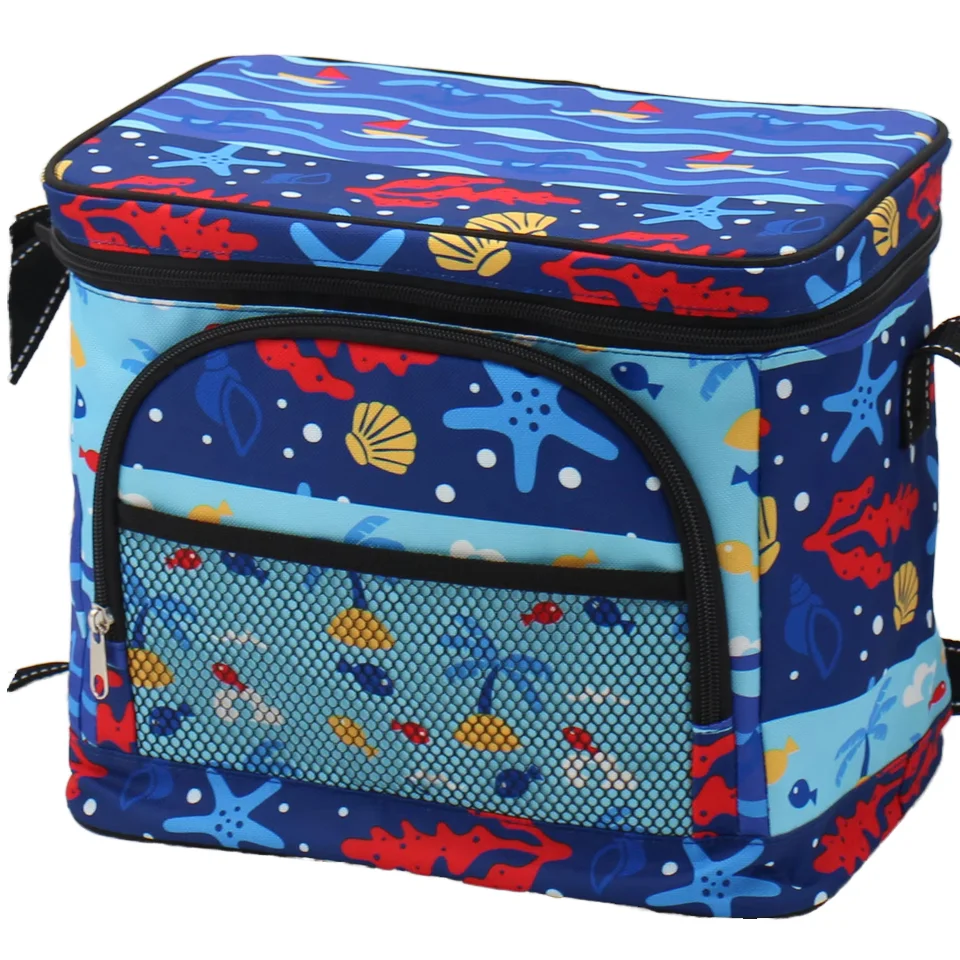
Essential Features of High-Performance Cooler Bags
Insulation Technology and Materials
The foundation of any effective cooler bag lies in its insulation system, which determines how well it maintains internal temperatures during extended outdoor use. Premium cooler bags incorporate multi-layer insulation designs featuring closed-cell foam padding that creates thermal barriers between the interior and external environment. The thickness and quality of insulation materials directly correlate with ice retention performance, making this feature paramount for serious outdoor enthusiasts.
Advanced cooler bags utilize specialized insulation technologies such as radiant barrier systems that reflect heat away from contents while trapping cold air inside. Some models incorporate vacuum-sealed panels similar to those found in high-end hard coolers, providing exceptional thermal efficiency in a flexible, portable format. The combination of proper insulation thickness and strategic material placement ensures your cooler bag maintains consistent internal temperatures for extended periods.
Construction Quality and Durability Standards
Outdoor environments demand robust construction that can withstand various weather conditions, rough terrain, and frequent handling. Premium cooler bags feature reinforced seam construction using heavy-duty stitching techniques that prevent failure at stress points. The exterior materials should resist punctures, tears, and UV degradation while maintaining flexibility for easy transport and storage.
Interior linings play equally important roles in overall durability and performance. Food-grade PEVA liners offer excellent moisture resistance while remaining easy to clean and maintain. These specialized linings prevent bacterial growth and odor retention, ensuring your cooler bag remains hygienic throughout multiple uses. Quality zippers with corrosion-resistant coatings ensure reliable closure mechanisms that maintain seal integrity over extended periods.
Size and Capacity Considerations for Different Activities
Matching Capacity to Group Size and Duration
Selecting the appropriate size cooler bag requires careful consideration of your typical group size and trip duration. Day trips for two people typically require 15-20 liter capacity, while weekend camping excursions for families may necessitate 40-60 liter models. Understanding the relationship between capacity and cooling efficiency helps optimize performance while avoiding unnecessary bulk during transport.
Larger capacity models often feature compartmentalization options that separate different food categories or maintain distinct temperature zones. This organizational capability proves invaluable during extended camping trips where meal planning requires systematic food storage. However, increased size generally correlates with reduced portability, making capacity selection a critical balance between storage needs and transport convenience.
Portability and Transport Features
Modern cooler bags incorporate various carrying options designed to accommodate different transport scenarios and user preferences. Adjustable shoulder straps with padding reduce fatigue during longer carries, while reinforced handles provide secure grip points for two-person lifting. Some models feature removable straps that convert from backpack-style to traditional carry formats.
Innovative designs include wheeled bases for easy transport across smooth surfaces, particularly beneficial for larger capacity models. Compression straps help reduce overall bulk when the cooler bag contains fewer items, while external attachment points accommodate additional gear. These features enhance versatility and user comfort during various outdoor activities.
Temperature Retention and Ice Management
Ice Retention Performance Factors
Exceptional ice retention separates premium cooler bags from basic models, with top-performing units maintaining ice for 24-48 hours under moderate conditions. Proper pre-cooling techniques significantly enhance retention performance by reducing the thermal load when adding perishable items. The ratio of ice to contents, packing methods, and ambient temperature conditions all influence overall cooling duration.
Understanding thermal dynamics helps optimize cooler bag performance through strategic packing arrangements. Dense items should be placed at the bottom with lighter items on top, while maintaining adequate air circulation around cooling elements. Minimizing opening frequency and duration prevents warm air infiltration that rapidly degrades internal temperatures and reduces ice longevity.
Alternative Cooling Methods and Supplements
Modern cooler bag users increasingly adopt gel packs and frozen water bottles as alternatives to traditional ice, offering advantages in specific scenarios. Gel packs provide consistent cooling temperatures while eliminating melting water that can saturate food packaging. Frozen water bottles serve dual purposes as cooling elements and drinking water sources as they gradually thaw during the trip.
Dry ice usage in properly ventilated cooler bags extends cooling duration significantly, though safety protocols must be strictly followed. This method proves particularly effective for extended camping trips where traditional ice sources become impractical. Combining multiple cooling methods creates redundant systems that ensure temperature maintenance even if primary cooling elements fail.
Specialized Features for Outdoor Activities
Weather Resistance and Environmental Protection
Outdoor conditions expose cooler bags to moisture, sand, dust, and various weather elements that can compromise performance and longevity. Premium models incorporate water-resistant or waterproof exterior coatings that prevent moisture penetration while maintaining breathability to prevent condensation buildup. Sealed seam construction prevents water infiltration through stitching points.
UV protection becomes critical during extended sun exposure, as ultraviolet radiation degrades many synthetic materials over time. Quality cooler bags utilize UV-stabilized fabrics and coatings that maintain structural integrity and appearance despite prolonged outdoor use. These protective features ensure reliable performance across diverse environmental conditions.
Organization and Accessibility Options
Internal organization systems enhance user convenience and food safety by providing designated spaces for different item categories. Mesh pockets secure small items while removable dividers create customizable compartment arrangements. Some cooler bags feature separate compartments for dry goods, preventing contamination from melting ice or condensation.
External pockets and attachment points accommodate frequently accessed items without requiring full cooler bag opening. Bottle holders, utensil pockets, and key clips enhance functionality while maintaining organization during active use. These features prove particularly valuable during day-long activities where quick access to specific items becomes essential.
Maintenance and Care for Longevity
Cleaning and Sanitization Protocols
Proper maintenance extends cooler bag lifespan while ensuring food safety during repeated use. Regular cleaning with mild soap and warm water prevents bacterial growth and odor development, particularly important after transporting raw meats or dairy products. Interior linings require thorough drying before storage to prevent mold and mildew formation.
Periodic deep cleaning with specialized cooler cleaners or diluted bleach solutions eliminates stubborn odors and stains. Removable liners simplify cleaning processes while allowing thorough sanitization of all surfaces. Proper ventilation during drying prevents moisture retention that could compromise insulation performance or promote bacterial growth.
Storage and Long-term Preservation
Off-season storage requires specific protocols to maintain cooler bag condition and performance capabilities. Complete cleaning and thorough drying prevent deterioration during extended storage periods. Loosely folded storage positions prevent permanent creasing while allowing air circulation around all surfaces.
Climate-controlled storage environments protect materials from extreme temperatures and humidity fluctuations that could damage insulation or exterior coatings. Periodic inspection during storage periods identifies potential issues before they compromise performance. Proper storage practices ensure your cooler bag remains ready for immediate use when outdoor activities resume.
Cost-Benefit Analysis and Value Assessment
Investment Considerations and Expected Returns
Quality cooler bags represent significant investments that should be evaluated against expected usage frequency and performance requirements. Premium models with advanced insulation and construction typically cost more initially but provide superior durability and performance over extended periods. Calculating cost per use over expected lifespan helps justify investment in higher-quality options.
Consider additional costs associated with cooler bag ownership, including replacement parts, cleaning supplies, and cooling elements. Some models offer replacement liner options that extend overall lifespan, while others require complete replacement when components fail. Understanding total ownership costs helps make informed purchasing decisions that align with budget constraints and usage expectations.
Comparing Options and Making Informed Decisions
Market research reveals significant variation in cooler bag quality, features, and pricing across different manufacturers and models. Reading user reviews and professional testing results provides valuable insights into real-world performance characteristics. Consider factors beyond initial cost, including warranty coverage, customer support quality, and parts availability.
Hands-on evaluation opportunities through retail displays or rental programs allow direct assessment of build quality, comfort, and functionality. Testing different carrying configurations and capacity utilization helps identify models that best suit your specific requirements. This research investment prevents costly purchasing mistakes and ensures satisfaction with your cooler bag selection.
FAQ
How long should a quality cooler bag keep ice frozen
A well-constructed cooler bag with proper insulation should maintain ice for 24-48 hours under moderate ambient temperatures when properly pre-cooled and packed efficiently. Factors affecting ice retention include initial ice temperature, ice-to-contents ratio, opening frequency, and external temperature conditions. Premium models with superior insulation may extend ice retention beyond 48 hours in optimal conditions.
What size cooler bag works best for weekend camping trips
Weekend camping trips typically require 40-60 liter capacity cooler bags to accommodate food and beverages for 2-4 people over two days. This capacity allows adequate space for proper ice distribution while providing room for meal ingredients and drinks. Consider slightly larger capacity if your group includes children who require additional snacks and beverages throughout the camping experience.
Can cooler bags be used for hot food transport
Yes, cooler bags can effectively maintain hot food temperatures using the same insulation principles that keep items cold. Pre-warming the interior with hot water bottles or heated gel packs enhances hot food retention performance. However, avoid mixing hot and cold items simultaneously, as this compromises temperature maintenance for both food categories and may create food safety concerns.
How do I eliminate odors from my cooler bag
Persistent odors typically respond to thorough cleaning with baking soda solution followed by white vinegar rinse and complete air drying. For stubborn odors, create a paste using baking soda and water, apply to affected areas, allow overnight treatment, then rinse thoroughly. Activated charcoal placed inside the closed cooler bag overnight can absorb remaining odor molecules effectively.