
 EN
EN



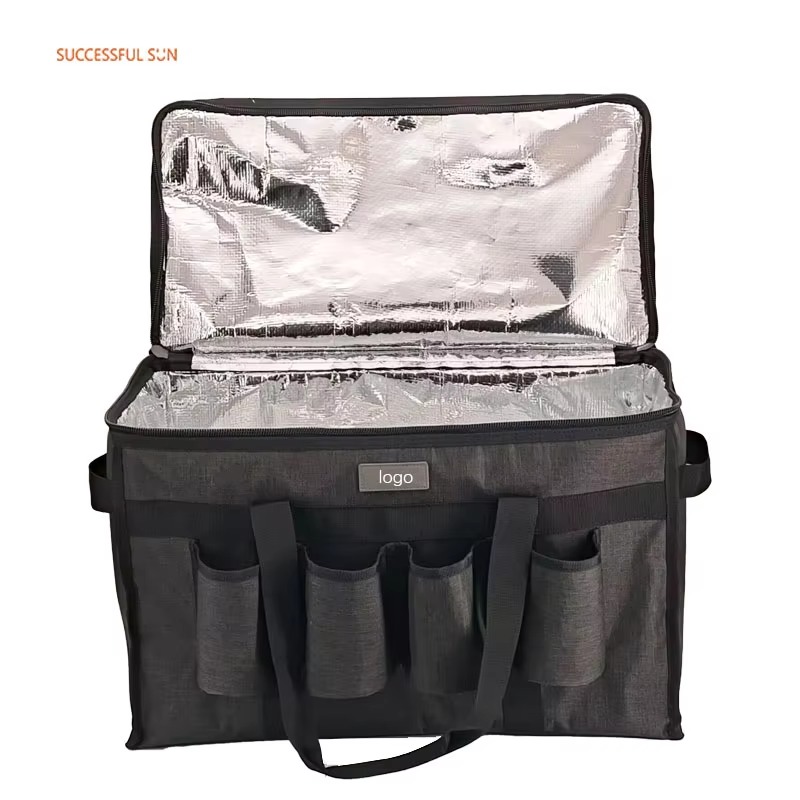
Selecting the perfect thermal bag requires careful consideration of multiple factors that directly impact performance and usability. Whether you're delivering food professionally, organizing family picnics, or transporting temperature-sensitive items, understanding the key features and specifications will ensure you make an informed decision. The right thermal bag can maintain optimal temperatures for hours while providing durability and convenience that matches your specific requirements.
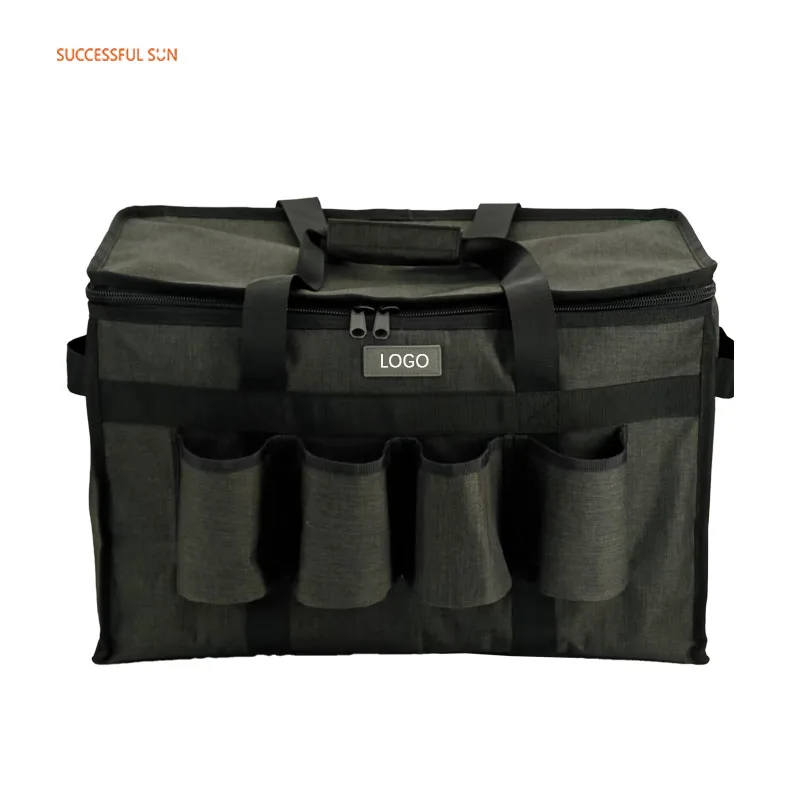
Understanding Thermal Bag Technology and Materials
Insulation Technologies That Make the Difference
Modern thermal bag construction relies on advanced insulation materials that create effective barriers against temperature transfer. High-density foam insulation forms the foundation of most quality thermal bags, providing consistent temperature maintenance across various environmental conditions. The thickness and density of this insulation layer directly correlates with the bag's ability to preserve hot or cold temperatures over extended periods.
Reflective barrier technology represents another crucial component in thermal bag design, utilizing metallic films or specialized coatings to reflect radiant heat. This technology works in conjunction with foam insulation to create a comprehensive thermal protection system. Premium thermal bags often incorporate multiple insulation layers, combining different materials to maximize temperature retention while maintaining reasonable weight and flexibility.
Exterior Material Quality and Durability
The outer shell material significantly impacts both performance and longevity of any thermal bag. Heavy-duty nylon and polyester fabrics offer excellent resistance to tears, punctures, and weather conditions while maintaining flexibility for easy handling. Water-resistant or waterproof coatings protect against moisture infiltration, which can compromise insulation effectiveness and lead to bacterial growth in food transport applications.
Canvas materials provide exceptional durability for heavy-duty commercial use, though they may add weight compared to synthetic alternatives. The weave density and treatment of canvas directly affects its resistance to wear and ability to maintain structural integrity under repeated loading. Professional-grade thermal bags often feature reinforced stitching and stress points to handle the demands of daily commercial use.
Size Selection and Capacity Planning
Determining Optimal Volume Requirements
Proper size selection begins with accurately assessing your typical load requirements and frequency of use. Small thermal bags ranging from 10-20 liters work excellently for individual meals, medical supplies, or personal items requiring temperature control. Medium-capacity options between 20-40 liters accommodate family outings, catering smaller events, or professional delivery services handling moderate volumes.
Large thermal bags exceeding 40 liters serve commercial food delivery, catering operations, and bulk transport needs where maintaining temperature across significant quantities becomes critical. Consider both current needs and potential future requirements when selecting capacity, as purchasing a slightly larger thermal bag often provides better long-term value than upgrading later.
Dimensional Considerations for Different Applications
Shape and proportions matter significantly beyond simple volume measurements when choosing the right thermal bag. Tall, narrow designs work well for beverages and bottle transport, while wide, shallow configurations accommodate pizza boxes, catering trays, and flat food containers. The internal dimensions should align with your most common items to minimize air space that can compromise temperature maintenance.
Compartmentalization features allow separation of different temperature requirements or prevent cross-contamination between items. Multiple compartments in a single thermal bag enable simultaneous transport of hot and cold items while maintaining appropriate temperatures for each section.
Performance Features and Temperature Control
Temperature Retention Capabilities
Understanding temperature retention specifications helps predict real-world performance under various conditions. Quality thermal bags typically maintain temperatures within acceptable ranges for 2-6 hours, depending on external conditions, load temperature, and insulation quality. Hot food retention generally proves more challenging than cold preservation due to heat's tendency to dissipate rapidly.
Testing conditions significantly impact published performance claims, so consider your specific use environment when evaluating thermal bag specifications. Extreme outdoor temperatures, frequent opening, and partially filled bags all reduce effective retention times. Professional food delivery services often require thermal bags capable of maintaining food safety temperatures for specific time periods mandated by health regulations.
Additional Temperature Management Features
Advanced thermal bags incorporate features beyond basic insulation to enhance temperature control capabilities. Removable ice pack compartments provide supplemental cooling for extended cold storage requirements. Some models include heating elements or compatibility with external heat sources for maintaining warm temperatures in challenging conditions.
Ventilation systems prevent condensation buildup that can compromise food quality and thermal bag hygiene. Strategic vent placement allows moisture escape while minimizing temperature loss. These features prove particularly valuable in humid environments or when transporting items with high moisture content.
Practical Design Elements and Usability
Handle and Carrying System Design
Ergonomic handle design directly impacts user comfort and safety during transport, especially for heavier loads or extended carrying periods. Padded handles distribute weight more evenly across hand contact points, reducing fatigue and improving grip security. Adjustable shoulder straps provide hands-free carrying options essential for delivery personnel and outdoor enthusiasts.
Dual carrying systems offering both hand and shoulder options maximize versatility across different situations and user preferences. Handle placement should allow balanced weight distribution when the thermal bag is fully loaded. Reinforced attachment points prevent handle failure under stress, which could result in dropped contents and potential safety hazards.
Access and Loading Convenience
Zipper quality and configuration significantly affect daily usability and long-term durability of any thermal bag. Heavy-duty zippers with large pulls operate smoothly even when wearing gloves or working in challenging conditions. Double-zipper systems provide access from multiple angles and create redundancy in case of single zipper failure.
Wide-opening designs facilitate easy loading and unloading of bulky or awkwardly shaped items. Top-loading thermal bags offer excellent temperature retention but may complicate access to items at the bottom. Side-loading or combination access systems provide better organization options while maintaining reasonable thermal performance.
Maintenance and Cleaning Requirements
Cleaning Protocols and Hygiene Management
Food safety regulations and personal hygiene standards require thermal bags that support thorough cleaning and sanitization. Removable, washable liners simplify cleaning while protecting the insulation layers from moisture damage. Antimicrobial treatments on interior surfaces help prevent bacterial growth between cleaning cycles, particularly important for commercial food service applications.
Non-absorbent interior materials prevent staining and odor retention that can compromise food quality and thermal bag longevity. Smooth surfaces without excessive seams or crevices clean more effectively and completely. Consider the available cleaning methods and required frequency when selecting thermal bag materials and construction features.
Durability and Replacement Considerations
Regular inspection of thermal bag condition helps identify wear patterns and potential failure points before they compromise performance. Insulation compression, zipper wear, and material degradation all affect temperature retention capabilities. Professional applications may require replacement schedules based on usage intensity rather than visible wear indicators.
Warranty coverage and manufacturer support provide additional value considerations beyond initial purchase price. Reputable manufacturers often offer replacement parts, repair services, or upgrade programs that extend useful life. Factor these ongoing costs and support availability into your thermal bag selection decision process.
Application-Specific Selection Criteria
Commercial Food Delivery Requirements
Professional food delivery services need thermal bags meeting specific health department requirements and performance standards. Temperature maintenance capabilities must align with delivery route timing and local food safety regulations. Commercial-grade thermal bags often require certification or testing documentation to satisfy regulatory compliance requirements.
Volume efficiency becomes critical for delivery services managing multiple orders simultaneously. Standardized thermal bag dimensions that accommodate common food containers and packaging improve operational efficiency. Consider stackability, vehicle storage requirements, and handling procedures when selecting thermal bags for commercial applications.
Recreational and Personal Use Applications
Outdoor activities and personal use scenarios prioritize portability, versatility, and user convenience over maximum capacity or commercial durability. Lightweight thermal bags with comfortable carrying systems enhance outdoor experiences without creating excessive burden. Weather resistance becomes particularly important for camping, beach outings, and extended outdoor activities.
Multi-purpose functionality adds value for personal thermal bag applications. Features like exterior pockets, bottle holders, and modular organization systems increase versatility across different activities and transport needs. Personal thermal bags often benefit from aesthetic considerations and color options that commercial models may not prioritize.
FAQ
How long can a thermal bag maintain temperature effectively
Temperature retention duration varies significantly based on thermal bag quality, external conditions, and load characteristics. High-quality thermal bags typically maintain safe food temperatures for 2-4 hours under normal conditions, with premium models extending this to 6+ hours. Pre-cooling or pre-heating the thermal bag before loading improves retention time, while minimizing air space and limiting opening frequency maximizes performance.
What size thermal bag works best for family picnics
Family picnic thermal bags should accommodate 4-6 people with capacity ranging from 25-35 liters depending on meal complexity and duration. This size handles main dishes, sides, beverages, and ice packs while remaining manageable for transport. Consider bags with multiple compartments to separate hot foods from cold items and prevent cross-temperature contamination during extended outings.
Can thermal bags be used for both hot and cold items
Most thermal bags work effectively for both hot and cold applications, though performance characteristics may vary between temperature ranges. The same insulation principles that prevent heat loss also prevent heat gain, making thermal bags versatile for different temperature maintenance needs. Some specialized thermal bags optimize for specific temperature ranges, so consider your primary use case when selecting between general-purpose and specialized options.
How should thermal bags be cleaned and maintained
Regular cleaning with mild soap and warm water maintains thermal bag hygiene and extends useful life. Remove any removable liners or components for separate washing, and ensure complete drying before storage to prevent mold or mildew growth. Avoid harsh chemicals or abrasive cleaning methods that might damage insulation or waterproof coatings, and inspect regularly for wear signs that might compromise performance or food safety.