
 EN
EN



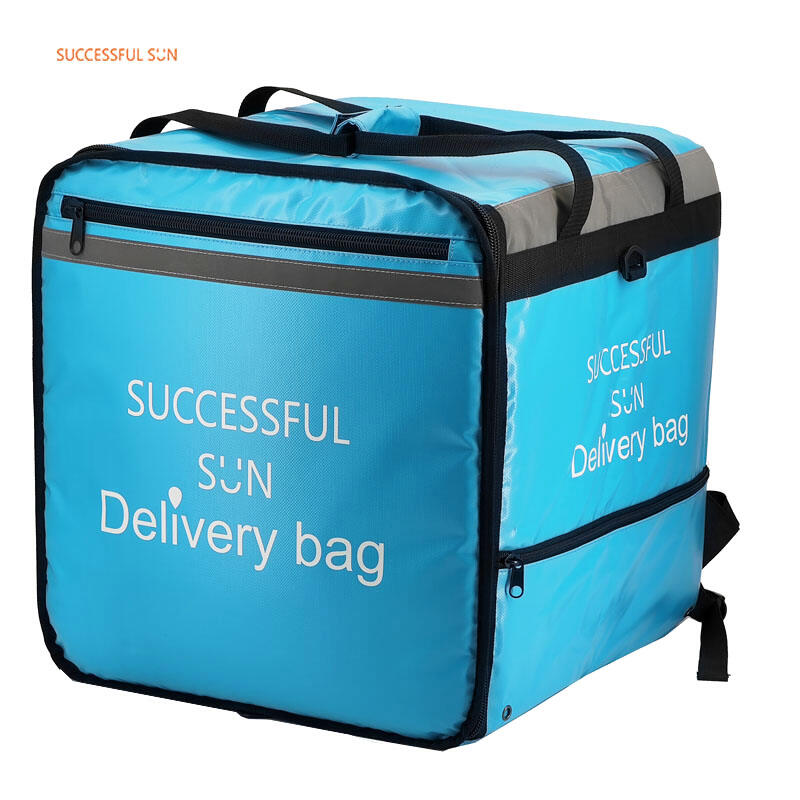
Food storage and transportation have evolved significantly in recent years, with consumers and businesses seeking more efficient solutions to maintain temperature control. An insulated bag represents one of the most practical innovations in this space, offering exceptional convenience for both personal and professional food handling needs. These specialized containers utilize advanced thermal protection technology to preserve food quality during transport, making them indispensable tools for modern lifestyles. Whether you're packing lunch for work, delivering meals professionally, or organizing outdoor activities, the right insulated bag can transform your food storage experience. Understanding the benefits and applications of these thermal containers helps consumers make informed decisions about improving their daily routines.
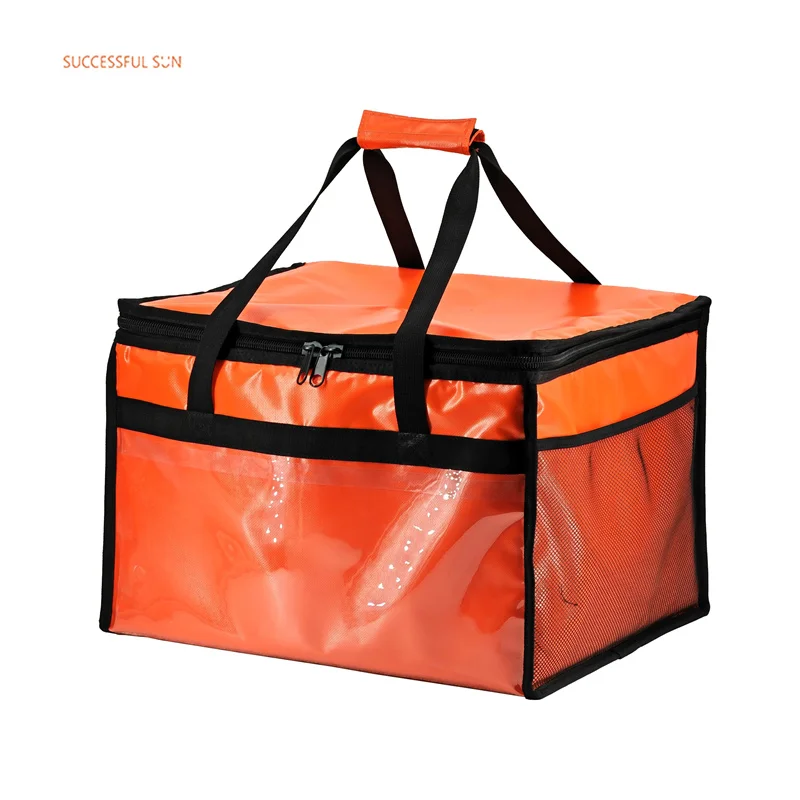
Understanding Insulated Bag Technology
Thermal Insulation Materials
Modern insulated bag construction incorporates multiple layers of specialized materials designed to create effective thermal barriers. The outer shell typically features durable fabrics like polyester or nylon that resist wear and environmental elements. Between the exterior and interior surfaces, manufacturers integrate foam insulation, reflective films, or advanced synthetic materials that minimize heat transfer. These components work together to maintain stable internal temperatures regardless of external conditions.
The effectiveness of an insulated bag depends heavily on the quality and thickness of its insulation layers. High-performance models often feature closed-cell foam insulation combined with aluminum or metallized films that reflect radiant heat. This combination creates a comprehensive barrier against conduction, convection, and radiation heat transfer mechanisms. Professional-grade options may include vacuum-sealed chambers or aerogel materials for superior thermal performance.
Design Features and Construction
Contemporary insulated bag designs prioritize both functionality and user convenience through thoughtful engineering. Reinforced seams prevent thermal leakage while ensuring structural integrity during repeated use. Waterproof linings protect contents from moisture while facilitating easy cleaning and maintenance. Many models incorporate external pockets for accessories, adjustable straps for comfortable carrying, and compression systems to optimize internal space utilization.
Advanced manufacturing techniques enable the creation of lightweight yet durable insulated bag options that don't compromise performance. Strategic placement of zippers, handles, and closure systems ensures minimal thermal bridging while maintaining accessibility. Some designs feature removable dividers or modular compartments that allow users to customize internal organization based on specific storage requirements.
Practical Applications and Use Cases
Personal Food Transportation
For individuals managing busy schedules, an insulated bag provides reliable meal preservation during commutes and extended periods away from refrigeration. Office workers can maintain fresh lunches throughout the day, while students benefit from safe food storage during long academic sessions. The portability factor eliminates dependence on workplace refrigeration facilities and reduces food safety concerns associated with temperature fluctuations.
Outdoor enthusiasts particularly appreciate the convenience of portable thermal storage during camping, hiking, or beach activities. An insulated bag enables safe food and beverage transport to remote locations where traditional cooling methods aren't available. The compact nature of these containers makes them ideal for day trips, sporting events, and recreational activities where space and weight considerations matter.
Commercial and Professional Applications
Food service industries rely heavily on insulated bag technology for delivery operations and catering services. Restaurants use these containers to ensure hot meals reach customers at optimal temperatures while maintaining food safety standards. The professional-grade durability of commercial insulated bags supports frequent use and cleaning cycles required in business environments.
Healthcare facilities and pharmaceutical companies utilize specialized insulated bags for transporting temperature-sensitive medications and samples. The precise temperature control capabilities of these containers help maintain product integrity during transit between facilities. Medical professionals appreciate the reliability and portability of insulated bag solutions for field work and emergency response situations.
Performance Benefits and Advantages
Temperature Maintenance Capabilities
Quality insulated bag products demonstrate impressive temperature retention performance across various environmental conditions. Testing shows that well-designed models can maintain internal temperatures within safe ranges for several hours without external power sources. This capability eliminates concerns about food spoilage during extended transport periods and reduces waste associated with temperature-related deterioration.
The thermal efficiency of an insulated bag directly impacts food quality preservation, maintaining texture, flavor, and nutritional content during storage. Cold foods remain crisp and fresh while hot items retain their serving temperature and appeal. This performance consistency makes these containers valuable for both casual users and professional applications where food quality standards are critical.
Economic and Environmental Impact
Investing in a reliable insulated bag generates long-term cost savings through reduced food waste and decreased reliance on disposable packaging. Users can confidently transport perishable items without fear of spoilage, maximizing grocery investments and meal planning efficiency. The reusable nature of these containers eliminates ongoing costs associated with single-use alternatives while supporting sustainable practices.
Environmental benefits extend beyond waste reduction to include decreased energy consumption from reduced refrigeration dependence. An insulated bag enables efficient food storage without continuous power requirements, supporting eco-friendly lifestyle choices. The durability of quality models ensures years of reliable service, making them cost-effective alternatives to disposable options.
Selection Criteria and Features
Size and Capacity Considerations
Choosing the appropriate insulated bag size depends on typical usage patterns and storage requirements. Compact models suit individual meals and small quantities, while larger options accommodate family-sized portions or commercial applications. Consider both external dimensions for transport convenience and internal volume for actual storage capacity when evaluating options.
Expandable designs offer versatility for varying load sizes without compromising thermal performance when partially filled. Some insulated bag models feature adjustable compartments or removable sections that adapt to different storage needs. This flexibility maximizes utility across diverse applications while maintaining efficient thermal management regardless of load configuration.
Durability and Maintenance Requirements
Construction quality directly impacts the long-term value and reliability of an insulated bag investment. Examine seam reinforcement, zipper quality, and material thickness when evaluating potential purchases. Professional-grade options often feature commercial zippers, reinforced stress points, and heavy-duty fabrics that withstand frequent use and cleaning cycles.
Maintenance requirements vary significantly between different insulated bag designs and materials. Easy-clean linings and removable components simplify sanitation procedures while antimicrobial treatments prevent odor development and bacterial growth. Consider ongoing maintenance needs alongside initial purchase costs to determine total ownership expenses and practical usability.
Innovative Features and Technology Trends
Smart Integration and Monitoring
Recent technological advances have introduced smart monitoring capabilities to premium insulated bag designs. Integrated temperature sensors and wireless connectivity enable real-time monitoring through smartphone applications. These features provide alerts for temperature excursions and detailed logging for quality assurance documentation, particularly valuable in professional applications.
Battery-powered cooling systems represent the next evolution in portable thermal management technology. Some advanced insulated bag models incorporate thermoelectric cooling elements that actively maintain temperatures beyond passive insulation capabilities. These hybrid systems bridge the gap between traditional thermal containers and powered refrigeration solutions.
Sustainable Materials and Manufacturing
Environmental consciousness drives innovation in insulated bag materials and production methods. Recycled fabrics, bio-based insulation materials, and sustainable manufacturing processes reduce environmental impact without compromising performance. These eco-friendly options appeal to environmentally conscious consumers while supporting corporate sustainability initiatives.
Circular economy principles influence modern insulated bag design through improved repairability and end-of-life recyclability. Modular construction enables component replacement and upgrades, extending product lifespan and reducing waste. Manufacturers increasingly offer take-back programs and recycling services to minimize environmental impact throughout the product lifecycle.
Industry Applications and Market Trends
Food Delivery and Logistics
The rapid growth of food delivery services has created substantial demand for high-performance insulated bag solutions. Delivery drivers require reliable containers that maintain food quality during multiple stops and extended route times. Professional delivery bags must balance thermal performance with durability, ergonomics, and brand presentation requirements.
Last-mile delivery optimization increasingly depends on effective thermal management solutions that ensure customer satisfaction. An insulated bag serves as a critical component in maintaining service quality standards while supporting efficient delivery operations. The standardization of thermal containers across delivery fleets enables consistent performance and simplified training procedures.
Healthcare and Pharmaceutical Logistics
Medical and pharmaceutical applications demand precise temperature control throughout transport and storage chains. Specialized insulated bag designs accommodate temperature-sensitive vaccines, medications, and biological samples that require specific environmental conditions. These applications often require documentation capabilities and compliance with regulatory standards for validation and traceability.
Emergency medical services utilize portable insulated storage for critical supplies and medications during field operations. The reliability and portability of these containers support rapid response capabilities while ensuring product integrity under challenging conditions. Standardized insulated bag systems enable interoperability between different medical facilities and transport vehicles.
FAQ
How long can an insulated bag maintain temperature
A quality insulated bag typically maintains internal temperatures for 4 to 8 hours depending on external conditions, insulation quality, and initial temperature differential. Professional-grade models with superior insulation materials can extend this duration to 12 hours or more. Performance varies based on ambient temperature, bag size, contents volume, and frequency of opening. Pre-cooling or pre-heating the bag before use significantly improves temperature retention duration.
What size insulated bag is best for meal delivery
Meal delivery applications typically require insulated bags between 15 to 30 liters capacity to accommodate standard food containers and multiple orders efficiently. The optimal size depends on typical delivery volume, vehicle space constraints, and ergonomic considerations for frequent handling. Many delivery professionals use multiple smaller bags rather than single large units to maintain organization and thermal zones for different food types during multi-stop routes.
Can insulated bags be used for both hot and cold items
Yes, most insulated bags work effectively for both hot and cold temperature maintenance since thermal insulation prevents heat transfer in both directions. However, avoid mixing hot and cold items in the same compartment as this reduces overall thermal efficiency. Some advanced models feature separate compartments with independent thermal zones for simultaneous hot and cold storage. Always pre-condition the bag to match your intended use temperature for optimal performance.
How should I clean and maintain my insulated bag
Regular cleaning with mild soap and warm water maintains hygiene and prevents odor development in insulated bags. Wipe down interior surfaces after each use and allow complete air drying before storage to prevent mold growth. Avoid harsh chemicals or abrasive materials that might damage insulation layers or waterproof coatings. Some models feature removable linings that can be machine washed according to manufacturer instructions for thorough sanitization.