
 EN
EN



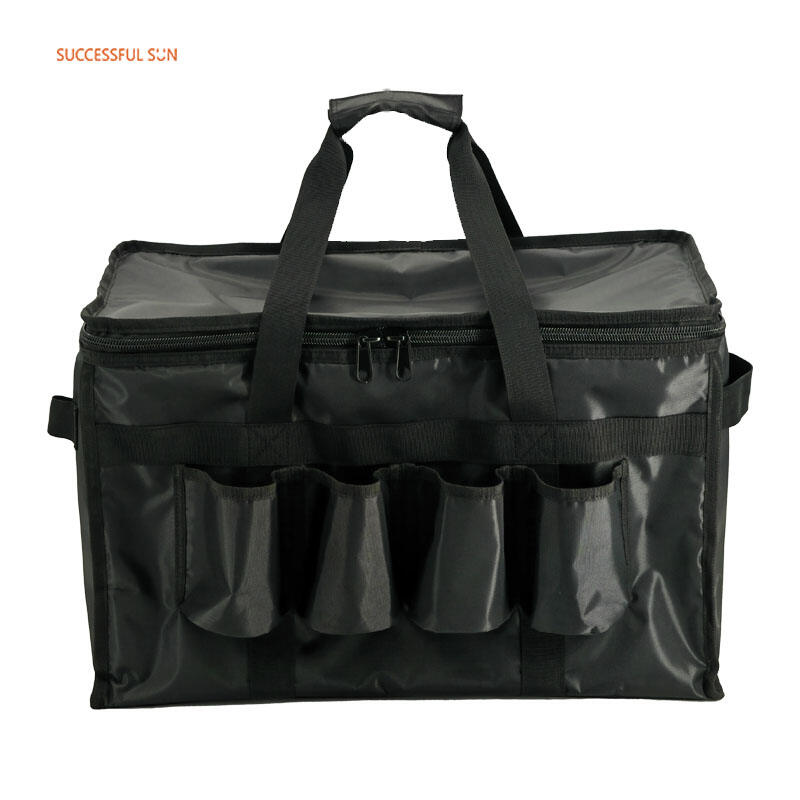
Modern food storage solutions have evolved dramatically in recent years, with the insulated bag emerging as the preferred choice for millions of consumers worldwide. These versatile containers offer superior temperature control, durability, and convenience compared to traditional lunch boxes or plastic containers. Whether you're packing meals for work, school, or outdoor activities, an insulated bag provides the perfect balance of functionality and practicality that busy lifestyles demand.
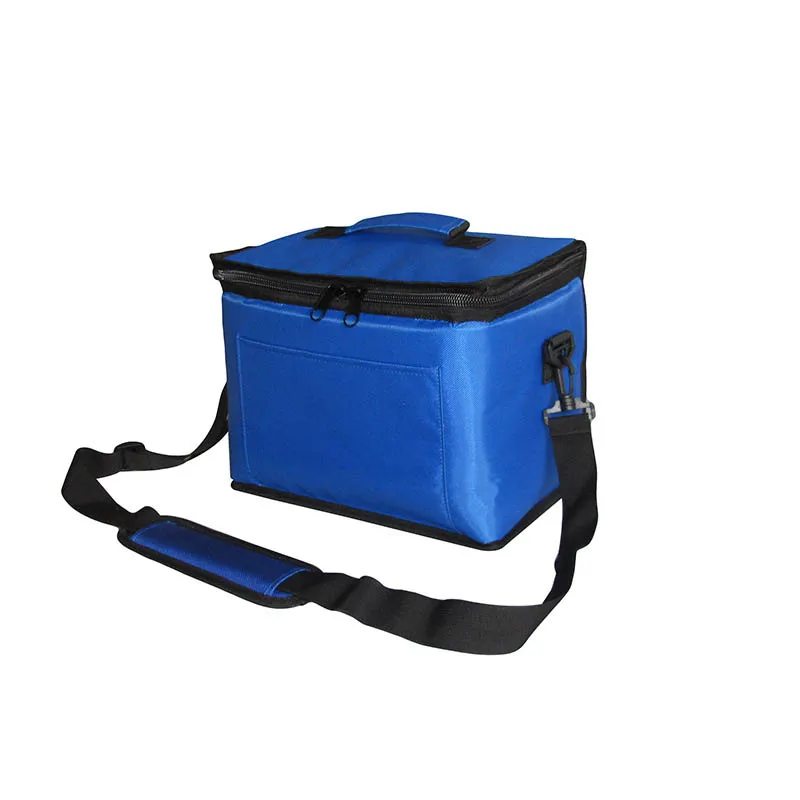
The growing popularity of meal preparation and healthy eating habits has created an unprecedented demand for reliable food storage systems. An insulated bag serves as the cornerstone of efficient meal planning, allowing users to maintain food safety standards while enjoying fresh, properly stored meals throughout the day. The advanced thermal technology integrated into these bags ensures that hot foods remain warm and cold items stay chilled for extended periods.
Superior Temperature Control Technology
Advanced Insulation Materials
The core strength of any quality insulated bag lies in its sophisticated insulation system. Modern designs incorporate multiple layers of thermal-resistant materials, including high-density foam padding and reflective aluminum liners. These components work synergistically to create an effective barrier against external temperature fluctuations, ensuring your food maintains its optimal serving temperature for hours.
Premium insulation materials used in contemporary models feature closed-cell foam construction that prevents air circulation and thermal transfer. This technology allows an insulated bag to maintain temperature differentials of up to 40 degrees Fahrenheit compared to ambient conditions, making it suitable for transporting both hot casseroles and frozen desserts simultaneously.
Temperature Retention Performance
Laboratory testing demonstrates that a well-constructed insulated bag can maintain food temperatures within safe consumption ranges for 6-8 hours under normal conditions. Cold items typically remain below 40°F for extended periods, while hot foods stay above 140°F, meeting food safety guidelines established by health authorities worldwide.
The thermal performance varies based on initial food temperature, ambient conditions, and bag capacity utilization. Maximum efficiency occurs when the insulated bag is filled to approximately 75% capacity, allowing proper air circulation while minimizing empty space that could compromise temperature stability.
Practical Design Features for Daily Use
Versatile Storage Compartments
Contemporary designs feature multiple compartments that accommodate various food types and container sizes. The main thermal chamber provides ample space for primary meals, while separate pockets allow users to store utensils, napkins, and beverages without compromising insulation effectiveness. These organizational features make an insulated bag particularly valuable for families and professionals who require diverse meal options.
Many models incorporate expandable sections that adjust to accommodate different meal sizes, from light snacks to substantial dinners. Side pockets with mesh construction provide convenient storage for fruits, condiment packets, or eating utensils, while maintaining easy access without opening the main insulated compartment.
Durability and Construction Quality
Professional-grade construction ensures that an insulated bag withstands daily use while maintaining structural integrity and insulation performance. Heavy-duty zippers, reinforced stitching, and water-resistant exterior materials protect contents from environmental exposure and accidental spills.
The exterior shell typically features ripstop nylon or polyester fabrics treated with waterproof coatings, providing protection against moisture and easy cleanup after use. Interior linings utilize food-safe materials that resist staining and odor absorption, ensuring hygienic conditions for repeated food storage applications.
Health and Food Safety Benefits
Preventing Foodborne Illness
Maintaining proper food temperatures represents the most critical factor in preventing bacterial growth and foodborne illnesses. An insulated bag creates a controlled environment that keeps perishable items within safe temperature zones, reducing the risk of contamination that commonly occurs with inadequate storage methods.
The thermal barrier provided by quality insulation prevents the temperature danger zone (40°F to 140°F) where harmful bacteria multiply rapidly. This protection becomes especially important for protein-rich foods, dairy products, and prepared meals that require consistent temperature control throughout the storage period.
Preserving Nutritional Value
Temperature stability maintained by an insulated bag helps preserve essential vitamins and minerals that deteriorate rapidly when exposed to temperature fluctuations. Fresh fruits and vegetables retain their nutritional density and crisp texture when stored in controlled thermal conditions, supporting healthy dietary goals.
Research indicates that consistent temperature storage can extend the viable nutrition period of prepared meals by up to 50% compared to ambient temperature storage. This benefit becomes particularly valuable for meal prep enthusiasts who prepare multiple days of food in advance.
Environmental and Economic Advantages
Sustainable Food Storage Solution
The reusable nature of an insulated bag significantly reduces dependence on single-use packaging materials and disposable containers. Over its typical 3-5 year lifespan, one quality bag can replace hundreds of plastic bags, foam containers, and paper packaging items, contributing to waste reduction efforts.
Many manufacturers now utilize recycled materials in construction, with eco-friendly insulation derived from post-consumer plastic bottles. These sustainable designs maintain thermal performance while supporting environmental conservation initiatives, making an insulated bag an environmentally responsible choice for conscious consumers.
Cost-Effective Meal Management
Investing in a quality insulated bag generates substantial long-term savings through reduced food waste and decreased reliance on restaurant purchases. The ability to safely transport home-prepared meals eliminates the premium costs associated with commercial food service, potentially saving families hundreds of dollars annually.
The extended freshness provided by proper insulation reduces spoilage rates, allowing users to purchase ingredients in larger quantities while maintaining food quality. This capability supports bulk buying strategies that further reduce grocery expenses while ensuring consistent meal availability.
Choosing the Right Size and Style
Capacity Considerations
Selecting the appropriate size insulated bag depends on individual meal requirements and typical usage patterns. Personal-size models accommodate single meals and snacks, while family-size options provide sufficient capacity for multiple people or extended outings. Consider daily food volume, container sizes, and additional items when evaluating capacity needs.
Professional recommendations suggest choosing an insulated bag with 20-25% excess capacity beyond typical requirements. This additional space accommodates seasonal variations in meal sizes, special occasions, and unexpected food storage needs without compromising thermal performance through overpacking.
Style and Portability Features
Modern designs offer numerous carrying options, from traditional handheld styles to backpack configurations and wheeled models for heavy loads. The optimal choice depends on transportation distance, physical requirements, and personal preferences regarding convenience and accessibility.
Features such as adjustable shoulder straps, padded handles, and compact folding capabilities enhance daily usability. An insulated bag with versatile carrying options adapts to various situations, from office commutes to outdoor adventures, maximizing utility across different applications.
Maintenance and Care Guidelines
Proper Cleaning Procedures
Regular maintenance ensures optimal performance and hygiene standards for your insulated bag throughout its service life. Interior surfaces require weekly cleaning with mild soap solutions, while exterior materials benefit from periodic deep cleaning to remove accumulated dirt and stains.
Avoid submerging the entire bag in water, as this can compromise insulation materials and adhesive bonds. Instead, use damp cloths and targeted cleaning approaches that preserve structural integrity while maintaining sanitary conditions for food storage applications.
Storage and Preservation Tips
Proper storage between uses extends the functional lifespan of an insulated bag while preventing odor development and material deterioration. Ensure complete drying before storage, maintain open airflow during non-use periods, and avoid exposure to extreme temperatures that could damage insulation properties.
Periodic inspection of zippers, seams, and insulation integrity helps identify potential issues before they compromise performance. Early detection of wear patterns allows for preventive maintenance that preserves the thermal efficiency and structural reliability that makes an insulated bag such a valuable daily tool.
FAQ
How long can an insulated bag keep food at safe temperatures
A quality insulated bag typically maintains safe food temperatures for 6-8 hours under normal conditions. Cold foods stay below 40°F while hot items remain above 140°F, meeting food safety guidelines. Performance varies based on initial temperature, ambient conditions, and how full the bag is packed.
Can insulated bags be used for both hot and cold foods simultaneously
Yes, many insulated bags feature dual-zone designs or sufficient insulation to accommodate both hot and cold items. However, for optimal performance, separate the items with additional insulation barriers or use an insulated bag with dedicated compartments for different temperature requirements.
What size insulated bag do I need for daily meal storage
Size selection depends on your typical meal portions and additional items. Personal-size bags (6-12 liters) work for individual meals, while family-size options (15-25 liters) accommodate multiple people. Choose an insulated bag with 20-25% extra capacity beyond your normal requirements for optimal flexibility.
How do I clean and maintain my insulated bag properly
Clean interior surfaces weekly with mild soap and water using a damp cloth. Avoid submerging the entire bag to protect insulation materials. Allow complete drying before storage, keep zippers and seams clean, and store in a dry, ventilated area between uses to maintain optimal performance.