
 EN
EN



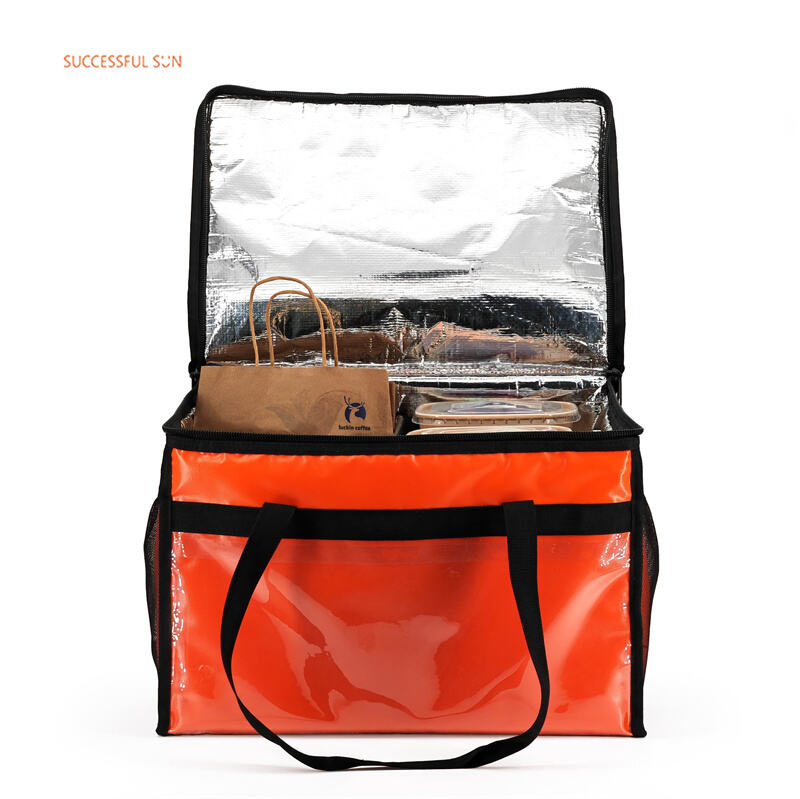
Modern life demands practical solutions that keep pace with busy schedules, and an insulated bag has become an essential item for countless individuals seeking to maintain food freshness throughout their day. Whether you're commuting to work, planning a family picnic, or organizing groceries for weekly shopping trips, selecting the right insulated bag can significantly impact your daily routine and food safety practices.
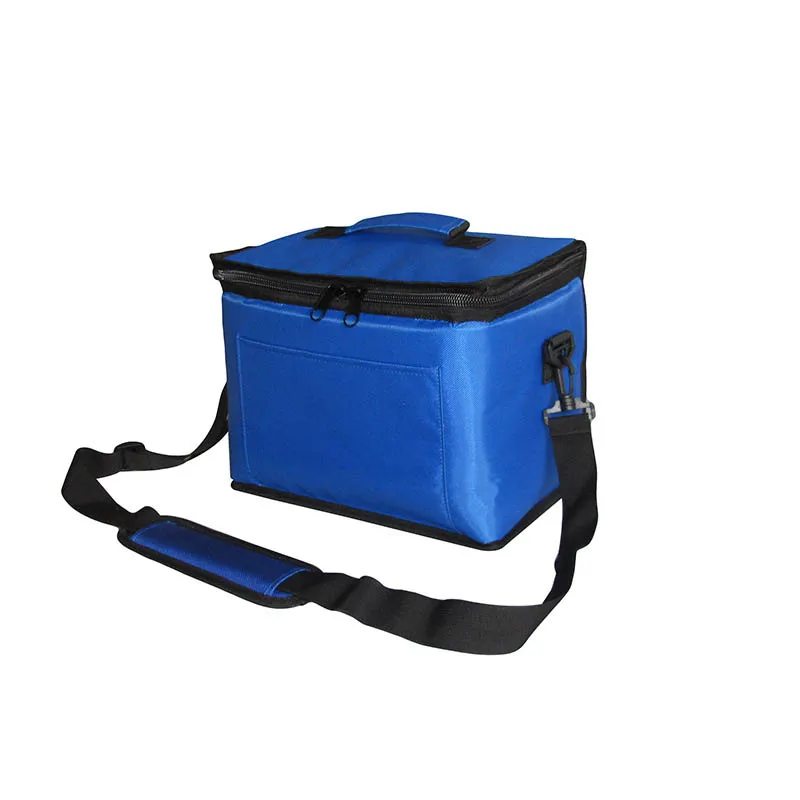
The market offers numerous options, from compact lunch carriers to large-capacity coolers, making the selection process both exciting and overwhelming. Understanding the key features, materials, and applications of different insulated bag designs will empower you to make an informed decision that aligns perfectly with your lifestyle needs and budget considerations.
Essential Features of Quality Insulated Bags
Insulation Technology and Performance
The heart of any effective insulated bag lies in its thermal retention capabilities, which determine how well it maintains desired temperatures for extended periods. High-quality insulation materials such as foam padding, reflective linings, or advanced thermal barriers work together to create a controlled environment that protects your food and beverages from external temperature fluctuations.
Modern insulated bag designs incorporate multiple insulation layers that create air pockets, effectively reducing heat transfer through conduction, convection, and radiation. The thickness and density of these materials directly correlate with temperature retention performance, making it crucial to evaluate the insulation specifications when comparing different products.
Temperature maintenance duration varies significantly between different insulated bag models, with premium options capable of preserving cold temperatures for 8-12 hours and hot temperatures for 4-6 hours under normal conditions. Understanding these performance metrics helps establish realistic expectations and ensures your chosen bag meets specific requirements for your intended applications.
Material Quality and Durability
The exterior fabric of an insulated bag must withstand regular use, weather exposure, and occasional spills while maintaining its appearance and functionality over time. Premium materials like Oxford cloth, nylon, or polyester blends offer excellent resistance to tears, stains, and water penetration, ensuring long-term reliability for daily use.
Interior linings require special attention as they come into direct contact with food items and moisture, making easy cleaning and antimicrobial properties essential considerations. Food-grade materials with seamless construction prevent bacterial growth and odor retention, maintaining hygiene standards that protect your health and preserve food quality.
Zipper quality, stitching reinforcement, and handle construction significantly impact the overall durability and user experience of an insulated bag. Heavy-duty zippers with smooth operation, reinforced stress points, and comfortable carrying options ensure your investment provides years of reliable service without premature failure or inconvenience.
Size and Capacity Considerations
Personal Use Applications
Individual lunch carriers typically range from 6 to 12 liters in capacity, providing adequate space for sandwiches, snacks, beverages, and small containers while maintaining portability for daily commutes. These compact insulated bag options excel at fitting into backpacks, car seats, or office spaces without creating storage challenges or transportation difficulties.
Personal insulated bag designs often feature compartmentalized interiors that separate different food types, prevent cross-contamination, and maximize organization efficiency. Multiple pockets, mesh dividers, and adjustable straps accommodate various container sizes and shapes, creating a customized storage solution that adapts to individual preferences and dietary requirements.
The ideal personal insulated bag balances capacity with portability, ensuring sufficient space for complete meals without becoming cumbersome during transportation. Consider your typical meal portions, container preferences, and carrying comfort when evaluating different size options to find the perfect match for your daily routine.
Family and Group Applications
Large-capacity insulated bag models ranging from 20 to 50 liters serve families, outdoor enthusiasts, and group activities where substantial food storage becomes necessary. These spacious options accommodate multiple meal courses, beverages for several people, and extended outing supplies while maintaining temperature control for hours.
Family-sized insulated bag designs often incorporate wheels, telescoping handles, or backpack-style carrying systems to manage the increased weight and bulk associated with larger capacities. These mobility features transform heavy loads into manageable transportation tasks, making beach trips, camping adventures, and large gatherings more enjoyable and less physically demanding.
Multi-compartment layouts in larger insulated bag models enable organized storage that separates hot and cold items, prevents crushing of delicate foods, and provides easy access to specific items without disturbing the entire contents. This organization capability proves invaluable during extended outings where food safety and accessibility remain paramount concerns.
Specialized Design Features
Portability and Convenience Options
Modern insulated bag designs incorporate various carrying configurations to accommodate different transportation preferences and physical requirements. Shoulder straps, hand grips, backpack systems, and wheeled options provide flexibility that adapts to various situations, from short walks to extended hiking adventures or airport travel scenarios.
Collapsible and foldable insulated bag models offer significant storage advantages when not in use, fitting into small spaces like kitchen drawers, car glove compartments, or office desks. This space-saving capability makes them ideal for occasional users or those with limited storage capacity who still want reliable insulation performance when needed.
External attachment points, carabiner loops, and compression straps enhance the versatility of an insulated bag by enabling secure attachment to larger bags, bicycles, or outdoor equipment. These features expand carrying options and prevent loss during active transportation scenarios where hands-free operation becomes essential for safety and convenience.
Maintenance and Cleaning Features
Easy-clean interior surfaces significantly reduce maintenance time and effort while ensuring hygiene standards remain consistently high throughout the lifespan of your insulated bag. Removable liners, wipeable coatings, and antimicrobial treatments prevent odor development and bacterial growth that could compromise food safety or create unpleasant usage experiences.
Machine-washable components or completely washable insulated bag options provide thorough cleaning capabilities that remove deep-seated stains, odors, and contaminants. This maintenance convenience encourages regular cleaning habits that preserve both appearance and functionality while extending the useful life of your investment.
Leak-proof construction and sealed seams prevent liquid spills from penetrating insulation materials or creating permanent damage that could compromise thermal performance. These protective features maintain structural integrity and cleanliness even when accidents occur, ensuring reliable operation despite occasional mishaps or careless handling.
Environmental and Economic Benefits
Sustainability Advantages
Reusable insulated bag options provide significant environmental benefits by reducing dependence on disposable packaging, single-use containers, and wasteful food storage solutions. This sustainable approach minimizes plastic waste generation while supporting eco-friendly lifestyle choices that contribute to environmental conservation and resource preservation efforts.
Many manufacturers now produce insulated bag products using recycled materials, organic fabrics, or biodegradable components that further enhance their environmental credentials. These eco-conscious design choices appeal to environmentally aware consumers who prioritize sustainability without compromising functionality or performance standards.
Long-term use of quality insulated bag products reduces the cumulative environmental impact associated with manufacturing, transportation, and disposal of multiple inferior alternatives. This durability advantage creates positive environmental outcomes while delivering superior value through extended service life and consistent performance reliability.
Cost-Effectiveness Analysis
Initial investment in a quality insulated bag quickly pays dividends through reduced food waste, decreased restaurant expenses, and elimination of disposable container purchases. These savings accumulate over time, making insulated bag ownership a financially sound decision that supports budget management goals while improving meal planning flexibility.
Bulk food purchasing becomes more practical with adequate insulated bag capacity, enabling shoppers to take advantage of sales, wholesale prices, and seasonal availability without worrying about spoilage during transportation. This purchasing power translates into substantial grocery savings that offset the initial insulated bag cost within weeks or months of regular use.
Professional and social benefits emerge from consistent use of an insulated bag, including improved workplace nutrition, enhanced outdoor activity enjoyment, and increased meal planning success. These lifestyle improvements contribute to overall well-being and satisfaction while demonstrating practical resource management skills that others notice and appreciate.
Selection Criteria and Buying Guide
Performance Evaluation Methods
Testing thermal retention capabilities requires systematic evaluation of temperature maintenance over specific time periods under controlled conditions. Professional reviews, manufacturer specifications, and user feedback provide valuable insights into real-world performance that helps distinguish between marketing claims and actual insulated bag capabilities.
Capacity verification involves measuring actual usable space rather than relying solely on manufacturer specifications, as insulation thickness and internal design features can significantly reduce available storage volume. Hands-on evaluation with typical food containers and beverages provides accurate capacity assessment that informs purchasing decisions.
Build quality assessment examines zipper operation, seam integrity, handle strength, and material durability through careful inspection and gentle stress testing. These quality indicators predict long-term performance and reliability, helping identify insulated bag options that justify their price through superior construction and materials.
Brand and Warranty Considerations
Established manufacturers with proven track records typically offer better quality control, customer service, and warranty support compared to unknown brands with limited market presence. Researching company reputation, product reviews, and warranty terms provides confidence in your insulated bag investment and ensures recourse if problems arise.
Warranty coverage varies significantly between different insulated bag products, ranging from basic manufacturing defect protection to comprehensive performance guarantees that cover thermal retention capabilities. Understanding warranty limitations, claim procedures, and coverage duration helps set appropriate expectations and protect your investment value.
Customer service accessibility and responsiveness become crucial factors when problems occur or questions arise during insulated bag ownership. Companies with responsive support teams, clear communication channels, and helpful problem-solving approaches enhance the overall ownership experience and build confidence in future purchases.
FAQ
How long can an insulated bag keep food cold or hot
Temperature retention duration depends on several factors including insulation quality, ambient temperature, initial food temperature, and bag capacity utilization. High-quality insulated bag products typically maintain cold temperatures for 6-12 hours and hot temperatures for 3-6 hours under normal conditions. Performance improves with pre-cooling or pre-heating the bag, using ice packs or thermal accessories, and minimizing opening frequency during use.
What size insulated bag do I need for daily lunch packing
Personal lunch requirements typically fit well in insulated bag options ranging from 8-15 liters capacity, which accommodates sandwiches, snacks, beverages, and small containers comfortably. Consider your typical meal portions, container preferences, and additional items like utensils or napkins when selecting capacity. Compact designs offer better portability while larger options provide flexibility for varying meal sizes or shared items with colleagues.
Are expensive insulated bags worth the additional cost
Premium insulated bag products often justify higher prices through superior materials, better insulation performance, enhanced durability, and improved design features. Quality construction typically provides years of reliable service, better temperature retention, and enhanced user experience compared to budget alternatives. Calculate long-term value by considering replacement frequency, performance requirements, and feature importance to determine if premium options align with your needs and budget.
How do I properly clean and maintain my insulated bag
Regular maintenance involves wiping interior surfaces with mild soap solutions, air-drying thoroughly before storage, and addressing spills immediately to prevent staining or odor development. Many insulated bag products feature removable liners or machine-washable components that simplify deep cleaning procedures. Avoid harsh chemicals, excessive heat, or abrasive cleaning methods that could damage insulation materials or compromise thermal performance over time.