
 EN
EN


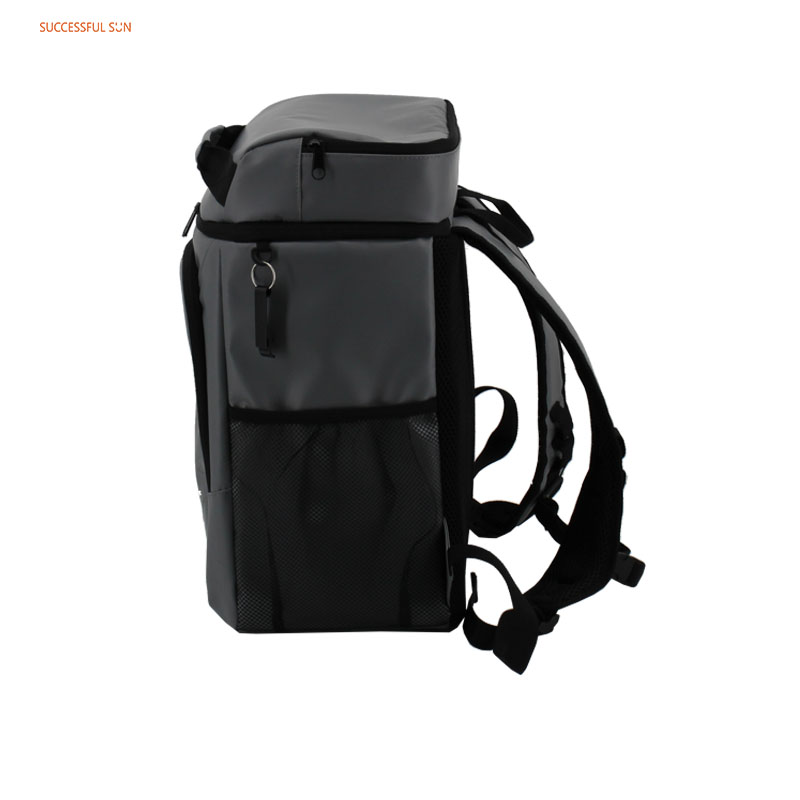
Outdoor enthusiasts understand the critical importance of maintaining food and beverage temperatures during extended adventures. An insulated cooler bag serves as an essential companion for camping trips, hiking expeditions, beach outings, and family picnics. These portable cooling solutions have revolutionized how adventurers preserve perishables while exploring nature's wonders. Modern insulated cooler bag designs incorporate advanced materials and innovative construction techniques that significantly outperform traditional cooling methods.
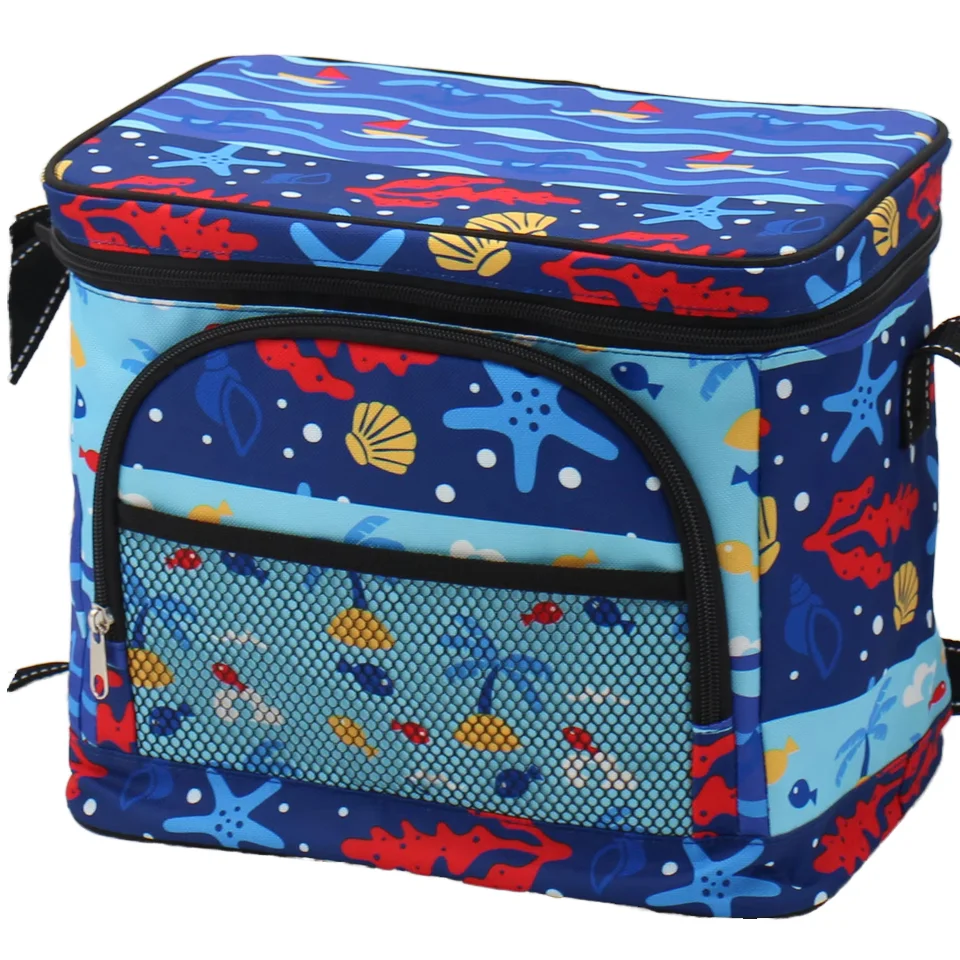
The technology behind premium insulated cooler bag construction involves multiple layers of specialized materials working in harmony. High-density foam insulation creates thermal barriers that resist heat transfer, while reflective interior linings bounce radiant energy away from contents. Waterproof exterior fabrics protect against moisture infiltration, ensuring consistent performance across diverse weather conditions. These engineering innovations enable outdoor adventurers to maintain optimal food safety standards regardless of environmental challenges.
Advanced Insulation Technology and Materials
Multi-Layer Thermal Protection Systems
Contemporary insulated cooler bag manufacturing employs sophisticated multi-layer thermal protection systems that maximize cooling efficiency. The outermost shell typically features durable polyester or nylon fabrics treated with water-resistant coatings. Beneath this protective layer, closed-cell foam insulation provides the primary thermal barrier. The innermost compartment utilizes food-grade materials such as PEVA linings that resist bacterial growth while maintaining temperature stability.
Premium insulated cooler bag models incorporate reflective aluminum foil layers that create radiant barriers. These reflective surfaces redirect heat energy away from stored contents, significantly extending cooling duration. The combination of conductive, convective, and radiant heat protection creates comprehensive thermal management systems that rival rigid cooler performance while maintaining portability advantages.
Innovative Foam Densities and Compositions
Manufacturers continuously develop enhanced foam formulations that improve insulated cooler bag thermal retention capabilities. High-density polyurethane foams offer superior insulation properties compared to traditional materials. These advanced compositions resist compression while maintaining consistent insulation thickness throughout extended use periods. Closed-cell structures prevent moisture absorption that could compromise thermal performance over time.
Some premium insulated cooler bag designs incorporate gel-based insulation systems that adapt to temperature variations. These flexible materials conform to irregular contents while providing consistent thermal protection. The adaptive nature of gel insulation ensures optimal contact with stored items, eliminating air gaps that could reduce cooling efficiency.
Performance Benefits for Outdoor Activities
Extended Temperature Maintenance Capabilities
Quality insulated cooler bag construction enables remarkable temperature maintenance duration that transforms outdoor adventure planning. Professional-grade models maintain internal temperatures below 40 degrees Fahrenheit for 12-24 hours when properly pre-chilled and loaded. This extended cooling capacity allows adventurers to embark on multi-day excursions without compromising food safety or beverage quality.
The thermal retention capabilities of modern insulated cooler bag designs depend heavily on proper loading techniques and ice management strategies. Strategic placement of frozen gel packs or block ice maximizes cooling distribution throughout the compartment. Advanced models feature internal dividers that separate frozen items from chilled goods, optimizing temperature zones for different content types.
Portability Advantages Over Rigid Alternatives
Traditional hard-shell coolers often prove cumbersome for hiking and backpacking adventures due to their rigid construction and substantial weight. An insulated cooler bag offers comparable thermal performance while providing significant portability benefits. Flexible construction allows these bags to conform to vehicle storage spaces and backpack compartments that cannot accommodate rigid containers.
The collapsible nature of insulated cooler bag designs enables compact storage when not in use. This space-saving characteristic proves invaluable for urban dwellers with limited storage capacity or frequent travelers requiring efficient packing solutions. Additionally, the lighter weight of soft-sided insulated cooler bag models reduces physical strain during transport across challenging terrain.
Practical Applications Across Adventure Types
Camping and Extended Wilderness Excursions
Multi-day camping adventures present unique challenges for food preservation that insulated cooler bag solutions effectively address. Base camp scenarios benefit from large-capacity models that maintain group meal supplies throughout extended stays. The flexible construction of insulated cooler bag designs accommodates irregular food containers and odd-shaped items that rigid coolers cannot efficiently store.
Backcountry camping requires ultra-portable cooling solutions that minimize pack weight while maximizing functionality. Compact insulated cooler bag models designed for backpacking feature streamlined profiles and enhanced insulation ratios. These specialized designs enable wilderness adventurers to carry perishable foods into remote locations previously inaccessible with traditional cooling equipment.
Beach and Water-Based Activities
Coastal adventures and water sports create demanding environments that test insulated cooler bag durability and performance. Marine-grade materials resist saltwater corrosion while maintaining structural integrity under intense sun exposure. Waterproof zippers and sealed seams prevent sand and moisture infiltration that could compromise internal conditions.
Beach-specific insulated cooler bag designs often incorporate drainage systems that remove melted ice without requiring complete unpacking. These convenient features enable continuous use throughout extended beach days while maintaining optimal internal conditions. Reflective exterior colors reduce solar heat absorption, further enhancing thermal performance in bright coastal environments.
Selection Criteria and Feature Considerations
Capacity Planning and Size Optimization
Choosing the appropriate insulated cooler bag capacity requires careful consideration of group size, trip duration, and activity type. Solo adventurers typically require 12-20 quart models that accommodate personal meal supplies and beverages. Family outings demand larger 30-50 quart insulated cooler bag options that handle group provisions while remaining manageable for transport.
Professional outdoor guides often utilize multiple smaller insulated cooler bag units rather than single large containers. This distributed approach provides flexibility for different food types while enabling load sharing among group members. Modular systems also offer redundancy protection against equipment failure during critical expeditions.
Construction Quality and Durability Factors
Premium insulated cooler bag construction incorporates reinforced stress points that withstand repeated loading and transport abuse. Double-stitched seams and heavy-duty zippers resist failure under challenging field conditions. Quality manufacturers often provide warranty coverage that demonstrates confidence in their insulated cooler bag durability and performance standards.
Handle and strap systems require particular attention during insulated cooler bag selection processes. Padded shoulder straps distribute weight evenly during extended carries, while reinforced grab handles enable secure lifting and positioning. Some models feature removable strap systems that provide transport flexibility based on specific adventure requirements.
Maintenance and Care Practices
Cleaning and Sanitization Protocols
Proper maintenance extends insulated cooler bag lifespan while ensuring food safety compliance throughout extended use periods. Regular cleaning with mild soap solutions removes food residues and prevents bacterial accumulation. Thorough drying after each use prevents mold growth that could compromise both hygiene and insulation performance.
Deep sanitization involves periodic cleaning with diluted bleach solutions that eliminate persistent odors and bacterial contamination. Removable liners found in premium insulated cooler bag models simplify this process by enabling separate cleaning of interior components. Always ensure complete drying before storage to prevent material degradation and unpleasant odors.
Storage and Longevity Optimization
Off-season storage practices significantly impact insulated cooler bag longevity and performance retention. Clean, completely dry units should be stored in climate-controlled environments away from direct sunlight and extreme temperatures. Partially unzipped storage allows air circulation while maintaining shape integrity during extended storage periods.
Periodic inspection identifies wear patterns and potential failure points before they compromise insulated cooler bag functionality. Preventive maintenance including zipper lubrication and seam reinforcement extends operational lifespan while maintaining optimal thermal performance. Quality units properly maintained can provide decades of reliable outdoor adventure support.
FAQ
How long can an insulated cooler bag maintain safe food temperatures
Quality insulated cooler bag models typically maintain safe food temperatures below 40 degrees Fahrenheit for 12-24 hours when properly pre-chilled and loaded with adequate ice. Performance duration depends on ambient temperature, initial product temperature, ice quantity, and opening frequency. Premium models with advanced insulation systems can extend this duration under optimal conditions.
What size insulated cooler bag is best for weekend camping trips
Weekend camping adventures typically require 30-40 quart insulated cooler bag capacity for 2-4 people. This size accommodates meal supplies, beverages, and necessary ice while remaining manageable for transport. Consider group size, meal complexity, and available vehicle space when selecting the optimal insulated cooler bag dimensions for specific adventures.
Can insulated cooler bags replace traditional hard coolers completely
Modern insulated cooler bag designs offer comparable thermal performance to rigid coolers while providing superior portability and storage advantages. For most outdoor activities, quality soft-sided units effectively replace hard coolers. However, extremely demanding applications requiring maximum ice retention or bear-resistant storage may still benefit from specialized rigid container solutions.
How should I clean my insulated cooler bag after each use
Clean your insulated cooler bag after each use with warm soapy water, paying special attention to corners and seam areas where debris accumulates. Rinse thoroughly and allow complete air drying before storage. For deep cleaning, use diluted bleach solutions monthly to eliminate bacteria and odors. Always ensure complete drying to prevent mold growth and material degradation.