
 EN
EN


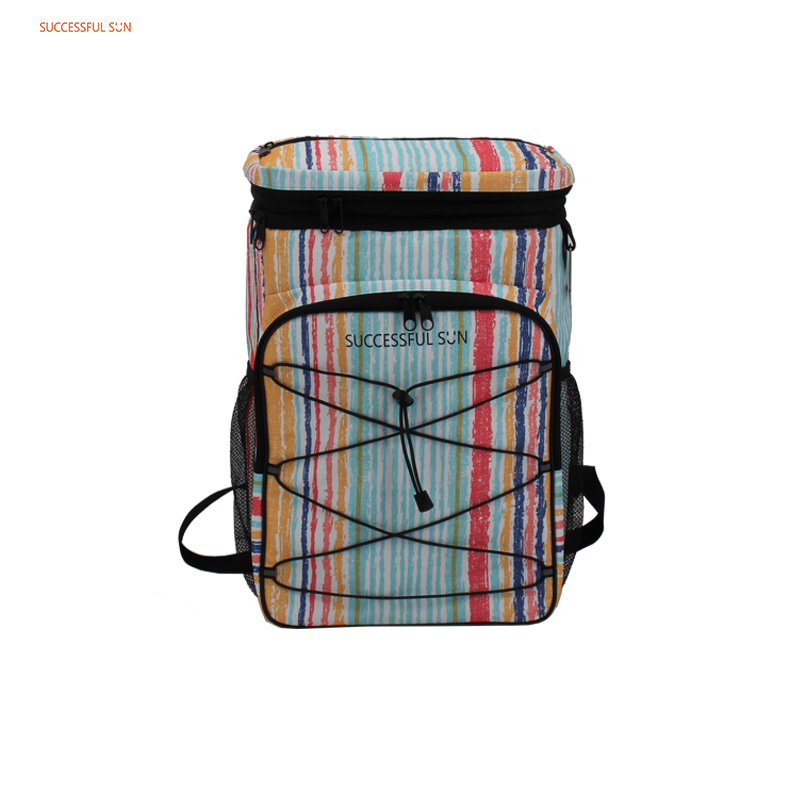
Camping adventures require careful planning, especially when it comes to keeping food and beverages fresh throughout your outdoor expedition. An insulated cooler bag serves as an essential piece of equipment that can make or break your camping experience. Unlike traditional hard-shell coolers, these portable solutions offer convenience, versatility, and superior temperature retention that every outdoor enthusiast needs. Whether you're embarking on a weekend getaway or an extended wilderness trek, understanding the key features that define an exceptional insulated cooler bag will help you make informed decisions for your camping gear arsenal.
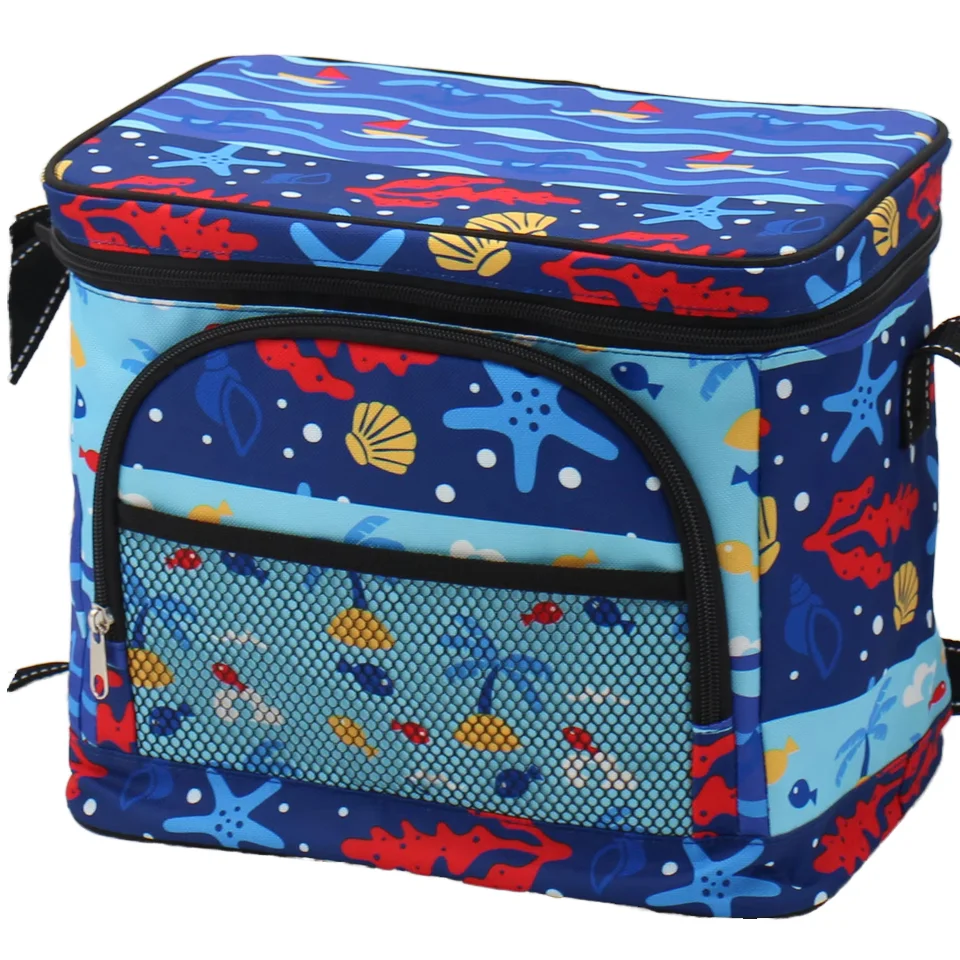
Essential Insulation Technology for Optimal Performance
Multi-Layer Thermal Barriers
The foundation of any high-quality insulated cooler bag lies in its thermal barrier construction. Premium models incorporate multiple layers of specialized materials that work synergistically to maintain consistent internal temperatures. The outer shell typically features durable materials like tarpaulin or heavy-duty nylon that resist punctures and abrasions from rough camping environments. Beneath this protective layer, advanced foam insulation creates the primary thermal barrier, while reflective aluminum linings redirect heat away from the interior compartment.
Modern insulated cooler bag designs often incorporate closed-cell foam technology, which prevents air circulation that could compromise temperature stability. This construction method ensures that cold items remain chilled for extended periods, even when ambient temperatures soar during summer camping trips. The thickness and density of these insulation layers directly correlate with the bag's cooling performance, making it crucial to select models with substantial thermal protection for serious outdoor adventures.
Advanced Material Engineering
Contemporary manufacturing processes have revolutionized insulated cooler bag construction through innovative material combinations. High-performance models utilize PEVA liners that provide antimicrobial properties while maintaining flexibility across varying temperature ranges. These food-grade materials resist staining and odor retention, ensuring your camping meals remain fresh and appetizing throughout your journey.
The integration of waterproof zippers and heat-sealed seams creates an airtight environment that maximizes cooling efficiency. Quality manufacturers invest in precision welding techniques that eliminate potential leak points, preventing warm air infiltration that could compromise the bag's thermal performance. These engineering advances translate into longer ice retention times and more reliable food preservation during extended camping excursions.
Size and Capacity Considerations for Camping Needs
Personal vs Group Camping Requirements
Selecting the appropriate capacity for your insulated cooler bag depends heavily on your camping party size and trip duration. Solo campers typically require compact models ranging from 12 to 24 cans, providing sufficient space for essential beverages and perishable snacks without adding excessive weight to their gear loadout. These smaller units excel in backpacking scenarios where every ounce matters, yet still deliver impressive cooling performance for overnight or weekend adventures.
Family camping situations demand larger capacity options, often accommodating 48 to 72 cans worth of food and beverages. These expanded models feature multiple compartments that allow organized storage of different food categories while maintaining optimal temperature zones throughout the interior space. The strategic placement of dividers and mesh pockets enables efficient packing that maximizes available volume while ensuring easy access to frequently needed items.
Weight Distribution and Portability
An often overlooked aspect of insulated cooler bag selection involves understanding how capacity affects portability during camping activities. Manufacturers design quality models with ergonomic carrying systems that distribute weight evenly across padded shoulder straps and reinforced handles. This thoughtful engineering prevents fatigue during longer hikes to remote camping locations while maintaining structural integrity under heavy loads.
The relationship between cooling capacity and transport convenience becomes particularly important when considering camping logistics. Larger insulated cooler bag models may offer superior ice retention but can become unwieldy when fully loaded. Smart campers often choose multiple smaller units that can be distributed among group members rather than relying on a single oversized bag that creates transportation challenges.
Durability Features for Outdoor Environments
Weather Resistance and Protection
Camping exposes gear to harsh environmental conditions that can quickly destroy inadequately protected equipment. Premium insulated cooler bag construction incorporates weather-resistant materials that withstand rain, snow, and intense UV exposure without degrading performance or appearance. Waterproof exterior fabrics prevent moisture infiltration that could compromise insulation effectiveness or damage stored contents.
Quality models feature reinforced stress points at handle attachment locations and zipper intersections where repeated use creates potential failure modes. Heavy-duty stitching with marine-grade thread ensures seam integrity under challenging conditions, while corner reinforcements protect against impact damage from accidental drops or rough handling during transport. These durability enhancements translate into years of reliable service across countless camping adventures.
Maintenance and Longevity
The long-term performance of any insulated cooler bag depends significantly on proper maintenance practices and inherent design features that facilitate easy cleaning. Removable liners allow thorough sanitization between camping trips, preventing bacterial growth and eliminating lingering odors that could affect future food storage. Antimicrobial treatments in liner materials provide additional protection against contamination while reducing maintenance requirements.
Modular design elements enable component replacement when specific parts experience wear or damage, extending the overall lifespan of your investment. Manufacturers who provide replacement parts and repair services demonstrate commitment to product longevity, making their insulated cooler bag offerings more attractive for serious outdoor enthusiasts who demand reliable performance across multiple seasons of use.
Temperature Retention Performance Metrics
Ice Retention Standards
Professional-grade insulated cooler bag models undergo rigorous testing to establish ice retention benchmarks under controlled conditions. Industry standards typically measure performance across 24, 48, and 72-hour intervals using specific ice-to-product ratios and ambient temperature parameters. Top-performing units maintain sub-40-degree Fahrenheit temperatures for 48 hours or more, ensuring food safety throughout extended camping periods.
Understanding these performance metrics helps campers select appropriate models for their specific needs and environmental conditions. Desert camping requires superior insulation compared to mountain environments, where ambient temperatures naturally assist cooling performance. Quality manufacturers provide detailed specification sheets that outline expected performance under various scenarios, enabling informed decision-making for different camping applications.
Thermal Efficiency Optimization
Maximizing the thermal efficiency of your insulated cooler bag requires understanding proper loading techniques and usage protocols. Pre-cooling the interior compartment before adding frozen items creates optimal starting conditions for extended ice retention. Strategic placement of ice packs against insulation walls, with perishable items positioned in the center, establishes efficient thermal zones that maintain consistent temperatures throughout the storage area.
Minimizing opening frequency and duration prevents warm air infiltration that rapidly degrades cooling performance. Experienced campers often organize their insulated cooler bag contents to reduce access time, keeping frequently needed items easily accessible while protecting more sensitive perishables in deeper compartments. These usage strategies can extend ice retention times by 20-30% compared to random loading and frequent opening patterns.
Specialized Features for Enhanced Camping Utility
Organizational Systems and Accessories
Modern insulated cooler bag designs incorporate sophisticated organizational features that streamline camping meal preparation and storage management. Internal divider systems create separate compartments for different food categories, preventing cross-contamination while maintaining organized access to specific items. Mesh pockets accommodate utensils, napkins, and condiment packets, keeping these essentials readily available without consuming valuable cooling space.
External attachment points and MOLLE webbing systems enable customization with additional pouches and accessories that expand storage capacity beyond the primary compartment. These modular additions allow campers to adapt their insulated cooler bag configuration based on specific trip requirements, from minimalist overnight excursions to elaborate group gatherings requiring extensive food preparation capabilities.
Multi-Functional Design Elements
Innovative manufacturers integrate multi-purpose features that extend the utility of insulated cooler bag designs beyond simple food storage. Detachable cutting boards provide sanitary food preparation surfaces, while integrated bottle openers and utensil storage eliminate the need for separate accessories. Some models feature convertible designs that transform into comfortable seating or work surfaces when not actively cooling items.
Advanced models incorporate solar-powered LED lighting systems that illuminate contents during evening access, reducing fumbling and minimizing opening duration that could compromise thermal performance. These thoughtful design additions demonstrate how modern insulated cooler bag engineering addresses real-world camping challenges through innovative problem-solving approaches that enhance overall outdoor experiences.
Safety and Food Preservation Considerations
Food Safety Temperature Management
Maintaining proper food safety standards during camping requires strict adherence to temperature control principles that prevent bacterial growth and foodborne illness. Quality insulated cooler bag systems enable precise temperature monitoring through integrated thermometer systems or compatible probe accessories. The USDA recommends maintaining perishable foods below 40 degrees Fahrenheit to ensure safety, making reliable temperature retention a critical safety consideration.
Strategic food placement within your insulated cooler bag can create temperature zones that accommodate different preservation requirements. Raw meats should occupy the coldest areas near ice sources, while less sensitive items like beverages can tolerate slightly warmer zones. This systematic approach maximizes both safety and storage efficiency while extending the overall performance of your cooling system throughout extended camping periods.
Contamination Prevention Protocols
Preventing cross-contamination during camping requires careful attention to storage separation and cleaning protocols that protect food safety. Premium insulated cooler bag designs facilitate these practices through dedicated compartments and removable barriers that isolate potentially hazardous items from ready-to-eat foods. Waterproof dividers prevent liquid migration that could spread contamination between storage areas.
Regular sanitization of interior surfaces using food-safe cleaning solutions maintains hygienic conditions throughout your camping adventure. Quality PEVA liners resist bacterial adhesion and facilitate thorough cleaning, while antimicrobial treatments provide ongoing protection against pathogen growth. These preventive measures ensure that your insulated cooler bag remains a safe food storage environment regardless of challenging outdoor conditions.
FAQ
How long can an insulated cooler bag keep food cold during camping?
High-quality insulated cooler bag models can maintain safe food temperatures for 24-72 hours depending on ambient conditions, ice quantity, and usage patterns. Premium units with thick insulation and proper loading techniques often exceed 48 hours of effective cooling in moderate climates. Pre-cooling the bag and using frozen gel packs alongside regular ice significantly extends performance duration for extended camping trips.
What size insulated cooler bag is best for a family camping trip?
Family camping typically requires insulated cooler bag capacity ranging from 40-60 cans for weekend trips, scaling up to 60-80 can capacity for longer excursions. Consider your group size, meal complexity, and trip duration when selecting capacity. Multiple smaller bags often provide better organization and weight distribution compared to single oversized units, especially for camping locations requiring hiking access.
Can insulated cooler bags be used for hot food storage during camping?
Yes, quality insulated cooler bag designs work effectively for maintaining hot food temperatures using the same thermal barrier principles that preserve cold items. Pre-heating the interior with warm water and using insulated food containers maximizes heat retention for camping meals. However, avoid alternating between hot and cold storage without thorough cleaning to prevent contamination and maintain food safety standards.
How do I properly clean and maintain my insulated cooler bag after camping?
Proper maintenance involves removing all contents and washing removable liners with warm soapy water after each camping trip. Wipe interior surfaces with food-safe sanitizer and allow complete air drying before storage. Inspect zippers, seams, and handles for wear or damage, addressing issues promptly to prevent performance degradation. Store your insulated cooler bag in a clean, dry environment with zippers open to promote air circulation and prevent mold growth.