
 EN
EN



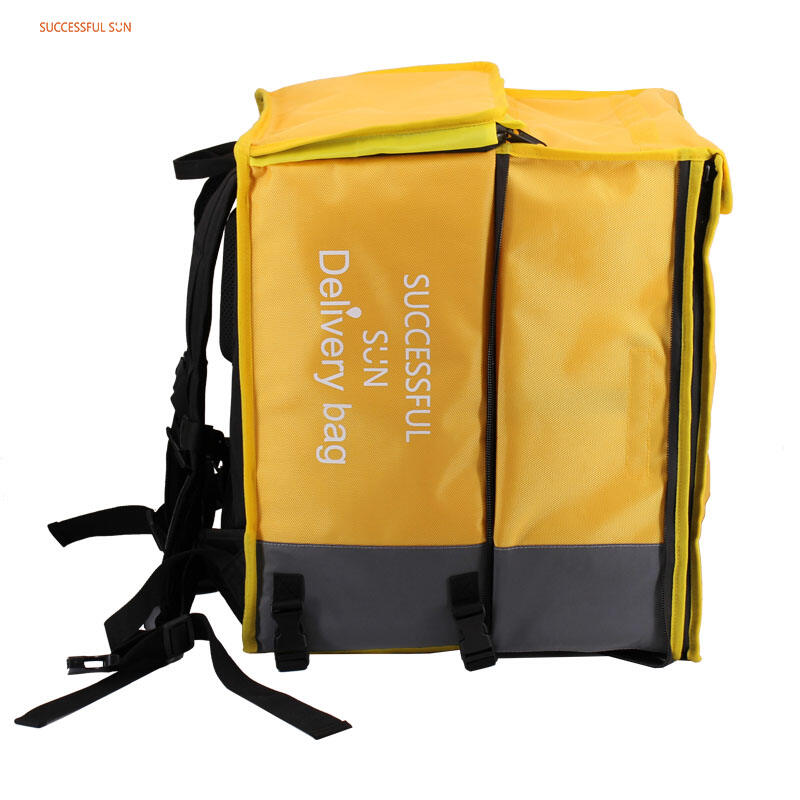
Food delivery has revolutionized how restaurants operate and how customers enjoy their favorite meals. However, maintaining optimal food temperature and quality during transit remains a critical challenge for delivery services worldwide. An insulated delivery bag serves as the essential link between the restaurant kitchen and the customer's table, ensuring that hot foods stay warm and cold items remain properly chilled throughout the delivery process.
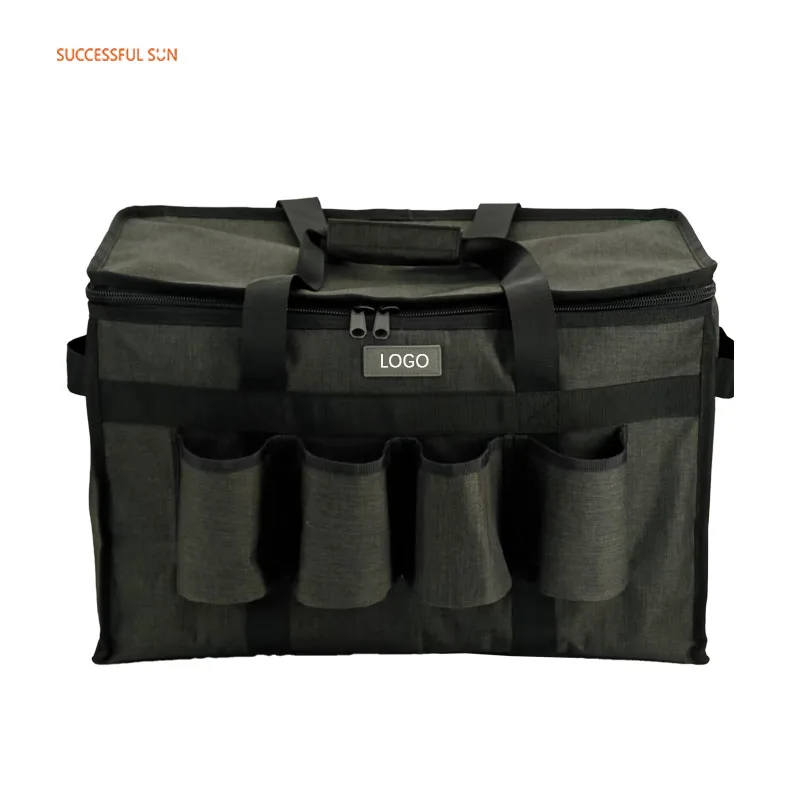
The science behind thermal insulation in delivery bags involves sophisticated materials and engineering principles that work together to create an effective barrier against temperature transfer. Modern insulated delivery bag designs incorporate multiple layers of specialized materials, each serving a specific function in maintaining the desired internal environment. These bags have become indispensable tools for restaurants, catering services, and food delivery platforms seeking to preserve meal integrity during transportation.
Understanding how these thermal barriers function provides valuable insight into why professional food delivery operations invest heavily in high-quality insulated solutions. The effectiveness of an insulated delivery bag directly impacts customer satisfaction, food safety compliance, and business reputation in the competitive food service industry.
Thermal Insulation Fundamentals in Food Delivery
Heat Transfer Mechanisms and Prevention
Heat transfer occurs through three primary mechanisms: conduction, convection, and radiation. An effective insulated delivery bag addresses each of these pathways to minimize temperature loss during transport. Conduction involves direct heat transfer through materials, which insulated bags combat using low-conductivity materials like foam insulation and reflective barriers.
Convection refers to heat transfer through air movement, both inside and outside the bag. Quality insulated delivery bag designs feature tight-fitting closures, sealed seams, and minimal air gaps to reduce convective heat loss. The internal air space within the bag acts as an additional insulating layer when properly managed.
Radiation involves electromagnetic energy transfer, which reflective interior surfaces help redirect back toward the food items. Aluminum-lined interiors in many insulated delivery bags serve this specific purpose, creating a radiant barrier that enhances overall thermal performance.
Material Science Behind Thermal Retention
The construction of a professional insulated delivery bag typically involves multiple material layers, each engineered for specific thermal properties. The outer shell provides durability and weather resistance while contributing to the overall insulating system. Common outer materials include heavy-duty nylon, vinyl, or canvas that can withstand frequent use and cleaning.
Insulation cores often utilize closed-cell foam, which traps air in small pockets to create an effective thermal barrier. This foam layer forms the primary insulating component of the insulated delivery bag system. The thickness and density of this layer directly correlate with thermal performance capabilities.
Interior linings frequently incorporate reflective materials, food-safe coatings, and easy-clean surfaces. These materials must balance thermal performance with hygiene requirements, durability concerns, and practical cleaning considerations for commercial food service applications.
Temperature Maintenance Strategies and Applications
Hot Food Preservation Techniques
Maintaining hot food temperatures presents unique challenges that an insulated delivery bag must address effectively. Hot foods require temperatures above 140°F to remain in the food safety zone, making thermal retention critical for both quality and safety reasons. The bag's design must minimize heat loss while preventing moisture buildup that could compromise food texture.
Pre-warming the insulated delivery bag interior helps establish optimal starting conditions for hot food transport. Many professional delivery services implement preheating procedures using heating pads or warm towels to raise the internal bag temperature before loading hot items. This practice extends the effective thermal retention period significantly.
Strategic food placement within the insulated delivery bag maximizes temperature retention. Dense, high-thermal-mass items should be positioned centrally, surrounded by lighter items that benefit from the thermal reservoir effect. Proper spacing prevents heat transfer between different temperature items while maximizing insulation effectiveness.
Cold Item Temperature Control
Cold food preservation requires maintaining temperatures below 40°F to prevent bacterial growth and preserve freshness. An insulated delivery bag designed for cold items often incorporates additional features like gel pack compartments or removable cooling elements to enhance temperature control capabilities.
The placement of cooling elements within the bag requires careful consideration of airflow patterns and heat transfer dynamics. Frozen gel packs or ice packs should be positioned to create even cooling distribution without directly contacting food items that might be damaged by freezing temperatures.
Moisture management becomes particularly important for cold food applications, as condensation can compromise packaging integrity and food quality. Quality insulated delivery bag designs incorporate moisture-resistant materials and ventilation features that manage humidity levels while maintaining thermal performance.
Commercial Applications and Industry Standards
Restaurant and Catering Service Requirements
Professional food service operations depend on reliable insulated delivery bag performance to maintain their reputation and comply with health department regulations. Restaurants typically require bags capable of maintaining food temperatures for delivery windows ranging from 30 minutes to several hours, depending on their service model and delivery radius.
Catering operations often demand larger capacity insulated delivery bag solutions capable of transporting multiple meals while maintaining consistent temperatures across all items. These applications require robust construction, easy loading and unloading features, and reliable thermal performance under varying environmental conditions.
Size variety becomes crucial for different restaurant types and menu offerings. Pizza delivery requires large, flat bag designs, while fine dining establishments need bags capable of maintaining plated meals in their optimal condition. The insulated delivery bag selection must match specific operational requirements and food types.
Delivery Platform Integration
Third-party delivery platforms have established specific standards for insulated delivery bag performance and design. These requirements often include thermal retention testing, capacity specifications, and durability standards that delivery drivers must meet to maintain platform approval status.
Driver training programs frequently include proper insulated delivery bag usage techniques, including preheating procedures, food placement strategies, and maintenance requirements. Effective training ensures consistent thermal performance across the delivery network and helps maintain food quality standards.
Quality assurance programs monitor insulated delivery bag performance through temperature logging, customer feedback analysis, and periodic equipment inspections. These programs help identify when bags need replacement or when operational procedures require adjustment to maintain optimal performance levels.
Advanced Features and Technology Integration
Smart Monitoring and Temperature Tracking
Modern insulated delivery bag designs increasingly incorporate electronic monitoring systems that track internal temperatures throughout the delivery process. These systems provide real-time data on thermal performance, helping identify potential issues before they impact food quality or safety.
Wireless connectivity enables remote monitoring of insulated delivery bag conditions, allowing restaurant managers and delivery coordinators to track multiple deliveries simultaneously. This technology helps optimize delivery routes, predict thermal performance, and ensure compliance with food safety regulations.
Data analytics from temperature monitoring systems help refine insulated delivery bag selection, usage procedures, and replacement schedules. Historical performance data enables predictive maintenance and helps identify the most effective bag designs for specific applications and environmental conditions.
Enhanced Design Features
Contemporary insulated delivery bag designs incorporate ergonomic features that improve usability while maintaining thermal performance. Padded shoulder straps, reinforced handles, and balanced weight distribution help delivery personnel transport bags comfortably over extended periods.
Modular compartment systems allow customization of internal space to accommodate different food types and delivery requirements. These features enable a single insulated delivery bag to handle diverse menu items while maintaining optimal thermal conditions for each food category.
Easy-clean surfaces and removable liners simplify maintenance procedures while ensuring hygiene standards. Professional insulated delivery bag designs prioritize cleanability without compromising thermal performance, enabling efficient sanitization between uses.
Maintenance and Performance Optimization
Proper Care and Storage Procedures
Regular maintenance significantly impacts insulated delivery bag longevity and thermal performance. Proper cleaning procedures remove food residues and odors while preserving insulation integrity. Mild cleaning solutions and gentle washing techniques prevent damage to thermal barriers and reflective surfaces.
Storage conditions affect insulated delivery bag performance and lifespan. Bags should be stored in dry, well-ventilated areas away from direct sunlight and extreme temperatures. Proper storage prevents mold growth, material degradation, and loss of thermal effectiveness over time.
Regular inspection procedures help identify wear patterns, damage, or performance degradation before they impact food delivery quality. Visual inspections of seams, zippers, insulation integrity, and interior surfaces should be conducted regularly to maintain optimal insulated delivery bag performance.
Performance Testing and Quality Assurance
Thermal performance testing verifies that an insulated delivery bag meets required temperature retention standards. Testing procedures typically involve monitoring internal temperatures over specific time periods under controlled conditions that simulate real-world delivery scenarios.
Standardized testing protocols help compare different insulated delivery bag options and ensure consistent performance across delivery operations. These tests consider factors like ambient temperature, loading patterns, and typical delivery timeframes to provide realistic performance expectations.
Quality assurance programs should include periodic retesting of existing insulated delivery bag inventory to identify units requiring replacement or repair. This proactive approach prevents thermal performance failures that could compromise food quality or safety during delivery operations.
FAQ
How long can an insulated delivery bag maintain food temperature
A quality insulated delivery bag can typically maintain hot food temperatures above 140°F for 45 minutes to 2 hours, depending on the bag's construction quality, initial food temperature, ambient conditions, and proper usage techniques. Cold items can remain below 40°F for similar timeframes with appropriate cooling elements.
What makes some insulated delivery bags more effective than others
The effectiveness of an insulated delivery bag depends on insulation thickness, material quality, seam construction, closure effectiveness, and interior design. Higher-quality bags feature multiple insulation layers, reflective barriers, tight-fitting closures, and durable construction that maintains thermal integrity over extended use periods.
Can insulated delivery bags be used for both hot and cold foods
Most insulated delivery bags can accommodate both hot and cold items, though optimal performance often requires dedicated bags for each temperature range. Bags designed for dual-purpose use should include removable dividers and separate compartments to prevent temperature transfer between different food types during transport.
How should businesses choose the right insulated delivery bag size
Insulated delivery bag selection should consider typical order sizes, food container dimensions, delivery vehicle constraints, and carrier capacity. Businesses should choose bags that minimize empty space while accommodating their largest typical orders, as excess air space reduces thermal efficiency and increases heat transfer rates.