
 EN
EN



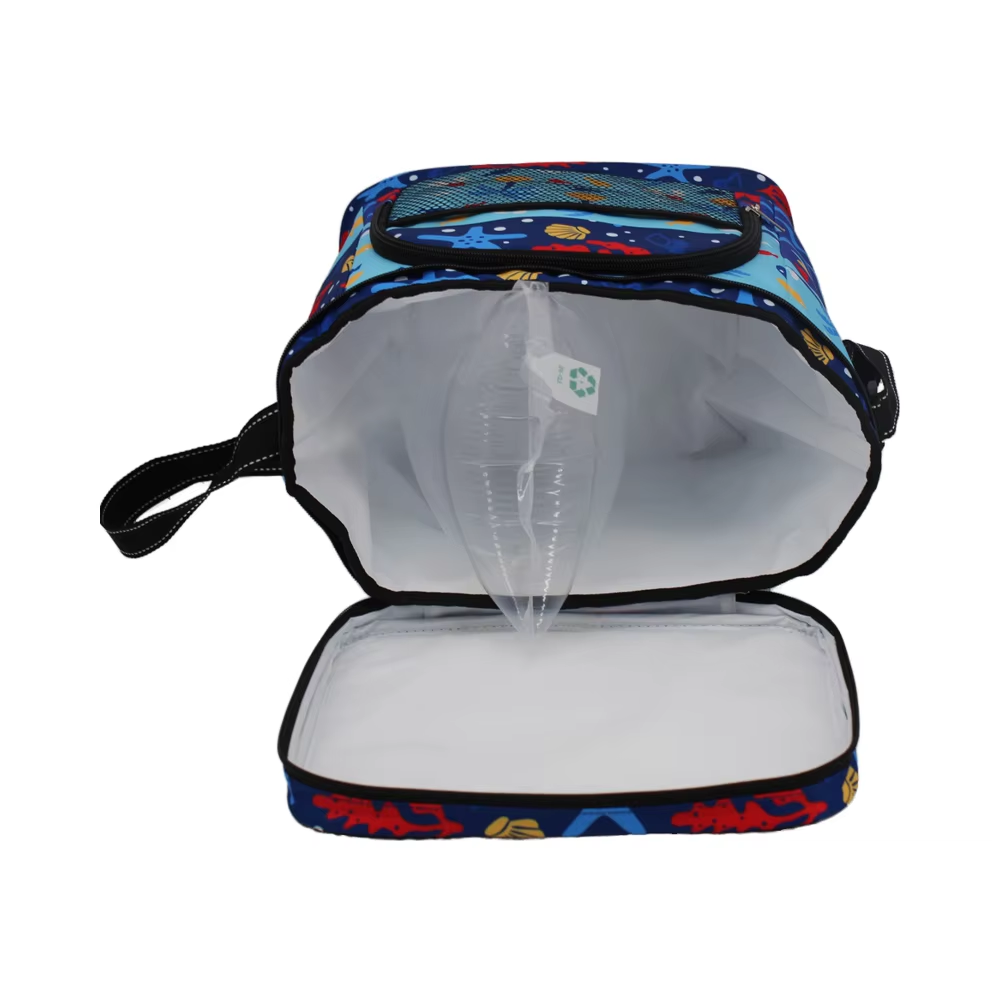
A cooler bag serves as an essential companion for outdoor adventures, picnics, camping trips, and daily commutes where maintaining food and beverage temperatures becomes crucial. Understanding how these portable refrigeration solutions work reveals the sophisticated engineering behind their simple appearance. The science of thermal insulation combined with practical design elements makes a cooler bag an indispensable tool for preserving freshness and preventing spoilage during transport.
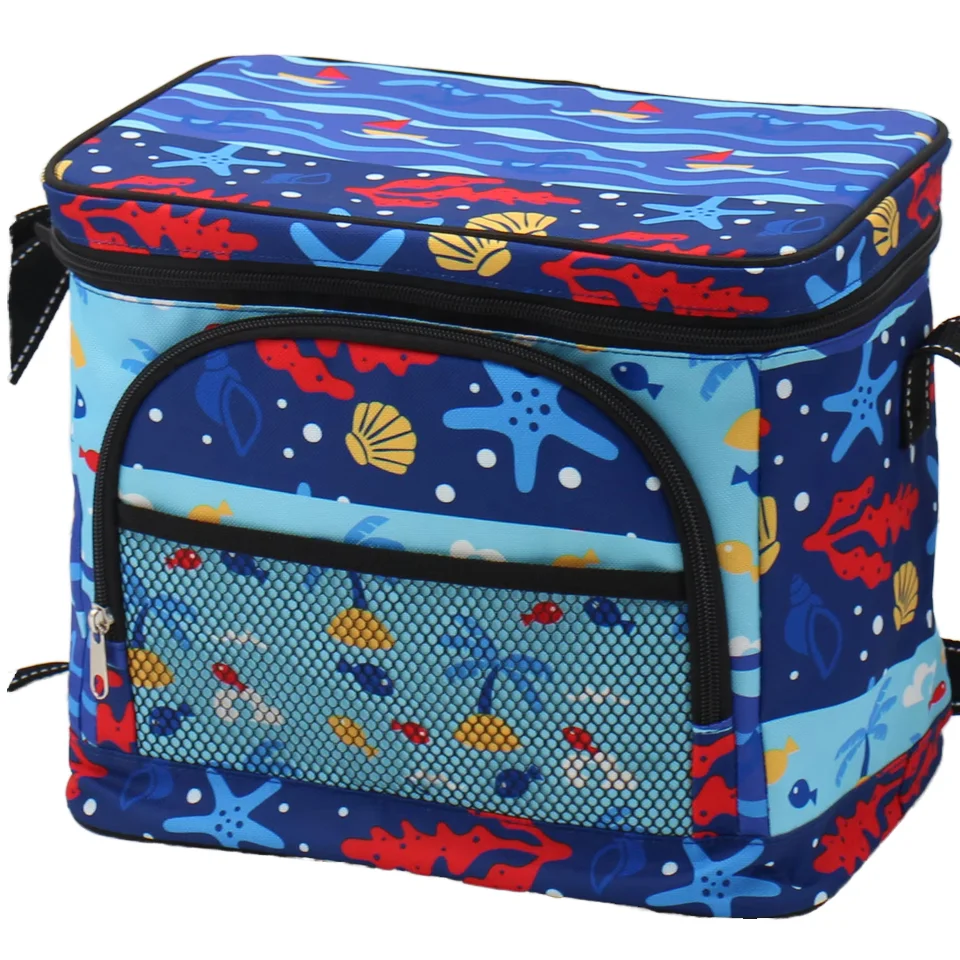
The fundamental principle behind every cooler bag operation relies on creating a thermal barrier that slows heat transfer between the internal compartment and external environment. This process involves multiple layers of specialized materials working together to maintain consistent internal temperatures. Modern cooler bag designs incorporate advanced insulation technologies that were once exclusive to commercial refrigeration systems, making them remarkably effective for personal use.
Insulation Technology and Material Science
Foam Insulation Systems
The heart of any effective cooler bag lies in its insulation system, typically featuring closed-cell foam materials that trap air within microscopic pockets. These foam layers create countless barriers that prevent heat molecules from moving freely between surfaces. A quality cooler bag utilizes high-density polyethylene foam or polyurethane foam, both offering excellent thermal resistance properties while maintaining flexibility and durability under various conditions.
The thickness of insulation directly correlates with thermal performance, though manufacturers must balance insulation depth with portability and storage convenience. Advanced foam formulations can achieve superior insulation with thinner profiles, allowing modern cooler bag designs to offer impressive cooling capabilities without excessive bulk. The foam density also affects longevity, with higher-density materials providing better compression resistance over extended use periods.
Reflective Barrier Technology
Many premium cooler bag models incorporate reflective barriers, often made from aluminum foil or metallized films, which redirect radiant heat away from the internal compartment. These reflective layers work by bouncing thermal radiation back toward its source rather than allowing it to penetrate the insulation system. The effectiveness of reflective barriers becomes particularly noticeable in direct sunlight exposure, where radiant heat represents a significant thermal challenge.
The placement of reflective materials within the cooler bag construction requires careful consideration of thermal bridging points. Manufacturers strategically position these barriers to maximize their effectiveness while avoiding gaps that could compromise overall insulation performance. Some designs incorporate multiple reflective layers separated by air gaps, creating a thermos-like effect that significantly enhances temperature retention capabilities.
External Shell and Closure Systems
Weather-Resistant Outer Materials
The exterior shell of a cooler bag must withstand environmental challenges while contributing to thermal performance through material selection and construction techniques. Heavy-duty nylon, polyester, and PVC materials offer excellent durability and water resistance, protecting the internal insulation from moisture damage that could compromise cooling effectiveness. The outer shell also provides structural integrity necessary for maintaining insulation continuity during transport and handling.
Color selection for the outer shell impacts thermal performance, with lighter colors reflecting more solar radiation than darker alternatives. Some manufacturers incorporate UV-resistant treatments into shell materials, preventing degradation from prolonged sun exposure while maintaining thermal properties. The texture and finish of outer materials can also affect heat absorption, with smooth surfaces generally performing better than textured alternatives in high-temperature environments.
Sealing Mechanisms and Thermal Bridges
Effective sealing represents a critical component in cooler bag performance, as gaps in closure systems can dramatically reduce cooling efficiency. High-quality zippers with insulated tracks prevent thermal bridging at closure points, while magnetic or hook-and-loop backup closures ensure complete sealing even with frequent access. The sealing system must balance easy access with thermal integrity, allowing users to retrieve items without significantly compromising internal temperatures.
Thermal bridges occur wherever materials with high thermal conductivity create pathways for heat transfer across insulation barriers. Professional cooler bag designs minimize these bridges through careful material selection and construction techniques that eliminate continuous pathways for heat transfer. Strategic placement of insulation around hardware components and stress points ensures comprehensive thermal protection throughout the bag structure.
Internal Liner Systems and Ice Management
Food-Safe Liner Materials
The internal liner of a cooler bag serves dual purposes of maintaining hygiene and optimizing thermal performance through material properties and surface treatments. PEVA (polyethylene vinyl acetate) and TPU (thermoplastic polyurethane) liners provide food-safe surfaces that resist bacterial growth while offering easy cleaning and maintenance. These materials also contribute to thermal performance through their low thermal conductivity and ability to create airtight seals with closure systems.
Antimicrobial treatments applied to liner materials help prevent odor development and bacterial growth, particularly important when a cooler bag contains perishable items over extended periods. The flexibility of liner materials must accommodate thermal expansion and contraction cycles while maintaining integrity and cleanliness. Some advanced liners incorporate temperature-indicating properties that provide visual feedback about internal conditions, helping users optimize ice management strategies.
Ice Pack Integration and Thermal Mass
Effective cooling in a cooler bag depends heavily on proper ice management and thermal mass distribution throughout the internal compartment. Ice packs or frozen gel packs provide consistent cooling without the mess associated with traditional ice, while their strategic placement maximizes cooling efficiency. The thermal mass principle dictates that larger quantities of cooling material maintain stable temperatures longer, making ice pack selection and quantity crucial factors in cooling performance.
Pre-cooling the cooler bag interior before loading food items significantly improves initial cooling performance and extends overall cooling duration. This process involves placing ice packs in the empty bag for 30-60 minutes before adding food items, allowing the insulation system and internal surfaces to reach lower temperatures. The positioning of ice packs above and below food items creates convection currents that distribute cooling more evenly throughout the compartment.
Performance Factors and Usage Optimization
Temperature Differential Management
The effectiveness of a cooler bag depends significantly on the temperature differential between internal and external environments, with performance degrading as this differential increases. Understanding heat transfer rates helps users optimize loading strategies and usage patterns for maximum cooling duration. A well-designed cooler bag can maintain internal temperatures 40-50 degrees below ambient temperature under optimal conditions, though this performance varies with external factors and usage patterns.
Minimizing air space within the cooler bag improves thermal efficiency by reducing the volume of air that must be cooled and maintained. However, overpacking can restrict air circulation necessary for even temperature distribution, requiring users to balance space utilization with cooling performance. Strategic placement of items based on their thermal properties and access frequency optimizes both cooling efficiency and user convenience during extended use periods.
Environmental Considerations and Usage Patterns
External environmental conditions dramatically affect cooler bag performance, with factors including ambient temperature, humidity, solar radiation, and wind exposure all influencing cooling effectiveness. Understanding these environmental impacts allows users to position and utilize their cooler bag for optimal performance under various conditions. Shaded locations, elevated positions for air circulation, and protection from direct sunlight significantly enhance cooling duration and effectiveness.
Usage patterns, including opening frequency and duration, directly impact cooling performance through heat exchange with external air. Each opening event introduces warm air into the internal compartment, requiring additional cooling energy to restore target temperatures. Organizing contents for efficient access and minimizing opening duration helps preserve cooling effectiveness throughout extended use periods. Some users employ multiple smaller cooler bag units rather than single large units to reduce thermal losses associated with frequent access.
Maintenance and Longevity Considerations
Cleaning and Sanitization Protocols
Proper maintenance of a cooler bag extends its functional lifespan while ensuring food safety through effective cleaning and sanitization protocols. Regular cleaning prevents bacterial growth, eliminates odors, and maintains the integrity of liner materials that contribute to thermal performance. The cleaning process must address both visible contamination and microscopic bacterial growth without damaging insulation or liner materials through harsh chemicals or excessive moisture exposure.
Thorough drying after cleaning prevents mold and mildew growth that could compromise both hygiene and thermal performance through insulation damage. Air drying in well-ventilated areas ensures complete moisture removal from all surfaces and crevices, while UV exposure can provide additional sanitization benefits. Storage in dry conditions with periodic airing prevents musty odors and material degradation that could affect both performance and user experience with the cooler bag.
Insulation Integrity and Performance Monitoring
The thermal performance of a cooler bag gradually degrades over time through compression of insulation materials, wear of sealing systems, and material fatigue from thermal cycling. Regular performance monitoring helps identify degradation before it significantly impacts cooling effectiveness, allowing users to address issues through maintenance or replacement decisions. Simple temperature monitoring during typical use scenarios provides baseline performance data for comparison over time.
Signs of insulation compromise include reduced cooling duration, uneven temperature distribution, and visible compression or damage to exterior surfaces. Professional repair or replacement becomes necessary when performance degradation significantly impacts the cooler bag's ability to maintain safe food temperatures. Understanding performance limitations and replacement timing ensures continued effectiveness for food safety and user satisfaction throughout the product's service life.
FAQ
How long can a cooler bag keep items cold?
A quality cooler bag typically maintains cold temperatures for 4-24 hours depending on external conditions, ice quantity, and usage patterns. High-performance models with thick insulation and minimal air space can extend cooling duration to 48 hours under optimal conditions. Factors including ambient temperature, direct sunlight exposure, and opening frequency significantly impact cooling duration, with shaded environments and minimal access providing the best performance.
What's the difference between soft and hard cooler bags?
Soft cooler bag designs offer superior portability and storage convenience while hard coolers typically provide longer cooling duration and better ice retention. Soft models excel in situations requiring easy transport and compact storage, while hard coolers perform better for extended outdoor activities and high-capacity needs. The choice between styles depends on specific usage requirements, with many users maintaining both types for different applications and scenarios.
Can I use regular ice instead of ice packs in my cooler bag?
Regular ice provides effective cooling but creates moisture that can damage some cooler bag materials and create hygiene concerns with food contamination. Ice packs or frozen gel packs offer cleaner alternatives that eliminate moisture concerns while providing consistent cooling performance. If using regular ice, ensure proper drainage and waterproof packaging to protect both food items and cooler bag components from water damage and contamination.
How do I choose the right size cooler bag for my needs?
Cooler bag sizing depends on typical capacity requirements, transport limitations, and usage scenarios, with larger sizes offering longer cooling duration but reduced portability. Consider both volume requirements for food and beverages plus additional space needed for ice packs or cooling materials. Personal cooler bags work well for individual meals and short outings, while family-sized models accommodate group activities and extended adventures requiring substantial food storage capacity.