
 EN
EN



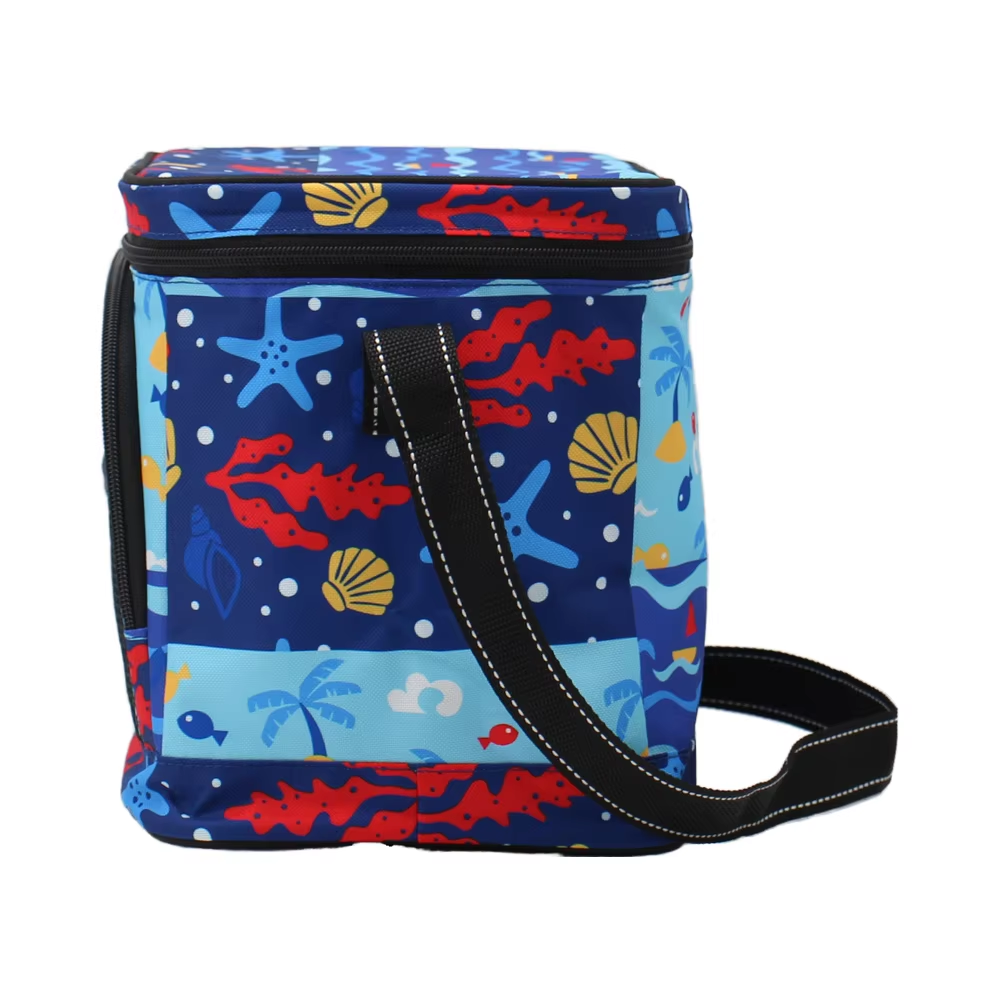
Temperature-sensitive items require reliable storage solutions that maintain optimal conditions throughout various activities and environments. A cooler bag represents the perfect balance of portability, efficiency, and convenience for modern lifestyles that demand flexible cooling solutions. Whether heading to the office with fresh lunch items, embarking on weekend camping adventures, or managing daily grocery runs, the right cooler bag transforms how we preserve and transport perishable goods.
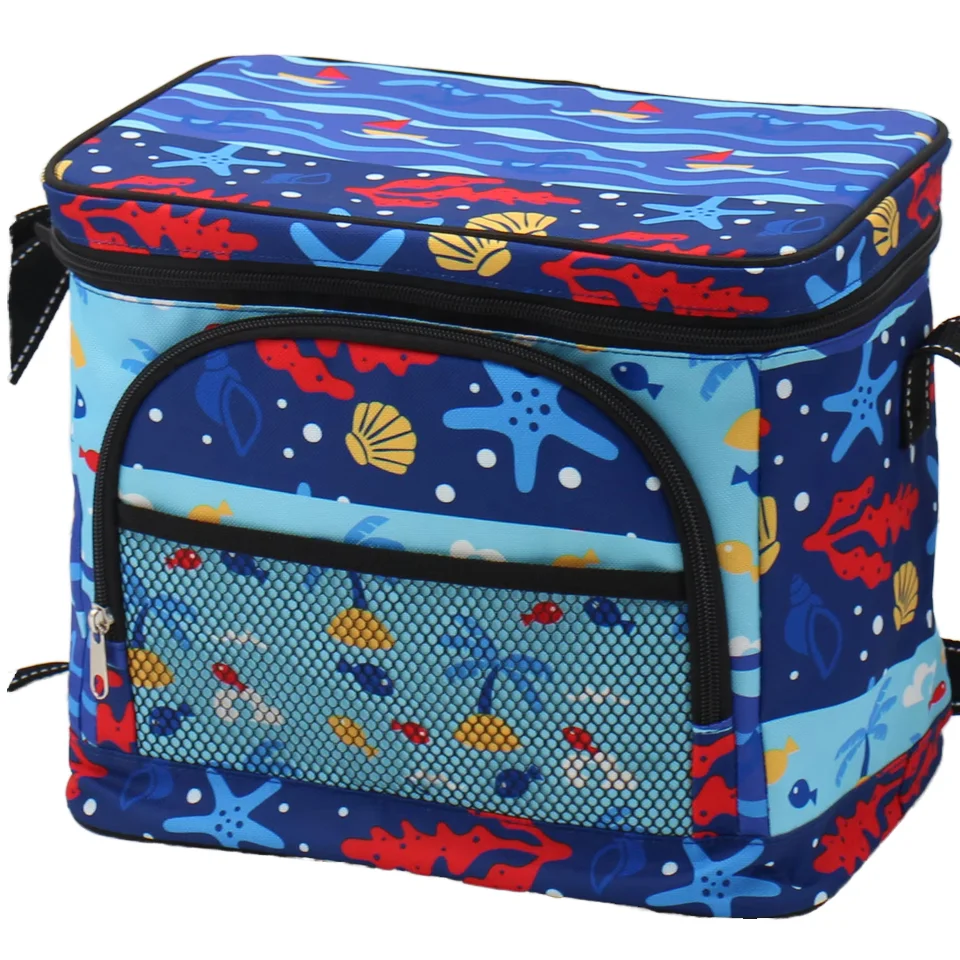
The evolution of cooling technology has dramatically improved the functionality and design of portable refrigeration solutions. Modern materials and construction techniques enable manufacturers to create lightweight yet highly effective cooling systems that rival traditional methods. Understanding the benefits and applications of these versatile containers helps consumers make informed decisions about their cooling needs across various scenarios and environments.
Essential Features That Define Quality Cooling Solutions
Insulation Technology and Materials
Advanced insulation systems form the foundation of effective portable cooling solutions. Multi-layer construction incorporating high-density foam cores provides superior temperature retention while maintaining structural integrity during transport. The outer shell materials must resist punctures, tears, and moisture infiltration while remaining flexible enough for easy handling and storage in confined spaces.
Interior liner materials play crucial roles in maintaining hygiene standards and preventing cross-contamination between different food items. Food-grade PEVA linings offer antimicrobial properties while remaining easy to clean and maintain. These specialized materials resist staining and odor absorption, ensuring each cooler bag maintains freshness standards throughout extended use periods.
Size Variations and Capacity Options
Manufacturers design cooling containers in diverse sizes to accommodate different usage scenarios and group requirements. Personal-sized units typically hold individual meals or small beverage quantities, making them ideal for daily commutes or short outings. Medium-capacity options serve small families or weekend adventures, while large-format versions accommodate group events or extended camping expeditions.
Internal organization systems enhance functionality through designated compartments and dividers. These features prevent item shifting during transport while enabling efficient space utilization. Adjustable dividers allow users to customize internal layouts based on specific cargo requirements, maximizing storage efficiency for different item combinations and sizes.
Daily Applications and Practical Benefits
Workplace and Commuting Solutions
Professional environments increasingly recognize the value of providing employees with reliable food storage options that support healthy eating habits. A quality cooler bag enables workers to maintain fresh meals throughout extended workdays without relying on expensive cafeteria options or unhealthy convenience foods. Temperature stability ensures dairy products, fresh fruits, and prepared meals remain safe for consumption hours after initial packing.
Commuting scenarios present unique challenges for food preservation, particularly during warm weather conditions or lengthy travel times. Portable cooling solutions eliminate concerns about spoilage during extended commutes while providing flexibility for meal timing. This capability proves especially valuable for professionals with irregular schedules or those working in locations with limited refrigeration access.
Family Activities and Social Events
Family outings require reliable cooling solutions that accommodate diverse food preferences and dietary requirements across different age groups. Beach trips, park visits, and sporting events benefit from portable refrigeration that maintains food safety standards while providing convenient access throughout extended activities. The ability to keep beverages cold and snacks fresh enhances overall enjoyment while reducing costs associated with venue concessions.
Social gatherings and potluck events rely heavily on proper food storage to prevent spoilage and ensure guest safety. Portable cooling containers enable hosts to maintain optimal temperatures for dairy-based dishes, fresh salads, and temperature-sensitive appetizers. This capability extends serving times while maintaining food quality standards that reflect well on event organizers.
Travel and Adventure Applications
Road Trip Essentials
Extended road trips present ongoing challenges for maintaining food freshness and beverage temperatures across multiple days and varying climate conditions. A reliable cooler bag provides essential cooling capacity without requiring constant ice replenishment or electrical connections. This independence allows travelers to maintain flexible schedules while ensuring access to fresh provisions regardless of location or available facilities.
Vehicle space limitations make compact cooling solutions particularly valuable for road trip applications. Soft-sided containers conform to available space while providing maximum internal capacity within constrained environments. The ability to compress empty units during return trips optimizes luggage space for souvenirs and acquired items throughout travel experiences.
Camping and Outdoor Activities
Outdoor enthusiasts require cooling solutions that withstand rugged conditions while maintaining reliable temperature control throughout multi-day expeditions. Durable construction materials resist damage from rocks, branches, and rough handling while maintaining insulation integrity. Weather-resistant exteriors protect contents from rain, humidity, and temperature fluctuations common in outdoor environments.
Camping scenarios often involve limited refrigeration access, making portable cooling essential for food safety and meal planning. The ability to maintain perishable items at safe temperatures enables campers to prepare fresh meals while reducing reliance on processed or non-perishable alternatives. This capability significantly enhances outdoor dining experiences while supporting healthier eating habits during extended nature activities.
Health and Safety Considerations
Food Safety Standards
Maintaining proper food temperatures prevents bacterial growth and reduces risks of foodborne illness across various storage scenarios. Quality cooling containers maintain consistent temperatures that keep perishable items within safe ranges for extended periods. This capability proves essential for dairy products, meat items, and prepared foods that require specific temperature maintenance to remain safe for consumption.
Temperature monitoring capabilities enable users to verify cooling performance throughout storage periods. Some advanced models include built-in thermometers or temperature indicators that provide visual confirmation of internal conditions. These features help users make informed decisions about food safety while building confidence in their cooling system performance.
Hygiene and Maintenance
Regular cleaning and maintenance procedures ensure cooling containers remain hygienic and functional throughout extended use periods. Removable liner systems simplify cleaning processes while enabling thorough sanitization between uses. Food-safe materials resist staining and odor retention, maintaining fresh conditions for subsequent storage applications.
Proper ventilation and drying procedures prevent mold and bacteria growth within closed cooling systems. Allowing complete air circulation between uses eliminates moisture accumulation that could compromise hygiene standards. These maintenance practices extend product lifespan while ensuring consistent performance across multiple applications and storage scenarios.
Economic and Environmental Benefits
Cost Savings and Value
Investing in a quality cooler bag provides long-term financial benefits through reduced food waste and decreased reliance on expensive convenience options. The ability to transport home-prepared meals and beverages significantly reduces costs associated with restaurant purchases and vending machine selections. Over time, these savings often exceed the initial investment in quality cooling equipment.
Bulk purchasing opportunities become more practical when proper storage solutions enable extended freshness periods. Families can take advantage of sales and bulk pricing while maintaining food quality throughout consumption periods. This capability reduces per-unit costs while ensuring access to preferred brands and products regardless of immediate availability.
Environmental Impact
Reusable cooling solutions significantly reduce environmental impact compared to disposable alternatives like styrofoam containers and single-use ice packs. Durable construction enables years of reliable service, eliminating ongoing waste generation associated with temporary cooling methods. This sustainability aspect aligns with growing environmental consciousness among consumers and organizations.
Reduced food waste through proper temperature maintenance contributes to environmental conservation by minimizing spoilage and disposal requirements. When perishable items remain fresh throughout intended consumption periods, less organic waste enters landfill systems. This efficiency supports broader sustainability goals while providing practical benefits for users across various applications.
Selection Criteria and Quality Indicators
Construction Quality Assessment
Examining construction details reveals important information about long-term performance and reliability expectations. Reinforced seam construction prevents separation under stress while maintaining insulation integrity throughout extended use. Quality zippers and closure systems ensure secure sealing while providing smooth operation across thousands of opening and closing cycles.
Handle and strap systems must withstand repeated loading and transport stresses without failure or discomfort during use. Padded handles distribute weight evenly while reducing hand fatigue during extended carrying periods. Adjustable shoulder straps enable comfortable transport across different body types and loading scenarios.
Performance Specifications
Temperature retention specifications provide objective measures for comparing different cooling systems and their capabilities. Quality units maintain temperature differentials for specific time periods under standardized conditions. Understanding these specifications helps users select appropriate cooling capacity for their intended applications and environmental conditions.
Capacity ratings must align with typical usage requirements while providing adequate space for intended cargo types. Oversized units waste energy and space during light-duty applications, while undersized containers limit flexibility for larger gatherings or extended trips. Matching capacity to actual needs optimizes both performance and convenience factors.
FAQ
How long can a cooler bag maintain cold temperatures
Quality cooling containers typically maintain cold temperatures for 4-8 hours under normal conditions, though performance varies based on ambient temperature, initial cooling level, and frequency of opening. Pre-cooling the container and contents before packing extends retention time, while minimizing exposure to warm air during use optimizes performance throughout the storage period.
What size cooler bag is best for family use
Family-sized cooling containers typically range from 20-40 liters depending on household size and typical outing duration. A 25-30 liter capacity serves most families of four for day trips and picnics, while larger families or extended outings may require 35-40 liter options. Consider both typical food quantities and available transport space when selecting appropriate sizing.
Are soft-sided or hard-sided coolers more effective
Soft-sided cooling containers offer superior portability and storage flexibility, while hard-sided units typically provide longer temperature retention and greater durability. For daily use and travel applications, soft-sided options provide optimal balance of performance and convenience. Hard-sided alternatives work better for extended camping or marine applications requiring maximum cooling duration.
How should I clean and maintain my cooling container
Clean cooling containers after each use with mild soap and warm water, paying special attention to corners and seam areas where bacteria might accumulate. Allow complete air drying before storage to prevent mold growth, and periodically sanitize with food-safe disinfectant solutions. Remove and wash liner systems separately when possible to ensure thorough cleaning and hygiene maintenance.