
 EN
EN



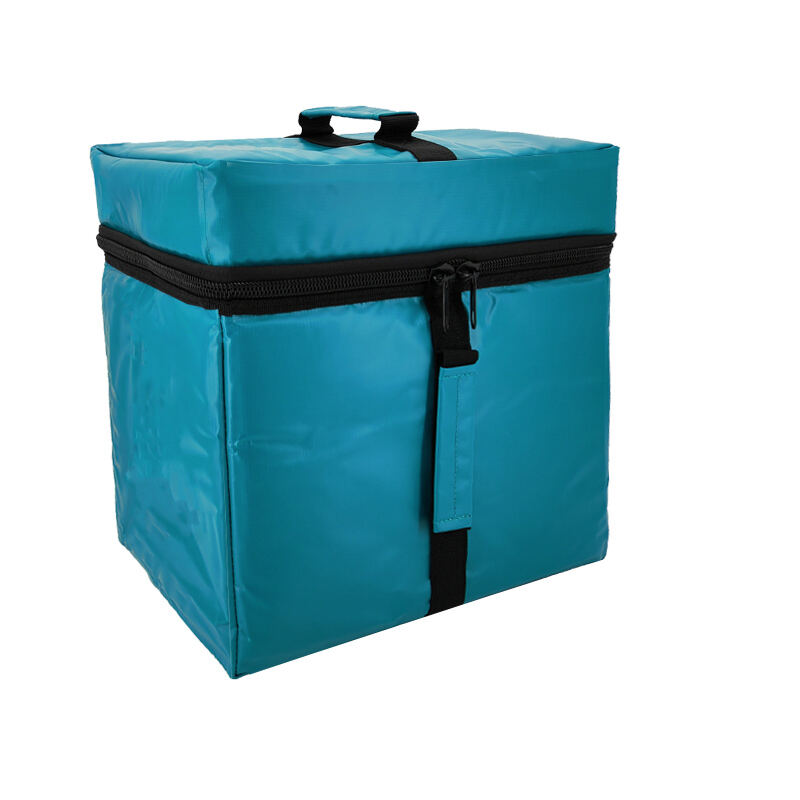
In today's fast-paced world, food delivery services have become essential to countless businesses and consumers alike. The key to successful food delivery lies in maintaining optimal temperature and ensuring food safety throughout the transportation process. A high-quality delivery bag serves as the critical barrier between fresh, hot meals and customer disappointment. These specialized containers utilize advanced insulation technologies to preserve food quality while meeting strict health and safety standards required by the food service industry.
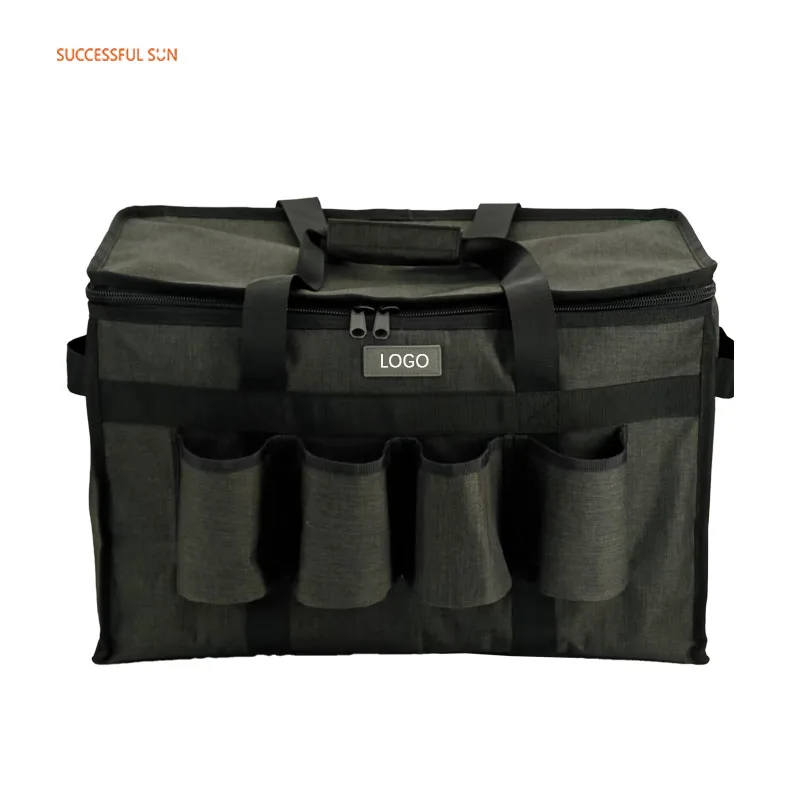
Professional food delivery operations depend heavily on reliable thermal management systems to protect their reputation and comply with regulatory requirements. Modern delivery bags incorporate multiple layers of insulation materials, waterproof exteriors, and ergonomic designs that enable delivery personnel to transport meals efficiently while maintaining food safety protocols. Understanding how these bags work and their impact on food quality can help businesses make informed decisions about their delivery equipment investments.
Advanced Insulation Technologies in Food Delivery
Multi-Layer Thermal Barrier Systems
Contemporary delivery bags employ sophisticated multi-layer insulation systems that create effective thermal barriers around food containers. These systems typically consist of an outer waterproof shell, middle insulation layers made from materials like closed-cell foam or reflective barriers, and inner food-safe linings. The combination of these materials works synergistically to minimize heat transfer and maintain consistent internal temperatures for extended periods.
The effectiveness of thermal barrier systems depends largely on the quality and thickness of insulation materials used. High-performance delivery bags often feature aluminum-backed foam insulation that reflects radiant heat while providing excellent thermal resistance. This technology ensures that hot foods remain above safe serving temperatures while cold items stay properly chilled during transportation, regardless of external weather conditions.
Heat Retention and Temperature Control
Proper heat retention in delivery bags requires careful attention to design elements that prevent thermal bridging and air circulation. Quality bags feature sealed seams, reinforced closures, and strategically placed barriers that create isolated thermal zones within the bag. These design features work together to maintain temperature differentials and prevent hot and cold foods from affecting each other when transported simultaneously.
Temperature control mechanisms in professional delivery bags often include adjustable dividers and removable insulation panels that allow operators to customize the internal environment based on specific food types and delivery requirements. This flexibility enables delivery services to maintain optimal conditions for diverse menu items while maximizing bag capacity and operational efficiency.
Food Safety Standards and Regulatory Compliance
HACCP Guidelines and Temperature Monitoring
Food safety regulations require delivery operations to maintain specific temperature ranges throughout the transportation process. Hot foods must remain above 140°F (60°C) while cold foods should stay below 40°F (4°C) to prevent bacterial growth and ensure consumer safety. Professional-grade delivery bags are designed to meet these Hazard Analysis and Critical Control Points (HACCP) requirements through superior insulation performance and temperature stability.
Many commercial delivery bags now incorporate built-in temperature monitoring systems that provide real-time data on internal conditions. These systems help delivery operators maintain compliance with food safety regulations while providing documentation for quality assurance purposes. The ability to track and record temperature data throughout delivery routes has become increasingly important for restaurants and delivery services seeking to minimize liability and ensure customer satisfaction.
Contamination Prevention and Hygiene
Beyond temperature control, delivery bags play a crucial role in preventing cross-contamination and maintaining food hygiene standards. Quality bags feature antimicrobial linings, easy-to-clean surfaces, and secure closure systems that protect food from external contaminants during transportation. These features are particularly important for delivery operations handling multiple orders simultaneously or operating in challenging environmental conditions.
The materials used in professional delivery bags must meet food-grade safety standards and resist bacterial growth, odor retention, and staining. Many bags incorporate specialized coatings or treatments that inhibit microbial activity while remaining safe for direct or indirect food contact. Regular cleaning and sanitization protocols for delivery bags are essential components of comprehensive food safety programs.
Durability and Performance Characteristics
Weather Resistance and Environmental Protection
Delivery operations must function effectively in various weather conditions, making weather resistance a critical feature of professional delivery bags. High-quality bags incorporate waterproof materials, sealed construction, and protective coatings that shield food from rain, snow, wind, and extreme temperatures. These protective features ensure consistent performance regardless of external environmental challenges.
UV resistance is another important consideration for delivery bags used in outdoor environments. Prolonged exposure to sunlight can degrade materials and compromise insulation performance over time. Professional bags often feature UV-stable materials and protective treatments that maintain structural integrity and thermal performance throughout extended use cycles.
Structural Integrity and Load Distribution
The physical demands of delivery operations require bags that can withstand repeated loading, transportation, and handling without compromising food safety or thermal performance. Quality delivery bag construction incorporates reinforced stress points, heavy-duty zippers, and ergonomic carrying systems that distribute weight evenly and reduce operator fatigue.
Load distribution features become particularly important when transporting multiple orders or heavy items. Well-designed bags include padded straps, adjustable handles, and internal organization systems that help delivery personnel manage their loads safely and efficiently. These ergonomic considerations contribute to both worker safety and food protection during transportation.
Economic Benefits and Operational Efficiency
Cost-Effectiveness and ROI Analysis
Investing in high-quality delivery bags provides significant economic benefits through reduced food waste, improved customer satisfaction, and enhanced operational efficiency. Quality bags help minimize temperature-related food spoilage and reduce the likelihood of customer complaints or order remakes. These factors contribute to improved profit margins and stronger customer relationships over time.
The durability of professional delivery bags also contributes to long-term cost-effectiveness. While initial investment costs may be higher for quality bags, their extended service life and superior performance often result in lower total cost of ownership compared to cheaper alternatives. Many businesses find that investing in premium delivery bags pays for itself through improved operational efficiency and reduced replacement costs.
Brand Image and Customer Perception
Professional appearance and reliable performance of delivery bags directly impact customer perception and brand image. Well-maintained, high-quality bags convey professionalism and attention to detail that customers associate with quality food service. This positive impression can lead to increased customer loyalty, positive reviews, and word-of-mouth referrals that drive business growth.
Custom branding opportunities on delivery bags provide additional marketing value while maintaining professional appearance standards. Many suppliers offer customization services that allow businesses to incorporate logos, contact information, and brand colors into their delivery bag designs, creating mobile advertising platforms that reinforce brand recognition throughout delivery routes.
Selection Criteria for Optimal Performance
Size and Capacity Considerations
Selecting the appropriate size and capacity for delivery bags requires careful analysis of typical order volumes, container sizes, and transportation methods used by the business. Oversized bags may provide excess capacity but can be difficult to handle and may not maintain optimal thermal performance when partially filled. Conversely, undersized bags limit operational flexibility and may require multiple trips or additional equipment.
Many successful delivery operations utilize multiple bag sizes to accommodate different order types and delivery scenarios. This approach allows for optimal thermal performance across various order sizes while maintaining operational flexibility. Modular bag systems that can be combined or separated as needed provide additional versatility for complex delivery requirements.
Maintenance Requirements and Service Life
Understanding maintenance requirements and expected service life helps businesses plan for replacement cycles and budget accordingly. Quality delivery bags require regular cleaning, inspection, and occasional component replacement to maintain optimal performance. Establishing proper maintenance protocols extends bag life and ensures consistent food safety performance throughout the service period.
Service life expectations vary significantly based on usage patterns, maintenance practices, and environmental conditions. Professional-grade bags designed for commercial use typically offer longer service life and better warranty coverage than consumer-oriented alternatives. Evaluating total cost of ownership, including maintenance and replacement costs, provides a more accurate assessment of investment value.
FAQ
How long can a delivery bag maintain food temperature
Professional delivery bags can typically maintain hot food temperatures above 140°F for 30-45 minutes and cold food temperatures below 40°F for 1-2 hours, depending on external conditions and bag quality. High-end insulated bags with superior thermal barriers may extend these timeframes significantly. The actual performance depends on factors such as initial food temperature, external ambient temperature, bag design, and load volume.
What materials should I look for in a quality delivery bag
Quality delivery bags should feature waterproof outer shells made from durable materials like heavy-duty nylon or vinyl, multi-layer insulation systems with closed-cell foam or reflective barriers, and food-safe interior linings that resist bacteria and odors. Additional features to consider include reinforced seams, heavy-duty zippers, and antimicrobial treatments that enhance hygiene and durability.
How often should delivery bags be cleaned and sanitized
Delivery bags should be cleaned and sanitized daily or after each shift to maintain food safety standards and prevent bacterial growth. Deep cleaning with appropriate sanitizing solutions should occur weekly or more frequently in high-volume operations. Establishing regular cleaning schedules and using food-safe sanitizing products helps maintain bag performance and ensures compliance with health regulations.
Can delivery bags be customized for specific business needs
Most professional delivery bag manufacturers offer customization options including size modifications, color choices, logo printing, and specialized features like additional pockets or dividers. Custom branding helps businesses maintain professional appearance while creating mobile advertising opportunities. Working with experienced suppliers ensures that customizations meet both aesthetic preferences and functional requirements for specific delivery applications.