
 EN
EN



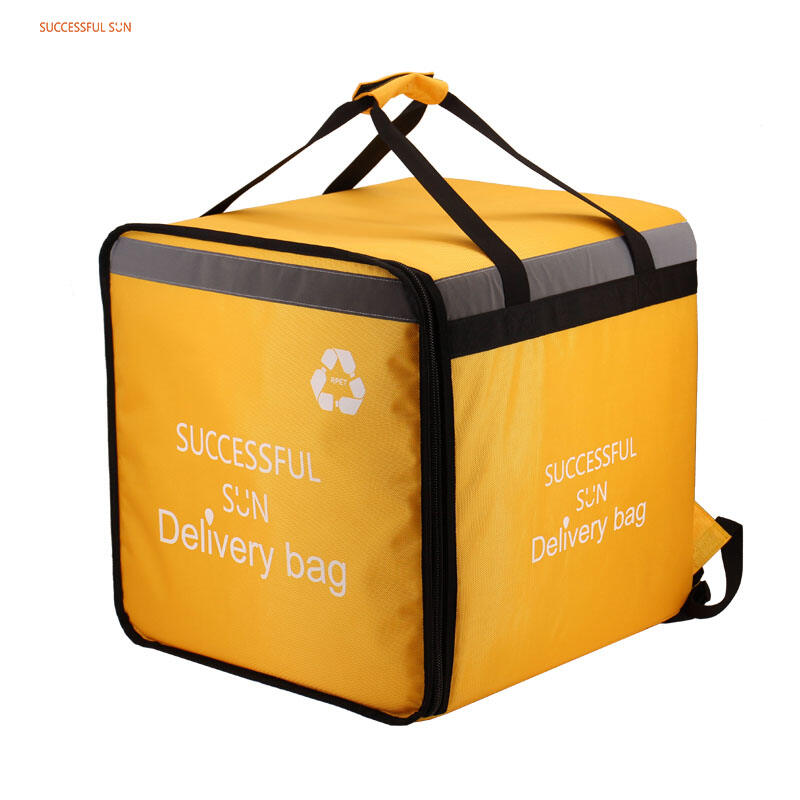
In today's rapidly evolving food service industry, maintaining food quality during transportation has become a critical success factor for restaurants, catering businesses, and delivery services. Professional delivery solutions have revolutionized how businesses approach food transportation, ensuring that meals arrive at their destination in optimal condition. The adoption of specialized thermal transportation equipment has enabled countless establishments to expand their reach while maintaining the integrity of their culinary offerings. These innovative solutions not only preserve food temperature and freshness but also enhance brand reputation and customer satisfaction across diverse market segments.
Enhanced Food Safety and Temperature Control
Advanced Insulation Technology
Modern thermal transportation containers incorporate sophisticated insulation materials that maintain precise temperature ranges for extended periods. These systems utilize multi-layer construction featuring reflective barriers, high-density foam cores, and vapor-resistant outer shells to create an effective thermal envelope. The scientific approach to insulation design ensures that hot foods remain above safe serving temperatures while cold items stay properly chilled throughout the delivery process. Professional-grade insulation can maintain temperature differentials of up to 40 degrees Fahrenheit between interior and exterior environments for several hours.
The integration of phase-change materials in premium models provides additional temperature stabilization by absorbing and releasing thermal energy as needed. This technology creates a buffer against external temperature fluctuations, ensuring consistent internal conditions regardless of seasonal variations or transportation duration. Advanced zipper systems and reinforced sealing mechanisms further enhance thermal retention while preventing heat transfer through closure points.
Food Safety Compliance
Regulatory compliance represents a fundamental advantage when utilizing professional thermal transportation equipment. Food service establishments must adhere to strict temperature guidelines established by health departments and food safety organizations to prevent bacterial growth and foodborne illness. Quality delivery bag systems enable businesses to maintain documented temperature logs and demonstrate compliance during health inspections.
The ability to preserve food within safe temperature zones significantly reduces liability risks associated with food safety violations. Professional thermal containers often feature temperature monitoring capabilities that provide real-time data and historical records for quality assurance purposes. This documentation proves invaluable during regulatory audits and helps establish protocols for consistent food safety management across all delivery operations.
Operational Efficiency and Cost Benefits
Reduced Food Waste and Spoilage
Implementing professional thermal transportation systems dramatically reduces food waste through improved preservation during transit and storage periods. Restaurants and catering operations frequently experience significant losses due to temperature-related spoilage, particularly during peak delivery periods when items may sit waiting for transport. Effective insulation technology extends the viable holding time for prepared foods, allowing greater flexibility in delivery scheduling and reducing the need for emergency replacements.
The economic impact of waste reduction extends beyond immediate food costs to include labor expenses associated with remaking items and potential revenue losses from delayed or cancelled orders. Studies indicate that businesses utilizing professional thermal equipment experience up to 30% reduction in temperature-related food waste compared to standard transportation methods. This improvement translates directly to enhanced profit margins and more sustainable operational practices.
Streamlined Delivery Operations
Professional thermal containers enable delivery personnel to transport multiple orders simultaneously while maintaining individual temperature requirements for each item. Compartmentalized designs allow segregation of hot and cold products within a single unit, maximizing vehicle capacity and reducing the number of trips required for large catering orders or multiple deliveries. This operational efficiency reduces fuel costs, vehicle wear, and labor expenses while increasing overall delivery volume capacity.
The ergonomic design features found in quality thermal transportation equipment reduce physical strain on delivery staff and improve handling efficiency. Reinforced carrying handles, lightweight construction materials, and balanced weight distribution enable personnel to transport larger quantities with reduced fatigue. These design improvements contribute to faster delivery times and reduced risk of workplace injuries associated with heavy lifting and repetitive motions.
Brand Enhancement and Customer Experience
Professional Appearance and Marketing Opportunities
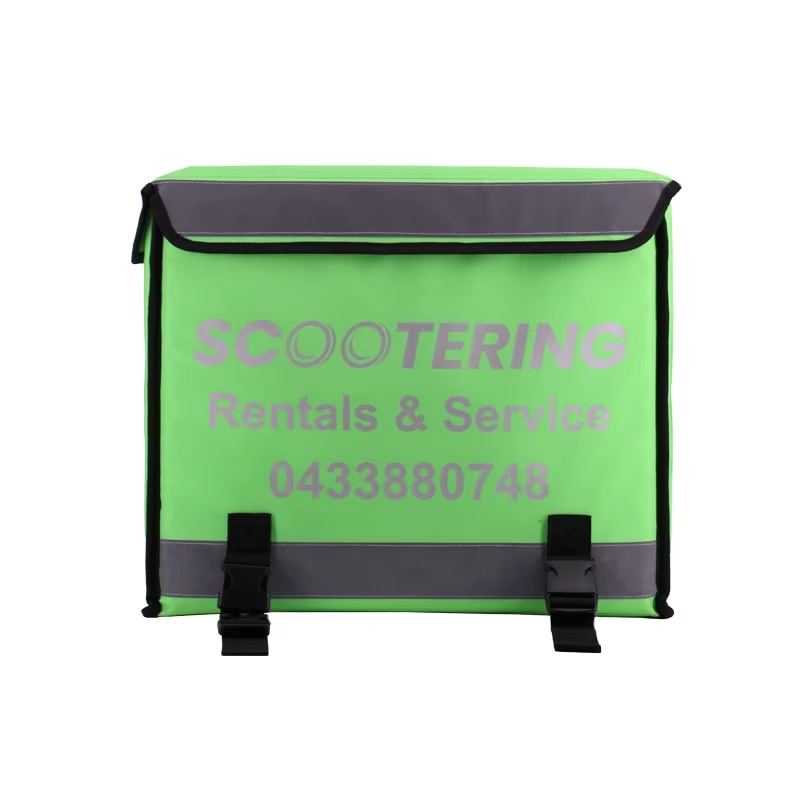
High-quality thermal transportation equipment serves as a mobile marketing platform that reinforces brand identity and professionalism during customer interactions. Custom branding options allow businesses to display logos, contact information, and promotional messages prominently on delivery containers, creating valuable advertising exposure throughout service routes. The professional appearance of branded thermal equipment enhances customer perception of quality and reliability, contributing to positive brand associations.
The visual impact of professional delivery equipment extends beyond immediate customers to include potential clients who observe delivery operations in progress. Well-maintained, attractively branded thermal containers communicate attention to detail and investment in quality service delivery. This marketing benefit provides ongoing value that extends far beyond the functional benefits of temperature control and food preservation.
Customer Satisfaction and Retention
Consistent food quality delivery directly correlates with customer satisfaction levels and repeat business generation. Thermal transportation systems ensure that customers receive their orders at optimal temperatures, maintaining the intended flavor profiles and textures that chefs designed. This consistency builds trust and confidence in delivery services, encouraging customers to place larger orders and recommend services to others.
The reliability provided by professional thermal equipment reduces customer complaints related to food quality issues and eliminates the need for order replacements due to temperature problems. Satisfied customers become valuable advocates who generate positive reviews and referrals, creating a sustainable competitive advantage in crowded food service markets. The investment in quality thermal transportation equipment pays dividends through enhanced customer lifetime value and reduced marketing costs associated with acquiring new customers.
Environmental Sustainability and Long-Term Value
Eco-Friendly Materials and Design
Modern thermal transportation solutions increasingly incorporate environmentally sustainable materials and manufacturing processes that align with corporate sustainability goals. Recycled insulation materials, biodegradable components, and energy-efficient production methods reduce the environmental impact associated with delivery operations. These eco-friendly features appeal to environmentally conscious consumers while supporting businesses in meeting sustainability objectives and regulatory requirements.
The durability and longevity of professional thermal equipment contribute to environmental sustainability by reducing replacement frequency and associated waste generation. Quality construction materials and reinforced design elements ensure extended service life, minimizing the environmental impact per delivered meal over the equipment's operational lifetime. This sustainability advantage becomes increasingly important as businesses face growing pressure to demonstrate environmental responsibility.
Return on Investment and Durability
Professional thermal transportation equipment represents a strategic investment that generates measurable returns through improved operational efficiency, reduced waste, and enhanced customer satisfaction. The initial cost of quality equipment is typically recovered within months through savings in food waste reduction, decreased labor costs, and increased delivery volume capacity. Long-term financial benefits include reduced equipment replacement costs due to superior durability and construction quality.
The robust construction and commercial-grade materials used in professional thermal containers ensure reliable performance under demanding operational conditions. Weather resistance, impact protection, and easy cleaning capabilities maintain equipment functionality and appearance throughout extended use periods. This durability translates to lower total cost of ownership and consistent performance that supports business growth and expansion plans.
FAQ
How long can food stay warm in a professional delivery bag
Professional thermal delivery containers can maintain food temperatures within safe ranges for 4-8 hours depending on insulation quality, external conditions, and initial food temperature. High-end models with advanced insulation technology and proper preheating can extend this duration significantly, making them suitable for extended delivery routes and catering events.
What types of foods work best with thermal delivery containers
Thermal delivery containers work effectively with virtually all food types including hot entrees, soups, pizza, cold salads, frozen desserts, and beverages. The key is matching container specifications to specific temperature requirements and utilizing appropriate compartmentalization for mixed-temperature orders.
How do you properly maintain and clean delivery bags
Regular maintenance involves wiping interior surfaces with food-safe sanitizing solutions, allowing complete air drying between uses, and inspecting zippers and seals for wear. Most professional containers feature removable liners that facilitate thorough cleaning and replacement when necessary. Proper storage in dry, ventilated areas prevents mold and odor development.
Can delivery bags help reduce insurance and liability costs
Yes, professional thermal equipment can potentially reduce insurance premiums and liability exposure by demonstrating commitment to food safety compliance and reducing the risk of temperature-related foodborne illness claims. Documentation of proper temperature maintenance provides valuable legal protection and may qualify businesses for reduced insurance rates.