
 EN
EN



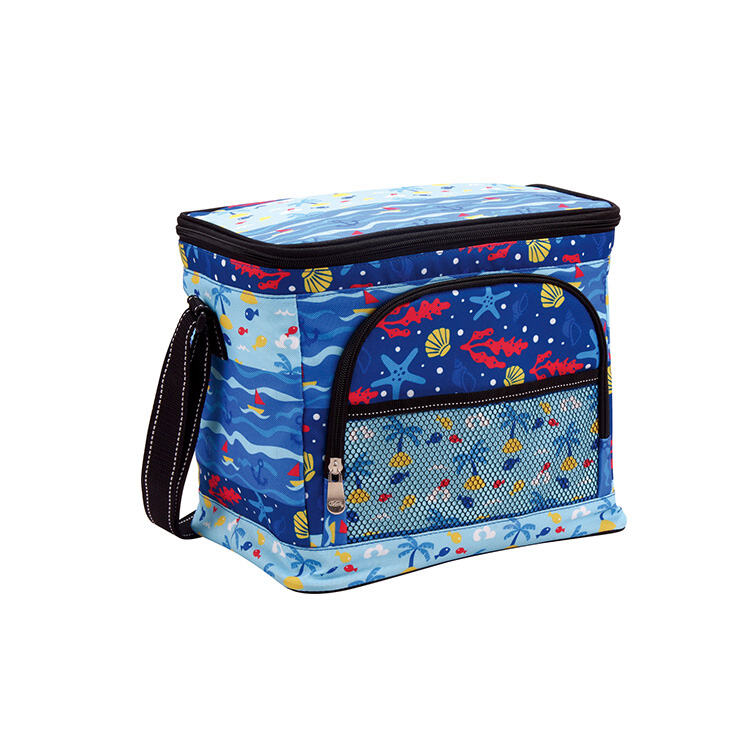
Keeping food and beverages fresh during outdoor adventures, long commutes, or grocery shopping requires effective temperature management. An insulated cooler bag serves as a portable solution that maintains internal temperatures through advanced thermal barrier technology. Understanding how these specialized bags work reveals the science behind temperature retention and helps consumers make informed decisions about their cooling needs.
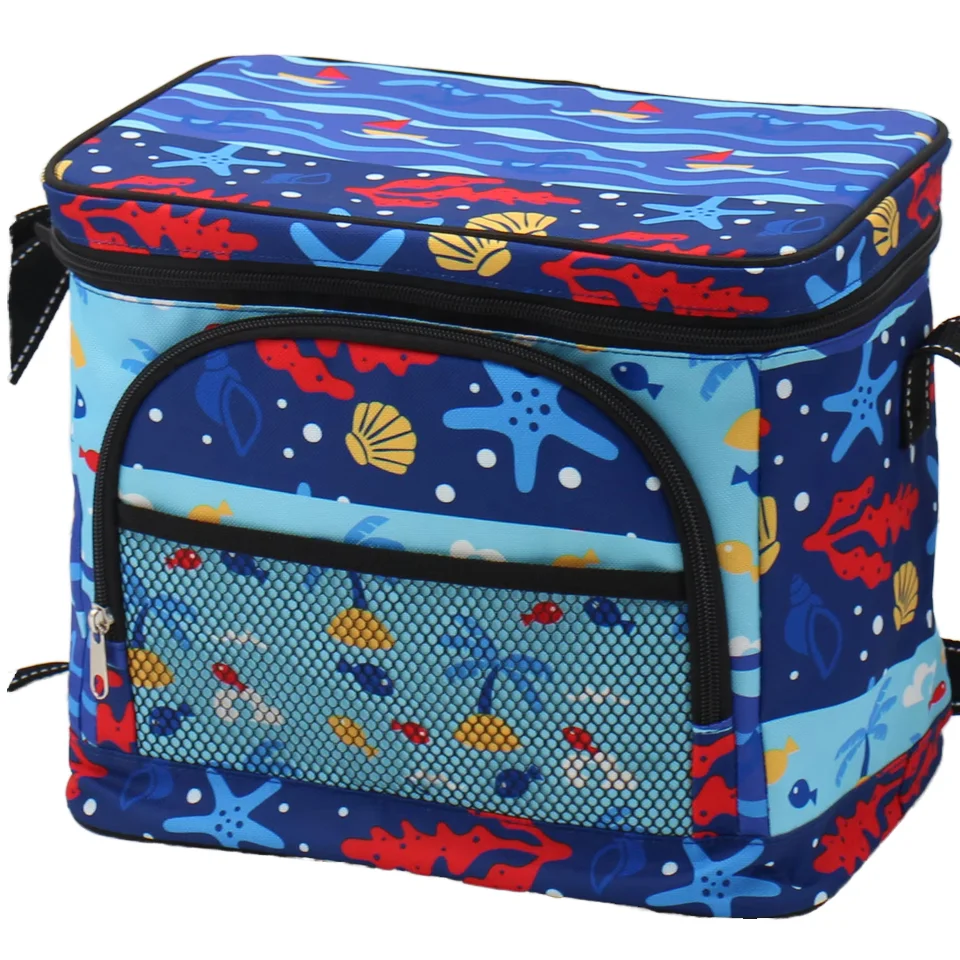
The effectiveness of an insulated cooler bag depends on multiple engineering factors working together to create a controlled environment. These bags utilize specialized materials, construction techniques, and design principles to slow heat transfer and preserve the temperature of contents. Modern manufacturing has significantly improved the performance capabilities of portable cooling solutions, making them essential tools for various applications.
Temperature preservation technology in cooler bags has evolved from simple foam padding to sophisticated multi-layer systems. The integration of advanced insulation materials with improved sealing mechanisms creates superior thermal performance compared to traditional storage methods. This evolution has made insulated cooler bags indispensable for outdoor enthusiasts, professionals, and everyday consumers seeking reliable temperature control.
Thermal Insulation Technology Fundamentals
Heat Transfer Prevention Mechanisms
The primary function of an insulated cooler bag revolves around preventing three types of heat transfer: conduction, convection, and radiation. Conduction occurs when heat moves through direct contact between materials, while convection involves heat transfer through air movement. Radiation transfers heat through electromagnetic waves, requiring specific materials to block these energy transmissions effectively.
High-quality insulated cooler bag designs incorporate materials that address each heat transfer method simultaneously. Closed-cell foam insulation prevents conductive heat transfer by creating air pockets that resist thermal movement. Reflective liners combat radiation by reflecting heat waves away from the interior space, while sealed construction minimizes convective heat loss through air movement.
The thickness and density of insulation materials directly impact thermal performance in cooler bags. Manufacturers optimize these variables to balance weight, portability, and cooling efficiency. Advanced insulated cooler bag models utilize vacuum-sealed panels or aerogel technology to maximize thermal resistance while maintaining practical dimensions for transport and storage.
Material Science Applications
Modern insulated cooler bags employ a variety of specialized materials engineered for thermal management. Polyethylene foam, expanded polystyrene, and polyurethane foam represent common insulation choices, each offering distinct performance characteristics. These materials undergo specific manufacturing processes to optimize their cellular structure for maximum thermal resistance.
The exterior and interior fabrics of an insulated cooler bag contribute significantly to overall performance. Waterproof outer shells prevent moisture infiltration that could compromise insulation effectiveness, while interior liners provide easy cleaning and additional thermal barriers. Some manufacturers incorporate phase-change materials that absorb and release thermal energy to maintain consistent internal temperatures.
Metallic reflective layers integrated into insulated cooler bag construction create radiant barriers that reflect heat energy. These thin aluminum or mylar films require precise placement within the insulation system to maximize effectiveness without compromising bag flexibility. The combination of reflective barriers with traditional insulation creates superior thermal performance compared to single-material approaches.
Construction Design Elements
Sealing and Closure Systems
Effective sealing mechanisms are crucial for maintaining the thermal efficiency of an insulated cooler bag. Zipper systems must create airtight seals to prevent warm air infiltration and cool air escape. Heavy-duty zippers with thermal welded seams ensure long-lasting performance under various environmental conditions and repeated use cycles.
Advanced closure designs incorporate magnetic strips, hook-and-loop fasteners, or compression systems to enhance sealing effectiveness. These mechanisms work in conjunction with zipper closures to create multiple barriers against thermal exchange. The insulated cooler bag design must balance accessibility with thermal integrity to meet user requirements.
Seam construction techniques significantly impact the overall thermal performance of cooler bags. Welded seams eliminate needle holes that could allow thermal bridging, while reinforced stress points ensure structural integrity during transport. Quality manufacturers utilize radio frequency welding or heat sealing to create continuous thermal barriers along seam lines.
Structural Integrity Features
The structural design of an insulated cooler bag must accommodate thermal expansion and contraction while maintaining insulation effectiveness. Flexible construction allows the bag to adapt to various load configurations without compromising thermal barriers. Reinforced corners and stress distribution systems prevent insulation compression that could reduce thermal performance.
Handle and carrying systems require careful integration to avoid creating thermal bridges that could compromise cooling effectiveness. Manufacturers design attachment points and reinforcement areas to minimize heat transfer pathways while providing adequate strength for loaded transport. Padded handles and shoulder straps enhance user comfort without compromising thermal integrity.
Interior organization features such as pockets, dividers, and elastic straps must maintain the thermal envelope while providing functionality. These elements require thermal-conscious design to avoid creating air gaps or compression points that could reduce insulation effectiveness. Well-designed insulated cooler bags integrate organization features seamlessly into the thermal management system.
Temperature Maintenance Performance
Cooling Duration Factors
The temperature retention capability of an insulated cooler bag depends on several interrelated factors including ambient temperature, initial product temperature, bag capacity utilization, and thermal mass. Understanding these relationships helps users maximize cooling performance for specific applications. Environmental conditions significantly influence how long an insulated cooler bag can maintain desired temperatures.
Pre-cooling techniques enhance the temperature retention performance of any insulated cooler bag system. Chilling the bag interior before loading, using frozen gel packs or ice, and minimizing air space through proper packing all contribute to extended cooling duration. Strategic placement of cooling elements optimizes thermal distribution throughout the bag interior.
Load management practices significantly impact cooling performance in insulated cooler bags. Avoiding frequent opening, minimizing air space, and organizing contents for efficient thermal distribution all contribute to extended temperature maintenance. Users who understand these principles can achieve superior results from their cooling systems.
Thermal Mass Optimization
Thermal mass refers to the ability of materials to store thermal energy, playing a crucial role in insulated cooler bag performance. Higher thermal mass contents maintain temperature longer by resisting rapid temperature changes. Strategic selection and arrangement of contents can optimize thermal mass distribution for maximum cooling effectiveness.
Ice packs, frozen water bottles, and gel cooling elements provide thermal mass while maintaining flexibility for packing optimization. These cooling agents work in conjunction with the insulated cooler bag thermal barriers to create comprehensive temperature control systems. Proper placement of thermal mass elements ensures even temperature distribution throughout the bag interior.
Phase-change cooling agents offer superior thermal mass performance compared to traditional ice or gel packs. These specialized materials maintain consistent temperatures during phase transitions, providing stable cooling performance over extended periods. Advanced insulated cooler bag systems may incorporate phase-change materials directly into their construction for enhanced thermal management.
Practical Applications and Benefits
Outdoor Recreation Uses
Outdoor enthusiasts rely on insulated cooler bags for camping, hiking, beach trips, and sporting events where reliable temperature control ensures food safety and beverage quality. These portable cooling solutions enable extended outdoor adventures without compromising nutritional needs or safety requirements. The lightweight portability of modern insulated cooler bags makes them ideal for various recreational activities.
Fishing and hunting applications require specialized temperature control to preserve catch quality and maintain food safety during extended outdoor excursions. An insulated cooler bag designed for these applications incorporates enhanced thermal performance and durability features. Waterproof construction and easy cleaning capabilities make these bags essential equipment for outdoor professionals and enthusiasts.
Tailgating and outdoor entertaining scenarios benefit from the portability and convenience of insulated cooler bags. These applications require bags that can maintain temperature while providing easy access to contents during social gatherings. Multi-compartment designs allow separation of different product types while maintaining overall thermal efficiency.
Commercial and Professional Applications
Food delivery services utilize insulated cooler bags to maintain product quality during transport from preparation to customer delivery. These commercial applications require consistent thermal performance across various environmental conditions and delivery distances. Professional-grade insulated cooler bags incorporate enhanced insulation systems and durability features for commercial use.
Healthcare and pharmaceutical applications demand precise temperature control for medication transport and sample preservation. Specialized insulated cooler bags for medical use incorporate temperature monitoring systems and validation protocols to ensure regulatory compliance. These applications highlight the critical importance of reliable thermal management in professional settings.
Catering and food service operations depend on insulated cooler bags for off-site event support and temporary food storage. These bags must maintain food safety temperatures while providing easy access and organization capabilities. Commercial-grade construction ensures reliable performance under demanding professional use conditions.
Maintenance and Care Considerations
Cleaning and Sanitization
Proper maintenance of an insulated cooler bag ensures continued thermal performance and hygiene standards. Regular cleaning prevents bacterial growth and odor development that could compromise food safety. Removable liners and easy-clean surfaces facilitate thorough sanitization between uses, maintaining the bag in optimal condition for food storage applications.
Deep cleaning procedures for insulated cooler bags require careful attention to avoid damaging insulation materials or sealing systems. Mild detergents and sanitizing solutions effectively clean interior surfaces without compromising thermal performance. Air drying prevents moisture accumulation that could lead to mold or mildew development within the insulation system.
Storage practices significantly impact the longevity and performance of insulated cooler bags. Proper storage in dry, ventilated areas prevents moisture accumulation and material degradation. Avoiding compression or folding of insulation materials maintains thermal effectiveness over extended service life.
Performance Optimization
Regular inspection of sealing systems, zippers, and insulation integrity ensures continued thermal performance of insulated cooler bags. Early identification of wear or damage allows for timely repairs that maintain cooling effectiveness. Replacement of worn components extends the useful life of quality cooling systems.
Thermal performance testing through temperature monitoring helps users understand the cooling capabilities of their insulated cooler bag under specific conditions. This information enables optimization of packing techniques and cooling agent usage for maximum effectiveness. Understanding performance characteristics allows users to adapt their approach for different applications and environmental conditions.
Accessory integration such as additional ice packs, dividers, or temperature monitoring devices can enhance the performance of any insulated cooler bag system. These additions work in conjunction with the bag's thermal management capabilities to create customized cooling solutions for specific applications. Strategic accessory selection optimizes performance for particular use cases.
FAQ
How long can an insulated cooler bag keep items cold
The cooling duration of an insulated cooler bag varies based on ambient temperature, initial product temperature, thermal mass, and bag quality. High-quality bags can maintain cold temperatures for 6-12 hours under normal conditions, with some premium models extending performance to 24 hours when properly packed with adequate ice or cooling agents.
What makes some insulated cooler bags more effective than others
Superior thermal performance results from advanced insulation materials, improved sealing systems, and thoughtful construction design. Premium bags utilize thicker insulation, reflective barriers, and high-quality zippers that create better thermal barriers. Multi-layer construction and thermal bridge elimination contribute to enhanced temperature retention capabilities.
Can an insulated cooler bag keep items warm as well as cold
Yes, insulated cooler bags work bidirectionally by preventing heat transfer in both directions. They can maintain warm temperatures by preventing heat loss to cooler surroundings. Pre-heating the bag and using thermal packs designed for warming applications optimize performance for hot food transport and temperature maintenance.
How should I pack an insulated cooler bag for maximum effectiveness
Maximize cooling performance by pre-chilling the bag, using adequate ice or cooling agents, minimizing air space, and organizing contents strategically. Place frozen items on bottom, add insulation between temperature zones, and avoid frequent opening. Proper thermal mass distribution and elimination of air gaps optimize temperature retention throughout the cooling period.