
 EN
EN



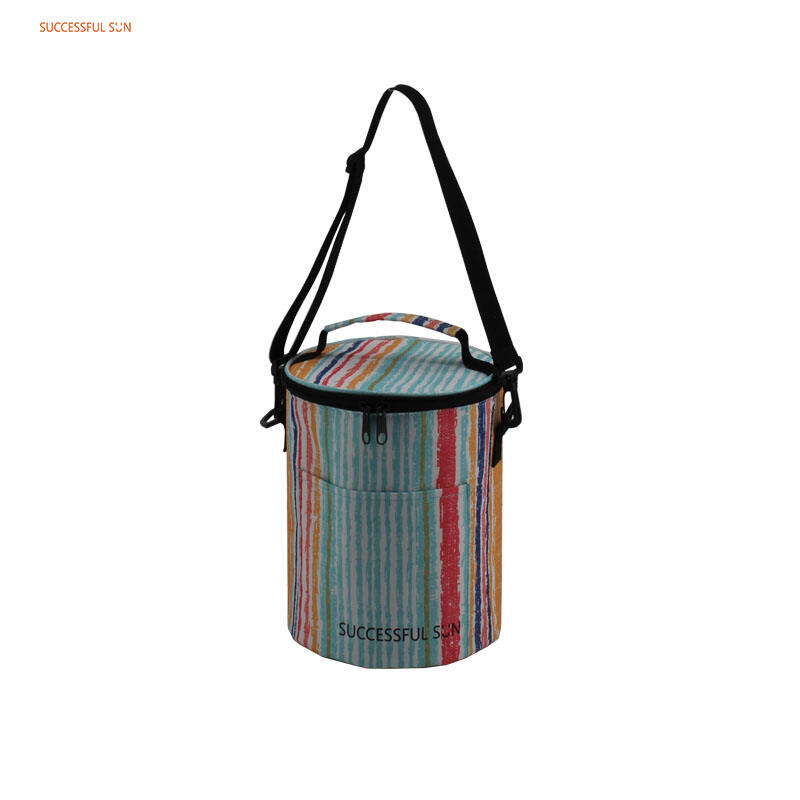
Planning a long trip requires careful consideration of how to keep food and beverages fresh throughout your journey. A quality cooler bag serves as an essential travel companion, providing the insulation and portability needed to maintain optimal temperatures for perishable items. Whether you're embarking on a cross-country road trip, camping adventure, or extended beach vacation, selecting the right cooler bag can make the difference between enjoying fresh meals and dealing with spoiled provisions. The modern traveler has numerous options available, from basic soft-sided models to advanced designs featuring cutting-edge insulation technology.
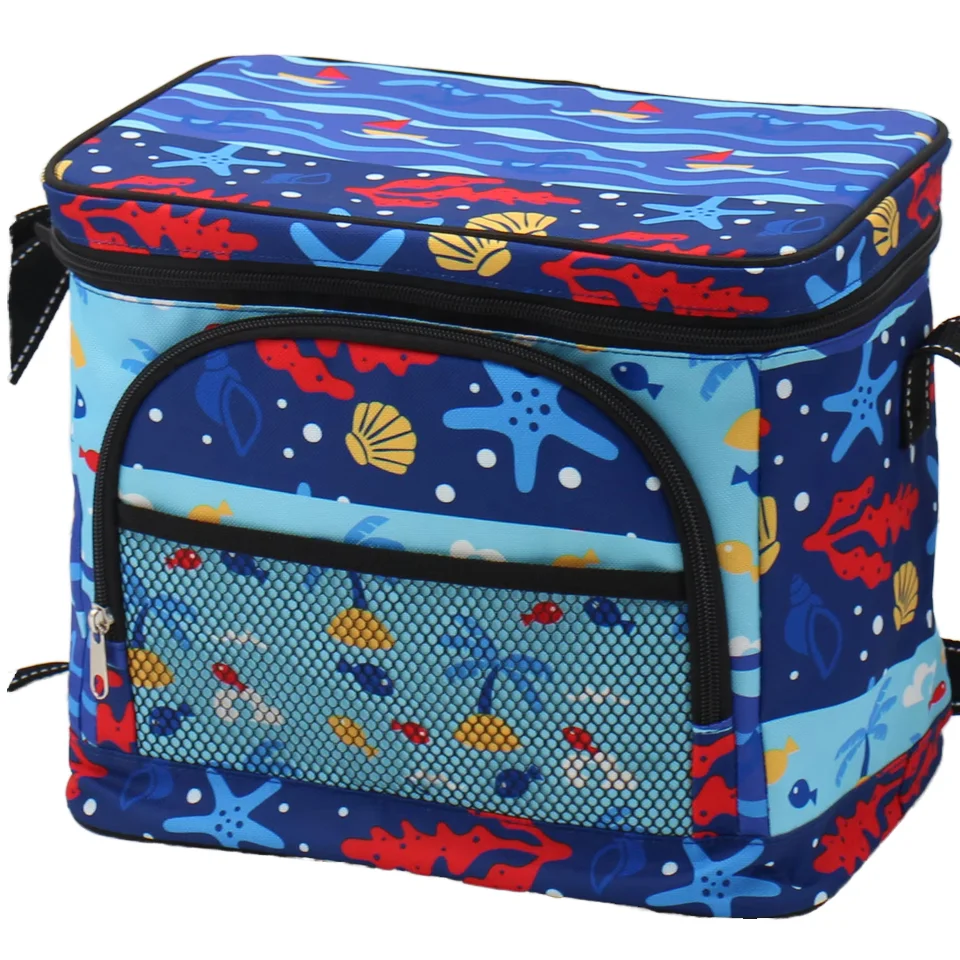
Understanding Cooler Bag Types and Construction
Soft-Sided Cooler Bags
Soft-sided cooler bags offer superior portability and storage convenience compared to their hard-shell counterparts. These flexible containers typically feature high-quality insulation materials sandwiched between durable outer and inner fabrics. The construction allows for easy packing in vehicles and storage when not in use, as they can compress to a fraction of their expanded size. Most quality soft cooler bags incorporate closed-cell foam insulation or advanced materials like aerogel to maintain temperature control while remaining lightweight and manageable during transport.
The fabric selection plays a crucial role in determining the longevity and performance of a soft cooler bag. Premium models utilize reinforced materials such as heavy-duty nylon or canvas exteriors with waterproof coatings to resist tears, punctures, and moisture penetration. Interior linings often feature antimicrobial treatments and easy-to-clean surfaces that prevent odor retention and bacterial growth. The seaming and stitching quality directly impacts the bag's ability to maintain insulation integrity over extended periods of use.
Hard-Shell Cooler Alternatives
While hard-shell coolers provide excellent insulation performance, they present significant challenges for long-trip applications. These rigid containers typically offer superior ice retention and durability but sacrifice portability and storage convenience. The weight factor becomes particularly problematic when fully loaded, often requiring multiple people to transport safely. Additionally, their fixed dimensions make efficient packing more challenging, especially when dealing with oddly shaped food items or varying quantities of provisions throughout an extended journey.
The choice between soft and hard cooler options often depends on specific trip requirements and transportation methods. Extended camping trips with established base camps may benefit from hard-shell models, while mobile adventures requiring frequent setup and breakdown favor the flexibility of a quality cooler bag. Understanding these fundamental differences helps travelers make informed decisions based on their unique circumstances and priorities.
Essential Features for Extended Travel
Insulation Performance and Ice Retention
The primary function of any cooler bag centers on its ability to maintain consistent internal temperatures over extended periods. Advanced insulation systems incorporate multiple layers of specialized materials designed to minimize heat transfer through conduction, convection, and radiation. High-performance models feature combination insulation approaches, utilizing both traditional closed-cell foam and reflective barrier technologies to maximize thermal efficiency while maintaining reasonable weight and flexibility.
Ice retention capabilities vary significantly among different cooler bag designs and construction methods. Quality models can maintain ice for 24-48 hours under moderate ambient conditions, while premium designs may extend this performance to 72 hours or more. The relationship between insulation thickness, bag size, and thermal performance requires careful consideration, as increased insulation typically reduces internal capacity while improving temperature maintenance. Understanding these trade-offs helps travelers select appropriate models for their specific duration and performance requirements.
Durability and Weather Resistance
Long trips expose cooler bags to various environmental challenges including UV radiation, moisture, temperature extremes, and physical stress from loading and transport. Quality construction incorporates reinforced stress points, heavy-duty zippers, and robust handle systems designed to withstand repeated use under demanding conditions. Weather-resistant features such as waterproof exteriors and sealed seams prevent moisture infiltration that could compromise insulation performance or damage contents.
The selection of appropriate materials directly impacts the longevity and reliability of a cooler bag throughout extended travel periods. Premium fabrics resist fading, cracking, and degradation from prolonged sun exposure while maintaining flexibility in temperature extremes. Reinforced bottom panels provide protection against punctures and abrasion from rough surfaces, while quality hardware ensures reliable operation even after thousands of opening and closing cycles.
Size Selection and Capacity Planning
Determining Optimal Capacity
Selecting the appropriate size cooler bag requires careful analysis of trip duration, group size, and meal planning strategies. Overcapacity models waste valuable storage space and increase transportation burden, while undersized options force difficult choices about essential provisions. A properly sized cooler bag should accommodate planned food and beverages with sufficient room for ice or cooling packs while remaining manageable for transport and storage requirements.
Professional trip planners recommend calculating capacity based on one-day food requirements multiplied by trip duration, plus additional space for cooling media and emergency reserves. This approach accounts for varying consumption patterns and unexpected circumstances while avoiding the common mistake of selecting oversized models that become unwieldy when fully loaded. The relationship between internal volume and external dimensions also affects packing efficiency in vehicles and storage areas.
Multi-Bag Strategy Considerations
Extended trips often benefit from multiple smaller cooler bags rather than single large units, providing operational flexibility and risk distribution. This approach allows separation of different food types, facilitates access without exposing all contents to ambient temperatures, and provides backup options if one unit fails. The cooler bag selection should consider how multiple units work together as an integrated system rather than individual components.
Organizational strategies using multiple cooler bags can significantly improve efficiency and food safety during long trips. Dedicated units for beverages, perishable foods, and frozen items allow optimal temperature management for different requirements. This specialization approach also enables strategic replenishment during extended journeys, allowing travelers to resupply individual units without compromising the entire cooling system.
Advanced Features and Technology Integration
Smart Cooling Technologies
Modern cooler bag designs incorporate innovative technologies that enhance performance beyond traditional passive insulation methods. Phase change materials utilize latent heat absorption and release to maintain consistent temperatures without requiring ice replacement. These advanced systems can provide extended cooling performance while eliminating the mess and weight associated with melting ice, making them particularly attractive for extended travel applications.
Electronic cooling integration represents another technological advancement in premium cooler bag designs. Thermoelectric cooling modules powered by vehicle electrical systems or portable battery packs can actively maintain desired temperatures regardless of ambient conditions. While these systems increase complexity and power requirements, they provide unmatched performance for critical applications where temperature control is essential for food safety or medication storage.
Convenience and Usability Enhancements
User-friendly features significantly impact the practical utility of a cooler bag during extended travel periods. Easy-access compartments, external pockets for frequently used items, and organizational systems help maintain efficiency while minimizing cold air loss during access. Quality designs incorporate thoughtful details such as interior dividers, drain ports, and removable liners that simplify maintenance and improve long-term usability.
Ergonomic considerations become increasingly important during long trips where cooler bags require frequent handling and transport. Padded shoulder straps, comfortable grip handles, and balanced weight distribution reduce user fatigue and improve safety during loading and unloading operations. Premium models may include wheeled bases or integrated cart systems for effortless transport across various terrain types.
Maintenance and Care for Longevity
Cleaning and Sanitization Protocols
Proper maintenance practices ensure optimal performance and extend the useful life of any cooler bag investment. Regular cleaning after each use prevents bacterial growth, eliminates odors, and maintains the integrity of internal surfaces. Effective sanitization requires thorough washing with appropriate cleaning agents followed by complete drying to prevent mold and mildew development in insulation materials.
Deep cleaning procedures should address both visible contamination and hidden bacterial populations that can compromise food safety. Quality cooler bags feature removable liners and accessible surfaces that facilitate thorough cleaning without damaging insulation components. The selection of appropriate cleaning products requires consideration of material compatibility to avoid degradation of waterproof coatings or antimicrobial treatments.
Storage and Seasonal Preparation
Off-season storage practices directly impact the condition and performance of cooler bags when returned to service. Proper preparation includes complete cleaning, thorough drying, and storage in climate-controlled environments away from direct sunlight and temperature extremes. Quality models benefit from periodic inspection and maintenance of zippers, handles, and other mechanical components to identify potential issues before they affect functionality.
Seasonal preparation protocols should address specific environmental challenges anticipated during upcoming trips. UV protection treatments, waterproofing renewal, and hardware lubrication help maintain optimal performance under demanding conditions. Proactive maintenance approaches prevent minor issues from developing into major failures that could compromise trip success or safety.
Budget Considerations and Value Analysis
Initial Investment vs Long-Term Costs
The selection of an appropriate cooler bag requires careful analysis of both initial purchase costs and long-term ownership expenses. Premium models command higher upfront prices but typically provide superior performance, durability, and feature sets that justify the investment for serious travelers. Budget-oriented options may serve occasional users adequately but often lack the construction quality and advanced features necessary for demanding long-trip applications.
Total cost of ownership includes replacement frequency, maintenance requirements, and operational efficiency factors that extend beyond initial purchase price. A quality cooler bag that provides reliable service for multiple seasons typically offers better value than cheaper alternatives requiring frequent replacement. Performance differences also affect operational costs through improved ice retention, reduced food spoilage, and enhanced convenience during travel.
Feature Prioritization and Trade-offs
Budget constraints often require careful prioritization of features and capabilities when selecting a cooler bag for extended travel. Essential performance characteristics such as insulation quality and construction durability should receive priority over convenience features or cosmetic enhancements. Understanding the relationship between specific features and their impact on trip success helps travelers make informed decisions within their financial limitations.
Value-oriented selection strategies focus on identifying models that provide optimal performance for intended applications without unnecessary premium features. This approach requires honest assessment of actual requirements versus desired capabilities, allowing travelers to invest in appropriate quality levels without overspending on unused functionality. The goal involves finding the sweet spot between adequate performance and reasonable cost for specific use patterns and expectations.
FAQ
How long can a quality cooler bag keep ice frozen during summer travel
A well-constructed cooler bag can maintain ice for 24 to 48 hours under normal summer conditions, with premium models potentially extending this to 72 hours. Performance depends on factors including insulation thickness, ambient temperature, frequency of opening, and initial ice-to-content ratio. Pre-chilling the cooler bag and contents, using block ice instead of cubes, and minimizing air space can significantly improve ice retention times.
What size cooler bag is appropriate for a family of four on a week-long trip
For a family of four on a week-long trip, consider a 40-60 quart capacity cooler bag or multiple smaller units totaling this volume. This size accommodates approximately one gallon of food and beverages per person per day, plus ice or cooling packs. Multiple smaller bags often provide better organization and access control than single large units, allowing separation of beverages, meals, and frozen items for optimal temperature management.
Are expensive cooler bags worth the investment for occasional travelers
For occasional travelers taking 2-3 trips per year, mid-range cooler bags typically provide the best value proposition. Premium models justify their cost through superior durability and performance for frequent users, while budget options may suffice for very infrequent use. Consider factors including trip duration, group size, and performance requirements when determining appropriate investment levels for your specific usage patterns.
How do I prevent odors from developing in my cooler bag between trips
Prevent odor development by thoroughly cleaning your cooler bag after each use with mild soap and warm water, followed by complete air drying before storage. Use baking soda or activated charcoal packets during storage to absorb residual moisture and odors. Store the bag in a cool, dry location with the zipper partially open to allow air circulation and prevent mold or mildew growth in insulation materials.