
 EN
EN



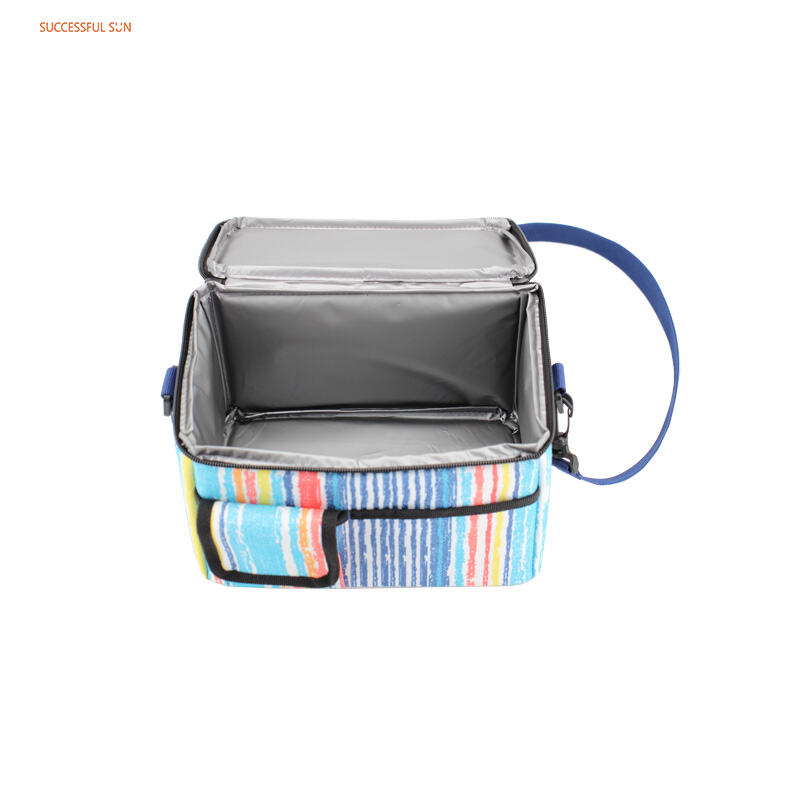
Choosing the right insulated lunch bag can transform your daily meal experience, whether you're heading to the office, school, or outdoor activities. An effective insulated lunch bag maintains food temperature, prevents spoilage, and offers convenient portability for busy lifestyles. With countless options available in today's market, understanding the key features and selection criteria becomes essential for making an informed purchase decision that meets your specific needs.
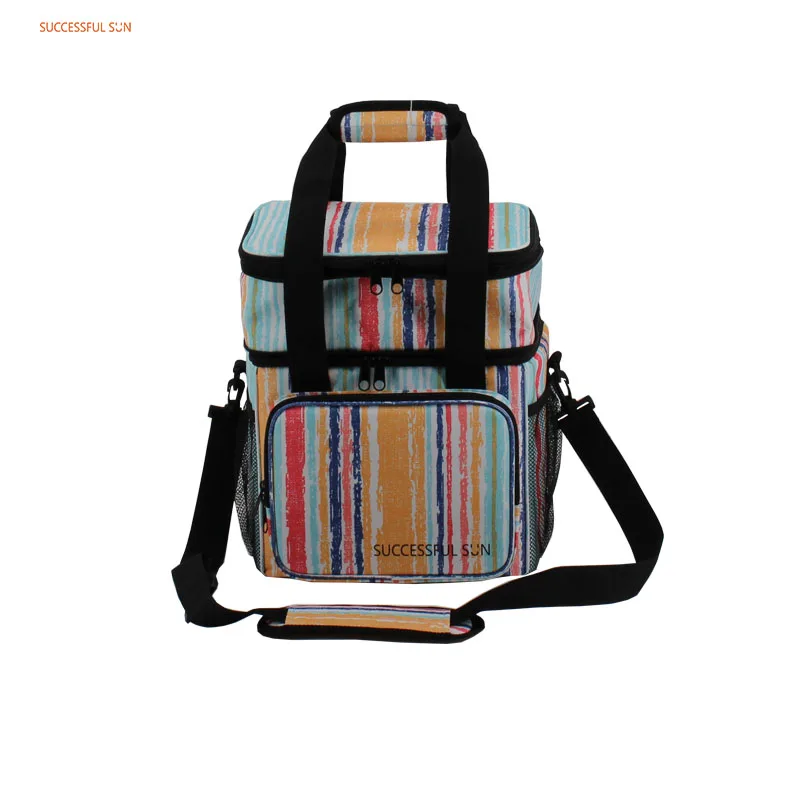
The modern consumer faces numerous challenges when selecting personal food storage solutions. Temperature control requirements vary significantly based on food types, duration of storage, and environmental conditions. An ideal insulated lunch bag should address these variables while providing durability, convenience, and value for money. Understanding these fundamental aspects helps narrow down choices and ensures your investment serves you well over time.
Essential Features of Quality Insulated Lunch Bags
Insulation Technology and Materials
The core functionality of any insulated lunch bag depends on its insulation technology and material composition. High-quality insulation typically involves multiple layers of specialized materials that create thermal barriers. Foam insulation, reflective linings, and air-sealed construction work together to maintain desired temperatures for extended periods. Premium models often incorporate advanced materials like closed-cell foam or vacuum-sealed panels for superior performance.
Material selection extends beyond insulation to include exterior fabrics and interior linings. Durable exterior materials such as polyester, nylon, or canvas resist wear, moisture, and staining. Interior linings should be food-safe, easy to clean, and leak-resistant. Many manufacturers now use antimicrobial treatments to prevent bacterial growth and odor retention, enhancing hygiene and longevity.
Size and Capacity Considerations
Determining the appropriate size for your insulated lunch bag requires careful consideration of typical meal volumes and container sizes. Compact models suit light eaters or children, while larger capacity bags accommodate hearty meals, multiple containers, or shared lunches. Consider the dimensions of your regular food containers, bottles, and utensils to ensure proper fit without wasted space.
Capacity planning should also account for ice packs or cooling elements, which occupy valuable interior space. Some insulated lunch bag designs incorporate dedicated ice pack pockets or compartments, maximizing food storage while maintaining cooling efficiency. Expandable designs offer flexibility, allowing size adjustment based on daily requirements.
Performance Factors for Temperature Control
Thermal Retention Capabilities
Effective temperature retention distinguishes superior insulated lunch bags from basic models. Quality products maintain cold temperatures for 8-12 hours and hot temperatures for 4-6 hours under normal conditions. These performance metrics depend on ambient temperature, initial food temperature, insulation quality, and seal integrity. Testing thermal performance before regular use helps establish realistic expectations.
Temperature retention performance varies significantly across different food types and preparation methods. Frozen items require more robust insulation than refrigerated foods, while hot meals demand specialized thermal barriers. Understanding these requirements helps select an insulated lunch bag that consistently meets your temperature control needs across various meal types and storage durations.
Seal Quality and Zipper Systems
Proper sealing mechanisms are crucial for maintaining internal temperatures and preventing air exchange. High-quality zippers with gasket seals create airtight closures that minimize thermal transfer. Some premium models feature compression zippers or magnetic closures that enhance seal integrity while remaining user-friendly.
Zipper durability directly impacts long-term performance and user satisfaction. Heavy-duty zippers resist frequent use, temperature extremes, and moisture exposure. Self-repairing zippers and reinforced zipper guards extend operational life and maintain consistent performance. Regular maintenance of zipper systems ensures continued effectiveness and prevents thermal efficiency degradation.
Design Elements and User Experience
Compartment Configuration and Organization
Well-designed compartment systems enhance organization and prevent food mixing or crushing. Multiple compartments allow separation of different food types, preventing flavor transfer and maintaining food integrity. Dedicated pockets for utensils, napkins, and condiments improve convenience and accessibility during meal times.
Adjustable dividers and removable compartment inserts offer customization options for varying meal compositions. Some insulated lunch bag models feature specialized compartments for bottles, keeping beverages separate from solid foods. Mesh pockets provide quick access to frequently used items while maintaining overall organization.
Portability and Carrying Options
Comfortable carrying options significantly impact daily usability and user satisfaction. Padded shoulder straps distribute weight evenly, reducing strain during transport. Adjustable strap systems accommodate different body types and carrying preferences. Some models offer multiple carrying options, including hand grips, shoulder straps, and backpack configurations.
Handle design and reinforcement affect durability and comfort during extended carrying periods. Ergonomic handles reduce hand fatigue, while reinforced attachment points prevent failure under load. Consider your typical transportation method and distance when evaluating portability features of potential insulated lunch bag options.
Maintenance and Durability Aspects
Cleaning and Hygiene Requirements
Regular cleaning maintains hygiene standards and extends the useful life of your insulated lunch bag. Interior surfaces should accommodate thorough cleaning without damage to insulation or lining materials. Removable linings simplify cleaning processes and allow complete sanitization when necessary.
Some materials resist odor absorption and bacterial growth better than others. Antimicrobial treatments and non-porous surfaces facilitate easy cleaning and prevent contamination buildup. Understanding cleaning requirements and limitations helps maintain your insulated lunch bag in optimal condition throughout its service life.
Construction Quality and Longevity
Durable construction ensures consistent performance over extended use periods. Reinforced seams, quality stitching, and robust hardware resist daily wear and stress. Warranty coverage provides confidence in manufacturer quality standards and offers protection against premature failure.
Materials selection impacts both immediate performance and long-term durability. Premium fabrics resist fading, tearing, and moisture damage while maintaining appearance over time. Quality insulation materials maintain thermal properties despite repeated temperature cycling and mechanical stress.
Specialized Applications and Use Cases
Professional and Office Environments
Office workers require insulated lunch bags that balance functionality with professional appearance. Sleek designs and neutral colors complement business attire while providing necessary food storage capabilities. Compact profiles fit easily under desks or in refrigerators without occupying excessive space.
Professional environments often limit refrigeration access, making thermal retention particularly important. An effective insulated lunch bag eliminates dependence on communal refrigeration while maintaining food safety standards. Consider noise levels during opening and closing operations in quiet office settings.
Outdoor Activities and Recreation
Recreational activities place additional demands on insulated lunch bag performance and durability. Outdoor conditions expose bags to temperature extremes, moisture, and physical stress. Weather-resistant materials and construction protect contents while withstanding challenging environmental conditions.
Extended outdoor activities require superior thermal retention and increased capacity for longer meal storage periods. Some specialized models incorporate additional features like bottle openers, cutting boards, or utensil sets specifically for outdoor use. Bright colors or reflective elements enhance visibility and safety in outdoor environments.
Budget Considerations and Value Assessment
Price Range Analysis and Features
Insulated lunch bag pricing varies significantly based on size, features, and construction quality. Basic models typically range from twenty to forty dollars, offering fundamental insulation and simple designs. Mid-range options between forty and eighty dollars provide enhanced features, better materials, and improved thermal performance.
Premium insulated lunch bag models exceeding eighty dollars incorporate advanced materials, specialized features, and superior construction quality. These investments often provide better long-term value through enhanced durability and performance consistency. Evaluate your specific needs and usage frequency when determining appropriate budget allocation.
Cost Per Use and Long-term Value
Calculating cost per use over the expected lifespan provides better value perspective than initial purchase price alone. Daily users benefit from investing in higher-quality models that maintain performance over extended periods. Occasional users might find basic models sufficient for their limited requirements.
Consider additional costs such as ice packs, replacement parts, or accessories when evaluating total ownership expenses. Some insulated lunch bag models include these items, providing better initial value. Factor in potential food safety benefits and convenience improvements when assessing overall value proposition.
Shopping Guidelines and Selection Process
Research and Comparison Methods
Thorough research enables informed decision-making and increases satisfaction with your final selection. Online reviews provide real-world performance insights from actual users across various applications. Professional testing reports offer objective performance measurements for thermal retention, durability, and feature functionality.
Physical examination allows assessment of build quality, material feel, and size appropriateness. Many retailers offer hands-on displays where you can evaluate zippers, handles, and compartment accessibility. Compare multiple models side by side to identify differences in construction quality and feature implementation.
Purchase Timing and Seasonal Considerations
Strategic timing can result in significant savings on insulated lunch bag purchases. Back-to-school seasons often feature promotional pricing and expanded selection options. End-of-season clearances provide opportunities to acquire premium models at reduced costs.
Consider seasonal usage patterns when timing your purchase. Summer activities may require different features than winter applications. Planning purchases around anticipated usage periods ensures your new insulated lunch bag arrives when needed and provides immediate value.
FAQ
How long should a quality insulated lunch bag keep food cold?
A quality insulated lunch bag should maintain cold temperatures for 8-12 hours under normal conditions when properly packed with appropriate ice packs. Performance depends on ambient temperature, initial food temperature, insulation quality, and how frequently the bag is opened. Premium models with superior insulation may extend this timeframe, while basic models typically provide 4-6 hours of effective cooling.
What size insulated lunch bag works best for daily office use?
For daily office use, a medium-sized insulated lunch bag measuring approximately 10x8x6 inches provides optimal balance between capacity and portability. This size accommodates most standard lunch containers, a beverage, and an ice pack while fitting comfortably under desks or in refrigerators. Consider your typical meal size and container preferences when selecting the most appropriate dimensions.
Can insulated lunch bags be machine washed safely?
Most insulated lunch bags should not be machine washed, as this can damage insulation materials and compromise thermal performance. Hand cleaning with mild soap and warm water effectively removes stains and odors while preserving insulation integrity. Check manufacturer instructions before attempting any cleaning method, as some models feature removable, machine-washable linings that simplify maintenance.
What features indicate superior insulation quality in lunch bags?
Superior insulation quality indicators include multiple insulation layers, reflective interior linings, sealed seams, and thick insulation materials. High-quality models often specify insulation thickness and thermal retention timeframes. Look for features like closed-cell foam insulation, heat-sealed seams, and airtight zipper systems that work together to maximize thermal retention performance in your insulated lunch bag selection.