
 EN
EN



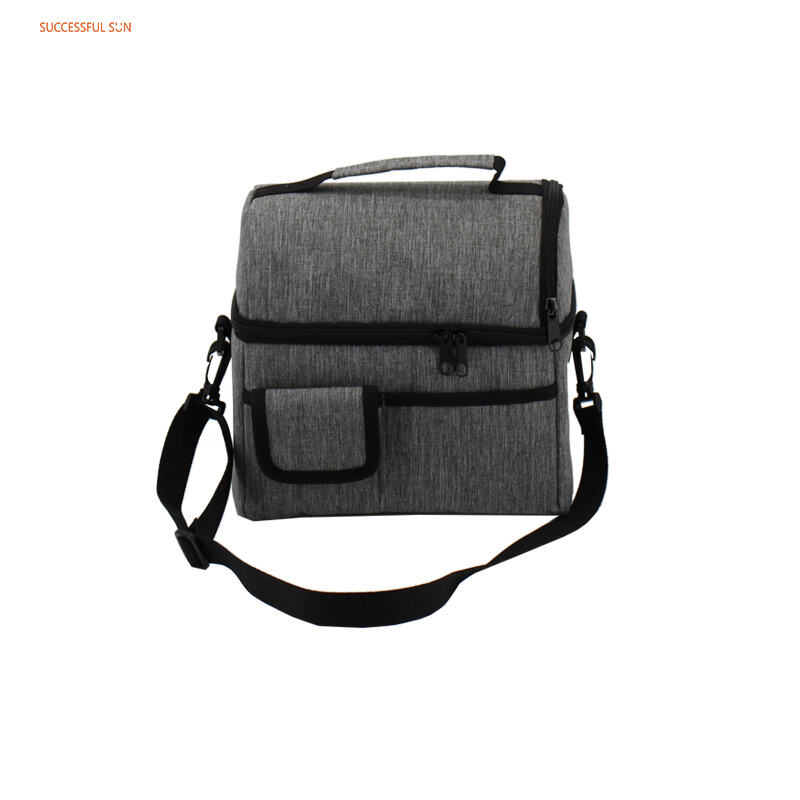
Modern professionals and students increasingly recognize the value of bringing homemade meals to work or school. An insulated lunch bag serves as the cornerstone of this healthy, cost-effective lifestyle choice, ensuring food remains fresh, safe, and appetizing throughout the day. With rising food costs and growing awareness of nutritional quality, investing in a reliable insulated lunch bag has become more than just a convenience—it's a smart decision that pays dividends in health, savings, and meal satisfaction. The right insulated lunch bag combines advanced thermal technology with practical design features to maintain optimal food temperatures while withstanding daily use in demanding environments.
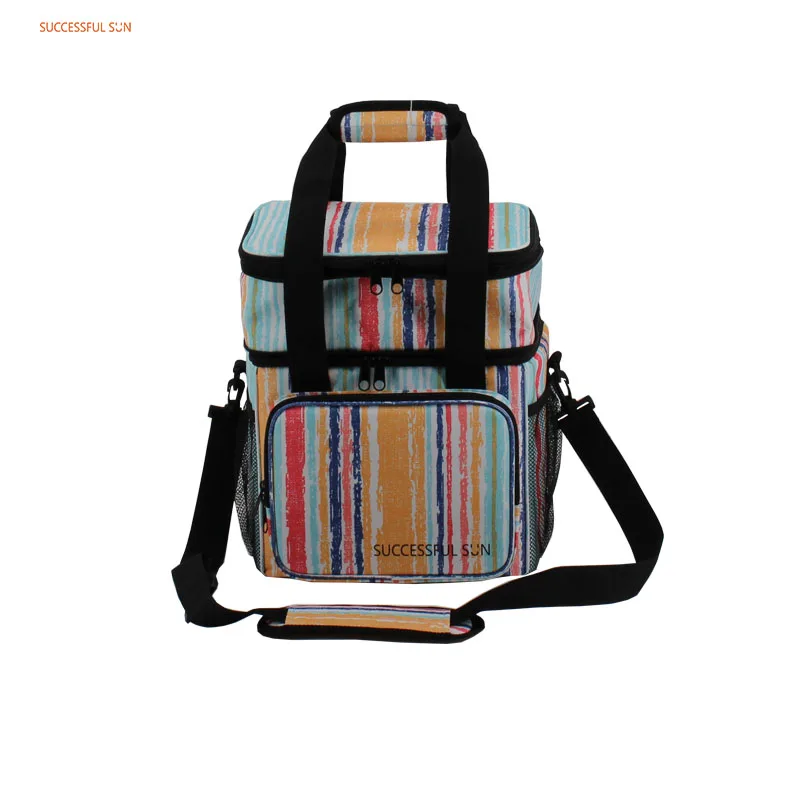
Essential Features of Premium Insulated Lunch Bags
Advanced Thermal Insulation Technology
The foundation of any effective insulated lunch bag lies in its thermal insulation capabilities. High-quality models utilize multi-layer insulation systems that combine foam padding with reflective barriers to create superior temperature retention. These advanced materials work together to maintain food temperatures for extended periods, keeping cold items chilled and hot foods warm throughout your workday or school schedule. The best insulated lunch bag designs feature closed-cell foam insulation that resists moisture absorption and maintains its insulating properties over time.
Professional-grade insulation systems often incorporate aluminum foil linings that reflect heat away from cold contents while preventing heat loss from warm foods. This dual-action approach ensures consistent temperature control regardless of external conditions. The thickness and density of insulation materials directly impact performance, with premium models offering enhanced protection that can maintain safe food temperatures for up to eight hours without additional cooling elements.
Durable Construction Materials
Construction quality determines the longevity and reliability of an insulated lunch bag under daily use conditions. Premium models feature heavy-duty exterior fabrics such as ripstop nylon or polyester that resist tears, punctures, and general wear from regular handling. These materials also provide water resistance, protecting contents from spills and external moisture while maintaining the integrity of internal insulation systems.
Interior linings play an equally important role in construction quality, with food-grade materials ensuring safety and easy cleaning. PEVA or TPU linings offer superior waterproofing and antimicrobial properties that prevent odor retention and bacterial growth. Reinforced seams and stress points enhance structural integrity, allowing the insulated lunch bag to withstand heavy loads and frequent use without compromising performance or appearance.
Size and Capacity Considerations
Matching Bag Size to Individual Needs
Selecting the appropriate size for an insulated lunch bag requires careful consideration of daily meal requirements, available storage space, and transportation methods. Compact models measuring 8-10 inches work well for light eaters or those with limited carrying capacity, accommodating basic meals with minimal bulk. Mid-size options ranging from 10-12 inches provide balanced capacity for standard lunch portions while remaining manageable for most users.
Larger insulated lunch bag models exceeding 12 inches cater to hearty appetites, meal preppers, or families sharing a single container. These spacious designs often feature multiple compartments that allow separation of different food types and temperature requirements. Consider your typical meal volume, including beverages, snacks, and utensils, when determining optimal capacity to ensure adequate space without excessive bulk.
Compartment Organization Systems
Modern insulated lunch bag designs incorporate sophisticated compartment systems that enhance organization and food safety. Dual-compartment models allow simultaneous storage of items requiring different temperatures, such as keeping salads cool while maintaining soup warmth. These separated zones prevent temperature transfer between compartments, ensuring each food item maintains its optimal condition.
Additional organizational features include dedicated beverage holders, utensil pockets, and removable dividers that customize interior space according to specific needs. Some premium models offer modular compartment systems that adapt to varying meal sizes and types throughout the week. These flexible arrangements maximize the utility of your insulated lunch bag investment by accommodating diverse meal planning strategies.
Temperature Control Performance
Cold Food Preservation Methods
Effective cold food preservation in an insulated lunch bag relies on proper pre-chilling techniques combined with high-performance insulation systems. Pre-cooling the bag interior with ice packs or frozen gel packs creates an optimal starting temperature that extends overall cooling duration. The strategic placement of cooling elements ensures even temperature distribution throughout the storage space, preventing hot spots that could compromise food safety.
Quality insulated lunch bag models maintain refrigerator-safe temperatures of 40°F or below for several hours when properly loaded with appropriate cooling elements. This performance level ensures perishable items like dairy products, meats, and prepared salads remain safe for consumption throughout extended periods away from refrigeration. Understanding the cooling capacity of your specific model helps optimize packing strategies for maximum food safety.
Hot Food Retention Strategies
Maintaining hot food temperatures requires different techniques than cold preservation, focusing on heat retention rather than heat removal. An effective insulated lunch bag combined with thermal containers or heating pads can keep foods above safe serving temperatures of 140°F for several hours. Pre-heating thermal containers with hot water before adding food creates an optimal thermal environment for extended heat retention.
Layering strategies enhance hot food performance by minimizing air gaps and thermal bridges within the storage space. Wrapping thermal containers in towels or additional insulating materials creates supplementary barriers against heat loss. Understanding heat retention principles allows users to maximize the warming capabilities of their insulated lunch bag for satisfying hot meals throughout the day.
Practical Usage Benefits
Health and Nutrition Advantages
Using an insulated lunch bag supports comprehensive health and nutrition goals by enabling consistent access to wholesome, home-prepared meals. This approach eliminates reliance on processed convenience foods or restaurant options that often contain excessive sodium, preservatives, and unhealthy fats. Controlling meal ingredients and portion sizes becomes significantly easier when utilizing a reliable insulated lunch bag system for daily meal transport.
Food safety represents another critical health benefit, as proper temperature control prevents bacterial growth that leads to foodborne illnesses. An effective insulated lunch bag maintains safe storage conditions that preserve both nutritional value and food quality throughout extended periods. This reliability enables meal planning strategies that incorporate fresh fruits, vegetables, and lean proteins without compromising safety or palatability.
Economic and Environmental Impact
The economic benefits of using an insulated lunch bag compound significantly over time through reduced food service expenses and decreased food waste. Preparing meals at home typically costs 60-70% less than equivalent restaurant purchases, creating substantial annual savings for regular users. Additionally, proper food storage reduces spoilage and waste, maximizing the value of grocery investments while supporting sustainable consumption practices.
Environmental benefits extend beyond personal economics through reduced packaging waste associated with takeout meals and processed convenience foods. An insulated lunch bag enables the use of reusable containers and utensils, significantly decreasing single-use packaging consumption. This sustainable approach aligns with growing environmental consciousness while providing practical benefits that enhance daily meal experiences.
Selection Criteria for Work and School
Professional Work Environment Considerations
Workplace applications of an insulated lunch bag require consideration of professional appearance standards and practical functionality within office environments. Sleek, professional designs in neutral colors blend seamlessly with business attire while maintaining the technical performance needed for all-day food storage. Compact profiles that fit within desk drawers or under workstations prevent workspace clutter while keeping meals readily accessible.
Noise considerations become important in open office environments, where quiet zippers and minimal rustling materials maintain professional decorum during meal preparation. Easy-clean surfaces accommodate the quick maintenance required in busy work schedules, while odor-resistant materials prevent food smells from affecting shared workspace areas. The right insulated lunch bag integrates smoothly into professional routines without drawing unwanted attention or creating disruptions.
School and Educational Settings
Educational environments present unique challenges for insulated lunch bag selection, including durability requirements for active student lifestyles and size constraints imposed by locker dimensions. Student models must withstand drops, impacts, and general rough handling while maintaining insulation performance throughout the academic year. Reinforced construction and impact-resistant materials ensure longevity despite challenging use conditions.
Size optimization becomes crucial for students managing multiple books, supplies, and equipment alongside meal storage needs. An appropriately sized insulated lunch bag provides adequate meal capacity without overwhelming limited storage space or carrying capacity. Easy-identification features such as name tags or distinctive designs help prevent mix-ups in crowded cafeteria environments while maintaining individual style preferences.
Maintenance and Care Instructions
Daily Cleaning Procedures
Proper maintenance extends the lifespan and performance of an insulated lunch bag while ensuring food safety through regular cleaning protocols. Daily cleaning should begin immediately after use, removing all food residue and moisture from interior surfaces to prevent bacterial growth and odor development. Mild soap solutions effectively clean most interior linings without damaging insulation properties or waterproof coatings.
Air drying with the bag fully opened allows complete moisture evaporation and prevents mold growth in enclosed spaces. Rotating between multiple insulated lunch bag units enables thorough drying between uses while maintaining consistent daily meal transport capabilities. Regular inspection during cleaning identifies wear patterns or damage that might compromise insulation performance before problems become severe.
Long-term Storage and Preservation
Extended storage periods require specific procedures to maintain insulated lunch bag condition and readiness for future use. Complete cleaning and thorough drying prevent stored moisture from creating mold or mildew problems during inactive periods. Storing in well-ventilated areas away from direct sunlight preserves material integrity and prevents degradation of insulation components.
Periodic inspection and maintenance during storage periods ensure continued performance when the insulated lunch bag returns to regular use. Checking zippers, seams, and handles for wear allows timely repairs that extend overall product lifespan. Proper storage techniques preserve the investment value while ensuring reliable performance when meal transport needs resume.
FAQ
How long can an insulated lunch bag keep food cold without ice packs
A high-quality insulated lunch bag can maintain cool temperatures for approximately 2-4 hours without additional cooling elements, depending on ambient temperature and initial food temperature. However, for food safety with perishable items, adding ice packs or frozen gel packs is strongly recommended to extend cooling duration to 6-8 hours and maintain safe temperatures below 40°F throughout the day.
What size insulated lunch bag works best for office workers
Most office workers find that a medium-sized insulated lunch bag measuring 10-12 inches provides optimal capacity for daily meals while remaining compact enough for desk storage. This size accommodates a typical lunch including main dish, side items, beverages, and utensils without overwhelming limited office storage space or appearing unprofessional in business environments.
Can insulated lunch bags be machine washed
Most insulated lunch bag models require hand washing only, as machine washing can damage insulation materials and waterproof linings. Check manufacturer care instructions before washing, as some newer models feature removable, machine-washable linings while maintaining hand-wash requirements for the main insulated structure. Always air dry completely before use to preserve insulation properties.
Do insulated lunch bags work equally well for hot and cold foods
While insulated lunch bag designs excel at cold food preservation, hot food retention requires additional thermal containers or heating elements for optimal performance. The insulation works by slowing temperature transfer in both directions, but maintaining safe hot food temperatures above 140°F typically requires supplementary thermal containers rather than relying solely on bag insulation for extended periods.