
 EN
EN



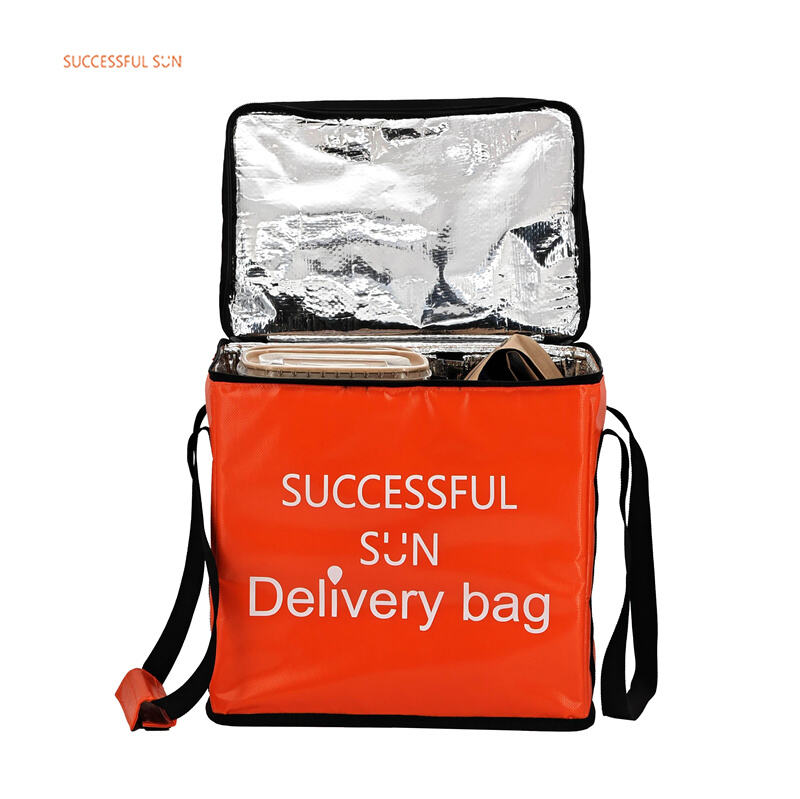
Modern consumers increasingly demand versatile storage solutions that maintain optimal temperatures for food and beverages during travel, outdoor activities, and daily use. A thermal bag represents an essential investment for anyone seeking reliable temperature control, whether preserving fresh groceries during shopping trips or keeping lunch items cool during work commutes. These innovative containers utilize advanced insulation technology to create an effective barrier against external temperature fluctuations, ensuring contents remain at desired temperatures for extended periods. The growing popularity of thermal bag solutions reflects consumers' recognition of their practical benefits across numerous applications, from family picnics to professional catering services.
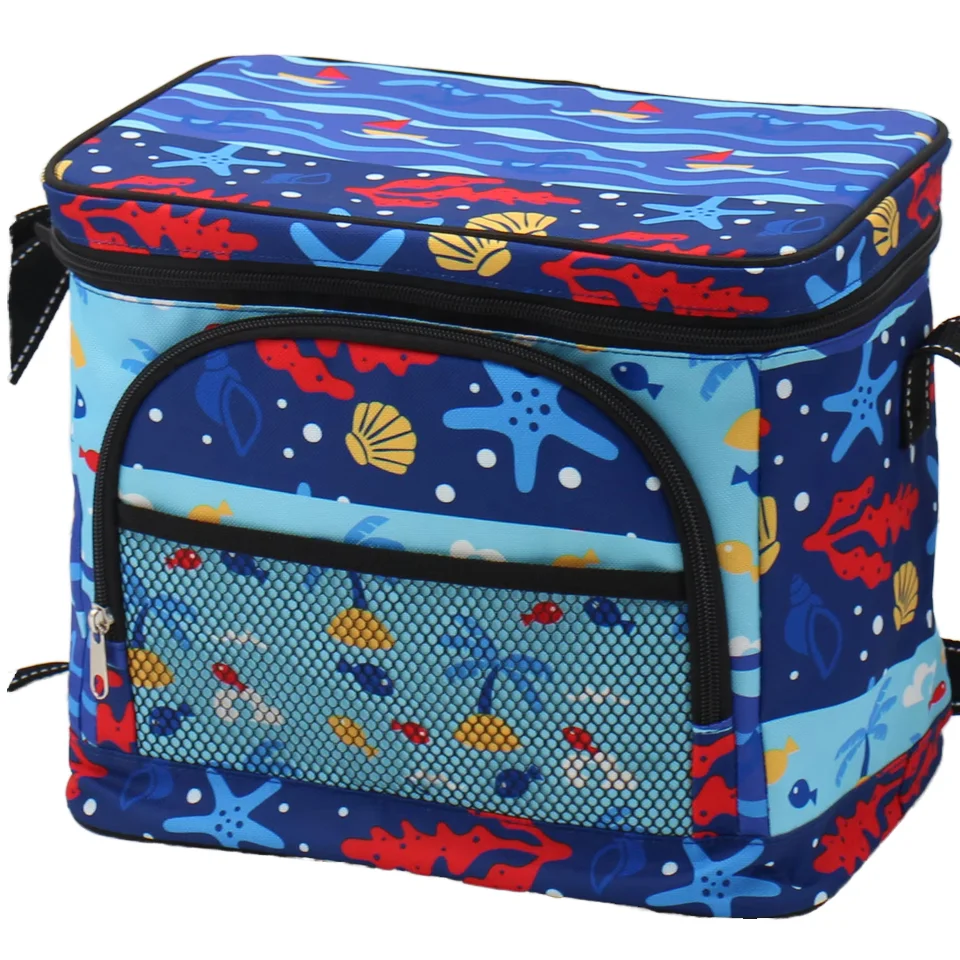
Understanding Thermal Bag Technology and Construction
Advanced Insulation Materials and Design
Contemporary thermal bag construction incorporates multiple layers of specialized materials designed to maximize temperature retention efficiency. The outer shell typically features durable fabrics like polyester or nylon that resist wear, moisture, and UV damage during extended outdoor use. Between the exterior and interior surfaces, manufacturers integrate high-performance insulation materials such as foam padding, reflective barriers, or advanced synthetic fills that create effective thermal barriers. The interior lining often utilizes food-grade materials like PEVA or aluminum foil that reflect heat while maintaining hygiene standards essential for food storage applications.
Premium thermal bag models incorporate additional design elements that enhance performance and user convenience. Reinforced seams prevent thermal bridging while ensuring structural integrity during heavy use. Specialized closures, including heavy-duty zippers and Velcro strips, create airtight seals that minimize temperature exchange with ambient air. Many designs feature external pockets for storing utensils, napkins, or ice packs, maximizing organizational efficiency without compromising insulation effectiveness.
Temperature Retention Performance Standards
Professional-grade thermal bag products undergo rigorous testing to establish temperature retention capabilities under various environmental conditions. Industry standards typically measure performance based on duration and degree of temperature maintenance, with quality models maintaining cold temperatures for 4-8 hours and warm temperatures for 2-4 hours under normal usage conditions. The effectiveness of any thermal bag depends on factors including initial content temperature, ambient environmental conditions, frequency of opening, and overall capacity utilization.
Understanding these performance parameters helps consumers select appropriate models for specific applications. Short-duration activities like lunch transport may require basic insulation capabilities, while extended camping trips or professional catering services demand premium thermal bag solutions with superior retention characteristics. Manufacturers often provide detailed performance specifications that guide purchasing decisions based on intended use cases and duration requirements.
Practical Applications for Travel and Transportation
Air Travel and Long-Distance Journeys
Air travel presents unique challenges for food and beverage storage, making a reliable thermal bag an invaluable travel companion. Airport security regulations permit insulated containers, allowing travelers to bring temperature-sensitive items through screening processes without compromising quality or safety. During extended flights, especially international routes, having access to preferred foods and beverages enhances comfort while potentially reducing costs associated with airline catering services. The compact design of modern thermal bag options ensures compatibility with carry-on luggage restrictions while providing adequate storage capacity.
Road trip enthusiasts particularly benefit from thermal bag solutions during long-distance automotive travel. Strategic packing with appropriate ice packs or heating elements allows travelers to maintain meal schedules without relying exclusively on roadside dining options. This approach proves especially valuable for families with dietary restrictions, health-conscious individuals, or budget-conscious travelers seeking to minimize food expenses during extended journeys. The ability to preserve perishable items safely extends travel flexibility and reduces dependency on uncertain food availability at destinations.
Daily Commuting and Work Applications
Professional environments increasingly recognize the benefits of thermal bag usage for employee wellness and productivity enhancement. Workers who bring home-prepared meals enjoy significant cost savings compared to purchasing restaurant or cafeteria options daily. A quality thermal bag ensures meals remain at safe temperatures throughout the workday, preventing spoilage and maintaining food safety standards essential for health protection. This capability proves particularly important for individuals with specific dietary requirements or medical conditions requiring controlled nutrition intake.
Urban commuters utilizing public transportation systems find thermal bag solutions especially beneficial for protecting food items during variable travel conditions. Temperature fluctuations in subway systems, buses, or trains can compromise food quality without proper insulation. Compact thermal bag designs integrate seamlessly with briefcases, backpacks, or laptop bags, maintaining professional appearance while providing practical functionality. The versatility of modern designs accommodates various container sizes and shapes, from traditional lunch boxes to beverage bottles and snack containers.
Food Safety and Storage Benefits
Temperature Control for Perishable Items
Maintaining proper food temperatures represents a critical safety consideration that thermal bag technology addresses effectively. The USDA recommends keeping cold foods below 40°F and hot foods above 140°F to prevent bacterial growth that causes foodborne illnesses. Quality thermal bag products create controlled environments that maintain these safety thresholds for extended periods, protecting both fresh and prepared foods from dangerous temperature fluctuations. This capability proves essential for transporting dairy products, meats, seafood, and prepared meals that require consistent temperature control.
Professional food service operations rely heavily on thermal bag solutions to ensure compliance with health department regulations during delivery and catering services. These applications demand exceptional performance standards, as temperature violations can result in serious health consequences and regulatory penalties. Commercial-grade thermal bag models incorporate advanced monitoring capabilities and superior insulation performance to meet stringent professional requirements while maintaining operational efficiency.
Preservation of Food Quality and Freshness
Beyond safety considerations, thermal bag usage significantly impacts food quality preservation during storage and transport. Temperature fluctuations accelerate deterioration processes that affect taste, texture, nutritional content, and visual appeal of food items. Consistent temperature maintenance slows enzymatic reactions and oxidation processes that cause quality degradation, extending the usable life of perishable items. This preservation capability reduces food waste while ensuring optimal eating experiences regardless of storage duration.
Specialized thermal bag applications extend to pharmaceutical and medical supply transport, where temperature control requirements exceed typical food storage standards. Medications, vaccines, and biological samples require precise temperature maintenance to preserve effectiveness and safety. Medical-grade thermal bag solutions incorporate advanced temperature monitoring and extended retention capabilities that meet pharmaceutical industry standards for cold chain management during transport and temporary storage applications.
Environmental Impact and Sustainability Advantages
Reducing Single-Use Packaging and Waste
Widespread thermal bag adoption contributes significantly to environmental sustainability efforts by reducing dependency on disposable packaging and single-use containers. Traditional food transport often relies on styrofoam containers, plastic bags, and disposable ice packs that generate substantial waste streams requiring landfill disposal or energy-intensive recycling processes. Reusable thermal bag solutions eliminate these waste sources while providing superior performance and long-term cost effectiveness for consumers and businesses alike.
The manufacturing processes for quality thermal bag products increasingly incorporate recycled materials and sustainable production methods that minimize environmental impact. Many manufacturers utilize recycled polyester fabrics, eco-friendly insulation materials, and water-based coating processes that reduce chemical emissions and resource consumption. These sustainable approaches align with growing consumer demand for environmentally responsible products while maintaining the performance standards essential for effective thermal bag functionality.
Energy Efficiency and Carbon Footprint Reduction
Thermal bag usage directly contributes to energy conservation by reducing reliance on electrical refrigeration and heating systems for temporary food storage needs. Office refrigerators, vehicle cooling systems, and portable heating devices consume significant energy resources that thermal bag solutions can partially replace through passive temperature maintenance. This energy reduction translates to lower carbon emissions and reduced utility costs for individuals and organizations implementing comprehensive thermal bag strategies.
Transportation efficiency improvements represent another environmental benefit of thermal bag adoption in commercial applications. Delivery services and catering operations can optimize route planning and reduce fuel consumption by maintaining food temperatures without requiring refrigerated vehicles for short-distance deliveries. The flexibility of thermal bag solutions enables businesses to expand service areas and delivery timeframes while maintaining food safety standards, improving operational efficiency and reducing environmental impact through optimized logistics.
Selection Criteria and Features Comparison
Size and Capacity Considerations
Selecting the appropriate thermal bag requires careful consideration of intended usage patterns, typical load requirements, and storage constraints. Personal lunch applications typically require compact models with 6-12 liter capacity, while family picnics or group events may demand larger options ranging from 20-50 liters or more. Professional catering services often utilize multiple specialized thermal bag sizes to accommodate different food types and portion requirements efficiently. Understanding these capacity relationships helps consumers avoid over-purchasing expensive large-capacity models for limited applications or selecting inadequate sizes for demanding usage scenarios.
Shape and configuration options significantly impact thermal bag functionality for specific applications. Rectangular designs maximize packing efficiency for standard containers and food packaging, while cylindrical models accommodate bottles and round containers more effectively. Modular thermal bag systems allow users to combine multiple units for flexible capacity adjustment based on varying requirements. These design considerations directly influence temperature retention performance, as optimal packing density improves insulation effectiveness while reducing air space that compromises thermal efficiency.
Durability and Construction Quality Indicators
Professional-grade thermal bag construction incorporates reinforcement features that ensure longevity under demanding usage conditions. Heavy-duty zippers with waterproof coatings prevent closure failure while maintaining seal integrity essential for temperature control. Reinforced handles and shoulder straps distribute weight effectively during transport while resisting wear from frequent use. Interior lining materials should resist staining, odor absorption, and bacterial growth while maintaining food-safe properties throughout extended service life.
Quality thermal bag models feature warranty coverage and repair services that reflect manufacturer confidence in construction standards. Premium brands often provide multi-year warranties covering material defects and performance degradation, while offering replacement parts for common wear components like zippers and handles. These service commitments indicate superior construction quality and provide long-term value protection for thermal bag investments, particularly important for commercial applications requiring reliable performance under heavy use conditions.
Maintenance and Care Best Practices
Cleaning and Sanitization Procedures
Proper thermal bag maintenance requires regular cleaning protocols that preserve insulation performance while ensuring food safety standards. Interior surfaces should be cleaned after each use with mild soap solutions and thoroughly dried to prevent mold and bacteria growth that can compromise hygiene and create unpleasant odors. Harsh chemicals and abrasive cleaning methods can damage insulation materials and protective coatings, reducing thermal bag effectiveness and service life. Many manufacturers provide specific cleaning instructions that optimize maintenance efficiency while protecting product integrity.
Exterior cleaning focuses on removing dirt, stains, and environmental contaminants that accumulate during regular use. Most thermal bag fabrics tolerate gentle machine washing or hand cleaning with appropriate temperature settings and mild detergents. Air drying prevents heat damage to insulation materials while ensuring complete moisture removal that prevents bacterial growth. Regular maintenance schedules based on usage frequency help maintain thermal bag performance and appearance while extending functional service life significantly.
Storage and Long-Term Preservation
Optimal thermal bag storage between uses involves completely drying all surfaces and maintaining proper ventilation to prevent moisture accumulation that encourages mold growth. Loosely folded or hanging storage positions prevent compression damage to insulation materials while allowing air circulation around all surfaces. Avoiding extreme temperatures during storage preserves material flexibility and insulation properties that could be compromised by prolonged heat or cold exposure beyond design specifications.
Periodic inspection and maintenance procedures help identify potential issues before they compromise thermal bag performance. Checking zipper function, handle attachment points, and seam integrity during regular cleaning identifies repair needs that can extend service life significantly. Many common issues like minor zipper problems or loose stitching can be addressed through simple repairs that maintain thermal bag functionality while avoiding expensive replacement costs. Professional repair services for premium thermal bag models provide expert restoration that maintains original performance specifications.
FAQ
How long can a thermal bag keep food cold or hot?
A quality thermal bag typically maintains cold temperatures for 4-8 hours and hot temperatures for 2-4 hours under normal conditions. Performance varies based on external temperature, initial food temperature, bag quality, and frequency of opening. Using ice packs or heating elements can extend these timeframes significantly. Premium models with superior insulation may achieve longer duration performance, especially when properly packed and sealed.
What size thermal bag should I choose for different activities?
Personal lunch needs typically require 6-12 liter capacity thermal bag options, while family outings benefit from 20-30 liter models. Large group events or camping trips may require 40+ liter capacity units. Consider your typical food quantities, container sizes, and transport requirements when selecting capacity. Multiple smaller thermal bag units often provide more flexibility than single large models for varied usage scenarios.
Can thermal bags be used for both hot and cold items?
Yes, most thermal bag products work effectively for both heating and cooling applications using the same insulation principles. The key difference lies in the heating or cooling source used - ice packs for cold storage or heating pads for warm storage. However, avoid mixing hot and cold items in the same thermal bag compartment, as this reduces overall temperature retention effectiveness for both applications.
Are thermal bags safe for food storage and transport?
Quality thermal bag products with food-grade interior linings are completely safe for food storage when used properly. Look for FDA-approved materials like PEVA linings that resist bacterial growth and maintain hygiene standards. Regular cleaning and proper temperature maintenance ensure food safety throughout transport and storage. Always follow food safety guidelines regarding maximum storage times and temperature thresholds regardless of thermal bag quality.