
 EN
EN



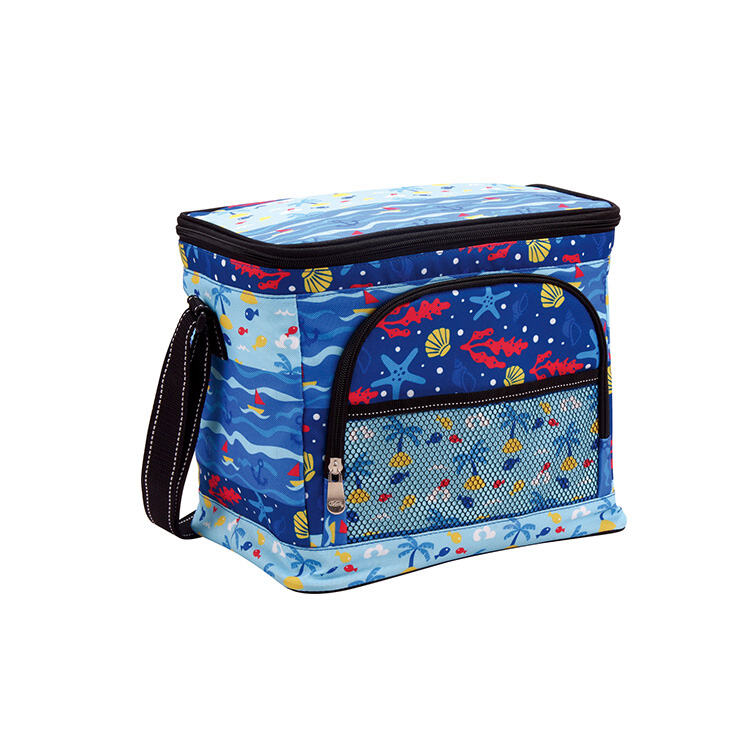
Food safety and temperature control have become increasingly important considerations for modern consumers who value quality and convenience. Whether planning outdoor adventures, organizing family gatherings, or managing daily meal transportation, maintaining proper food temperatures remains a critical concern. An insulated cooler bag provides the perfect solution for these challenges, offering superior temperature retention capabilities that keep perishables fresh and beverages at optimal serving temperatures for extended periods.
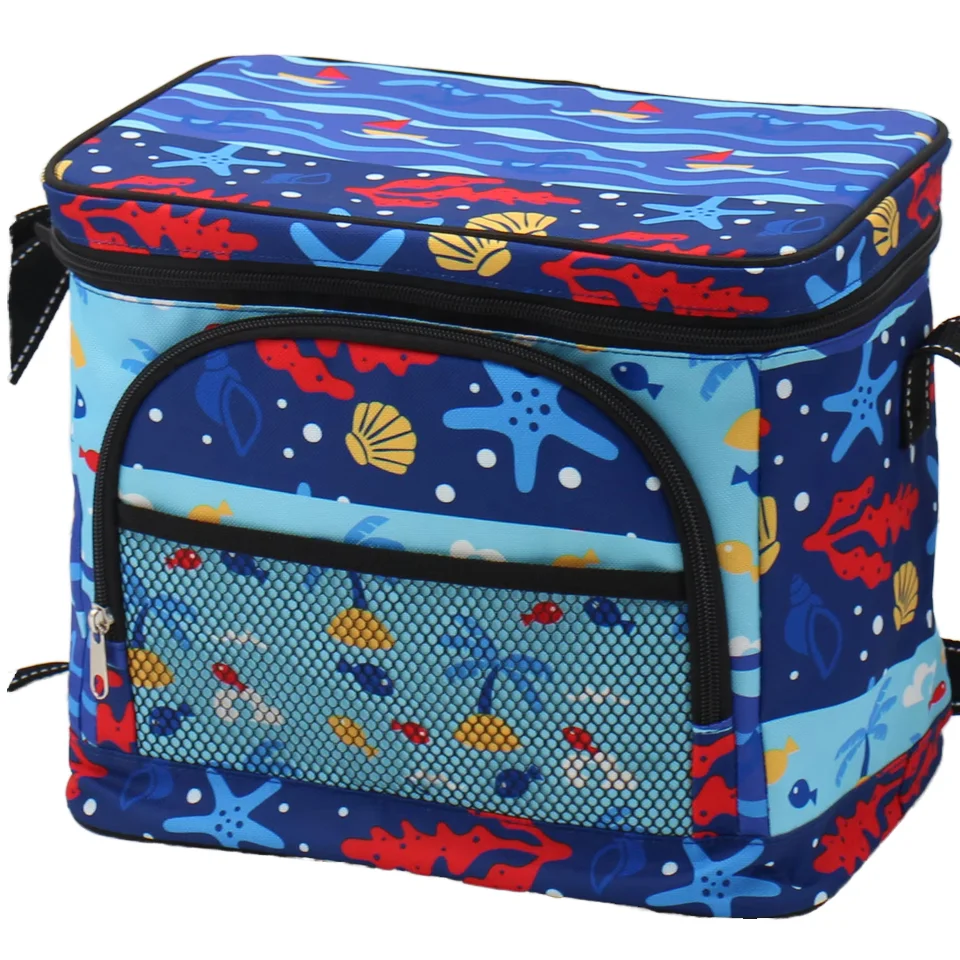
The versatility of these portable cooling solutions makes them indispensable for various scenarios, from beach trips and camping excursions to office lunches and grocery shopping. Unlike traditional hard-shell coolers, soft-sided insulated bags offer remarkable portability while maintaining exceptional thermal performance. Their lightweight construction and flexible design make storage convenient when not in use, while their insulation technology rivals that of much larger cooling systems.
Advanced Insulation Technology and Materials
Multi-Layer Thermal Protection Systems
Modern insulated cooler bag designs incorporate sophisticated multi-layer insulation systems that significantly outperform basic single-layer alternatives. These advanced constructions typically feature high-density foam cores sandwiched between reflective barrier materials, creating multiple thermal boundaries that effectively block heat transfer. The outer shells often utilize durable polyester or nylon fabrics treated with water-resistant coatings, ensuring longevity and protection against environmental elements.
The interior linings of premium models frequently employ food-grade PEVA materials or antimicrobial treatments that prevent bacterial growth and facilitate easy cleaning. These specialized materials maintain their insulating properties even after repeated use and washing cycles, ensuring consistent performance over the product's lifespan. Some manufacturers integrate additional features like leak-proof seams and reinforced stress points to enhance durability and reliability during transport.
Thermal Retention Performance Metrics
Quality insulated cooler bags can maintain internal temperatures for impressive durations, with many models keeping ice frozen for 12 to 24 hours under normal conditions. Temperature retention capabilities depend on factors including ambient conditions, initial product temperatures, and frequency of opening. Professional-grade models often achieve temperature differentials of 40 degrees Fahrenheit or more between internal and external environments.
Testing standards for thermal performance typically involve measuring temperature stability over specific time periods while maintaining consistent external conditions. The most effective designs minimize thermal bridging through careful construction techniques and material selection. These performance characteristics make an insulated cooler bag suitable for both short-term transport and extended outdoor activities requiring reliable temperature control.
Versatile Applications and Use Cases
Outdoor Recreation and Adventure Activities
Outdoor enthusiasts rely heavily on insulated cooler bags for camping trips, hiking expeditions, and beach outings where access to refrigeration remains unavailable. These portable cooling solutions enable adventurers to carry fresh food supplies, cold beverages, and temperature-sensitive medications safely during multi-day excursions. The lightweight nature of soft-sided designs makes them particularly suitable for backpacking scenarios where weight considerations are paramount.
Fishing enthusiasts appreciate the dual functionality of keeping caught fish fresh while also storing cold drinks and snacks during long fishing sessions. Many models feature external pockets for dry storage of fishing gear, making them comprehensive solutions for extended outdoor activities. The waterproof construction typical of quality insulated cooler bags provides additional protection against moisture from ice melt or external water sources.
Daily Life Convenience and Meal Management
Working professionals increasingly depend on insulated cooler bags for transporting healthy homemade meals to offices, construction sites, or remote work locations. These solutions enable better nutrition management while reducing reliance on expensive restaurant meals or unhealthy fast-food options. The professional appearance of many designs makes them suitable for corporate environments without compromising functionality.
Parents find insulated cooler bags invaluable for school lunches, sports activities, and family day trips where maintaining food safety is crucial. The ability to keep dairy products, sandwiches, and fruits at safe temperatures prevents spoilage and reduces health risks associated with temperature abuse. Many family-oriented models include multiple compartments that help organize different food types and prevent cross-contamination.
Size Options and Capacity Considerations
Compact Personal Models
Individual-sized insulated cooler bags typically accommodate 6 to 12 cans plus ice, making them perfect for personal use during commutes, short outings, or individual meal transport. These compact designs often feature single-compartment layouts with simple zipper closures, prioritizing portability and ease of use over complex organization systems. Despite their small size, quality personal models still deliver impressive temperature retention capabilities.
Many compact insulated cooler bag options include adjustable shoulder straps or carrying handles designed for comfort during extended transport. Some manufacturers offer specialized shapes optimized for specific uses, such as wine carriers or lunch boxes with built-in utensil storage. The reduced footprint of these models makes them ideal for crowded transportation environments or limited storage situations.
Family and Group-Sized Solutions
Larger insulated cooler bags designed for families or groups typically offer capacities ranging from 24 to 48 cans, accommodating substantial food and beverage requirements for extended outings. These models often incorporate multiple compartments, including separate sections for frozen items, fresh produce, and dry goods. Advanced organization features help users maintain proper food separation and optimize cooling efficiency.
Heavy-duty construction becomes increasingly important in larger models due to increased weight loads and more frequent handling. Reinforced carrying systems, including padded straps and ergonomic handles, ensure comfortable transport even when fully loaded. Some large-capacity designs include wheels and telescoping handles for easier mobility, combining the convenience of wheeled luggage with insulated cooling capabilities.
Maintenance and Care Guidelines
Proper Cleaning Procedures
Regular maintenance of an insulated cooler bag ensures optimal performance and extends product lifespan significantly. After each use, thoroughly clean interior surfaces with mild soap solutions to remove food residues and prevent odor development. Pay particular attention to corners and seams where debris tends to accumulate, as these areas can harbor bacteria if not properly cleaned.
Allow complete air drying before storage to prevent mold and mildew growth within the insulated walls. Some models feature removable liners that facilitate thorough cleaning and replacement when necessary. Avoid harsh chemicals or abrasive cleaners that might damage insulation materials or compromise food-safe interior surfaces.
Storage and Longevity Tips
Proper storage techniques significantly impact the durability and performance of insulated cooler bags over time. Store units in cool, dry locations away from direct sunlight to prevent material degradation and maintain insulation effectiveness. Avoid folding or compressing bags when storing, as this can damage internal insulation layers and create permanent creases that reduce thermal efficiency.
Regular inspection of zippers, seams, and handles helps identify wear patterns before they become serious problems. Address minor repairs promptly to prevent small issues from developing into major failures that compromise the entire cooling system. Quality insulated cooler bags with proper care can provide years of reliable service across countless applications.
Environmental Benefits and Sustainability
Reducing Single-Use Packaging Waste
Choosing reusable insulated cooler bags over disposable alternatives significantly reduces environmental impact through decreased packaging waste generation. A single quality bag can replace hundreds of disposable coolers, foam containers, and plastic bags over its useful lifetime. This reduction in single-use items helps decrease landfill burden and reduces demand for virgin packaging materials.
Many manufacturers now incorporate recycled materials into insulated cooler bag construction, further enhancing environmental benefits. These sustainable design approaches often maintain or exceed performance standards while reducing resource consumption during manufacturing. Consumers can support circular economy principles by selecting products designed for durability and eventual recyclability.
Energy Efficiency and Carbon Footprint
Portable insulated cooling eliminates the need for plug-in electric coolers in many situations, reducing energy consumption and associated carbon emissions. This benefit becomes particularly significant during outdoor activities where generator use would otherwise be required for electric cooling equipment. The passive cooling approach of insulated bags aligns with sustainable lifestyle choices and off-grid living preferences.
Transportation efficiency improves when using lightweight insulated cooler bags instead of heavy traditional coolers, reducing fuel consumption during travel. The space-saving characteristics when empty also optimize vehicle loading efficiency, allowing for more sustainable trip planning and reduced transportation impacts.
Cost-Effectiveness and Value Proposition
Long-Term Investment Benefits
While quality insulated cooler bags require higher initial investments compared to basic alternatives, their durability and performance characteristics provide excellent long-term value. Professional-grade models often last several years with regular use, making their cost per use extremely competitive with disposable options. The versatility of these products across multiple applications further enhances their value proposition.
Reduced food spoilage represents a significant hidden benefit of effective temperature control during transport and storage. An insulated cooler bag prevents costly food waste by maintaining safe temperatures that preserve freshness and extend usable life. This protection is particularly valuable for premium ingredients, specialty foods, and medications requiring specific temperature ranges.
Comparative Analysis with Alternative Solutions
Hard-shell coolers typically offer superior insulation performance but lack the portability and storage convenience of soft-sided alternatives. Electric coolers provide consistent temperature control but require power sources and have higher operating costs. Disposable options minimize upfront costs but generate ongoing expenses and environmental impacts that accumulate over time.
The flexibility of insulated cooler bags to serve multiple roles makes them more cost-effective than specialized single-purpose solutions. Their ability to function as lunch bags, grocery totes, picnic carriers, and emergency food storage containers maximizes utility across diverse situations and seasons throughout the year.
FAQ
How long can an insulated cooler bag keep food cold?
A quality insulated cooler bag can maintain cold temperatures for 4 to 24 hours depending on external conditions, initial food temperatures, and bag quality. Pre-chilling the bag and using frozen gel packs or ice significantly extends cooling duration. Premium models with thick insulation walls and minimal thermal bridging achieve the longest temperature retention periods under normal use conditions.
Are insulated cooler bags safe for storing different types of food?
Yes, insulated cooler bags with food-grade interior linings are safe for storing various food types including meats, dairy products, fruits, and vegetables. Proper organization using separate containers prevents cross-contamination between raw and cooked foods. Many models feature antimicrobial treatments that inhibit bacterial growth and maintain hygienic conditions during transport.
Can I put hot food in an insulated cooler bag?
Most insulated cooler bags can safely contain hot foods, though this reduces their cooling capacity for other items. The same insulation properties that keep contents cold also help retain heat effectively. However, mixing hot and cold items in the same bag compromises temperature control for both food types and may create food safety concerns.
What size insulated cooler bag should I choose for my needs?
Size selection depends on typical group size and intended applications. Personal lunch bags typically hold 6-12 cans, while family models accommodate 24-48 cans plus additional food items. Consider frequency of use, available storage space, and transportation methods when selecting capacity. Larger bags offer more versatility but require more storage space when empty and become heavier when fully loaded.