
 EN
EN



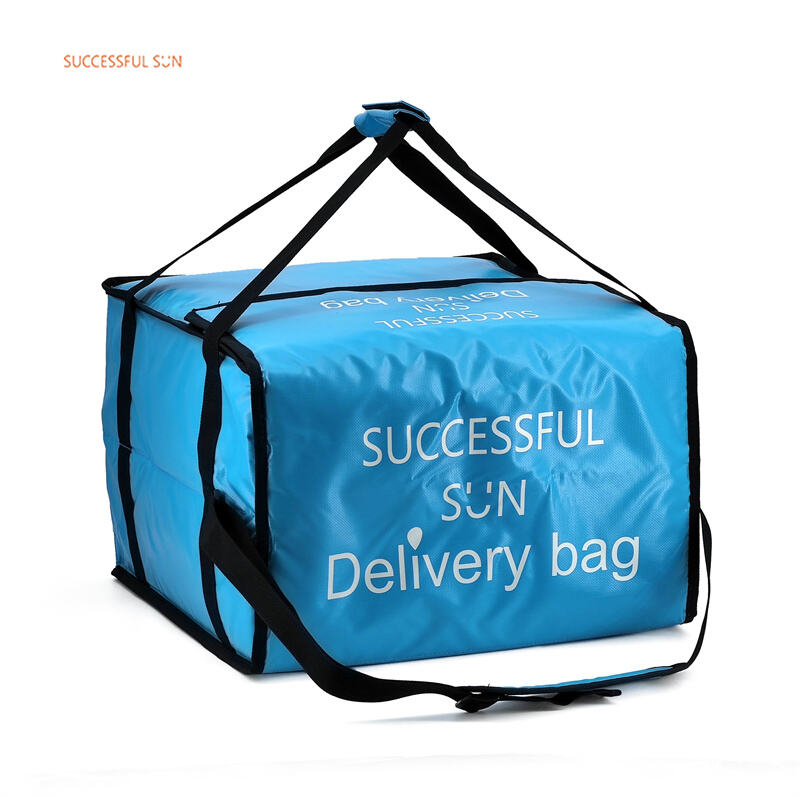
Selecting the right thermal backpack for food delivery services requires careful consideration of multiple factors that directly impact operational efficiency and customer satisfaction. Professional delivery drivers and food service businesses must evaluate insulation performance, durability, capacity, and ergonomic design when choosing equipment that will maintain food temperatures during transport. The thermal backpack market offers numerous options ranging from basic models to advanced commercial-grade solutions specifically engineered for demanding delivery environments. Understanding these key selection criteria ensures optimal investment in equipment that enhances service quality while reducing operational costs associated with temperature-related food safety issues.
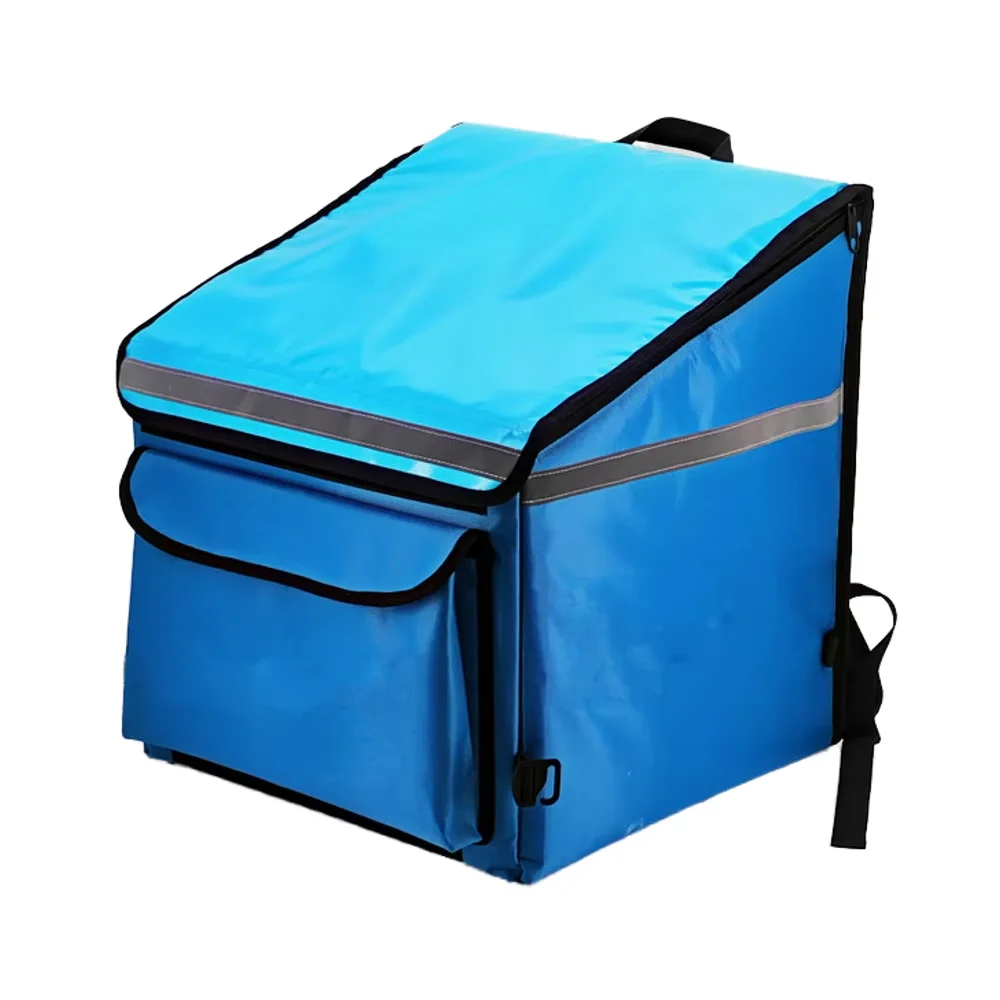
Essential Features of Professional Delivery Thermal Backpacks
Advanced Insulation Technology
Modern thermal backpack designs incorporate multi-layer insulation systems that significantly outperform traditional single-wall construction methods. High-performance models utilize closed-cell foam insulation combined with reflective barrier materials that create thermal chambers capable of maintaining temperature differentials for extended periods. The most effective insulation configurations feature EPE foam or similar materials with thickness ranging from 8mm to 15mm, providing superior temperature retention for both hot and cold food items. Professional-grade thermal backpacks often include removable insulation panels that allow customization based on specific delivery requirements and seasonal temperature variations.
Commercial delivery applications benefit from thermal backpacks featuring reinforced insulation joints and seamless construction techniques that eliminate thermal bridging. These advanced manufacturing approaches ensure consistent temperature maintenance throughout the entire storage compartment while preventing condensation buildup that can compromise food quality. The thermal efficiency of professional models typically maintains temperature ranges within acceptable food safety parameters for 4-6 hours under normal operating conditions, making them ideal for extended delivery routes and high-volume service operations.
Capacity and Configuration Options
Delivery professionals require thermal backpacks with flexible capacity configurations that accommodate varying order sizes and container types commonly used in food service operations. Standard commercial models range from 35-liter to 65-liter internal volumes, with modular divider systems that allow compartmentalization of different food categories or temperature requirements. The optimal thermal backpack design includes adjustable shelving or partition systems that prevent food containers from shifting during transport while maximizing space utilization efficiency.
Professional delivery services often benefit from thermal backpacks featuring dual-zone temperature control capabilities that separate hot and cold items within the same carrying system. These sophisticated designs incorporate independent insulation chambers with dedicated access points that minimize temperature cross-contamination during frequent loading and unloading cycles. The most versatile models accommodate standard delivery containers including pizza boxes, beverage carriers, and various takeout packaging formats without compromising thermal performance or structural integrity.
Durability and Construction Standards for Commercial Use
Material Selection and Weather Resistance
Commercial-grade thermal backpack construction requires materials capable of withstanding harsh environmental conditions and frequent use cycles typical in professional delivery operations. High-performance models utilize heavy-duty nylon or polyester exterior fabrics with water-resistant coatings that protect contents from moisture infiltration during adverse weather conditions. The exterior material selection directly impacts longevity, with 600D to 1000D fabric densities providing optimal balance between durability and weight considerations for extended carrying periods.
Professional thermal backpack designs incorporate reinforced stress points at handle attachment locations, zipper mounting areas, and bottom panel interfaces where wear typically occurs first. Quality construction features include double-stitched seams, reinforced corner panels, and heavy-duty hardware components that maintain structural integrity under repeated loading cycles. Weather-resistant properties extend beyond basic water repellency to include UV protection that prevents fabric degradation and color fading during extended outdoor exposure common in delivery applications.
Structural Engineering for Heavy-Duty Applications
The internal framework of professional thermal backpacks requires rigid support structures that maintain shape integrity while carrying substantial food loads throughout extended delivery periods. Advanced models incorporate semi-rigid or fully rigid internal frames constructed from lightweight aluminum or high-strength polymer materials that distribute weight evenly across the carrying system. This structural engineering approach prevents collapse under load while maintaining easy access to contents through wide-opening designs optimized for efficient loading and unloading operations.
Commercial thermal backpack designs often feature reinforced bottom panels with moisture-resistant properties that protect against spills and condensation accumulation during transport. The base construction typically includes drainage systems or easy-clean surfaces that facilitate sanitation maintenance required for food service applications. Professional-grade models incorporate removable or replaceable wear components at high-stress locations, extending operational lifespan and reducing long-term replacement costs for commercial users.
Ergonomic Design Considerations for Professional Drivers
Comfort and Load Distribution Systems
Ergonomic thermal backpack design significantly impacts driver comfort and operational efficiency during extended delivery shifts involving frequent walking and stair climbing. Professional models feature padded shoulder straps with width distributions that minimize pressure concentration while providing adequate load transfer to reduce fatigue during prolonged carrying periods. The optimal strap configuration includes adjustable chest and waist belts that create stable load distribution systems preventing shifting or bouncing during rapid movement or motorcycle transport applications.
Advanced ergonomic features include contoured back panels with ventilation channels that promote airflow circulation, reducing heat buildup and moisture accumulation during intensive delivery operations. The back panel design should accommodate various body types while maintaining thermal barrier integrity between the insulated compartment and carrier. Professional thermal backpack models often incorporate quick-release mechanisms that allow rapid removal for vehicle loading or customer handoff situations without compromising strap adjustments or comfort settings.
Accessibility and Loading Efficiency
Efficient thermal backpack designs prioritize easy access to contents through wide-opening configurations that minimize loading time and reduce risk of temperature loss during packing operations. Professional models feature dual-zipper systems or roll-top closures that provide maximum opening apertures while maintaining secure sealing capabilities during transport. The access design should accommodate gloved hands and allow single-handed operation when necessary for operational efficiency in various weather conditions.
Commercial delivery applications benefit from thermal backpack configurations that include external organizational pockets for delivery accessories, documentation, and personal items required during service operations. These additional storage features should maintain separation from the thermal compartment while providing secure retention during active transport. Professional designs often incorporate reflective marking systems or bright color schemes that enhance visibility and safety during low-light delivery conditions commonly encountered in evening and early morning service periods.
Temperature Performance and Food Safety Standards
Thermal Retention Capabilities
Professional thermal backpack performance evaluation requires understanding temperature maintenance capabilities across various ambient conditions and load configurations typical in commercial delivery operations. High-performance models maintain internal temperatures within food safety guidelines for minimum 4-hour periods under standard testing conditions, with superior designs extending retention periods to 6-8 hours depending on initial food temperatures and external environmental factors. The thermal performance directly correlates with insulation thickness, material quality, and construction techniques employed in manufacturing processes.
Commercial food delivery applications require thermal backpacks capable of maintaining hot foods above 140°F (60°C) and cold items below 40°F (4°C) throughout typical delivery timeframes. Professional testing protocols evaluate performance under varying ambient temperatures ranging from extreme cold to hot summer conditions commonly encountered in delivery operations. The most effective thermal backpack designs incorporate thermal mass enhancement features such as gel packs or phase-change materials that extend temperature maintenance periods beyond passive insulation capabilities alone.
Food Safety Compliance and Sanitation
Regulatory compliance requirements for food delivery operations necessitate thermal backpack designs that support proper sanitation protocols and temperature monitoring capabilities. Professional models feature interior surfaces constructed from food-grade materials that resist bacterial growth and allow thorough cleaning between uses. The interior construction should include removable liner systems or smooth surfaces that facilitate sanitization procedures required by health department regulations governing commercial food transport operations.
Advanced thermal backpack designs accommodate temperature monitoring equipment including digital thermometers or data logging devices that provide documentation of temperature maintenance throughout delivery cycles. This monitoring capability supports HACCP compliance requirements and provides verification of proper food safety protocols during transport operations. Professional-grade models often include designated mounting locations for monitoring equipment that maintain accuracy while protecting sensitive electronics from impact damage during regular handling and transport activities.
Cost-Effectiveness and Return on Investment Analysis
Initial Investment Considerations
Professional thermal backpack selection requires careful evaluation of initial purchase costs against expected operational lifespan and performance benefits realized through improved service quality. Commercial-grade models typically range from moderate to premium pricing tiers, with investment levels correlating directly to construction quality, thermal performance, and expected durability under intensive use conditions. The optimal selection balances upfront costs with operational benefits including reduced food waste, improved customer satisfaction, and extended equipment lifespan that minimizes replacement frequency.
Budget analysis for thermal backpack procurement should include consideration of operational cost savings achieved through improved temperature maintenance that reduces food safety risks and customer complaints. Professional models that maintain superior thermal performance often justify higher initial investments through reduced product loss rates and enhanced reputation benefits that support business growth objectives. Fleet purchases typically benefit from volume pricing structures and should factor standardization benefits that simplify training, maintenance, and replacement procedures across delivery operations.
Long-Term Operational Benefits
Commercial delivery operations utilizing high-quality thermal backpack systems realize measurable returns through improved operational efficiency and reduced liability exposure associated with food safety incidents. Professional-grade equipment reduces delivery times through efficient loading configurations and ergonomic designs that minimize driver fatigue during extended shifts. The thermal performance consistency of quality models supports service reliability that enhances customer retention and supports premium pricing strategies for delivery services.
Extended equipment lifespan achieved through durable construction reduces replacement costs and maintains consistent service quality over multi-year operational periods. Professional thermal backpack investments typically amortize over 2-3 years of intensive commercial use, with superior models providing 4-5 years of reliable service under proper maintenance protocols. The operational consistency and reliability of quality equipment supports business scaling objectives by providing standardized performance across expanding delivery territories and increased service volumes.
Maintenance and Care Requirements for Extended Lifespan
Regular Cleaning and Sanitation Protocols
Proper maintenance of thermal backpack systems requires establishment of regular cleaning schedules that support food safety requirements while preserving insulation integrity and structural components. Professional cleaning protocols involve daily interior sanitization using approved food-service cleaners that eliminate bacterial contamination without degrading insulation materials or interior surface treatments. The cleaning procedures should address both visible soiling and odor absorption that can occur during repeated food transport cycles in commercial delivery operations.
Deep cleaning procedures for thermal backpack maintenance include periodic inspection and cleaning of zipper systems, ventilation components, and structural elements that accumulate debris during regular use. Professional maintenance schedules typically incorporate weekly comprehensive cleaning that includes exterior surface treatment and hardware lubrication to maintain smooth operation of access mechanisms. Proper drying procedures following cleaning prevent moisture retention that can compromise insulation performance and promote bacterial growth within thermal compartments.
Storage and Preventive Maintenance
Optimal thermal backpack storage practices during non-operational periods significantly impact equipment lifespan and maintain performance characteristics over extended service periods. Professional storage protocols require completely dry conditions with adequate ventilation to prevent moisture accumulation and odor development within insulated compartments. The storage configuration should maintain proper shape while avoiding compression of insulation materials that can permanently reduce thermal performance capabilities.
Preventive maintenance schedules for commercial thermal backpack operations include periodic inspection of structural components, hardware functionality, and insulation integrity to identify potential issues before failure occurs. Professional maintenance protocols document equipment condition through systematic inspection checklists that track wear patterns and performance degradation over time. This documentation supports optimal replacement timing decisions and helps identify operational factors that may accelerate equipment wear in specific delivery environments or usage patterns.
FAQ
What size thermal backpack works best for food delivery services
The optimal thermal backpack size for delivery services typically ranges from 45-60 liters internal capacity, accommodating 8-12 standard takeout containers or 4-6 pizza boxes depending on order configuration. Commercial operations benefit from modular sizing options that allow capacity adjustment based on route demands and peak service periods. The size selection should balance carrying capacity with ergonomic considerations and vehicle storage constraints common in delivery fleet operations.
How long can a quality thermal backpack maintain food temperatures
Professional-grade thermal backpack systems maintain food safety temperatures for 4-6 hours under normal ambient conditions, with premium models extending performance to 8 hours when properly preloaded with thermal mass enhancement materials. Performance duration varies based on initial food temperatures, external weather conditions, and frequency of access during delivery cycles. Commercial applications typically plan route timing within 4-hour windows to ensure consistent food safety compliance throughout service operations.
What maintenance schedule keeps thermal backpacks performing optimally
Effective thermal backpack maintenance requires daily interior cleaning and sanitization following food safety protocols, weekly comprehensive cleaning including exterior surfaces and hardware components, and monthly deep inspection of insulation integrity and structural elements. Professional maintenance schedules document cleaning procedures and track equipment condition to optimize replacement timing and identify operational improvements. Proper maintenance typically extends equipment lifespan to 3-5 years in commercial delivery applications.
Which features matter most for professional delivery drivers
Essential features for professional drivers include ergonomic strap systems with load distribution capabilities, wide-opening access for efficient loading, weather-resistant construction materials, and consistent thermal performance across varying ambient conditions. Professional models should incorporate quick-release mechanisms for vehicle operations and external storage for delivery accessories and documentation. The feature prioritization depends on specific delivery environments, route characteristics, and service volume requirements of individual operations.
Table of Contents
- Essential Features of Professional Delivery Thermal Backpacks
- Durability and Construction Standards for Commercial Use
- Ergonomic Design Considerations for Professional Drivers
- Temperature Performance and Food Safety Standards
- Cost-Effectiveness and Return on Investment Analysis
- Maintenance and Care Requirements for Extended Lifespan
- FAQ