
 EN
EN



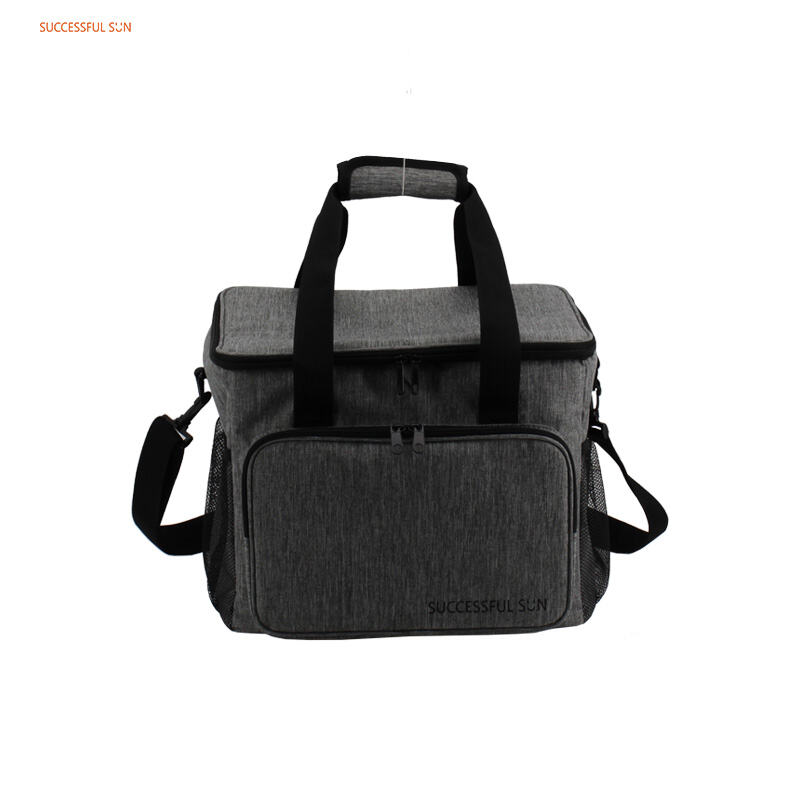
Modern professionals and students face countless challenges when it comes to maintaining healthy eating habits throughout busy days. The solution lies in choosing the right food storage companion that keeps meals fresh, safe, and enjoyable. An insulated lunch bag represents the perfect intersection of practicality, convenience, and food safety for anyone committed to bringing quality meals wherever their day takes them. These innovative containers have revolutionized how people approach portable dining, offering temperature control that preserves both hot and cold foods for extended periods.
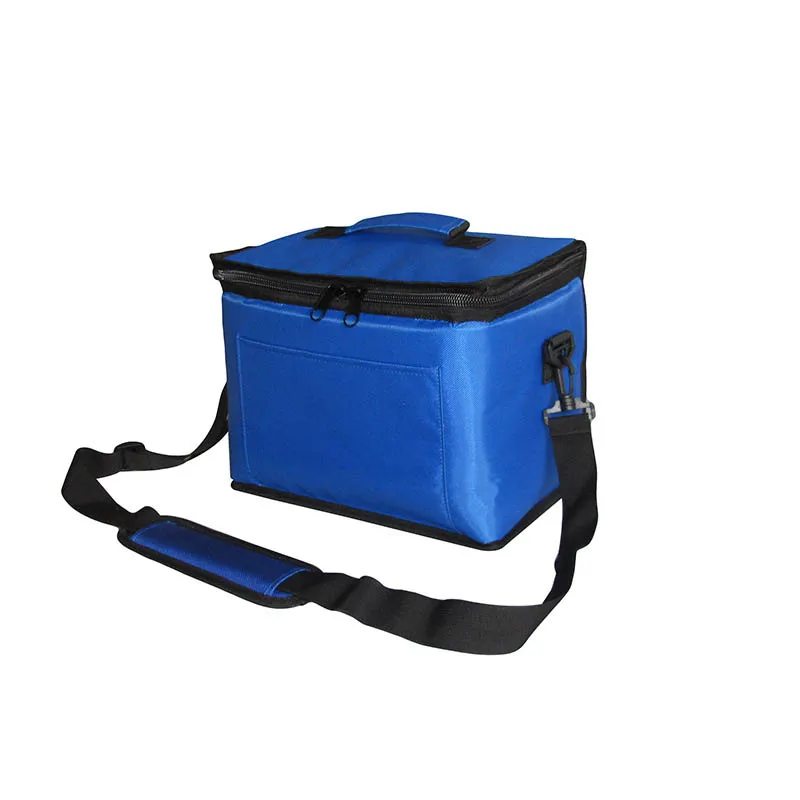
Temperature Control Technology and Food Safety
Advanced Insulation Materials
The foundation of any effective insulated lunch bag lies in its construction materials and thermal retention capabilities. Premium models utilize multi-layer insulation systems that combine reflective barriers with dense foam padding to create an optimal microenvironment for food storage. These materials work synergistically to maintain internal temperatures for hours, preventing bacterial growth that occurs when perishable foods enter the danger zone between 40°F and 140°F. The science behind thermal insulation ensures that cold foods remain refreshingly cool while hot meals stay warm and appetizing.
Modern insulation technology has evolved beyond simple foam padding to incorporate advanced materials like closed-cell foam, aluminum foil linings, and even vacuum-sealed chambers in premium models. Each component serves a specific purpose in creating barriers against external temperature fluctuations. The result is a portable storage system that rivals commercial refrigeration in its ability to preserve food quality and safety standards throughout extended periods away from home.
Food Safety Standards and Health Benefits
Maintaining proper food temperatures directly correlates with preventing foodborne illnesses and preserving nutritional content. An insulated lunch bag creates a controlled environment that inhibits bacterial multiplication, protecting families from potential health risks associated with improperly stored perishables. This temperature control becomes particularly crucial for dairy products, meats, and prepared foods that require consistent cooling to remain safe for consumption.
Beyond safety considerations, proper temperature maintenance preserves the texture, flavor, and nutritional value of packed meals. Vegetables retain their crispness, fruits maintain their natural sweetness, and prepared dishes arrive at their destination with the same quality as when first packed. This preservation capability encourages healthier eating habits by making home-prepared meals more appealing alternatives to processed convenience foods.
Versatility and Practical Applications
Multi-Purpose Design Features
Contemporary insulated lunch bag designs accommodate diverse storage needs through thoughtful compartmentalization and flexible sizing options. Many models feature separate sections for different food categories, preventing flavor transfer while maximizing storage efficiency. External pockets provide convenient access to utensils, napkins, and condiments, while adjustable straps and handles offer comfortable transportation options for various carrying preferences.
The adaptability of these containers extends beyond simple food storage to accommodate beverages, ice packs, and even medication that requires temperature control. This versatility makes them valuable companions for outdoor activities, travel, workplace dining, and emergency preparedness. The ability to serve multiple functions within a single, compact package represents exceptional value for space-conscious individuals.
Professional and Educational Environments
Workplace wellness programs increasingly recognize the importance of supporting employees' healthy eating habits through proper food storage solutions. An insulated lunch bag enables professionals to maintain nutritious eating patterns despite demanding schedules, reducing reliance on expensive and often unhealthy restaurant meals. The convenience factor encourages consistent meal planning and preparation, supporting long-term health objectives.
Educational institutions benefit significantly from students using insulated lunch bag systems, as proper nutrition directly impacts cognitive performance and classroom behavior. Parents can prepare balanced meals knowing they will arrive fresh and appealing, encouraging children to consume healthier options throughout their school day. The economic benefits compound over time, as families reduce expenditures on cafeteria meals and convenience foods.
Economic and Environmental Impact
Cost-Effectiveness Analysis
The financial benefits of using an insulated lunch bag become apparent through reduced spending on restaurant meals, takeout orders, and convenience store purchases. A typical lunch purchased outside the home costs significantly more than equivalent home-prepared meals, with savings accumulating substantially over weeks and months. The initial investment in quality food storage equipment pays dividends through consistent daily savings and improved food utilization rates.
Reduced food waste represents another economic advantage, as proper temperature control prevents spoilage that often occurs with inadequate storage methods. Families can prepare larger quantities of meals, storing portions safely for future consumption without concerns about quality degradation. This batch preparation approach maximizes ingredient utilization while minimizing the time and energy required for daily meal preparation.
Environmental Sustainability Benefits
Choosing reusable insulated lunch bag solutions significantly reduces environmental impact compared to disposable packaging and single-use containers. Each reusable bag eliminates hundreds of plastic bags, aluminum foil sheets, and disposable containers from waste streams annually. This reduction contributes meaningfully to decreasing landfill accumulation and reducing demand for single-use packaging production.
The environmental benefits extend to reduced transportation emissions associated with frequent restaurant visits and food delivery services. Home meal preparation using an insulated lunch bag supports local food systems and reduces packaging waste associated with commercial food service. These collective environmental improvements align with growing consumer awareness about sustainable lifestyle choices and corporate responsibility initiatives.
Selection Criteria and Quality Features
Material Construction and Durability
Premium insulated lunch bag construction utilizes materials selected for longevity, easy maintenance, and optimal thermal performance. Exterior fabrics should resist tears, stains, and moisture while maintaining attractive appearance despite regular use. Interior linings require antimicrobial properties and easy cleaning capabilities to maintain hygienic food storage conditions over extended periods.
Zipper quality often determines overall product lifespan, as these components experience frequent operation under varying load conditions. Heavy-duty zippers with reinforced stitching ensure reliable closure and prevent thermal loss through gaps. Handle and strap construction similarly impacts user satisfaction, requiring materials and attachment methods that withstand regular loading and transportation stresses.
Size Optimization and Storage Capacity
Selecting appropriate size specifications requires careful consideration of typical meal portions, beverage requirements, and available storage space during transportation and workplace storage. Compact models suit individual users with modest appetites, while larger families benefit from expandable designs that accommodate varying daily requirements. The balance between capacity and portability determines practical usability across different scenarios and user demographics.
Internal organization features significantly impact storage efficiency and food accessibility. Divider systems prevent food mixing while maximizing space utilization, while mesh pockets provide visible storage for small items and accessories. These organizational elements transform simple storage containers into comprehensive meal management systems that support organized food preparation and consumption patterns.
FAQ
How long can an insulated lunch bag keep food at safe temperatures
Quality insulated lunch bag models typically maintain safe food temperatures for 4-6 hours when properly loaded with ice packs or pre-chilled contents. The duration depends on external temperature conditions, bag construction quality, and initial food temperatures. For optimal results, pre-chill the bag overnight and use frozen ice packs to extend temperature retention throughout the day.
What size insulated lunch bag works best for different family members
Adult professionals typically require 8-12 liter capacity bags to accommodate complete meals and beverages, while children need 4-6 liter models proportioned to smaller appetites. Consider expandable designs that adjust to varying daily requirements, and evaluate internal organization features that support different food types and portion sizes across family members.
How should I clean and maintain my insulated lunch bag
Regular cleaning involves wiping interior surfaces with mild soap solutions and allowing complete air drying to prevent odor and bacterial growth. Monthly deep cleaning with baking soda paste removes stubborn stains and neutralizes persistent odors. Avoid submerging the entire bag unless manufacturer specifications confirm water-resistance ratings, and store with slight opening to promote air circulation.
Can insulated lunch bag models accommodate both hot and cold foods simultaneously
Advanced insulated lunch bag designs with separate compartments can maintain different temperature zones simultaneously, though effectiveness depends on proper packing techniques and barrier materials. Use insulated containers within the bag for hot foods while maintaining cold items in direct contact with ice packs. This dual-temperature approach requires careful planning but enables complete meal transportation.