
 EN
EN



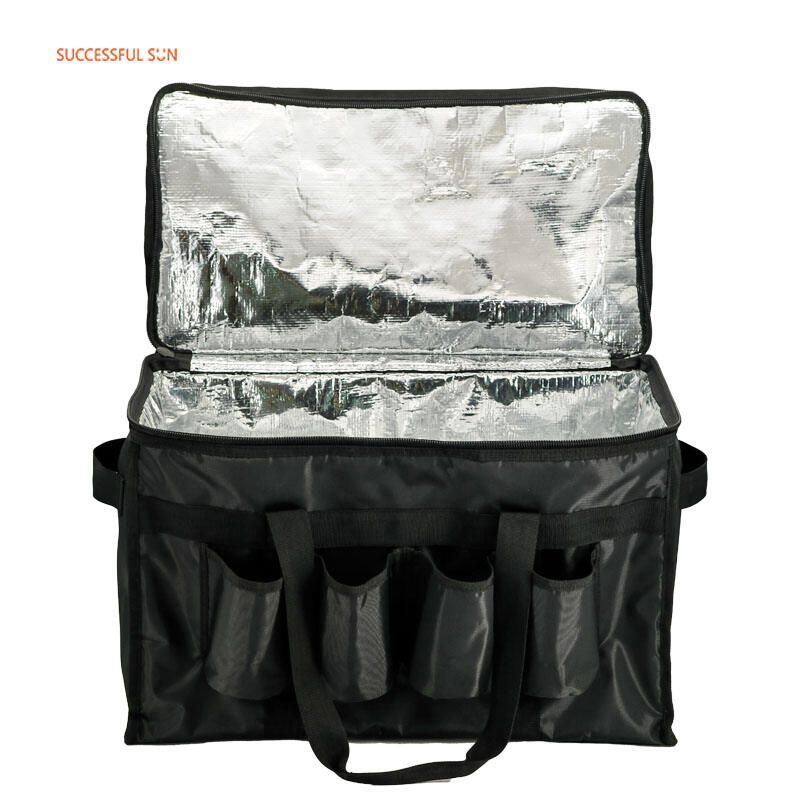
Selecting the right food delivery bag is crucial for maintaining food quality, ensuring customer satisfaction, and building a successful delivery business. Whether you're running a restaurant, working as a delivery driver, or managing a catering service, the perfect food delivery bag can make the difference between hot, fresh meals and disappointed customers. Understanding the key features, materials, and specifications will help you make an informed decision that meets your specific needs and budget requirements.
Essential Features of Quality Food Delivery Bags
Insulation Performance and Temperature Control
The primary function of any food delivery bag is maintaining optimal food temperatures during transport. High-quality insulation materials such as aluminum foil lining, EPE foam, or PEVA coating work together to create an effective thermal barrier. Professional-grade bags typically feature multiple insulation layers that can maintain hot foods above 140°F and cold items below 40°F for extended periods. This temperature control is essential for food safety compliance and customer satisfaction.
Advanced insulation technologies include reflective barriers that redirect heat back toward the food and closed-cell foam that prevents air circulation. The thickness of insulation materials directly correlates with thermal retention capabilities, with premium bags offering 8-10mm thick insulation layers. Understanding these specifications helps you choose bags that meet your delivery time requirements and food safety standards.
Size and Capacity Considerations
Proper sizing ensures maximum efficiency and prevents food damage during transport. Standard food delivery bags range from small 12-liter bags suitable for individual meals to large 60-liter bags designed for catering orders. Medium-sized bags around 35-45 liters offer the best versatility for most delivery applications, accommodating pizza boxes, takeout containers, and beverage bottles simultaneously.
Internal dimensions should accommodate your most common order sizes with minimal empty space, which reduces heat loss and prevents items from shifting during transport. Adjustable dividers and compartments allow you to customize the interior layout based on different order types. Consider bags with expandable sections or modular designs that adapt to varying order volumes throughout different service periods.
Material Quality and Durability Factors
Waterproof and Weather-Resistant Properties
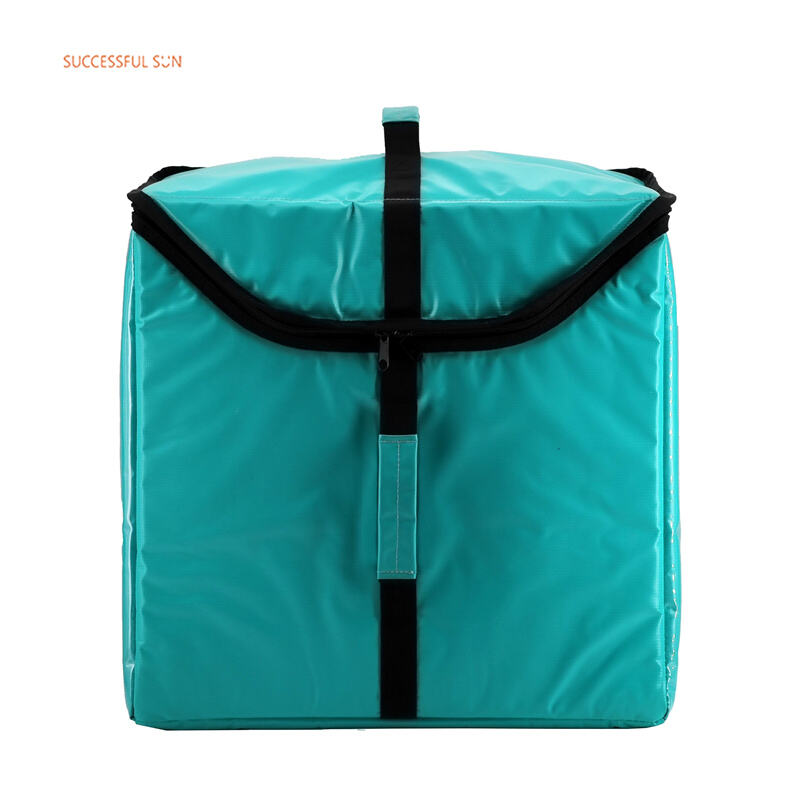
Weather protection is critical for maintaining food quality and bag longevity during outdoor deliveries. Premium food delivery bag options feature waterproof exteriors made from materials like 1000D polyester, PVC-coated fabrics, or marine-grade vinyl that resist rain, snow, and moisture penetration. These materials also provide easy cleaning capabilities, essential for maintaining hygiene standards in food service operations.
Sealed seams and waterproof zippers prevent moisture infiltration even during heavy rain conditions. The exterior fabric should resist tearing, abrasion, and UV damage from prolonged sun exposure. Quality manufacturers use reinforced stress points and double-stitched seams to ensure the bag maintains its weather-resistant properties throughout extended daily use.
Comfort and Ergonomic Design Elements
Delivery efficiency depends heavily on carrier comfort, especially during long shifts or multiple daily deliveries. Padded shoulder straps with adjustable lengths distribute weight evenly across the body, reducing strain and fatigue. Ergonomic back panels with breathable mesh materials prevent excessive sweating and provide cushioning against the carrier's back during extended wear periods.
Multiple carrying options including top handles, side grips, and detachable shoulder straps accommodate different transport scenarios. Some premium models feature chest and waist straps for additional stability during bicycle or motorcycle deliveries. The bag's overall weight when empty should remain minimal while maintaining structural integrity and insulation performance.
Practical Usage and Maintenance Requirements
Cleaning and Sanitization Protocols
Regular cleaning maintains hygiene standards and extends bag lifespan significantly. Food-grade interior linings should resist staining and odor absorption while allowing thorough sanitization with approved cleaning solutions. Removable liners or machine-washable components simplify the cleaning process and reduce maintenance time between delivery shifts.
Antimicrobial treatments on interior surfaces help prevent bacterial growth and maintain food safety compliance. The cleaning frequency depends on usage intensity, but daily sanitization is recommended for commercial food delivery operations. Choose bags with smooth interior surfaces that prevent food particle accumulation and allow complete residue removal during routine cleaning procedures.
Storage and Organization Solutions
Efficient organization systems improve delivery speed and prevent food damage during transport. Internal compartments, adjustable dividers, and specialized holders for drinks or sauce containers keep items secure and properly separated. External pockets provide storage for delivery accessories like napkins, utensils, receipts, and payment processing equipment.
Compression straps or elastic cords secure loose items and prevent shifting during vehicle movement. Some bags include dedicated spaces for heated gel packs or ice packs to enhance temperature control for specific food types. The organization system should allow quick loading and unloading while maintaining food presentation quality for customer satisfaction.
Cost-Effectiveness and Long-Term Value
Initial Investment Versus Durability Benefits
Quality food delivery bags represent a significant upfront investment but provide superior long-term value through extended lifespan and consistent performance. Premium bags typically cost 2-3 times more than basic models but often last 5-10 times longer under regular commercial use conditions. This durability translates to lower replacement costs and reduced operational disruptions from equipment failures.
Professional-grade construction materials and manufacturing processes ensure reliable daily performance even under demanding delivery schedules. Warranty coverage and manufacturer support services add additional value by providing protection against defects and premature wear issues. Calculate the total cost of ownership including replacement frequency, maintenance requirements, and performance reliability when comparing different bag options.
Brand Reputation and Customer Reviews
Established manufacturers with strong industry reputations typically offer superior product quality, customer support, and warranty services. Research customer reviews from actual delivery professionals to understand real-world performance characteristics and potential issues. Professional delivery services and restaurant chains often standardize on specific brands that have proven reliable under commercial use conditions.
Look for manufacturers who specialize in food service equipment and understand the unique requirements of delivery operations. Industry certifications, food safety compliance documentation, and professional endorsements indicate serious commitment to quality and performance standards. Avoid unknown brands or extremely low-priced options that may compromise food safety or operational reliability.
FAQ
What size food delivery bag works best for most restaurant deliveries
A medium-sized bag with 35-45 liter capacity handles most standard restaurant orders effectively. This size accommodates 2-3 large pizza boxes, multiple takeout containers, or family-sized meals while remaining manageable for carriers. Smaller 20-25 liter bags work well for individual meals and quick service restaurants, while larger 50+ liter bags suit catering operations and bulk orders.
How long should a quality food delivery bag maintain food temperatures
Professional-grade food delivery bags with proper insulation should maintain hot food temperatures above 140°F for 45-60 minutes and keep cold items below 40°F for similar periods. High-end models with advanced insulation systems can extend these timeframes to 90+ minutes. Performance depends on external temperature conditions, initial food temperature, and bag loading efficiency.
Are waterproof food delivery bags worth the extra cost
Waterproof bags provide essential protection for both food quality and equipment longevity, making them worthwhile investments for professional delivery services. Weather resistance prevents moisture damage, reduces cleaning requirements, and maintains food safety standards during adverse conditions. The additional cost typically pays for itself through reduced replacement needs and improved operational reliability.
How often should food delivery bags be cleaned and sanitized
Commercial food delivery operations should clean and sanitize bags daily or after each shift to maintain hygiene standards and prevent bacterial growth. Casual users can clean bags weekly or after messy spills, but regular maintenance extends bag lifespan significantly. Use food-safe cleaning solutions and allow complete drying before storage to prevent mold and odor development.